
Helmet Up, Sun Down: Protecting Riders and Instructors from Australian UV
Long days in the saddle under the harsh Australian sun mean serious UV exposure for riders and instructors. Learn practical ways to protect yourself from sunburn, premature aging, and skin cancer, even when wearing a helmet. Practical tips, product advice, and essential sun-safety info for Australian equestrian life.
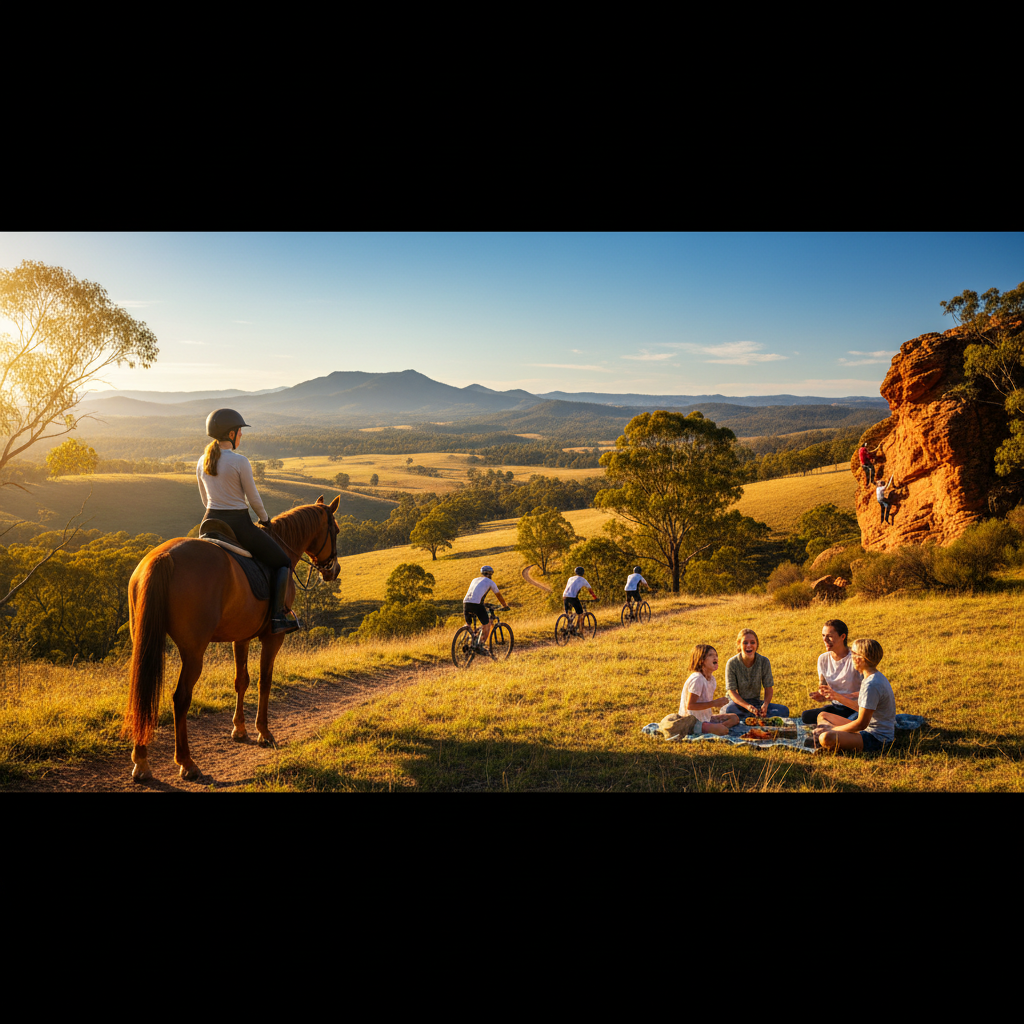
Helmet Up, Sun Down: Protecting Riders and Instructors from Australian UV
We love our horses, the open air, and the Australian lifestyle. But let's be honest, we live under one of the harshest suns in the world. For equestrian riders and instructors, long hours spent outdoors mean significant and repeated UV exposure. This isn't just about avoiding a pink nose after a single ride; it's about protecting ourselves from serious, long-term health risks like premature aging and skin cancer.
The Unseen Enemy: UV Radiation
Even on cloudy days, UV radiation from the sun penetrates clouds. Australia's UV levels can reach extreme levels year-round, particularly during spring and summer. The UV Index, a measure of the strength of the sun's UV radiation, often sits in the 'high' to 'very high' categories midday, even in winter. As riders and instructors, we're often in exposed paddocks, arenas, or out on trails for extended periods. Helmets, essential for safety, can unfortunately create blind spots for sun protection, leaving delicate areas like the face, ears, and neck vulnerable.
The risks are cumulative. Every bit of unprotected sun exposure adds up over your lifetime, increasing your risk of:
Sunburn: Immediate pain, redness, and peeling. Repeated sunburns significantly raise your skin cancer risk.
Premature Aging: Wrinkles, leathery skin, and sunspots. UV rays break down collagen and elastin, essential proteins that keep skin firm and youthful.
Skin Cancer: Including melanoma, basal cell carcinoma, and squamous cell carcinoma. These are serious diseases that can be life-threatening.
Eye Damage: Cataracts and other eye conditions can be exacerbated by prolonged UV exposure.
Why Helmets Can Make it Tricky
While your helmet protects your head in case of a fall, its brim is usually quite small and concentrated on the forehead. This leaves your cheeks, nose, ears, and neck exposed. If you're wearing a helmet with a shallow or non-existent brim, the problem is even worse. The constant need to squint against the sun can lead to premature wrinkles around the eyes – the dreaded 'crow's feet'.
Instructors, in particular, spend an entire day outdoors, often stationary or with limited physical activity, making them prime targets for sun damage. They're also constantly looking up, down, and around, frequently exposing their faces and necks to the direct sun. Riders, too, can spend hours in the saddle, whether training, competing, or enjoying a trail ride. The reflective glare off the arena sand or trail dust can further intensify UV exposure.
Practical Sun Protection Strategies for the Australian Equestrian
So, how do we enjoy our riding and teaching without succumbing to the sun's damaging rays? It requires a multi-pronged approach. It's not just one thing; it's a combination of habits and the right gear.
1. Sunscreen: Your First Line of Defence
This is non-negotiable. Apply sunscreen liberally and often.
SPF 30 or Higher: Look for broad-spectrum protection (UVA and UVB).
Water-Resistant: Essential if you're sweating or might get wet.
Reapplication: Apply 15-20 minutes before going outside and reapply at least every two hours, or more frequently if you're sweating heavily or towel-drying your face.
Don't Forget: Ears, back of the neck, scalp (if hair is thin or parted), and lips (use a lip balm with SPF).
2. Protective Clothing
Beyond your riding gear, consider:
Long Sleeves: Lightweight, breathable fabrics with UPF (Ultraviolet Protection Factor) ratings offer excellent protection.
Wide-Brimmed Hats (Off the Horse): When you're not riding, a wide-brimmed hat is a must.
Neck Gaiters/Buffs: These can be pulled up to cover the neck and lower face when outside the helmet.
3. Sunglasses
Choose sunglasses that block 99%-100% of UVA and UVB rays. This protects your eyes and the delicate skin around them.
4. Timing is Everything
Be mindful of peak UV hours, typically between 10 am and 3 pm. If possible, schedule lessons or rides outside these times, especially during the hotter months. This isn't always feasible, especially for professional instructors, which is why other methods become even more critical.
5. Hat Cover and Shade Solutions
This is where technology can really help. Standard helmet brims are often inadequate. Consider adding a larger, more effective brim to your existing helmet.
The Da'Brim Difference
This is where the Products page comes in. Solutions like the Da'Brim helmet brim are designed specifically to address the sun exposure issue for helmet wearers. They attach easily to most helmets and provide significantly more shade than a standard brim. More shade means less direct UV hitting your face, neck, and ears. They're lightweight, durable, and designed to stay put even when you're riding.
We offer different sizes and styles to suit various helmet types and personal preferences. If you're unsure how to fit one, our How to Install guide provides clear, step-by-step instructions. It's a simple addition that makes a massive difference to your daily sun protection.
A Quick Checklist for Sun Safety
Here’s a simple checklist to keep you on track:
[ ] Apply sunscreen (SPF 30+) 15 minutes before going outside.
[ ] Reapply sunscreen every 2 hours, or more often if sweating.
[ ] Wear sunglasses that block 100% of UV rays.
[ ] Consider a helmet brim extension for enhanced facial and neck coverage. (See Products)
[ ] Wear UPF-rated long sleeves and pants when possible.
[ ] Utilise neck gaiters/buffs for extra neck and lower face protection.
[ ] Seek shade during peak UV hours (10 am - 3 pm) when not actively riding/working.
[ ] Stay hydrated – dehydration can make you feel the heat more intensely.
Understanding Your Exposure: It's More Than Just Sunburn
Let's break down the UV exposure risks, especially for those long days in the Australian sun:
| Area Exposed | Primary Risk | Mitigation Strategy |
|---|---|---|
| Face (especially nose, cheeks) | Sunburn, premature aging, skin cancer | High SPF sunscreen, wide-brimmed hat (off horse), helmet brim extension. |
| Ears | Sunburn, skin cancer (especially on lobes) | Sunscreen, wear a hat that covers ears (off horse), helmet brim extension. |
| Neck (front and back) | Sunburn, premature aging, skin cancer | Sunscreen, UPF clothing, neck gaiter, helmet brim extension. |
| Lips | Sunburn, precancerous lesions, cold sores | SPF lip balm. |
| Scalp/Parting | Sunburn, skin cancer | Sunscreen on exposed areas, wear a hat (off horse), consider a helmet with more coverage. |
| Eyes | Photodamage, cataracts, crow's feet | UV-blocking sunglasses. |
Step-by-Step: Integrating Sun Protection into Your Routine
Making sun safety a habit doesn't need to be complicated. Here’s a simple approach:
Morning Routine (Before Riding/Teaching):
1. Hydrate: Drink a glass of water.
2. Apply Sunscreen: Choose a broad-spectrum SPF 30+ sunscreen. Apply it to your face, neck, ears, and any other exposed skin. Ensure even coverage, especially on the bridge of your nose and ears.
3. Lip Protection: Apply a lip balm with SPF.
4. Dress Appropriately: Put on UPF clothing if applicable.
5. Eyewear: Put on your UV-blocking sunglasses.
6. Mount Up: Put on your helmet. If you've attached a Da'Brim, ensure it's positioned correctly for maximum shade.
During the Day (Every 2 Hours or After Sweat/Water Exposure):
1. Take a Break: If possible, take a short break.
2. Reapply Sunscreen: Use a spray or stick for easy reapplication without needing to remove gloves or gear too much. Focus on areas that might have been missed or where sunscreen has worn off.
3. Check for Gaps: Briefly check your neck and ears in a mirror if possible. Reapply sunscreen to any exposed or red areas.
End of Day:
1. Cleanse: Gently wash your face and neck to remove sunscreen, sweat, and any environmental grime.
2. Moisturise: Apply a soothing moisturiser to rehydrate your skin.
3. Evaluate: Note any areas that felt particularly sun-exposed or developed redness. Adjust your protection strategies for the next day.
Common Objections and How to Handle Them
"Sunscreen feels greasy/heavy/causes breakouts."
Solution: There are countless sunscreen formulations available. Look for oil-free, non-comedogenic, or mineral-based (titanium dioxide, zinc oxide) sunscreens. Many brands offer lightweight, matte finishes perfect for active use. Experiment to find one that suits your skin type.
"I don't have time for all this."
Solution: Think of it as a quick, essential part of your riding prep, like checking your stirrup leathers. Applying sunscreen takes less than a minute. Reapplication can be done quickly. The time 'lost' is minimal compared to the years of potential skin damage.
"My helmet brim is enough."
Solution: Most standard helmet brims offer minimal coverage. Consider adding a dedicated helmet brim extension like those found on our Products page. These are designed for maximum shade where you need it most – your face and neck.
"It's not that sunny today."
Solution: UV rays penetrate clouds. The UV Index can still be high even when it doesn't feel scorching hot. It's always better to be safe than sorry, especially in Australia.
"I'm only out for a short ride."
* Solution: Even short, repeated exposures add up. A 30-minute ride daily under the sun is still significant over weeks, months, and years.
Your Skin Health Matters
As equestrians and instructors in Australia, we're exposed to some of the highest UV levels on the planet. Protecting your skin isn't just about vanity; it's a critical health imperative. By integrating smart sun-safety practices, you can continue to enjoy your passion for horses while minimising your risk of sun damage and skin cancer.
Don't wait for the sunburn. Make proactive sun protection a part of every riding session. For more information on our innovative sun protection solutions, visit our Products page. If you have questions, our FAQ section is a great resource. And for more tips and news, check out our Blog.
Ride safe, ride protected.