
Helmet Sun Safety: Your Equestrian Ride Under the Australian Sun
Don't let the Australian sun compromise your equestrian safety or comfort. Learn how to effectively protect yourself and your helmet from harsh UV rays and heat.
Helmet Sun Safety: Your Equestrian Ride Under the Australian Sun
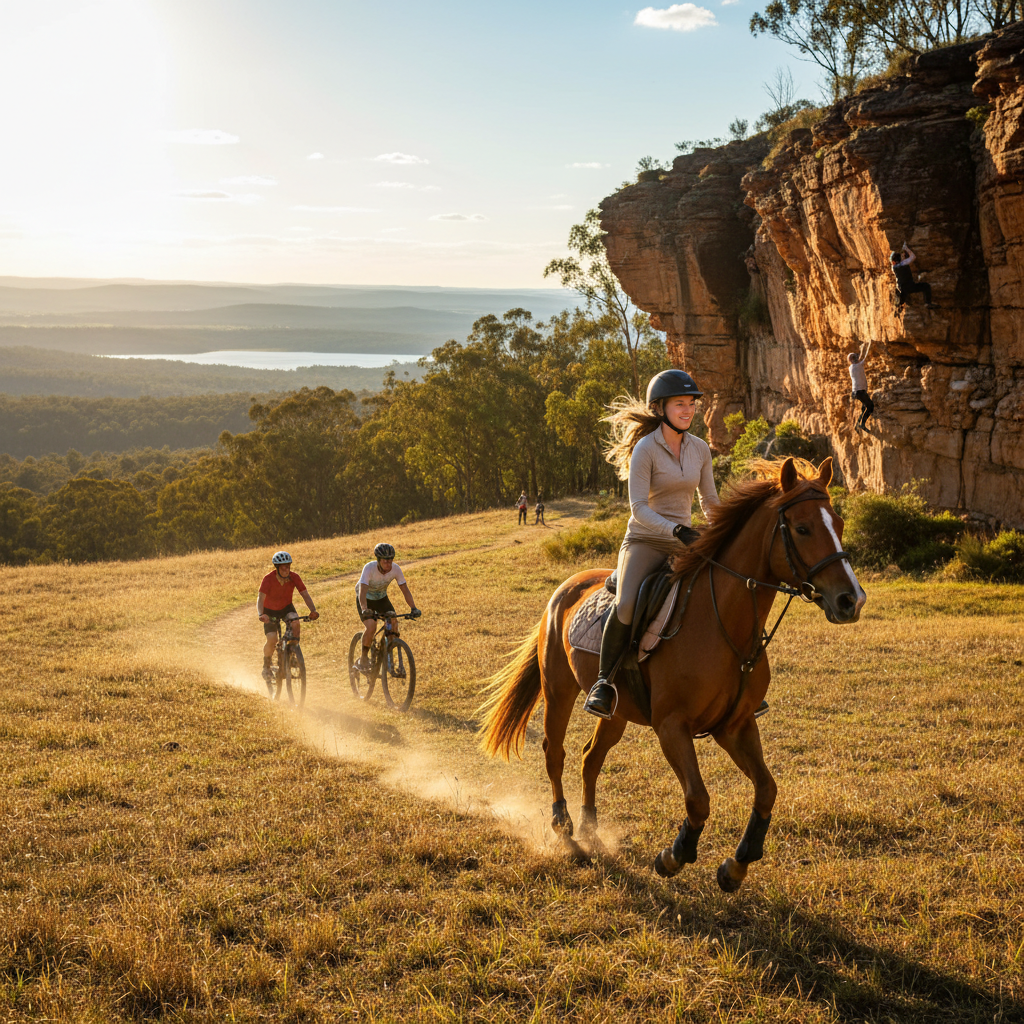
Australia. We love our outdoor lifestyle, and for many, that includes a passion for equestrian sports. But let's be honest, our magnificent country comes with a significant downside for outdoor enthusiasts: the sun. Not just any sun, but the kind that can deliver serious UV damage and relentless heat, especially during long riding days. While your helmet is paramount for physical safety in the saddle, failing to consider its role in sun protection is a big oversight. This isn't about choosing between helmet safety and sun protection; it's about ensuring they work together. We're cutting through the noise and giving you the practical, no-fluff Australian advice you need.
The Unseen Dangers: UV Rays and Heat in the Saddle
We all know the drill: "Slip, Slop, Sunscreen". But when you're in the saddle for an hour, two, or three, especially during the peak UV hours, that advice only goes so far. Your face, neck, and ears are constantly exposed. Think about the cumulative effect year after year.
UV Damage: Prolonged exposure to ultraviolet (UV) radiation is a leading cause of skin cancer, premature aging, and eye damage. Even on cloudy days, UV rays penetrate.
Sunburn: It's not just uncomfortable; severe sunburn can lead to blistering, infection, and long-term skin damage. The back of your neck and ears are particularly vulnerable areas often missed by sunscreen reapplication.
Heat Stress: In the Australian heat, your body temperature can rise quickly, especially when wearing protective gear. This can lead to fatigue, dehydration, heatstroke, and impaired judgment – all critical safety concerns when handling horses.
Glare: Intense sunlight can lead to glare, affecting your vision and ability to respond to your horse's movements or course hazards.
Helmet Safety vs. Sun Protection: A False Dichotomy
Some riders worry that adding anything to their helmet might compromise its structural integrity or ventilation. This is a valid concern, but it's also an outdated one. Modern solutions are designed with equestrian safety and usability in mind.
Your helmet's primary job is to protect your brain from impact. Full stop. You absolutely must wear a certified helmet that fits correctly. However, that doesn't mean you have to sacrifice the rest of your skin to the sun. The goal is to integrate sun protection seamlessly into your riding routine.
What Are Your Options for Helmet Sun Protection?
Let's break down the practical ways to shield yourself.
1. Dedicated Helmet Brims
This is often the most effective and practical solution. These brims attach directly to your existing helmet, providing shade for your face, neck, and ears.
Why they work: They're designed to offer significant shade, unlike small, integrated brims on some helmets. They don't impede ventilation. They are typically made of lightweight, durable materials.
Considerations: Ensure the brim is securely attached and doesn't affect the helmet's fit or balance. Look for materials that are UV resistant and easy to clean.
2. Wide-Brimmed Hats (When NOT riding)
This is obvious, but crucial. When you're not in the saddle – tacking up, cooling down, or mucking out – a wide-brimmed hat is your best friend. Think of the classic Akubra or a legionnaire-style hat.
Why they work: Maximum coverage for face and neck.
Considerations: Obviously, you cannot wear a wide-brimmed hat while riding as it's a major safety hazard.
3. Neck Gaiters and Buffs
These fabric tubes are incredibly versatile. Worn up over your nose and mouth, or pulled down to protect your neck, they offer excellent UV protection.
Why they work: Lightweight, easy to carry, and can provide UPF (Ultraviolet Protection Factor) rated coverage. Many are made from breathable, moisture-wicking fabric, which actually helps with cooling.
Considerations: Ensure the fabric covers as much exposed skin as possible. Lighter colours can feel cooler.
4. Sunglasses and Visors
High-quality sunglasses with UV protection are essential for eye health and reducing glare. Some helmets may have a small integrated visor, which offers minimal, but some, face protection.
Why they work for eyes: Protects against UV damage and bright light.
Considerations: Integrated visors are rarely sufficient for full facial and neck protection. Ensure sunglasses fit comfortably under or with your helmet without causing pressure points.
5. Sunscreen and Reapplication
Even with the best physical barriers, sunscreen is still a non-negotiable. Opt for broad-spectrum, high SPF (50+) sunscreen.
Why it's essential: It's your last line of defence for any exposed skin. Choose formulas that are sweat-resistant for riding.
Considerations: Reapplication is key. It's hard to reapply consistently when you're exercising. Carry a small tube or spray in your gear bag.
The Australian Helmet Brim Advantage
For Australian riders, dedicated helmet brims offer a significant advantage. Our UV Index often reaches extreme levels, and the days can be long, especially during competition season or extended trail rides. Relying solely on sunscreen and reapplying every two hours (as recommended) is often impractical and insufficient.
Handling Objections
"It will blow off." Reputable helmet brims are designed with secure attachment systems. Look for ones that integrate with your helmet's existing retention system or use strong, reliable fastenings. Check out the Products section for options built for this.
"It will make me too hot." Many modern brims are lightweight and designed not to obstruct airflow from your helmet's vents. In fact, by shading your face and neck, they can indirectly help you feel cooler by reducing direct sun exposure on your skin.
"It looks silly." Functionality and safety should always trump fashion in equestrian sports. Plus, many designs are quite discreet and blend well with standard riding helmets. Consider the alternative: severe sunburn or skin damage.
"My helmet doesn't have anywhere to attach it." Many helmet brims use a universal attachment system that works with various helmet types. Read product descriptions carefully or consult our FAQ for compatibility. The How to Install guide shows just how simple it can be.
Practical Checklist for a Sun-Safe Ride
Before you even head to the stables, run through this quick checklist:
[ ] Helmet Check: Is your helmet certified, in good condition, and is it going to be worn correctly?
[ ] Sun Brim Equipped: Is your helmet brim securely attached?
[ ] Face & Neck Shielded: Are you wearing a helmet brim, neck gaiter, or long sleeves?
[ ] Eye Protection: Are your sunglasses UV-rated? Do they fit comfortably with your helmet?
[ ] Sunscreen Applied: Have you applied broad-spectrum SPF 50+ sunscreen to any exposed skin (e.g., hands, lower legs)?
[ ] Hydration Ready: Do you have enough water for your ride and after?
[ ] Waterproof Sunscreen: Is your sunscreen sweat and water-resistant?
Step-by-Step: Maximising Your Sun Protection
Here’s a simple process to integrate sun protection into your ride prep:
1. Gear Up: Put on your riding gear as usual. Ensure your helmet fits correctly before* adding any accessories.
2. Attach Your Brim: If using a dedicated helmet brim, carefully follow the How to Install instructions for your specific model. Ensure it's snug and doesn't shift.
3. Apply Sunscreen: Apply a generous amount of SPF 50+ sunscreen to all exposed skin – face, ears, neck, hands, arms, and legs. Don't forget the tops of your feet if wearing open shoes elsewhere.
4. Accessorise (Optional but recommended): Pull up a UPF-rated neck gaiter to cover your neck and lower face/nose if the UV index is very high or you're spending extended time outdoors.
5. Don Your Helmet: Place your helmet on your head. Adjust the straps for a secure, comfortable fit. Your brim should now be providing shade.
6. Add Sunglasses: Put on your UV-rated sunglasses. Ensure they don't interfere with your helmet's fit or cause discomfort.
7. Hydrate: Drink a glass of water before you start. Keep a water bottle accessible.
Long-Term Rider Health
Think about your future riding self. The effects of sun exposure are cumulative. Investing in effective sun protection now, like a quality helmet brim from our Products range, is an investment in your long-term health and continued enjoyment of equestrian sports under the beautiful, but harsh, Australian sky.
Don't let preventable sun damage sideline you or compromise your well-being. For more detailed information on specific products and their application, check out our FAQ or browse our Products page. Remember, safety always comes first, and that includes protecting your skin from the sun. For more tips and rider stories, visit our Blog!