
Helmet Sun Protection for Long Australian Road Rides: Don't Get Cooked
Long road rides in the Australian sun demand robust sun protection for your head and face. Learn how to shield yourself from UV and heat best.
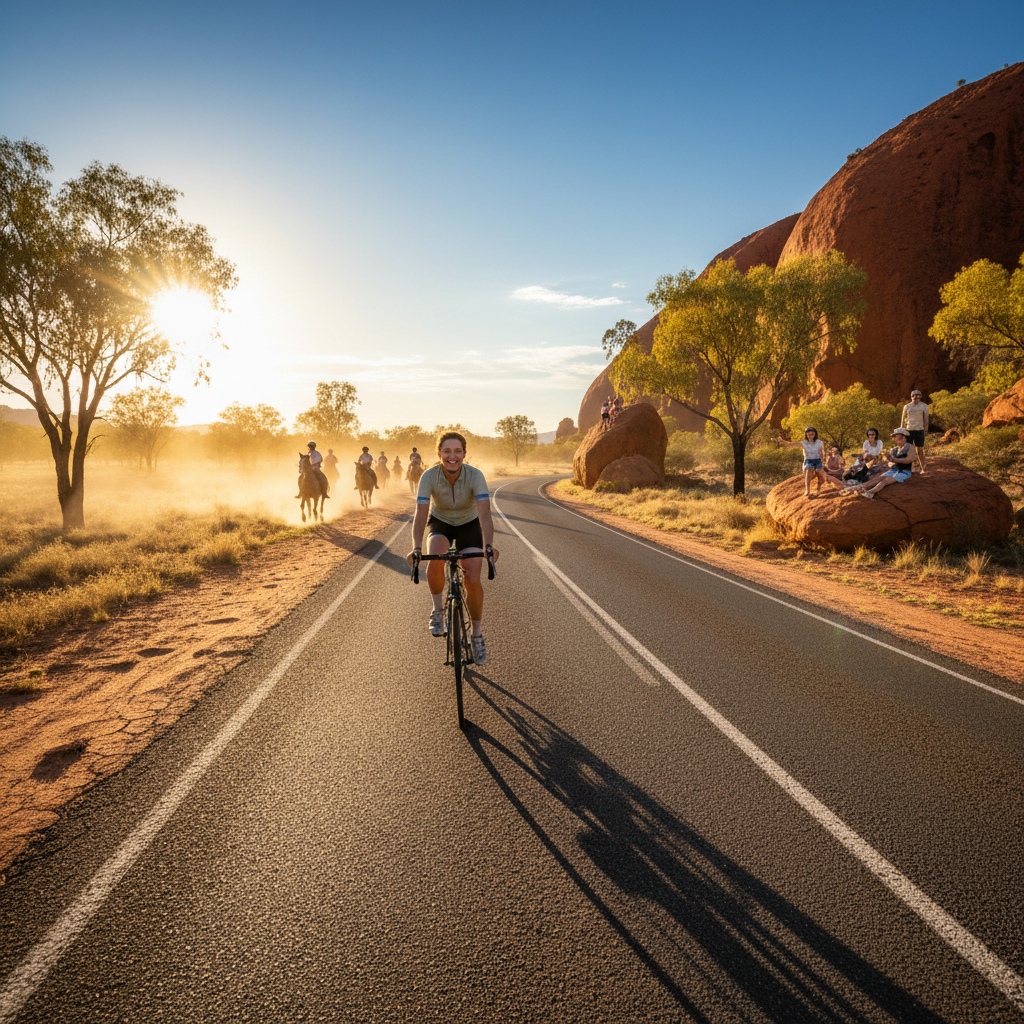
Helmet Sun Protection for Long Australian Road Rides: Don't Get Cooked
Australia. Beautiful country. Long roads. Intense sun. If you're a road cyclist, especially one who loves those epic, hours-long rides, you know the drill. The sun doesn't play around here. We're talking about UV indices that climb into the danger zone, relentless heat, and daylight hours that can stretch your adventure from dawn till dusk. Your helmet is crucial for safety, but is it doing enough to protect your head and face from the sun's brutal assault? Probably not, if you're relying on it alone.
Let's cut to the chase: neglecting sun protection on long rides is a mistake. It’s not just about getting a tan or a painful sunburn on your scalp and ears. It's about long-term skin damage, heatstroke risk, and discomfort that can ruin your ride. This guide is for serious cyclists in Australia who need practical, no-nonsense sun protection that works with their existing helmet setup.
The Problem: A Helmet Isn't Enough
You might think your helmet is enough. It covers your head, right? Wrong. Here's why your standard helmet is a poor sun shield:
Limited Coverage: Most helmets offer minimal protection for your face, especially your eyes, nose, and cheeks. These are prime real estate for sunburn.
Rear Exposure: The back of your neck. Long rides mean hours of the sun beating down on this often-exposed area, leading to painful burns and discomfort.
UV Penetration: Even through helmet vents, UV radiation can sneak through. While vents are essential for cooling, they also represent potential entry points for harmful rays.
Heat Trapping: While some helmets are ventilated, extended periods in extreme heat can still lead to overheating. A well-protected head is also a cooler head.
Your Arsenal: Essential Sun Protection Gear
To truly conquer those long Australian road rides under the sun, you need a layered approach. This isn't about fashion; it's about function and preserving your skin.
1. The Helmet Brim: Your First Line of Defence
This is arguably the most critical addition for any cyclist undertaking long rides under clear skies. Your helmet likely came with none, or a flimsy piece of plastic. We're talking about a proper, robust helmet brim designed for cycling helmets.
Why it matters: A good brim acts like a miniature awning. It significantly shades your face, reducing direct sun exposure to your eyes, nose, and cheeks. This is crucial for preventing sunburn on these sensitive areas and reducing glare, which can improve your vision and focus.
Australian Advantage: In Australia, where UV levels can be extreme, a brim isn't a luxury; it's a necessity. Think of it as essential safety equipment, just like your helmet itself.
We offer a range of helmet brims designed to Products. They are engineered for durability and effective shade, easy to attach, and built to withstand Australian conditions. Choosing the right brim for your helmet is straightforward – check our How to Install guide.
2. High SPF Sunscreen: The Undeniable Core
Even with a brim, you need a solid sunscreen. Don't skimp here.
SPF 50+: Non-negotiable for Australian conditions. Reapply religiously.
Broad Spectrum: Protects against both UVA and UVB rays.
Water Resistant: Important for sweat.
Application Zones: Ears, neck (especially the back), face (under the brim edges), lips.
Objection Handling: "Sunscreen is greasy/melts off".
Solution: Use a sweat-resistant, high-SPF formulation specifically designed for sports. Look for non-comedogenic options if you're prone to breakouts. Apply it at least 15-20 minutes before your ride to allow it to absorb. Reapplication might be needed on extremely long or hot rides, so carry a travel-sized tube.
3. UV-Protective Cycling Apparel
Your clothing plays a role too.
Long-Sleeved Jerseys: Opt for lightweight, breathable fabrics with UPF (Ultraviolet Protection Factor) ratings. These offer excellent coverage for your arms and torso.
Neck Gaiters/Buffs: A lightweight, breathable neck gaiter can be pulled up to cover your neck and lower face during the hottest parts of the day or when riding into direct sun. Choose moisture-wicking fabrics that won't make you overheat.
Arm Sleeves: A good alternative to long sleeves if you prefer to start cooler. They offer UPF protection and can be removed.
4. Sunglasses: Eye Protection is Key
While a brim shades your eyes, sunglasses offer crucial protection against UV rays and glare.
UV Protection: Ensure your lenses offer 100% UVA and UVB protection.
Lens Tint: Lighter tints can be good for lower light, but for bright Australian days, a medium to dark tint is best. Polarised lenses can cut glare, improving visibility.
Fit: Choose a pair that fits snugly under your helmet and covers your eyes completely, with no gaps.
Practical Application: A Checklist for Your Ride
Before you roll out, run through this quick checklist. It takes just a minute but can save you hours of discomfort and potential skin damage.
[ ] Helmet brim securely attached and adjusted?
[ ] High SPF 50+ broad-spectrum sunscreen applied liberally to all exposed skin (face, ears, neck, arms)?
[ ] Lip balm with SPF applied?
[ ] UV-protective jersey or arm sleeves worn?
[ ] Neck gaiter/buff (optional, but recommended for long/hot rides) within reach?
[ ] Sunglasses with 100% UV protection on?
Advanced Tactics: Maximising Protection on the Road
Long days in the saddle, especially in the Australian heat, require more than just initial preparation. You need a strategy.
1. Reapplication is Non-Negotiable
Sunscreen doesn't last forever. Sweat, wind, and time degrade its effectiveness.
Schedule: On rides longer than 2-3 hours, plan for reapplication. A good rule of thumb is every 2 hours, or more frequently if you're sweating profusely.
What to carry: A small, travel-sized tube of your preferred sunscreen. For your face, consider a sunscreen stick or spray for easier application without removing your helmet.
The 'Under-Brim' Technique: Reapplying sunscreen to your face when wearing a helmet and glasses can be tricky. A sunscreen stick or a quick dab of cream under the brim's edge before you leave your rest stop is often the easiest solution.
2. Staying Hydrated and Cool
Heatstroke and sunburn exacerbate each other. Staying cool is part of sun management.
Hydration: Drink water consistently, even before you feel thirsty. Electrolyte drinks can help on very hot days or long efforts.
Cooling: Use water to douse your head or neck during rest stops. Some riders carry a small sponge for this purpose.
Helmet Vents: Ensure your helmet vents aren't obstructed. While they let some UV in, the cooling they provide is essential for preventing heat exhaustion on long Australian rides.
3. Listen to Your Body
This is the most crucial advanced tactic. If you feel your skin starting to burn, or you're becoming excessively hot, it's time to adjust.
Seek Shade: Take a break in shaded areas whenever possible.
Reduce Intensity: If the heat is extreme, conserve energy.
Cut the Ride Short: Your health is more important than finishing any particular ride. There will always be another day to ride.
Addressing Common Objections: "I Don't Burn Easily" / "It's Too Much Hassle"
We’ve all seen cyclists who look like lobsters after a long ride. Here’s why 'not burning easily' isn't cause for complacency, and why a little preparation is worth it.
The Cumulative Damage: Skin cancer doesn't happen overnight. Every exposure, even if it doesn't result in a visible burn, adds to cumulative damage over years. Australia has some of the highest rates of skin cancer in the world for a reason – our sun is intense.
Long-Term Health Risks: Beyond sunburn, prolonged UV exposure is a major factor in premature skin aging (wrinkles, sunspots) and, more seriously, melanoma and other skin cancers.
The "Hassle" Factor: We get it. Adding extra steps to your pre-ride routine can feel like a chore. However, we've designed our Products like our helmet brims to be incredibly easy to install and use. Once it's on, it’s part of your helmet. Sunscreen application is a small price to pay for skin health and riding comfort. Think of the time and money saved on after-sun lotions, doctor's visits, or worse.
The DA BRIM Difference: Built for Australian Conditions
We understand the unique challenges faced by cyclists in Australia.
Durability: Our helmet brims are constructed from tough, UV-resistant materials designed to withstand the harshest Australian sun, heat, and weather.
Effectiveness: They are designed for optimal shade coverage, significantly reducing direct sunlight on your face and neck.
Simplicity: Easy to attach to most standard cycling helmets. No complex tools required. Refer to our How to Install guide for quick setup.
Value: A small investment that pays dividends in comfort, health, and riding enjoyment. Browse our selection at Products.
Get Protected and Ride On
Long road rides in Australia are incredible experiences. Don't let the sun detract from them. By combining a high-quality helmet brim with diligent sunscreen application, appropriate apparel, and mindful hydration, you can significantly enhance your protection.
Your safety and health are paramount. Investing in proper sun protection isn't an option; it's a duty of care to yourself. For more tips and frequently asked questions, visit our FAQ or explore our Blog for ongoing cycling advice.
Ride smart, ride safe, and most importantly, ride protected.