
Helmet Sun Protection for Long Australian Rides: Beat the Burn
Long road rides in Australia demand serious sun protection. Learn how to shield your face, neck, and scalp from harsh UV rays, even when wearing a helmet. Practical tips for every cyclist.
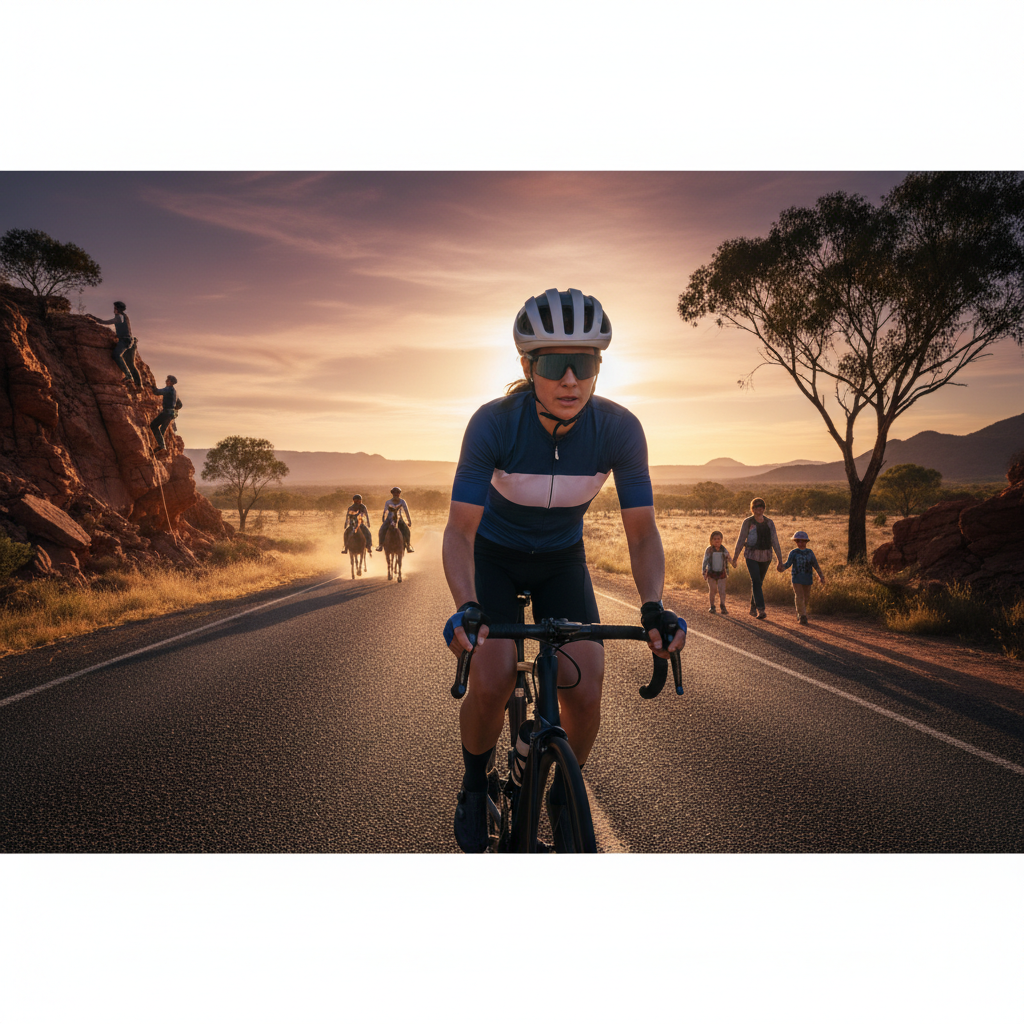
Helmet Sun Protection for Long Australian Rides: Beat the Burn
Australia. The land of endless blue skies and seemingly perpetual sunshine. Fantastic for knocking out those long road rides, but a brutal adversary when it comes to your skin. We all know the drill: apply sunscreen, wear a hat, seek shade. But what happens when you're miles from anywhere, strapped into a helmet for hours on end, and the UV index is pushing through the roof? That's where smart sun protection for helmet wearers becomes crucial.
This isn't about flimsy excuses or half-hearted efforts. This is about practical, no-nonsense protection that actually works when you're out there battling the heat and the sun's relentless glare for extended periods. Because sunburn on your scalp, face, and neck isn't just uncomfortable; it's a serious health risk. And frankly, it's a quick way to ruin a perfectly good ride.
The Helmet Paradox: Freedom vs. Forgotten Sunburn
Your helmet is your best mate for safety. It protects your noggin from the unforgiving tarmac. But let's be honest, it also creates a unique set of sun-exposure challenges:
The Scalp Sweat Zone: The straps and vents, while essential for cooling, can be patchy. This leaves sections of your scalp exposed and vulnerable, especially during long rides where sweating is constant. Reapplying sunscreen to these areas mid-ride is a pain, and often forgotten.
The Glare Gauntlet: Even with cycling glasses, the sun can still blast in from above, causing glare, eye strain, and unprotected exposure to your forehead and the sensitive skin around your eyes.
The Neck Burn: As you lean forward into an aero position, your neck is often exposed to direct sunlight, particularly the nape of your neck. Traditional caps under helmets can help, but often create a hot, stuffy mess.
The Forehead Fudge Up: The helmet rim, combined with sweat, can create a situation where sunscreen either runs into your eyes or is simply wiped away by the helmet's padding.
Practical Solutions You Can Actually Use
Forget the idea that you have to choose between safety and sun protection. You can have both. It just requires a bit of thought and the right gear.
1. The Underrated Workhorse: Quality Sunscreen
Yes, it's obvious. But are you using the right sunscreen, and applying it correctly? For long rides, you need something robust.
SPF 50+: Non-negotiable for Australian conditions. Don't mess around with lower numbers.
Broad Spectrum: Protects against both UVA (ageing) and UVB (burning) rays.
Water/Sweat Resistant: Essential. You don't want your protection washing off with your first bead of sweat.
Mineral-Based Options: If you have sensitive skin or find chemical sunscreens irritating, look for zinc oxide or titanium dioxide formulas. These sit on top of the skin and can be less irritating.
Application is Key:
Apply 20 minutes before heading out: This allows it to bind to your skin.
Don't forget the ears: They are prime real estate for sunburn.
Scalp checkpoints: If you have thinning hair or a shaved head, be meticulous. Use a spray before putting on your helmet, and consider a cap if it doesn't interfere with helmet fit.
Neck and shoulders: These areas are often covered by your jersey, but the nape of your neck and the tops of your shoulders can still catch a lot of sun.
2. Optimising Your Helmet: The Brim Advantage
This is where we can level up significantly. Standard helmets offer minimal facial shade. Adding a brim is a game-changer for long rides.
Why a Helmet Brim?
Direct Shade: It casts a shadow over your eyes, forehead, and nose, reducing glare and direct UV assault.
Reduces Eye Strain: Less squinting means more focus on the road and less fatigue.
Sweat Management: A good brim can help channel sweat away from your face, preventing it from stinging your eyes.
Choosing the Right Brim:
Compatibility: Ensure it's designed to fit your helmet securely. Not all brims fit all helmets. Check out Products for options.
Adjustability: Some brims offer tilt options, allowing you to fine-tune the angle of shade.
Durability: You need something that will withstand a bit of jostling in your gear bag and the elements.
Ventilation consideration: A brim shouldn't completely block your helmet's ventilation. Look for designs that integrate well.
Objection Handling: "But won't it look silly?" Australia is a sunburnt country. Practicality trumps fleeting fashion trends when you're trying to avoid a week of peeling skin. Plus, modern brims are designed to be sleek and functional, not bulky.
Objection Handling: "Will it make my head hotter?" No, a well-designed brim doesn't seal your helmet. It sits above the ventilation points, providing shade without impeding airflow. In fact, by reducing the direct solar radiation hitting your helmet and head, it can actually help keep you cooler.
3. Beyond the Brim: Essential Accessories
While the brim is critical for face and eye protection, don't neglect other areas.
Neck Gaiter or Buff: A lightweight, breathable neck gaiter, especially one with UPF protection, can be worn around your neck. Pull it up over your lower face on particularly hot and sunny days. Choose synthetic materials that wick moisture and dry quickly. It also helps prevent sunburn on your neck, which is a common rider's complaint.
Sun-Protectant Headband: If you find sweat running down your forehead into your eyes, a moisture-wicking headband with UPF protection can be a lifesaver. Some people wear these under their helmet, though ensure it doesn't compromise helmet fit. Others wear them when off the bike. Check Products for options that work with helmets.
Arm Sleeves: Long summer days mean the sun can bake your arms. Lightweight, UPF-rated arm sleeves can provide a cool, comfortable barrier.
Your Pre-Ride Sun Protection Checklist
Before you even think about clipping in for a long haul, run through this quick checklist:
[ ] Helmet Fit Check: Is your helmet snug and adjusted correctly? (See How to Install for best practice).
[ ] Brim Attached (if applicable): Is your helmet brim securely in place? This is crucial for long rides.
[ ] Sunscreen Application: Applied SPF 50+ Broad Spectrum, water/sweat resistant sunscreen to all exposed skin, including face, ears, neck, and any exposed scalp areas. Applied at least 20 minutes prior.
[ ] Neck Protection Ready: Is your neck gaiter or buff easily accessible?
[ ] Eye Protection: Are your cycling glasses clean and ready for glare?
[ ] Lip Balm with SPF: Don't forget your lips!
Step-by-Step Sun Protection Strategy for a Long Ride
Here’s a practical approach to layer your protection, especially for those multi-hour Australian epics:
Step 1: Pre-Ride Prep (At Least 20 Mins Before)
Apply Sunscreen: Thoroughly cover all exposed skin: face (including eyelids, unless you wear glasses that seal), ears, neck, arms, and any scalp patches. For the scalp, consider a spray sunscreen before your helmet, or use a cap if it doesn't impede helmet fit.
Hydrate: Start hydrating early. This helps your body regulate temperature and reduces the impact of heat.
Accessorise: Put on your UPF arm sleeves if using them. Wear a neck gaiter rolled down around your neck, ready to be pulled up.
Step 2: Helmet On, Brim Down
Secure Helmet: Put your helmet on and ensure it's properly adjusted. If you're using a helmet with an integrated or attachable brim, ensure it's securely fitted and positioned to provide maximum shade to your forehead and eyes.
Glasses On: Your cycling glasses should work in conjunction with your brim to block out sun from multiple angles.
Step 3: Mid-Ride Adjustments & Reapplication (If Necessary)
Hydration Stops: If you stop for water (and you should on long rides!), take the opportunity to check exposed areas.
Quick Reapplication: Sweat and time can diminish sunscreen effectiveness. If you feel any 'hot spots' or notice your skin tingling, it's time for a quick top-up. Use a travel-sized sunscreen or a sunscreen stick for easy application that minimises mess. Focus on the forehead, nose, and ears.
Neck Gaiter Boost: If the sun is particularly intense or you're feeling the heat, pull your neck gaiter up over your nose and mouth for added protection. Ensure it's breathable.
Helmet Brim Adjustment: If your brim is adjustable, you might need to tweak its angle as the sun's position changes throughout the ride.
Step 4: Post-Ride Care
Assess: Check for any missed spots. Even with the best planning, a quick once-over is wise.
Cool Down: Use a cooling moisturiser or aloe vera if you suspect any redness.
Replenish: Continue hydrating.
The Long Game: Protecting Your Skin Over Time
Sun protection isn't just about avoiding a bad sunburn on one ride. It's about long-term skin health. Melanoma and other skin cancers are a reality, and cumulative UV exposure significantly increases your risk. For cyclists who spend so much time outdoors, this is particularly relevant. Making these practical habits part of your routine protects you today and for years to come.
If you're unsure about the best helmet brim for your setup or have questions about other protective gear, our FAQ page is a great resource. And for a full range of protective accessories designed for cyclists, explore our Products section.
Don't let the Australian sun dictate the terms of your ride. Cycle smarter, cycle safer, and stay protected. Remember to check our Blog for more tips and advice for Australian cyclists.