
Helmet Safety vs Sun Protection: Why You Don't Have to Choose in Australian Equestrian
Wearing a helmet is non-negotiable for equestrian safety. But what about protecting yourself from Australia's harsh sun while riding? You can have both. Learn how.
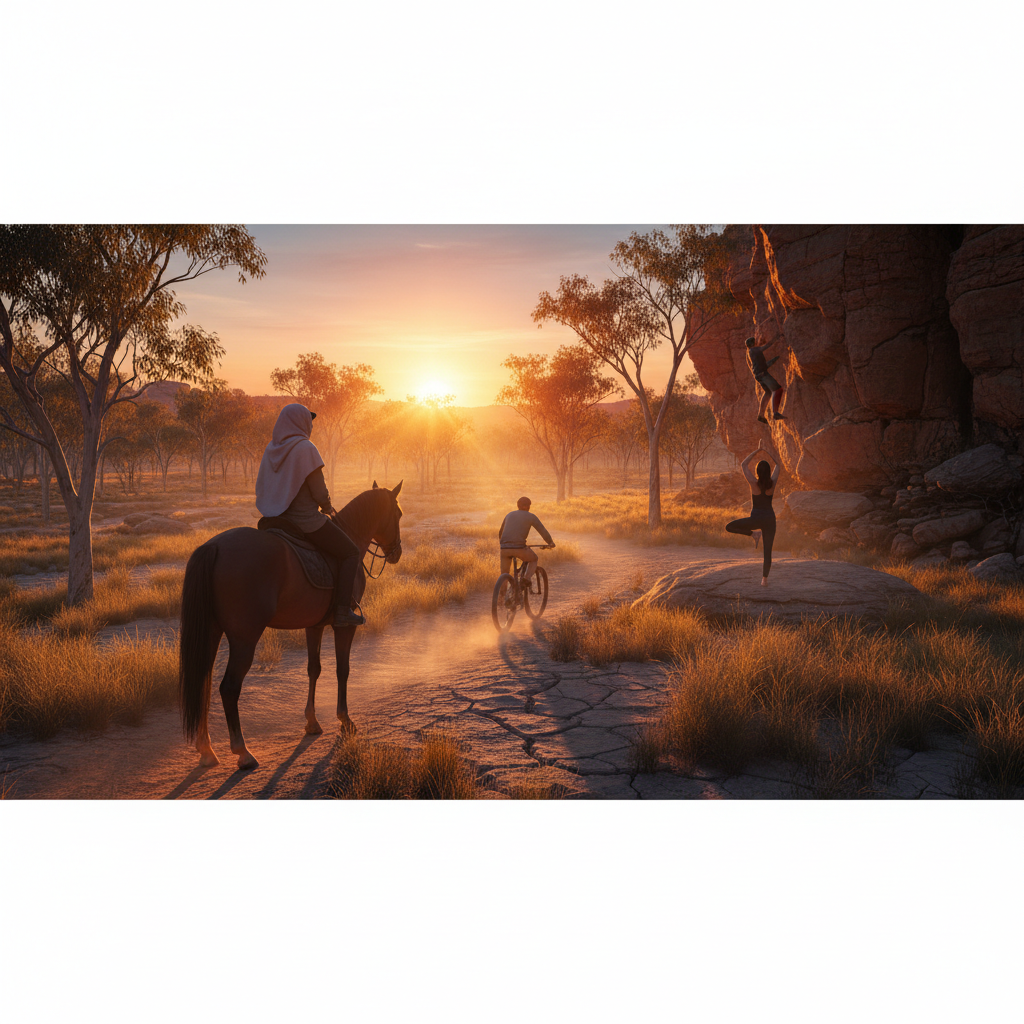
Helmet Safety vs Sun Protection: Why You Don't Have to Choose in Australian Equestrian
Let's be blunt. In the Australian equestrian world, two things are paramount: helmet safety and sun protection. For far too long, riders have felt like they had to compromise. Either you wear a helmet – the absolute, non-negotiable rule for protecting your noggin – and bake in the sun, risking sunburn and heatstroke. Or you prioritise shade, often at the expense of crucial head protection.
This is a false dichotomy. You absolutely can, and should, have both. Australian conditions are unforgiving. We live and ride under a notoriously potent sun. Long summer days, a high UV index, and intense heat are the norm, not the exception. Ignoring sun protection while riding is just as dangerous as riding without a helmet, albeit in a different, slower-burning way. This post is about cutting through the excuses and giving you practical, no-nonsense advice on how to stay safe, both from impacts and from the sun.
The Unshakeable Truth: Helmet Safety Comes First
Before we even touch on sun protection, let’s nail this down. A properly fitted, certified equestrian helmet is your single most important piece of safety equipment. Period. Falls happen. Horses are unpredictable. A fall from a horse can result in severe head injuries, long-term disability, or worse. No amount of sunburn or discomfort is worth sacrificing this.
| Safety Factor | Importance in Equestrian Sports | Notes |
|---|---|---|
| Helmet | CRITICAL | Protects against serious head trauma. Always wear one, ensure it fits and is in good condition. |
| Sun Protection | HIGH | Prevents sunburn, heatstroke, and long-term skin damage. Essential for comfort and sustained riding. |
| Hydration | HIGH | Prevents dehydration and heat-related illness, crucial in Australian heat. |
| Visibility | MEDIUM to HIGH | Especially important when riding near roads or in low-light conditions. |
The Sun’s Barrage: Why Australian Sun is Different
We’re not talking about a gentle English drizzle here. Australian riders contend with:
High UV Index: Even on cloudy days, UV radiation can be intense. The Bureau of Meteorology’s UV index is your best friend – if it's 3 or above, sun protection is recommended. In many parts of Australia, it regularly hits 10 or 11, which is VERY HIGH to EXTREME.
Intense Heat: Riding is physical. Add the heat of an Australian summer, and the risk of heat exhaustion and heatstroke skyrockets. Dehydration is a constant threat.
Long Riding Days: Whether it’s a training session, a trail ride, or a competition, you can be exposed for hours. A small amount of initial sun exposure can add up to severe damage.
Reflective Surfaces: Sand, water, and even light-coloured arenas can reflect UV rays, increasing your exposure.
Many standard equestrian helmets offer little to no brim to shield your face. This leaves your eyes, nose, and cheeks directly exposed to the harshest rays. This isn't just about a tan; it's about serious health risks.
Objection Handling: Common Excuses and Reality Checks
Let’s tackle some common reasons riders give for not prioritising sun protection with their helmets:
“A helmet is already hot and bulky. Adding more just makes it unbearable.”
Reality: While helmets do add warmth, suffocating heat is often exacerbated by lack of airflow and direct sun on exposed skin. Innovative solutions are designed to integrate with your helmet, not hinder it. The goal isn't to add bulk; it's to optimise existing protection.
“I’ll just wear sunscreen and a cap underneath.”
Reality: Sunscreen needs reapplication every couple of hours, especially when you’re sweating. Caps underneath often don't fit well with helmets, creating pressure points and disrupting the helmet’s fit (which compromises safety). Plus, they rarely offer adequate brim coverage for that essential facial shade. This is a band-aid solution at best, and a dangerous one if it affects helmet fit.
“Riding hats with brims are safer.”
Reality: Some hats look like they offer more brim, but the crucial factor is ASTM, PAS, or VG1 certification for impact protection. Many stylish wide-brimmed hats do not meet safety standards. Always check for the safety certification sticker inside your helmet. It's about certified protection, not just fashion.
“I only ride for a short time.”
Reality: Short bursts of intense sun exposure can still cause significant damage. The UV index can be high within minutes. Even a 30-minute ride at midday can expose you to harmful rays that contribute to premature ageing and skin cancer risk.
“It’s too expensive to get extra sun protection for my helmet.”
Reality: Consider the cost of treating sunburnt skin, heatstroke, or skin cancer. Investing in effective, long-term sun protection for your riding gear is far more economical and, more importantly, vital for your health. Finding a practical solution that integrates with your existing helmet is often more affordable than buying a whole new helmet or dealing with medical bills.
Practical Sun Protection for the Australian Rider
This is where we get down to business. You need solutions that are effective, comfortable, and, crucially, safe and compliant with helmet standards. Our focus is on enhancing your existing, certified helmet for Australian conditions.
The Integrated Brim Solution
The most effective way to get substantial facial shade while wearing a certified helmet is to use an add-on brim. These are designed to:
Provide significant shade: Shielding your eyes, nose, and cheeks from direct sun.
Integrate securely: Attaching firmly to your helmet without compromising its integrity or fit.
Be lightweight: Adding minimal weight and bulk.
Allow airflow: Designed to work with your helmet's vents.
If you're looking for a practical, Australian-designed solution, you'd want something that attaches easily and stays put. Check out our range of Products designed specifically for this purpose. They are engineered to be compatible with a wide range of helmets and are built to withstand the rigours of riding.
What to Look For in an Add-On Brim:
Secure Attachment: It must attach without drilling or permanent modification that could weaken the helmet. Easy-on, easy-off is key. Refer to How to Install for guidance.
UV Blocking Material: While the brim itself provides shade, the material should also ideally offer UV protection.
Durability: It needs to withstand sweat, sun, and occasional bumps.
Aerodynamics: A poorly designed brim can create drag at speed, which is uncomfortable and can even affect helmet stability. Look for designs that minimise this.
Beyond the Brim: A Holistic Approach
While an integrated brim is your best weapon against sun exposure on your face and neck, you still need a multi-pronged strategy:
Full-Coverage Riding Wear: Long-sleeved riding shirts made from lightweight, breathable, UPF-rated fabric are essential. They act as a second skin, blocking UV rays more effectively than just sunscreen.
Sunscreen for Exposed Areas: Apply a broad-spectrum, high-SPF sunscreen (SPF 30 or higher) to any skin not covered by clothing, a helmet brim, or sunglasses. Don't forget the back of your neck, ears, and lips.
Sunglasses: Wear high-quality sunglasses that offer UV protection to shield your eyes. Look for wrap-around styles for better peripheral protection.
Hydration: Carry plenty of water and sip it regularly, even if you don't feel thirsty. Electrolyte drinks can be beneficial during long, hot rides. This is critical for preventing heatstroke.
Timing Your Rides: If possible, schedule your rides for cooler parts of the day – early morning or late afternoon/early evening. This minimises exposure during the peak UV hours.
Seek Shade: When taking breaks, find natural shade under trees or a shelter. Park your horse where it's not in direct sun.
Step-by-Step: Maximising Your Sun and Helmet Safety
Here's a simple plan to integrate sun protection without compromising helmet safety:
1. Assess Your Helmet: Ensure your current helmet is certified (check for stickers/labels), fits correctly, and is in good condition. If not, it needs replacing regardless of sun concerns. Visit our FAQ for fitting tips.
2. Select an Integrated Brim: Choose a high-quality, secure brim designed for equestrian helmets. Prioritise ease of attachment and removal. Explore the options in our Products section.
3. Install Correctly: Follow the manufacturer's instructions for attachment. This is crucial for both security and to avoid compromising your helmet's safety features. Refer to How to Install for detailed steps.
4. Layer Up: Wear UPF-rated, long-sleeved riding shirts and long riding pants. These provide a fundamental barrier against UV radiation.
5. Apply Sunscreen: Liberally apply broad-spectrum SPF 30+ sunscreen to all exposed skin sections – hands, neck, lower face (if not fully covered by the brim), and any other gaps.
6. Protect Your Eyes: Wear UV-blocking sunglasses.
7. Hydrate Consistently: Carry water and drink it throughout your ride. Consider electrolytes for extended or intensely hot sessions.
8. Be Sun Smart: Plan rides for cooler times of day when possible and seek shade during breaks.
Your Responsibility as an Equestrian
As riders in Australia, we have a responsibility to ourselves and our horses to be prepared. This includes acknowledging the very real dangers of our environment. The sun is not a foe to be ignored; it’s a force of nature that requires respect and preparation.
Don't fall into the trap of thinking you have to choose between looking after your head and looking after your skin. You can have superior impact protection and superior sun protection. It’s about smart choices, the right gear, and understanding that comprehensive safety is paramount in our beautiful, but harsh, Australian riding conditions.
If you're still unsure, we encourage you to browse our Products, read through our FAQ, or check out other articles in our Blog. Staying safe and comfortable while riding should be achievable for everyone, no matter the weather.