
Helmet Safety & Sun Protection: The Equestrian's Essential Balance
Don't let the Australian sun compromise your ride. Learn how to effectively combine helmet safety with serious sun protection for equestrian sports.
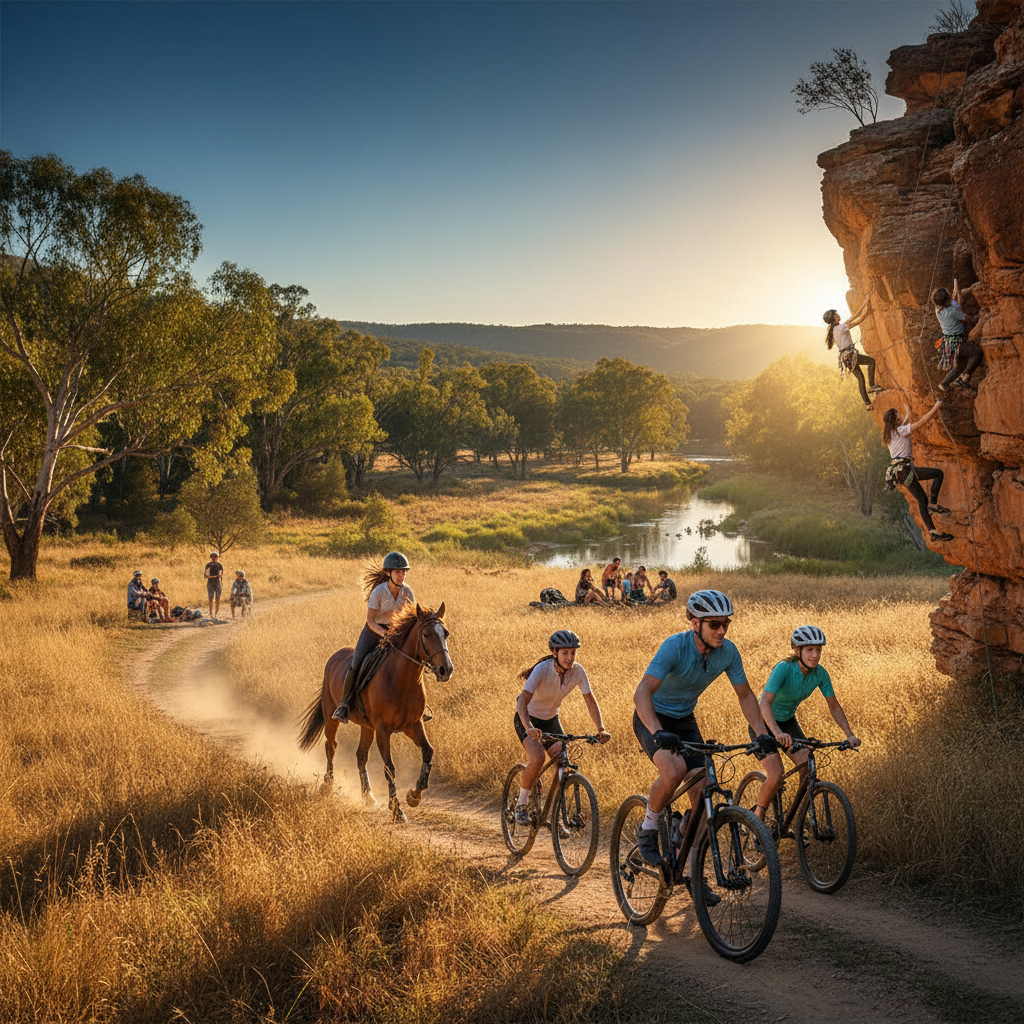
Helmet Safety & Sun Protection: The Equestrian's Essential Balance
Riding in Australia means embracing sunshine. We're blessed with long days and plenty of opportunities to be outdoors, but that same sunshine poses a significant risk, especially when you're focused on your equestrian sport. The common misconception is that a helmet is all you need. While crucial for impact protection, a standard riding helmet offers minimal sun defence. This is where the balance between safety and sun protection becomes paramount.
The Harsh Reality of the Australian Sun
We all know it – the Australian sun is intense. Even on cooler days, the UV index can soar, increasing your risk of sunburn, premature skin ageing, and even skin cancer. For equestrians, this is amplified:
Extended Exposure: Long training sessions, trail rides, and competition days mean hours spent under direct sunlight.
Reflected UV: Sand, water, and even arena surfaces can reflect UV rays, increasing your overall exposure.
Heat Stress: High temperatures combined with the insulation of a riding helmet can lead to heat exhaustion and dehydration, impacting performance and safety.
Ignoring sun protection isn't just about cosmetic concerns; it's a serious health hazard.
Why Standard Helmets Fall Short on Sun Protection
A riding helmet's primary job is to protect your head from impact. Their design prioritises ventilation and safety features, not necessarily broad-spectrum UV blocking for your face and neck. Many helmets leave significant areas of your skin exposed:
Forehead and Temples: Often directly exposed, leading to sunburn and long-term damage.
Cheeks and Nose: Particularly vulnerable to burning and the development of actinic keratoses.
Ears and Neck: Easily missed but crucial areas that require protection.
While some helmets have brims, they are typically too small to offer adequate shade against Australia's strong UV levels.
The Solution: Integrating Sun Protection with Helmet Safety
You don't have to choose between safety and sun protection. The key is to find gear that enhances both.
The Da Brim Advantage
This is where aftermarket helmet brims like Da Brim become essential for riders. Designed to be easily attached to most standard riding helmets (whether you're in paddock boots or competition boots), Da Brim significantly increases the shaded area around your face and neck. Unlike a cap underneath a helmet (which can compromise fit and ventilation, and often doesn't provide enough coverage), Da Brim integrates seamlessly with your existing headgear.
Consider this: A typical riding helmet brim might extend a centimeter or two. A Da Brim can extend up to 10cm or more, providing substantial shade.
Objections and How to Handle Them
There are always reasons people hesitate to adopt new gear. Let's break them down:
Objection 1: "Won't it look silly?" or "It's not allowed in competition."
Reality: "Looking silly" is subjective. What's more concerning is a burned nose and cheeks after a day out. Regarding competition, many equestrian disciplines are reviewing their rules or offer exceptions for sun protection. Always check your specific discipline's regulations, but increasingly, organisers understand the need for rider well-being. Furthermore, many disciplines focus on safety and uniformity, not necessarily the aesthetic of the helmet's brim. Practicality often trumps tradition when rider health is involved.
Objection 2: "It will make my helmet too hot."
Reality: This is a valid concern, but Da Brim is designed with ventilation in mind. The brims themselves are lightweight and often coloured to reflect sunlight rather than absorb it. Proper helmet fit is crucial, and a well-attached Da Brim won't obstruct the helmet's core ventilation channels. In fact, the shade provided can sometimes make you feel cooler by reducing direct solar radiation on your head.
Objection 3: "It will be a distraction or fly off."
Reality: Da Brim attaches securely to your helmet. The attachment system is designed for stability. Once correctly installed (and we have clear instructions on how to install), it's built to withstand the rigours of riding. Distraction is more likely to come from discomfort, squinting in the sun, or suffering from heatstroke.
Objection 4: "Just wear sunscreen."
Reality: Sunscreen is essential, but it's not enough on its own, especially for long rides. Sunscreen washes off with sweat, needs frequent reapplication (which is impractical mid-ride), and doesn't protect against the glare that can impair vision. Physical shade is a far more reliable and effective primary defence.
Key Features to Look For in Enhanced Sun Protection Helmets/Brits
When choosing to enhance your sun protection, consider these factors:
Brim Size & Shape: Does it offer significant overhang around your face and neck?
UV Protection Factor (UPF): While Da Brim itself is a physical barrier, the material of the brim matters. Look for materials that don't transmit UV.
Attachment Security: How does it connect to your helmet? Is it robust?
Ventilation Compatibility: Does it impede your helmet's existing airflow?
Weight: Will it add undue weight or unbalance your helmet?
Combining Helmet Safety and Sun Protection: A Practical Approach
Your helmet's safety features cannot be compromised. Any addition, like a sun brim, must be tested to ensure it doesn't interfere with the helmet's structural integrity or its ability to protect you in a fall. Aftermarket brims like Da Brim are specifically designed to be safe additions.
It's also about a holistic approach to sun safety:
The Rider's Sun Safety Checklist:
[ ] Wear a riding helmet with an adequate sun brim attachment. (e.g., Da Brim)
[ ] Apply broad-spectrum sunscreen (SPF 30+) to all exposed skin, even under the shade of your brim (ears, cheeks, neck). Reapply as needed.
[ ] Wear UV-protective riding apparel – long sleeves with UPF ratings, or at least tightly woven fabrics.
[ ] Use UV-protective sunglasses (ensure they fit under your helmet and don't pose a snagging risk).
[ ] Stay hydrated. Drink plenty of water throughout the day.
[ ] Seek shade during peak UV hours (typically 10 am to 3 pm) when not riding.
[ ] Protect your lips with SPF lip balm.
Real-World Application: A Ride in the Sun
Imagine you're heading out for a 3-hour group trail ride on a sunny Australian morning, with the UV index forecast to be high.
Your Prep Steps:
1. Helmet Check: Ensure your helmet is properly fitted. Attach your Da Brim securely, following the how to install guide. Double-check it's stable and doesn't wobble.
2. Sunscreen Application: Apply a generous amount of sunscreen to your face, neck, ears, and any other exposed skin. Don't forget your hands if they're not covered by gloves.
3. Apparel: Don your long-sleeved riding shirt or jacket. Consider riding tights or long trousers.
4. Hydration: Fill your water bottles and put them in your saddlebags or pockets.
During the Ride:
The Da Brim significantly reduces the UV hitting your face, minimising the need to squint and reducing the risk of immediate sunburn.
You'll feel less direct heat on your face and neck.
Continue sipping water regularly.
Post-Ride:
Check your skin for any missed spots and reapply sunscreen if you're staying outside. Notice the difference in how your skin feels compared to days you haven't used enhanced sun protection.
Protecting Your Investment: Helmet and Brim Care
Your helmet is a critical safety device. Treat it with care. Always store it away from direct sunlight (like inside your tack room or vehicle, not on the dashboard).
Your Da Brim also needs care. Clean it according to the manufacturer's instructions – usually mild soap and water. This ensures it remains effective and looks good.
Frequently Asked Questions
We get a lot of questions about combining headwear. For more details, hop over to our FAQ.
Here are a few common ones:
Can I wear a cap or bandana under my helmet with a Da Brim? Generally, no. Adding layers under your helmet can affect fit and ventilation, which are critical for safety. Da Brim is designed to attach directly to the helmet shell.
How long do Da Brim brims last? With proper care, they are designed for long-term use, enduring the UV and the rigours of riding.
- Are there different brims for different helmets? Da Brim offers models designed to fit a wide range of helmet types. Check our products page for specific fitting guidance.
Conclusion: Ride Smarter, Ride Safer, Ride Protected
Equestrian sports in Australia are incredible, but they demand respect for the environment, especially the sun. Don't let sun damage be the price you pay for enjoying your passion. By integrating enhanced sun protection, like the Da Brim helmet brim, with your essential riding helmet, you create a powerful defence against harmful UV rays and heat. This isn't about choosing between helmet safety and sun protection; it's about achieving both for a safer, more comfortable, and healthier riding experience. Explore our range of solutions and learn more on our products page. Ride on!
For more tips and product information, visit our blog and FAQ pages.