
Helmet Safety Doesn't Mean Sunburn: Protecting Equestrian Riders in Australia
Wearing a helmet is non-negotiable in equestrian sports. But what about sun protection? Discover practical, no-nonsense ways to keep yourself safe from both impact and Australia's harsh sun.
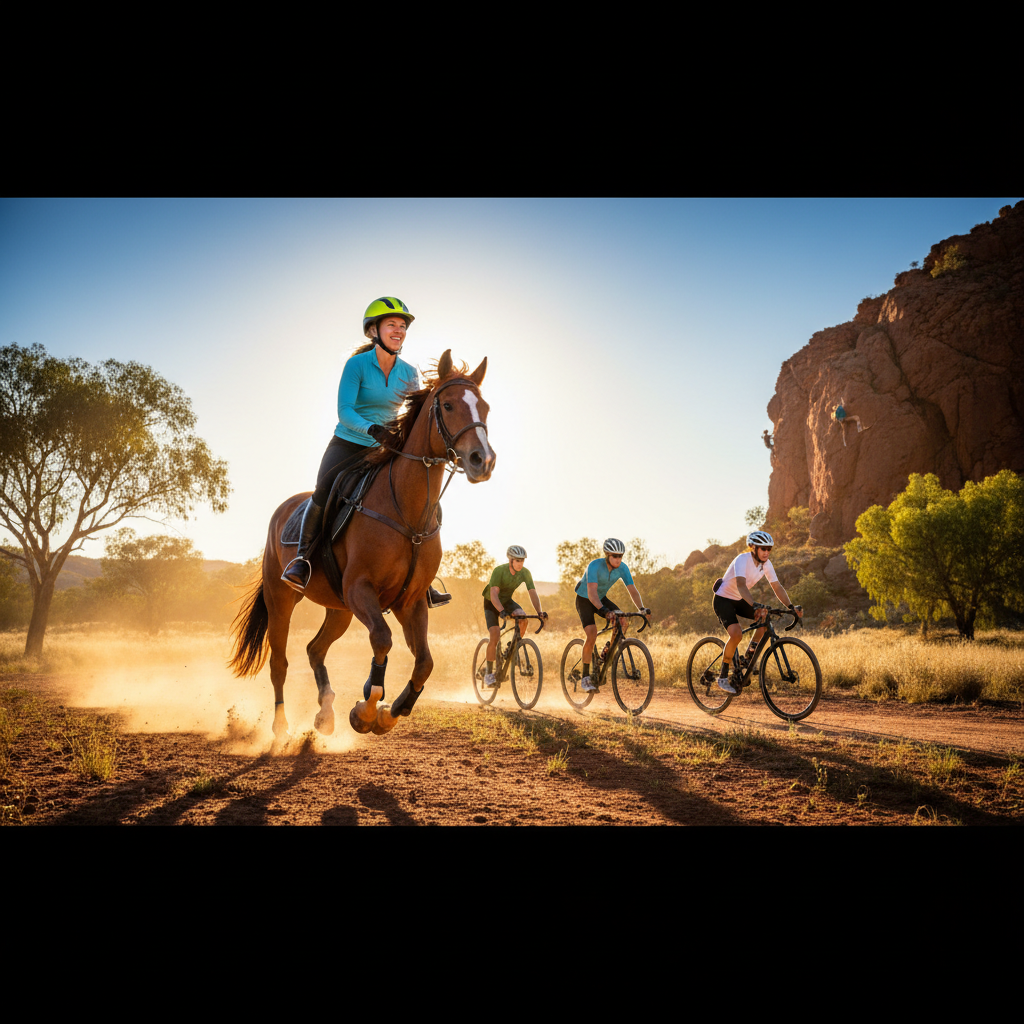
Helmet Safety Doesn't Mean Sunburn: Protecting Equestrian Riders in Australia
Let's cut to the chase. If you're in the saddle in Australia, you're exposed to some of the harshest UV rays on the planet. On top of that, you're dealing with heat that can be downright dangerous during long training sessions or even a leisurely trail ride. We all know that helmet safety is paramount. But forgetting about sun protection while you're kitted out for equestrian pursuits is a serious oversight. This isn't about fluffy marketing; it's about practical, no-BS advice for Australian riders.
The Double Whammy: UV Rays and Heatstroke
Australia's UV index routinely hits extreme levels, especially during the summer months, but even on cooler, cloudy days, UV radiation can penetrate. Long days spent outdoors, often with direct sun exposure for extended periods, mean cumulative sun damage is a real concern. We're talking premature aging, an increased risk of skin cancer, and painful sunburn that can take you out of action for weeks.
Then there's the heat. Dehydration and heatstroke are silent dangers for all outdoor workers and athletes, and equestrians are no exception. When you're focused on your horse and your performance, it's easy to ignore the early warning signs of overheating. Combine that with a helmet that can trap heat, and you've got a recipe for trouble.
Common Objections and Why They Don't Hold Up
"Helmets are hot enough as it is. Adding more sun protection will just make me sweatier."
Fair point. Helmets can get hot. But modern equestrian helmets are designed with ventilation, and there are also smart ways to manage heat. The key is to choose breathable, lightweight sun protection that complements your helmet, not hinders it. Think about strategic coverage rather than piling on layers you don't need. Your skin's health is worth a little extra thought about airflow.
"I only ride for a short time, so I don't need to worry too much."
This is where Australian conditions bite. Even 15-20 minutes of direct sun exposure can be enough to start causing damage, especially when the UV index is high. Cumulative exposure over many short rides adds up significantly. Ignoring sun protection because your rides are "short" is a gamble with your long-term health.
"I'll just wear sunscreen and be done with it."
Sunscreen is a vital part of the puzzle, but it's not a complete solution, especially for equestrians. Reapplication can be tricky when you're sweaty and far from facilities. Also, sunscreen can rub off, and it doesn't protect your eyes from glare, which can impair your vision while riding. Strategic physical barriers are essential.
"I'm not worried about how I look, just my riding."
This approach is admirable in its focus. However, sun damage isn't just about aesthetics. It's about melanoma, basal cell carcinoma, squamous cell carcinoma, and chronic skin conditions that can impact your ability to ride and live well. Protecting your skin is a practical health and safety measure, not just vanity.
Practical Sun and Heat Management for Riders
Protecting yourself from the sun and heat while riding doesn't have to be complicated or compromise your helmet's safety features. It's about smart choices and layering.
1. Your Helmet is First, But Not Last
Your helmet's primary job is impact protection. Ensure it meets current safety standards, fits correctly, and is in good condition. This is non-negotiable. Products designed for equestrian safety will always put this first.
2. Strategic Shade is Your Friend
Choose riding times wisely: If possible, avoid the peak UV hours (typically 10 am to 3 pm). Early mornings and late afternoons offer cooler temperatures and less intense sun.
Take breaks under cover: If you're out on a longer ride, seek shade wherever you can. This might be under trees, a stable awning, or even a parked vehicle.
3. Beyond Sunscreen: Physical Barriers
While sunscreen is crucial for exposed skin, physical barriers offer a more reliable and long-lasting line of defence against UV rays.
Lightweight, breathable long sleeves: Opt for UPF (Ultraviolet Protection Factor) rated clothing. These fabrics are designed to block UV rays and are often lightweight and moisture-wicking, helping with heat management.
Sun-protective riding tights/pants: Similar to tops, choose materials that offer UV protection. Long pants also prevent scrapes and sunburn on your legs.
Wide-brimmed hats (when NOT riding): For ground work, grooming, or breaks, a wide-brimmed hat is essential. Remember to take it off before putting your helmet on.
4. Head and Neck Protection - The Helmet Integration Challenge
This is where it gets tricky. You can't wear a hat under your helmet. However, there are ways to enhance protection:
Under-helmet headwear: Look for moisture-wicking skull caps or headbands made from UPF-rated material. These can cover your hairline and the back of your neck, areas often exposed even with a helmet.
Helmet brims: This is a game-changer for equestrians. A dedicated helmet brim attachment can significantly increase the shade over your face and neck. Ensure any attachment system is robust and compliant with helmet safety standards. Our Products are designed with this in mind. Learn How to Install it correctly to maintain your helmet's integrity.
5. Eye Protection: See Clearly, Protect Safely
Sunglasses: Choose sunglasses that block 100% of UVA and UVB rays. Look for wraparound styles that offer good coverage. While not worn with the helmet, they are vital for ground activities and ensure you can see clearly during your ride without squinting and straining your eyes. Be aware that strong sunlight can still cause glare, even through tinted lenses if they don't offer anti-glare coatings. Check our FAQ for more on eyewear.
6. Hydration is Non-Negotiable
This is pure heat safety.
Drink water consistently: Don't wait until you're thirsty. Sip water regularly throughout the day, even before you start riding and after you finish.
Electrolytes: For long rides or hot conditions, consider electrolyte drinks to replenish lost salts and minerals.
Cooling towels: A damp towel around your neck or forehead during breaks can make a huge difference in preventing overheating.
A Quick Checklist for Australian Riders
Here’s a simple rundown to ensure you’re covered:
[ ] Certified equestrian helmet that fits well.
[ ] UPF-rated, breathable long-sleeved riding shirt.
[ ] UPF-rated riding pants or tights.
[ ] Sunscreen (SPF 30+ or higher) for any exposed skin.
[ ] Wide-brimmed hat for use away from the horse.
[ ] Under-helmet skull cap or headband (UPF rated is ideal).
[ ] Purpose-built helmet brim for extended face/neck shade.
[ ] 100% UV blocking sunglasses.
[ ] Water bottle (filled regularly).
[ ] Electrolyte drink (optional, for long rides).
[ ] Cooling towel (optional, for intense heat).
Integrating Sun Protection with Your Helmet: A Step-by-Step Approach
Here’s how to build sun protection into your riding routine seamlessly:
Before You Ride:
1. Apply sunscreen: Cover all exposed skin – face, ears, neck, hands. Wait a few minutes for it to absorb before putting on any headwear.
2. Don your under-helmet gear: Put on your UPF skull cap or headband. This layer protects your scalp and hairline.
3. Attach your helmet brim: If you use one, ensure it’s securely attached according to instructions. This is your primary facial sun defence.
4. Put on your helmet: Ensure it sits correctly, with your chosen brim integrated.
5. Wear your UPF clothing: Long sleeves and pants first.
6. Grab hydration: Make sure your water bottle is with you.
During Your Ride:
1. Sip water regularly.
2. Be mindful of shade: Position yourself and your horse to maximise shaded areas during any breaks.
After Your Ride:
1. Remove helmet and under-helmet gear: Allow your head to cool.
2. Reapply sunscreen if needed: Especially for areas like hands or face if you’ve been sweating a lot.
3. Hydrate again.
4. Consider a cooling towel for residual heat management.
Don't Let Sunburn Derail Your Ride
Riding is fantastic. Enjoying the outdoors is part of the appeal of equestrianism. But in Australia, that enjoyment shouldn't come at the cost of your health. By integrating practical sun and heat management strategies with your essential helmet safety, you can ride longer, safer, and healthier.
Remember, proactive protection is always better than reactive treatment. Don't wait for sunburn or heat exhaustion to remind you. Invest in the right gear, make smart choices, and keep yourself protected. For more on our solutions and to browse our range of helmet brims and accessories, head to our Products page. And if you have questions, our FAQ is a great place to start, or you can always check out more tips on our Blog.