
Helmet Laws Won't Save Your Neck From Sunburn: Why Helmets Aren't Enough in the Australian Sun
Equestrian safety demands helmets, but what about sun protection? Australian UV levels are brutal. Learn why your helmet alone isn't cutting it and how to protect yourself.
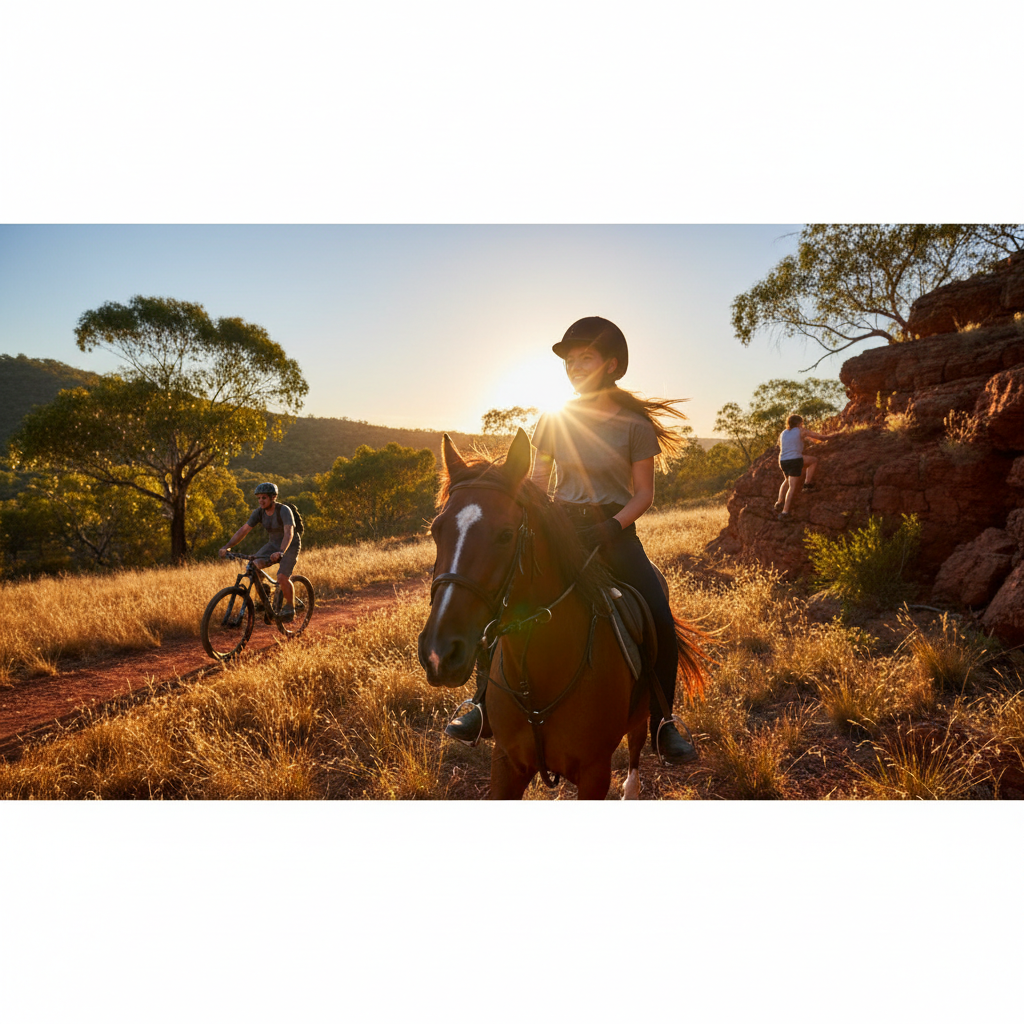
Helmet Laws Won't Save Your Neck From Sunburn: Why Helmets Aren't Enough in the Australian Sun
We all know the drill. Riding a horse in Australia means wearing a helmet. It's the law, and it's a non-negotiable for serious riders. But while we're busy ticking the safety box for impact protection, are we forgetting another deadly threat lurking in our bright, beautiful country? The Australian sun.
We’re talking about more than just a little redness. Prolonged exposure to our intense UV radiation can lead to serious health issues, including skin cancer. And for equestrians, the very gear that protects our heads from falls can leave large parts of us dangerously exposed to the sun's damaging rays.
Let's be blunt: your helmet is designed for one job – protecting your skull during a trauma. It’s not designed to be a sun shield. And frankly, for most of us, it's doing a terrible job at it.
The Australian Sun: Not Your Average Burn
Forget those mild European summers. Australia experiences some of the highest UV levels in the world. On any given sunny day, especially during spring and summer, the UV Index can soar well into the 'Very High' and 'Extreme' categories. This means that even short periods in the sun can cause significant damage. Think about your typical riding days:
Long trail rides: Hours spent in the saddle, often with minimal shade.
Agistment chores: Mucking out, gear checks, and general farm work under the open sky.
Training sessions: Whether it's dressage, showjumping, or a casual hack, you're out there.
Competitions: Often spanning an entire day, from early morning warm-ups to late afternoon events.
Your helmet’s ventilation is great for cooling, but it does nothing to block UV rays. The brim, if your helmet even has one, is usually too small, too stiff, or positioned incorrectly to offer effective shade. Meanwhile, your face, ears, neck, and even your scalp around the helmet's edge are getting fried.
The Dual Threat: Impact vs. UV Damage
It's a common misconception that wearing a helmet covers all your head-related safety needs. While a helmet is paramount for preventing serious head injuries, it's a one-trick pony when it comes to external threats. Sun damage is insidious. It's not a sudden impact; it's a cumulative assault that can have devastating long-term consequences.
Impact Protection:
Protects against skull fractures and traumatic brain injuries.
Mandatory in most equestrian disciplines and public spaces.
Designed to absorb and dissipate force during a fall.
Sun Protection:
Protects skin from UV radiation damage.
Prevents sunburn, premature aging, and significantly reduces skin cancer risk (melanoma, basal cell carcinoma, squamous cell carcinoma).
Requires broad coverage: face, ears, neck, scalp.
Your standard riding helmet, with its minimal brim and open sides, offers virtually zero UV protection for the areas it doesn't cover. This leaves a large vulnerable zone ripe for sun damage.
Objection Handling: "But My Helmet Has a Brim!" or "I Wear Sunscreen!"
We hear you. Many riders think a small helmet brim is enough, or that a good slather of sunscreen is the ultimate solution. Let's break it down:
The Helmet Brim Myth: Most riding helmet brims are designed for aesthetics and to offer minimal shade directly in front of the eyes, primarily for glare. They are rarely wide enough to shade the cheeks, temples, or ears, which are prime targets for sun damage and skin cancer. Furthermore, the stiffer, more structured brims can sometimes even concentrate sun exposure on specific areas if not perfectly positioned.
Objection: "My helmet brim shades my eyes."
Reality: Great for glare, but what about your nose, cheeks, and ears? We’re talking minutes, not hours, before those areas start burning.
Sunscreen Limitations: Sunscreen is a vital component of sun safety, no doubt. But it has its limitations, especially in demanding outdoor activities like horse riding:
Sweat and Reapplication: You sweat. A lot. Riding, especially in the heat, means sunscreen washes off. Reapplying diligently every two hours (or more often when sweating) while covered in horse hair and dirt is often impractical.
Missed Spots: It's incredibly difficult to apply sunscreen perfectly to every exposed area, every single time. The tops of ears, the hairline, the back of the neck – these are often overlooked or inadequately covered.
Effectiveness: Even the best sunscreen can be compromised by sweat, rubbing from helmets, and simply not being applied thickly enough or to all vulnerable areas. And relying solely on it means you're essentially trusting a chemical layer to protect you from one of the most potent natural forces on earth.
Objection: "I wear SPF 50+."
Reality: SPF 50+ is excellent, but it’s not magic. It means you can tolerate 50 times longer in the sun than your unprotected skin if applied perfectly and not compromised by sweat or friction. For a four-hour ride, that's still significant exposure time where reapplication is nearly impossible.
The Verdict: You Need More Than Just a Helmet
It’s time to get serious about sun protection for equestrians. Your helmet is non-negotiable for impact, but it’s not a sun protection device. Relying on just your helmet and an occasional sunscreen application in Australian conditions is a recipe for long-term skin damage. The high UV index, coupled with long days spent outdoors, demands a more robust strategy.
Practical Solutions for Sun Protection in the Saddle
So, what can you do? The good news is there are practical, effective ways to add serious sun protection without compromising your riding.
1. Broad-Brimmed Sun Hats:
This is the most obvious and effective addition. While you can't wear a large sun hat under a traditional riding helmet (it’s unsafe and defeats the purpose of the helmet), you can adopt strategies for when a helmet isn't mandatory, or use supplementary headwear designed for sun coverage.
For casual riding or non-helmet-mandated activities: A wide-brimmed hat that fits well provides excellent shade for your face, ears, and neck. Ensure it’s made of material with a high UPF (Ultraviolet Protection Factor) rating.
2. Specialized Helmet Brims:
This is where innovation meets necessity. Traditional helmets offer minimal sun coverage. However, there are now products designed to extend the sun-shading capabilities of your existing helmet. These are not just small flaps; they are carefully engineered brims that attach securely to your helmet, significantly increasing the area protected from UV rays. They are designed to work with your helmet's safety standards, not against them.
Da Brim's Promise: Products like Da Brim offer a significant extension to your helmet’s coverage. They are lightweight, attach securely, and are designed to provide shade for your face, ears, and neck. This is a game-changer for riders who need superior sun protection without compromising helmet integrity. We have solutions for various helmet types, so check out our products page to find the right fit for you.
3. Sun-Protective Clothing:
Don't forget the rest of your body. Long sleeves and pants made from lightweight, breathable, UPF-rated fabric are essential. Many equestrian brands now offer these specialised garments.
4. Sunglasses:
Good quality sunglasses that wrap around and offer UV protection are crucial for protecting your eyes and the delicate skin around them, especially when riding with a helmet that may not fully shade your peripheral vision.
5. Seeking Shade and Timing:
This is basic, but often overlooked. Schedule strenuous outdoor activities for cooler parts of the day, like early morning or late afternoon. Take breaks in shaded areas whenever possible.
Which Solution is Right for You? The Quick Guide
Here's a quick breakdown to help you choose:
| Situation | Primary Protection Need | Recommended Solution(s) | Notes |
|---|---|---|---|
| Helmet-Mandated Riding (Comp.) | Impact + Sun Protection | Helmet + Extended Brim Attachment (e.g., Da Brim) + Sun-protective clothing | Focus on augmenting helmet coverage. |
| Helmet-Mandated Riding (Leisure) | Impact + Sun Protection | Helmet + Extended Brim Attachment + Sun-protective clothing | Prioritise comfort and coverage. |
| Non-Helmet-Mandated Activities | Sun Protection | Wide-brimmed UPF hat + Sun-protective clothing | Ensure hat has good coverage. |
| General Sun Safety | Sun Protection | Sunscreen (for gaps), Sunglasses, Seek shade, Hydration, Long-sleeved clothing (UPF) |
Implementing Enhanced Sun Protection: A Step-by-Step Approach
Integrating better sun safety into your equestrian routine doesn't have to be complicated. Here's how to start:
Step 1: Assess Your Current Helmet.
Look at your helmet. How much of your face, ears, and neck does the existing brim truly shade when you're looking forward naturally? Be honest. If it's minimal, you need more.
Step 2: Research Extended Brims.
Explore products specifically designed to add substantial sun coverage to your helmet. Look for options that are compatible with your helmet type and meet safety standards. Da Brim is designed to be aerodynamic and secure.
Step 3: Installation and Fit Check.
Follow the manufacturer's instructions carefully for attaching any new gear. For helmet brim attachments, ensure they are secure and do not interfere with the helmet's fit or function. Our How to Install guide will help you get it right.
Step 4: Upgrade Your Clothing.
Invest in lightweight, long-sleeved shirts and pants with UPF ratings. This provides a second layer of defence.
Step 5: Re-evaluate Sunscreen Use.
Use sunscreen on any small exposed areas (like the very tip of your nose if a brim doesn't cover it) and as a top-up after long periods, but don't rely on it as your sole defence.
Step 6: Make it a Habit.
Just like putting on your helmet, make applying your extended brim and sun-protective gear part of your pre-ride routine.
Don't Wait for a Burn: Protect Yourself Now
Australia's sun is a beautiful, yet dangerous, part of our environment. Riders are particularly vulnerable due to the extended time spent outdoors and the specific nature of our protective gear. Your helmet is there for impact protection – it’s a life-saver. But to save your skin* long-term, you need to go further.
Ignoring sun protection is a gamble with your health. The risks of skin cancer are too high to take chances. By investing in smart, practical solutions like extended helmet brims from our products range, you can enjoy your riding more, for longer, and with the peace of mind that you're adequately protected from the harsh Australian sun.
For more information on common equestrian concerns and how to address them, visit our FAQ or explore our Blog for other helpful articles.
Ride safe, and ride sun-smart.