
Helmet Head, Sunburn & You: Why Riders & Instructors Can't Ignore UV Risk
Riding in Australia means serious sun. Learn how to protect yourself and your students from UV exposure, even with a helmet on.
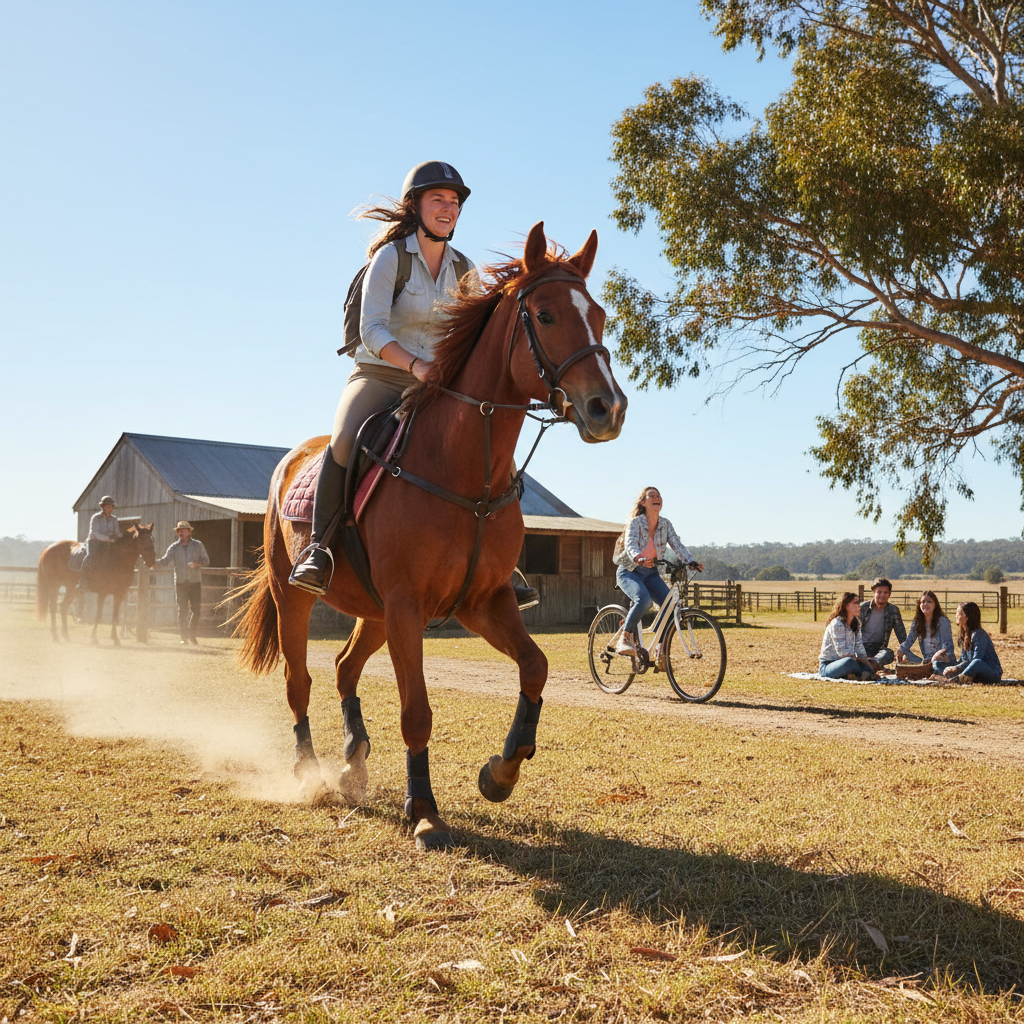
Helmet Head, Sunburn & You: Why Riders & Instructors Can't Ignore UV Risk
Australia. We love it. The open spaces, the freedom, and for many, the thrill of riding. But here in the land Down Under, we also co-exist with a persistent, and often dangerous, factor: the sun. Even with a helmet on, UV exposure is a real risk for every rider and instructor.
Think about it. You're out there, often for hours. The sun beats down. Your helmet, while vital for impact protection, isn't a complete UV shield. The gaps, the sides, the places it doesn't quite cover – that's where the damage can happen.
This isn't about scaring you. It's about being informed and taking practical steps. Because skin cancer rates in Australia are among the highest in the world, and much of it is preventable. For riders and instructors, who spend more time outdoors, the cumulative effect of sun exposure is a significant concern.
The Hidden Dangers: UV Rays and Your Skin
We talk about sunburn, the immediate, uncomfortable consequence. But the real damage from UV radiation is often invisible at first. UVA and UVB rays penetrate your skin, causing:
Premature aging: Wrinkles, leathery skin, and sunspots. Not ideal for looking your best, either in or out of the saddle.
Eye damage: Cataracts and other vision problems can develop over time.
Skin cancer: This is the big one. Melanoma, basal cell carcinoma, squamous cell carcinoma – all are linked to UV exposure. And for anyone who spends prolonged periods outdoors, the risk is amplified.
The Australian Reality
We live in a country where the UV Index often hits extreme levels, even on cloudy days. Long summer days mean extended riding sessions. And the reflective surfaces around an equestrian environment – sand, water, even light-coloured arena walls – can intensify those rays.
Your helmet, while absolutely essential, has limitations. It covers the top of your head, but what about your face? Your ears? Your neck?
Common Objections and How to Handle Them
Let's be honest, we've all heard (or thought) these things:
"I'm only out for a short ride." Even a 30-minute ride can expose you to significant UV. Cumulative exposure over years is what really counts.
"I have a dark complexion; I don't burn easily." While darker skin has more melanin, it's not immune to UV damage or skin cancer. Everyone needs sun protection.
"My helmet shades my eyes." It offers some shade, yes, but it doesn't protect the sides of your face, your ears, or your scalp if your hair is thin or you have a parting.
"Sunscreen is greasy and gets in my eyes." Modern sunscreens are much better. Finding the right one for your skin type and reapplying diligently is key.
"Rashies are too hot." Again, modern technical fabrics are designed for breathability and UV protection, keeping you cooler than you might think.
Sun Protection: It's More Than Just Sunscreen
While sunscreen is a crucial part of your sun defence, it's not the only – or even the most effective – strategy, especially for prolonged exposure. A multi-layered approach is best.
The Essential Sun Safety Checklist for Riders and Instructors
This isn't a suggestion; it's a necessity.
[ ] Seek Shade: Utilise shaded areas for tacking up, dismounting, and lessons whenever possible. Plan rides for cooler parts of the day.
[ ] Cover Up: Wear long-sleeved, lightweight, and tightly woven clothing. Look for UPF (Ultraviolet Protection Factor) rated garments.
[ ] Hat Under Lid: A lightweight, breathable hat with a wide brim (or a specific sunshade attachment for your helmet) is essential. This adds a critical layer of protection.
[ ] Sunscreen: Apply broad-spectrum SPF 50+ sunscreen to all exposed skin 20 minutes before going outside. Reapply every two hours, or more often if sweating heavily.
[ ] Sunglasses: Wear UV-blocking sunglasses that wrap around to protect your eyes and the delicate skin around them.
[ ] Headwear: Beyond a wide-brimmed hat under your helmet, consider a neck gaiter or bandana for extra protection.
[ ] Check the UV Index: Be aware of the daily UV forecast and adjust your plans accordingly.
The Helmet and Sun Protection Combo: Making it Work
Your helmet is non-negotiable for safety. But it doesn't have to mean sacrificing sun protection. The key is to integrate your sun safety measures with your helmet.
Step-by-Step: Optimising Your Sun Protection with a Helmet
1. Choose Your Base Layer: Select a lightweight, breathable hat designed to fit comfortably under your riding helmet. The goal is to provide a barrier where the helmet doesn't fully cover, like the sides and lower face.
Pro Tip: Some riders find a simple, soft cotton or moisture-wicking cap works well.
2. Consider Advanced Protection: For maximum facial and neck coverage, look for helmet brims that extend further, or attachable visors. These are designed to integrate seamlessly with safety helmets and provide excellent sun defence. Check out our Products for options.
3. Apply Sunscreen Diligently: Before you even put your helmet on, apply broad-spectrum SPF 50+ sunscreen. Pay attention to your ears, jawline, the back of your neck (where it might peek out), and any areas exposed around your helmet. Remember to reapply.
4. Accessorise Smartly: If your helmet doesn't offer full ear coverage, wear a wide-brimmed hat that extends beyond the helmet's edge, or a neck gaiter/bandana. These simple items offer substantial protection.
5. Post-Ride Check: Once you've finished riding and taken your helmet off, check your skin for any signs of redness or sun exposure. If you've been out for a long time, reapply sunscreen or moisturise with SPF.
Protecting Your Students: The Instructor's Role
As an instructor, you are a role model. Your students learn not just from your riding knowledge but also from your habits. It's your responsibility to ensure their safety, and that includes sun safety.
Educate: Talk to your students (and their parents) about the importance of sun protection. Make it a non-negotiable part of lesson preparation.
Provide Options: If possible, have spare sunscreen or hats available for students who forget.
Schedule Wisely: Plan lessons during cooler times of the day, especially during peak summer months.
Lead by Example: Always wear your own sun protection, including a helmet brim, sunscreen, and appropriate clothing.
Investing in Your Long-Term Health
Think of sun protection not as an inconvenience, but as an investment in your future health and appearance. The slight effort required today can prevent serious health issues down the line.
Our goal is to help equestrians enjoy their passion safely. We offer practical solutions designed to integrate with your riding gear, providing that crucial extra layer of protection against the harsh Australian sun. You can learn more about them on our Products page.
Frequently Asked Questions
We get a lot of questions about sun protection and helmets. Here are a few common ones:
Q: Will a helmet brim affect my helmet's safety rating?
A: Reputable helmet brims and attachments are designed to be used with certified helmets and should not compromise their safety function. Always ensure any add-on is securely fitted and designed for your specific helmet type. For specific installation guidance, see our How to Install guide.
Q: I sweat a lot. Won't sunscreen wash off?
A: Yes, sweat can reduce sunscreen effectiveness. Reapplication is crucial. Look for water-resistant formulas and always reapply after significant sweating or swimming. Applying sunscreen before you start sweating can help it bind to your skin.
Q: Are UV-rated clothing items really worth the cost?
A: If you ride regularly in Australia, the answer is a resounding yes. The long-term benefits of preventing sun damage and skin cancer far outweigh the initial cost. Consider it an essential piece of riding apparel.
For more on common queries, visit our FAQ.
Final Thoughts
Riding in Australia is fantastic. But it comes with sun exposure risks that cannot be ignored, even with a helmet. By implementing a comprehensive sun safety strategy, you protect yourself and set a positive example for others. Don't let helmet head and sunburn be the price you pay for enjoying your time in the saddle. Prioritise your skin health. Explore our range of Products designed for riders to enhance your sun protection. For more tips and stories, check out our Blog.
Stay safe, ride smart, and protect your skin!
This content is for informational purposes only and does not constitute medical advice. Always consult with a healthcare professional for any health concerns.