
Helmet Hats: Road vs. Gravel Cycling Sun Exposure – What's the Real Difference?
You're a cyclist, so you know the sun is your friend and foe. But does it hit you harder on the open road than rattling over gravel? Let's break down sun exposure for helmet wearers in Australia.
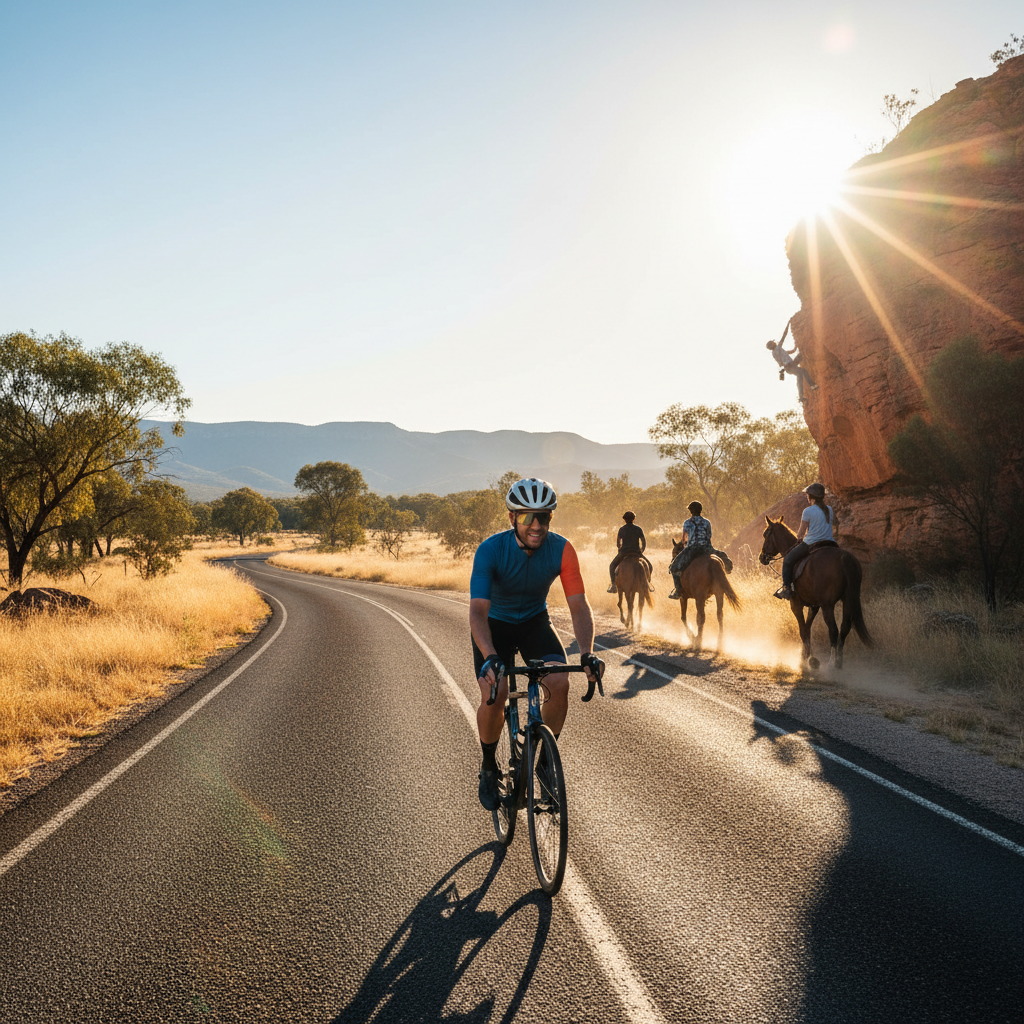
Australians love the outdoors, and cycling is a massive part of that. Whether you're pounding the bitumen on a road bike or kicking up dust on a gravel track, you're exposed to the sun. As a helmet wearer, you’re already doing the most important thing for safety. But when it comes to sun exposure, are road cycling and gravel cycling truly different beasts? Let’s get practical.
The Australian Sun: No Joke
Before we dive into cycling types, let's be clear: the Australian sun is intense. Our UV Index often hits ‘Extreme’ or ‘Very High’ for large parts of the year, especially during summer. Long days mean more time in the elements. High temperatures can lead to dehydration and heatstroke, compounding the risks of sun exposure like sunburn and long-term skin damage. This isn't Queensland in January, it's anywhere in Australia, anytime the sun is up.
So, what's the difference when you're on your bike?
Road Cycling and Sun Exposure
On the road, you're often moving faster. This means:
More direct sun: Open roads, minimal overhead cover (trees, buildings). You’re often right in the firing line.
Higher speeds: While wind can cool you, it also means you're potentially moving through more concentrated UV radiation at a faster rate.
Longer stretches: Road rides frequently involve covering significant distances on open roads, meaning prolonged, uninterrupted sun exposure.
Reflective surfaces: Roads themselves, particularly new asphalt or light-coloured surfaces, can reflect sunlight, adding to the UV dose you receive.
Gravel Cycling and Sun Exposure
Things get a bit nuanced off-road:
Variable Cover: Gravel routes often take you through more varied terrain. This can mean stints under tree cover, through narrow forest tracks, or along dusty farm roads. This breaks up the direct sun exposure, offering natural shade.
Lower average speeds: While you can put in bursts of speed on gravel, the technical nature of the terrain generally leads to lower average speeds compared to road cycling. This might mean you spend less time in a single patch of intense sun, but it also means slower cooling.
Dust and Light Scattering: Dust kicked up from the road or surrounding environment can scatter sunlight. While not a major UV factor, it can contribute to glare and make your eyes work harder. The indirect nature of shaded sections is a big plus.
The Sneaky Truth: It's Often Similar
Here's the unvarnished truth: while the type of exposure might differ slightly, the risk is often just as high, if not higher, for gravel cyclists.
Why?
1. Ignorance is not bliss: Many gravel riders assume the shade breaks mean they're fine. They might skip sunscreen for shorter gravel loops, thinking they're out of the sun's reach. Big mistake. The 'break' is temporary.
2. The Australian sun finds a way: Even when you're under partial shade, UV rays can penetrate. Think of dappled light – it still means UV is getting through.
3. Longer exposure in some conditions: While gravel can offer shade, many popular gravel routes are also quite open and exposed, similar to road routes, just with a bumpier ride. If you're doing a long bikepacking trip on gravel, you're still looking at hours upon hours of potential sun.
4. Heat exhaustion on technical terrain: Lower speeds on gravel can mean less airflow. Combined with the physical exertion of navigating tough terrain, you can overheat faster. This makes you more susceptible to the ill effects of sun exposure, even if you feel less sunbaked.
The bottom line: Don't get complacent off-road. The sun doesn't care if you're on smooth tarmac or washboard gravel.
Why Your Helmet is Key (And How to Make it Better)
Your helmet is your primary protection. It guards your skull, your most vital organ. But what about your face, neck, and ears when you're cycling?
Standard cycling helmets, especially road helmets, are designed for ventilation but often leave your face, neck, and ears exposed to direct sun. This is where accessories come in. We've developed products specifically for helmet wearers because we know the risks are real.
Our helmet brims, for instance, attach directly to your helmet. They extend the shade provided by your helmet, offering crucial protection to your face and eyes without compromising airflow or safety.
Table: Sun Exposure Comparison (Helmet Wearer)
| Feature | Road Cycling | Gravel Cycling | Impact on Sun Exposure |
|---|---|---|---|
| Terrain | Paved, open roads, minimal natural cover | Mixed (gravel, dirt, grass), often with tree cover | |
| Speed | Higher average speeds, consistent airflow | Lower average speeds, variable airflow | Road: faster exposure. Gravel: slower cooling, potential for prolonged exposure in shady spots |
| Shade | Little to no natural shade | Variable, intermittent shade from trees/terrain | Gravel offers breaks, but direct sun can still be intense during open stretches. |
| Reflectivity | High from road surface | Lower (dust, dirt, grass) | Road glare can add to UV load. |
| Overall Risk | High due to direct, prolonged exposure | High due to complacency & intermittent exposure | Both require robust sun protection. |
Handling Objections: "I Don't Need That!"
We hear it all the time. Here's the reality:
Objection: "I only ride for an hour. My skin is tough."
Reality: Cumulative sun exposure is the killer. Even short rides, done regularly, add up for skin damage, premature aging, and increased skin cancer risk. An hour at 11 am on a clear summer day in Australia is significant UV.
Objection: "Sunscreen is enough."
Reality: Sunscreen is vital, but it’s not foolproof. It wears off, sweat washes it away, and it's hard to apply perfectly to all exposed areas (ears, neck, scalp line). Plus, it doesn't protect your eyes from glare well.
Objection: "A brim will make me look silly / I don't like the look."
Reality: Function over fashion when it comes to health. Serious cyclists know that protection is paramount. Our brims are designed to be functional and unobtrusive. You'll thank us when you're not squinting or sporting a scorched neck.
Objection: "I don’t ride in the middle of the day."
Reality: UV rays are strong throughout the day, even early morning and late afternoon, especially in summer. Don't underestimate dawn or dusk rides for accidental burns.
Practical Sun Safety Checklist for All Cyclists
Whether you're hitting the road or the trails, this is non-negotiable:
Helmet First: Always wear a certified helmet. It’s your primary safety gear.
The Right Gear: Wear UPF-rated clothing. Long sleeves, leggings. Even on warm days, this is often cooler than trying to deal with sunburn.
Sunscreen: Apply broad-spectrum SPF 50+ sunscreen liberally to all exposed skin (face, neck, ears, back of hands). Reapply every two hours or after heavy sweating.
Eye Protection: Sunglasses that block 100% of UV rays are crucial to prevent glare and long-term eye damage.
Headwear Boost: Consider adding a helmet brim for extra facial and neck shade. This is a game-changer for comfort and protection. Check out our range of Products.
Hydration: Drink plenty of water. Dehydration makes you more vulnerable to heatstroke and sun exhaustion.
Timing: If possible, avoid peak UV hours (typically 10 am to 3 pm). Plan your rides accordingly.
Step-by-Step: Maximising Your Helmet's Sun Protection
It’s not just about slapping on a helmet. It's about optimising it.
Step 1: Assess your current helmet. Does it offer good coverage? Are there large gaps where the sun hits your face or neck directly?
Step 2: Consider a helmet brim. Think of it as adding an extension to your helmet’s natural shade. This is where our Products come in. They're designed to integrate seamlessly.
Step 3: Installation is Key. If you get a brim, make sure it's installed correctly. Check out our guide on How to Install. A secure brim stays put and provides consistent shade.
Step 4: Integrate with other protection. Your brim is part of a system. It works with your sunscreen, sunglasses, and clothing. Don't think of it as a standalone solution.
Step 5: Regular Checks. Even with a brim, check for sunburn on your ears or the back of your neck, especially on long rides. The sun angle changes.
The Deeper Dive: Long-Term Health
We're not just talking about a red nose for a few days. Excessive sun exposure leads to:
Premature skin aging: Wrinkles, leathery skin, sunspots.
Increased risk of skin cancer: Melanoma and non-melanoma skin cancers are a significant threat, and Australia has one of the highest rates globally.
- Eye damage: Cataracts, pterygium, and photokeratitis (sunburn of the cornea).
Your cycling passion shouldn't lead to a health crisis. Taking proactive steps, especially regarding sun safety, is a sign of an intelligent rider.
Conclusion: Be Smart, Stay Protected
Road cycling and gravel cycling both expose you to the harsh Australian sun. While gravel might offer intermittent shade, complacency is a major risk. The best approach is always to assume maximum exposure and protect yourself accordingly.
Your helmet is your foundation of safety. Enhance its protective capabilities with practical accessories like helmet brims, and couple this with diligent sunscreen use, appropriate clothing, and timely riding. Don't let the sun beat you. Ride smart, ride safe, and enjoy the journey, no matter the surface.
Got more questions? Our FAQ page has answers, or browse our Blog for more cycling insights. Remember, the right gear makes all the difference. Check out our Products page for solutions designed for helmet wearers like you.