
Helmet Brims and Aerodynamics: Busting the Myths for Australian Cyclists
Stop worrying about your helmet brim killing your speed. We cut through the aero myths and focus on what really matters for Australian cyclists: sun protection and comfort. Learn how a brim can actually enhance your ride.
Helmet Brims and Aerodynamics: Busting the Myths for Australian Cyclists
Let's get one thing straight: if you're worried about the minute aerodynamic impact of a helmet brim on your cycling speed, you're likely missing the bigger picture, especially when you're out there pounding the Australian bitumen.
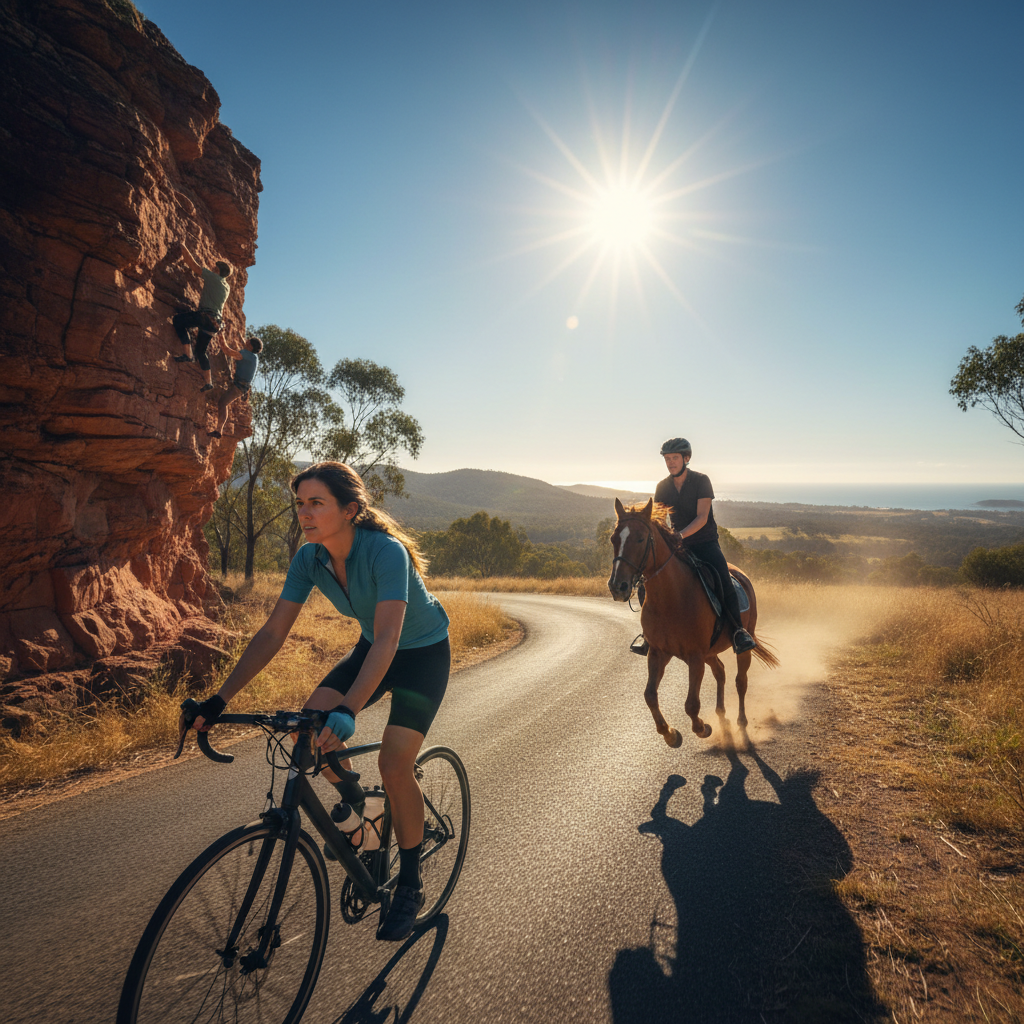
We're talking about cycling under that harsh Aussie sun, where the UV index can rocket, the heat can be oppressive, and long days in the saddle demand practical solutions. Forget the pro peloton wind tunnel tests for a moment. For ninety-nine percent of us, the real enemy isn't a slight drag from a brim; it's sunburn, glare, heat exhaustion, and sunstroke.
This isn't about shaving milliseconds off your Strava segment. It's about making your ride safer, more comfortable, and frankly, more enjoyable, in a country where the sun isn't your friend without adequate protection.
The Aero Myth: Why It's Mostly Noise
The argument against helmet brims often centres on aerodynamics. The idea is that anything sticking out from your helmet creates drag, slowing you down. While technically true in a vacuum or a controlled wind tunnel environment, the real-world impact for the average cyclist is negligible. Let's break it down:
Body Position Matters More: Your torso, arms, and legs create vastly more drag than a small brim. Think about how you hold your body while riding. Lowering your head, tucking your elbows – these postural changes have a far greater aerodynamic effect than a brim.
Speed vs. Drag: Aerodynamic drag increases exponentially with speed. If you're cruising at 20-25 km/h on a recreational or commute ride, the difference a brim makes is microscopic. If you're racing professionally and pushing 50+ km/h in a time trial, then yes, every little bit counts. But for most of us, that’s not the reality.
Wind Tunnel vs. Real World: Wind tunnel tests are done under specific, controlled conditions. On the road, you encounter buffeting winds, gusts, and varying terrains that make these precise measurements less relevant to your day-to-day cycling.
Essentially, obsessing over the aero penalty of a brim is like worrying about the weight of your water bottle caps when you're tackling a mountain. Focus on the substance, not the microscopic details.
The Real Benefits: Why Brims Win in Australia
Now, let's talk about why a helmet brim is a game-changer for Australian cyclists, especially under our unique solar conditions.
1. Superior Sun Protection
This is the big one. Australia has some of the highest UV levels in the world. Prolonged exposure without protection leads to:
Sunburn on the Face and Neck: Ouch. Nothing ruins a ride faster than a painful burn that peels for days.
Eye Strain and Glare: Squinting into the sun is not only uncomfortable but also dangerous, as it can impair your vision and reaction time. A brim acts like a built-in sun visor.
Long-Term Skin Damage: We're talking premature aging and increased risk of skin cancer. Your face and neck are constantly exposed.
A brim, even a small one, casts a crucial shadow over your forehead and eyes. Combined with good quality sunglasses, it significantly reduces direct UV exposure to these sensitive areas.
2. Enhanced Comfort
Reduced Glare: As mentioned, less squinting means more comfortable riding. You can focus on the road, the scenery, and your effort without being blinded by the sun.
Keeps Sun Off Your Forehead: No more sweaty, sunburnt forehead dripping into your eyes. This is especially important on long rides or during commutes when you might be sweating already.
3. Protection from the Elements (Beyond Sun)
Light Rain: While not a raincoat, a brim can deflect the worst of light rain or drizzle from your eyes.
Low-Lying Branches: On trails or overgrown paths, a brim can offer a small buffer against low-hanging branches.
Practicality Over Perfection: What to Look For
When choosing a helmet with a brim, consider these points:
| Feature | Importance for Australian Cyclists |
|---|---|
| Brim Size | A moderate size offers good shade without being overly obtrusive. |
| Brim Material | Flexible yet durable to withstand knocks and weather. |
| Helmet Fit | Crucial for safety and comfort. The brim should not interfere. |
| Ventilation | Essential in Australian heat to keep your head cool. |
| Visibility | Ensure the brim doesn't create blind spots when turning your head. |
Are All Brims Equal? Designing for Performance and Protection
Not all helmet brims are created equal. Many modern helmet designs, particularly those aimed at commuting or adventure cycling, incorporate brims that are specifically engineered to balance protection with minimal aerodynamic compromise. These are often smaller, more integrated, and designed with subtle curves that aim to smooth airflow rather than disrupt it.
For those looking for enhanced sun protection specifically, dedicated brims designed for cycling helmets are available. These are often attachable and adjustable, allowing you to fine-tune the coverage. We offer a range of Products designed to integrate seamlessly with your existing helmet, providing superior sun and glare protection without compromising your ride.
How to Install Your DA BRIM (Example)
If you're considering an attachable brim, installation is usually straightforward. Here's a general guide – always refer to the specific instructions for your brim:
1. Clean Your Helmet: Ensure the area where the brim will attach (usually the front rim of the helmet) is clean and dry to ensure good adhesion.
2. Position the Brim: Align the brim with the front edge of your helmet. Most attachable brims are designed to sit flush.
3. Secure the Brim: This often involves adhesive strips or a Velcro system. Press firmly to ensure a secure fit.
4. Test the Fit: Gently try to pull the brim away from the helmet to confirm it's securely attached. Ensure it doesn't obstruct your vision or the helmet's function.
For detailed instructions specific to our DA BRIM line, check out our How to Install guide.
Common Objections and Real-World Answers
Objection 1: "A brim will make my helmet look silly/un-aerodynamic."
Answer: Does looking a bit less like a pro racer mean you'll get sunstroke? In Australia, the risk of sun-related injury is far more pressing than perceived aesthetics. Plus, many modern helmets with integrated brims look perfectly sharp and are designed with aesthetics in mind.
Objection 2: "It will catch the wind and blow my head around."
Answer: Again, for the vast majority of cyclists, especially at reasonable speeds, this is simply not a significant issue. A well-designed brim is not a sail. If you're experiencing your brim being a major aerodynamic hindrance, it's likely poorly fitted or perhaps you're comparing yourself to elite time trialists. See our FAQ for more on this.
Objection 3: "My sunglasses are enough."
Answer: Sunglasses are vital, but they don't protect your forehead or the tops of your cheeks from direct sun. A brim complements your sunglasses, offering a broader shield and preventing glare from above and sides. On a long ride in the midday sun, you’ll appreciate the extra layer of protection.
Australian Cycling: Sun is Your Constant Companion
Whether you're commuting across the city, tackling some trails, or going for a long weekend road ride, you're going to encounter the Australian sun. It's relentless, especially during spring and summer. The days can be long, meaning hours of exposure.
UV Index: Always check the UV index. If it's 3 or higher, sun protection is recommended. In many parts of Australia, it regularly hits 10-11 in summer.
Heat: High temperatures combined with direct sun can lead to heatstroke. Keeping your head and face shaded helps regulate your body temperature.
Reflective Surfaces: Roads and water can reflect sunlight, increasing your overall exposure. A brim provides a crucial buffer.
Conclusion: Prioritise Your Health and Comfort
For Australian cyclists, the decision to use a helmet brim should be an easy one. The practical benefits for sun protection, glare reduction, and overall comfort far outweigh any theoretical, minuscule aerodynamic penalty for most riders.
Don't let myths about aerodynamics dictate your safety. Invest in a helmet with a suitable brim, or consider an attachable option like DA BRIM, to ensure you can enjoy your rides safely and comfortably, no matter how strong the Aussie sun gets.
Want to learn more about maximising your cycling experience in Australia? Check out our Blog for more practical tips and advice.