
Helmet Brim vs. Neck Flap: Your Ultimate Sun Protection Showdown
Tired of the sun blazing down while you're on your bike, mower, or worksite? This guide pits helmet brims against neck flaps, helping you choose the best sun protection for Australian conditions.
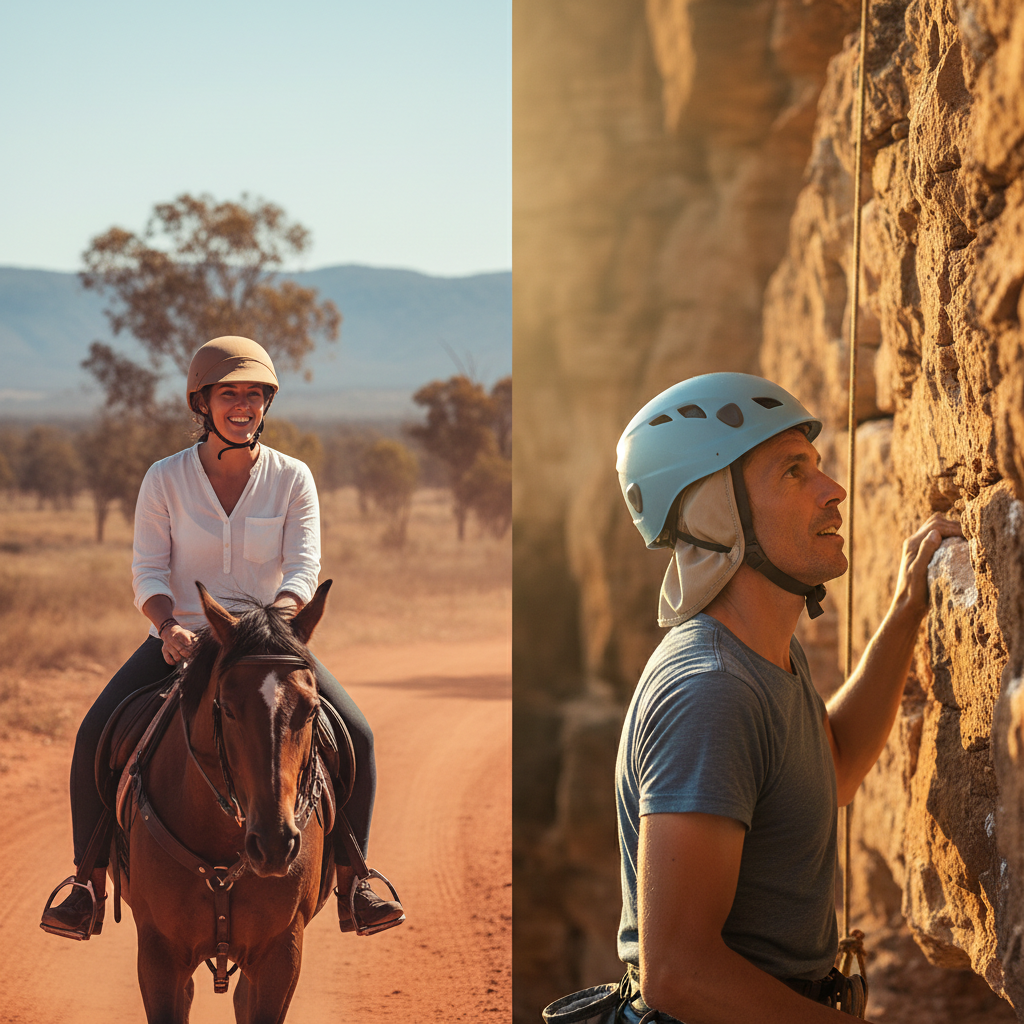
Helmet Brim vs. Neck Flap: Your Ultimate Sun Protection Showdown
Australia. Beautiful one day, potentially burnt the next. We all know the drill: strong UV, long sunny days, and temperatures that can bake you. When you're out there – whether on a bike, at a construction site, on the farm, or just tackling the backyard mowing – keeping that harsh sun off your head and neck is critical. But what’s the best way to do it when you’re already wearing a helmet?
Two popular options come to mind: the helmet brim extension (like our DA BRIM) and the traditional neck flap. They both aim to shield you from the sun, but they do it in very different ways, and one is likely to be more effective for your needs. Let's break it down, no fluff, just the practical facts for Aussie conditions.
The Problem: Sun on Your Head and Neck
Your head and neck are prime real estate for sunburn. The scalp, ears, and back of the neck are often exposed, even when you're wearing a helmet. This isn't just uncomfortable; it's a serious UV risk that can lead to premature aging, sunspots, and a significantly increased chance of skin cancer over time. In Australia, with our consistently high UV Index, this is not a minor concern.
Helmets are essential for impact protection, but most standard designs leave significant areas of your head and neck vulnerable to direct sun exposure. This is where accessories come in.
The Contenders: Helmet Brim vs. Neck Flap
1. The Helmet Brim Extension (e.g., DA BRIM)
Think of this as an add-on that attaches to the front of your helmet, creating a much wider and deeper brim than most helmets come with. It extends forward and often to the sides, creating a significant shadow over your face, ears, and depending on the design, even the upper part of your neck.
Pros of a Helmet Brim:
Direct Face and Eye Protection: The primary benefit is the shade it casts directly in front of you. This reduces glare, protects your eyes, and shields your forehead and the bridge of your nose from direct UV rays.
Extended Shadow: A good brim can cast a shadow far enough forward to cover your entire face, even when the sun is high or at an angle. This is crucial for reducing squinting and eye strain.
Potential for Side/Upper Neck Coverage: Some designs offer a wider profile, providing shade to your ears and the top of your neck.
Reduces Heat on the Face: By blocking direct sun, it can make a noticeable difference in how hot your face feels.
Easy to Install (Usually): Products like DA BRIM are designed for straightforward attachment, often with clip-on mechanisms.
Cons of a Helmet Brim:
Limited Lower Neck Coverage: No matter how wide, a brim primarily protects what’s in front of it. The back of your neck, especially low down, can still be exposed.
Can Affect Aerodynamics/Wind: A wider brim can catch more wind, which might be a minor annoyance at higher speeds.
Storage: While some are foldable, they add a bit more bulk when not in use.
2. The Neck Flap
This is typically a fabric extension that attaches to the back and sides of your helmet, designed to hang down and cover the back and sides of your neck.
Pros of a Neck Flap:
Excellent Back and Side Neck Coverage: This is their main job, and they do it well. If you're primarily worried about sunburn on the back of your neck (a common and painful spot), a neck flap is effective.
Full Coverage: Combined with the helmet’s inherent protection, they offer good all-round defence for the lower head and neck.
Lightweight and Flexible: They generally don't add much weight or bulk and are made of breathable fabric.
Cons of a Neck Flap:
No Face or Eye Protection: Crucially, a neck flap offers zero protection for your face, eyes, or forehead. The sun beating down on your face will remain an issue.
Can Be Flimsy in Wind: In breezy conditions, they can sometimes get blown around or get in the way.
Heat Retention: Depending on the fabric and how it fits, some neck flaps can trap heat around your neck, which is less than ideal in hot Aussie weather.
Aesthetics: Some users find them less visually appealing than a sleeker brim.
The Showdown: Which is Better for You?
This isn't about declaring a single winner. It's about understanding where each excels and choosing the right tool for your specific job and risk profile under the Aussie sun.
Consider the UV Index: When the UV Index is hitting 7 or above (which is typical in many parts of Australia for large chunks of the year, especially during daylight saving), comprehensive protection is non-negotiable. A high UV index means the sun's rays are strong and can cause damage quickly.
Think About Your Activity:
Cycling (Road/MTB): You're exposed for extended periods, often with your head tilted forward. Glare and sun on your face and eyes are major issues. A wider helmet brim extension is generally superior here. It shields your face and eyes, reducing fatigue and improving visibility. While it won’t cover the very bottom of your neck, the protection for your face is paramount.
Construction/Outdoor Work: You might be looking up, down, and all around. The back of your neck can get cooked easily, as can your ears and forehead. You need protection that doesn't impede your vision or neck movement. A combination approach or a system that offers significant front and rear coverage could be best. Some brims offer good side coverage, and if not, a neck flap can supplement. However, the direct face protection of a good brim is hard to beat for reducing discomfort and glare.
Gardening/Mowing: You might be closer to the ground, but the sun's angle can still be brutal on your face and neck. Neck exposure is often significant here. A neck flap offers great relief for the back of the neck, but if your face is getting blasted, a brim will be more effective.
Farming/Rural Work: Similar to construction, you need robust protection for various tasks. Extended hours mean cumulative sun exposure. Again, a good brim offers superior face and eye protection, and a neck flap can add crucial coverage for the back of the neck.
The Australian Conditionals: Heat and Long Days
Let's talk about the heat. Australia gets hot. Very hot. Any accessory that traps heat unnecessarily can make your situation worse. Many modern helmet brims, like DA BRIM, are designed with ventilation in mind and use lightweight materials that don't add significant heat.
Neck flaps, if made of thicker fabric or if they fit too snugly, can feel like a furnace on the back of your neck. This is something to watch out for. Breathability is key.
And then there are the long days. Sunrise to sunset can mean prolonged exposure. We're not talking about a quick dash to the shops here; we're talking about hours under that potent Australian sun. Over these extended periods, even moderate UV exposure adds up. This is where reliable, effective sun protection becomes a health imperative, not just a comfort choice.
Can You Combine Them?
Yes, you absolutely can, and for some, this is the ultimate solution for maximum protection. Imagine a helmet with a wide, effective brim extension and a lightweight, breathable neck flap. You get:
Maximal Face & Eye Shade: From the brim.
Maximal Neck Coverage: From the neck flap covering the back and sides.
This approach offers the most comprehensive defence against UV rays when you're out for extended periods in high UV conditions.
Key Features to Look For
When choosing, consider these practical points:
UV Protection Factor (UPF) of Fabric: While not always explicitly stated for brims and flaps, the material matters. Darker, denser fabrics generally offer better UV blocking. For brims, the primary protection is the shade cast.
Coverage Area: How far does it extend? Does it cover your ears? The back of your neck? Your entire face?
Attachment Method: Is it secure? Easy to put on and take off? Does it damage your helmet?
Ventilation: Crucial for comfort in hot weather. Does it block airflow or allow it?
Durability: Will it withstand the rigours of your work or sport?
Compatibility: Does it fit your specific helmet model? (This is especially important for bolt-on or clip-on accessories).
Quick Comparison Table
| Feature | Helmet Brim Extension (e.g., DA BRIM) | Neck Flap |
|---|---|---|
| Face/Eye Shade | Excellent | None |
| Forehead Shade | Excellent | None |
| Ear Shade | Good (depends on design) | Good (sides) |
| Back Neck Shade | Limited/None (depends on design) | Excellent |
| Side Neck Shade | Moderate (depends on design) | Good |
| Heat Retention | Minimal (if well-ventilated) | Can be moderate to high |
| Wind Impact | Can be noticeable | Can be noticeable/annoying |
| Visibility | Generally excellent | Can sometimes obscure vision |
Checklist: Which is Right for You?
Ask yourself these questions:
*What part of my head/neck gets burnt the most? (Face? Back of neck? Ears?)
What activities put me at risk? (Cycling? Tradie work? Gardening?)
How important is glare reduction for my eyes?
How much direct sun protection is essential for my face and forehead?
How important is covering the very nape of my neck?
Am I concerned about heat buildup?
- Do I need something that won't interfere with airflow or vision?
If your primary concern is shielding your face and eyes from direct sun, glare, and heat, a quality helmet brim extension like DA BRIM is likely your best bet for direct protection. If your biggest problem is a burnt or sore back of the neck and you don't experience much facial sun issue, a neck flap will target that specific problem.
For optimal protection against the intense Australian sun, especially during longer outdoor sessions, consider the power of combining a good brim with a neck flap, or choosing a brim extension designed for maximum coverage.
Installing Your Protection: A Quick Guide
If you opt for a helmet brim extension, installation is usually straightforward. For devices like DA BRIM, the process is designed to be tool-free and quick.
General Steps for Installing a Helmet Brim Extension (e.g., DA BRIM):
1. Identify Attachment Points: Look at your helmet's edge where the brim will connect. Most helmets have a rim or specific indentations that accessories are designed to grip.
2. Align the Brim: Position the brim over the front of your helmet, ensuring it’s centred and aligned correctly.
3. Secure the Clips/Straps: For clip-on systems, gently push the clips onto the helmet rim until they engage. Ensure all clips are firmly attached.
4. Test Stability: Gently tug on the brim to ensure it's secure and won't detach during use. Check it doesn't obstruct your vision or movement.
For specific instructions tailored to your helmet and the product you choose, always refer to the manufacturer's guide. You can find detailed installation steps for DA BRIM on our How to Install page.
The Bottom Line
The Australian sun demands respect. When wearing a helmet, don't let it become a source of sunburn by leaving you exposed. A helmet brim extension offers superior direct protection for your face and eyes, tackling glare and heat. A neck flap excels at protecting the back of your neck. For many of us in Australia, facing relentless UV, the best solution might be a comprehensive one – either a brim that offers extended wrap-around coverage or a combination of a brim and a neck flap.
Invest in your skin. Protect yourself properly. Explore your options, and choose the solution that best fits your needs and keeps you safe under our powerful sun. Check out our range of helmet accessories at Products or head to our FAQ if you have more questions. For more tips on staying safe outdoors, visit our Blog.
Stay cool, stay protected, and enjoy the outdoors responsibly.