
Helmet Brim Up: Road vs. Gravel Cycling Sun Exposure
Don't get burnt. Learn how road and gravel cycling expose you to the sun differently and how to protect your head and face.
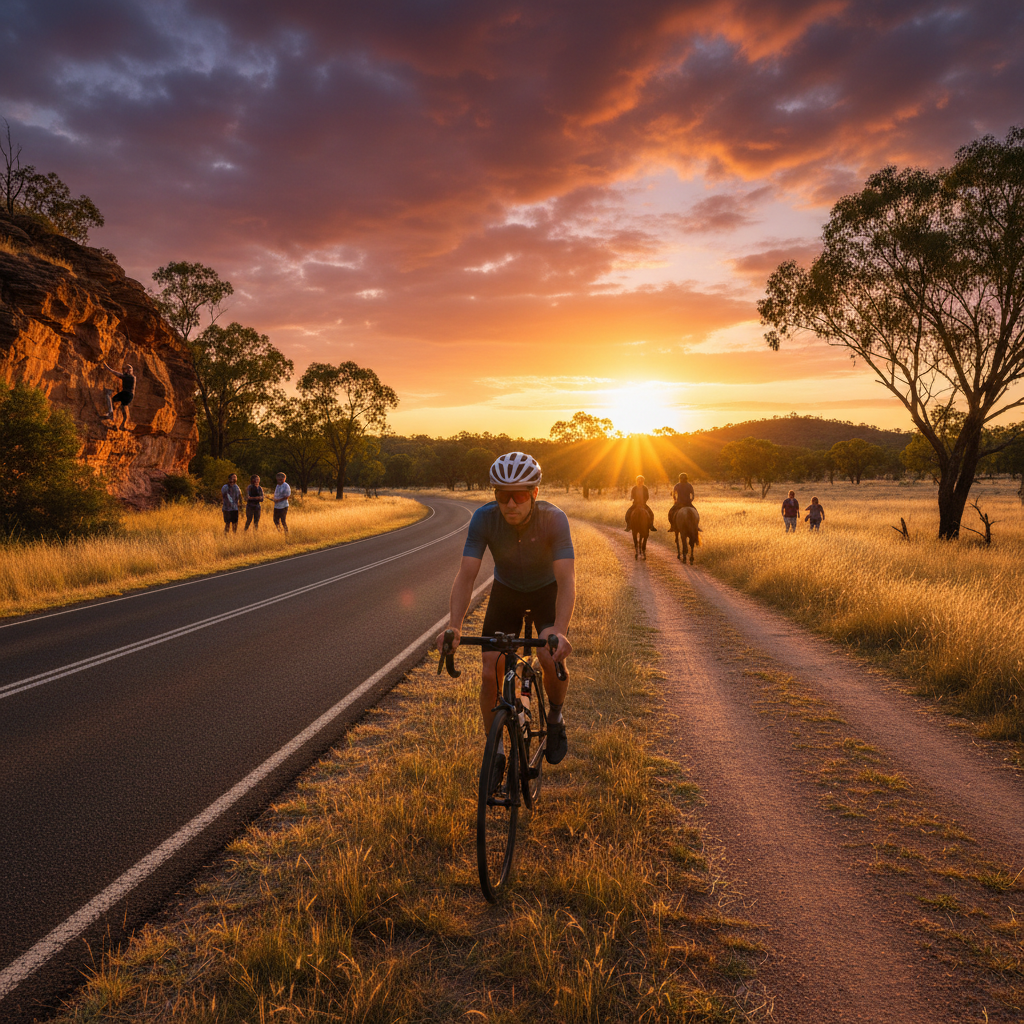
Helmet Brim Up: Road vs. Gravel Cycling Sun Exposure
Australia's sun is no joke. Whether you're carving up the tarmac or kicking up dust on the gravel, sun exposure is a constant battle. And for cyclists, especially those who throw on a helmet, it's a nuanced one. You might think sun protection is the same for all cycling, but the reality is, road and gravel cycling present unique sun exposure challenges.
This isn't about style. This is about practical, no-nonsense sun protection for your noggin and your face. We'll break down the differences, tell you what to look out for, and most importantly, how to stay protected.
The Big Picture: Why Sun Exposure Matters on a Bike
Before we get into the nitty-gritty of road versus gravel, let's hammer home why this is crucial. The UV index in Australia can be extreme, even on cloudy days. Long hours spent outdoors, especially between 10 am and 3 pm, mean cumulative sun damage is a real concern. We're talking about premature ageing, sunspots, and more seriously, skin cancer. Your scalp, ears, and face are prime real estate for this damage.
Helmets are essential safety gear, but they can also create specific sun exposure patterns. Without adequate protection, the areas not covered by a helmet can be brutally exposed. And sometimes, even the covered areas get their fair share of rays bouncing off the helmet's surfaces or seeping through vents.
Road Cycling: The Sun's Direct Line
Road cycling often involves long stretches of open road, with minimal natural shade. Think of those iconic Aussie coastal roads or the vast agricultural plains. Here's how sun exposure differs:
Direct Overhead Sun: More often than not, you're directly under the sun for extended periods. The sun can beat down on your helmet and radiate heat. Depending on your helmet's design, this radiation can still transfer heat to your scalp. If you've got a helmet with large vents, the sun can also shine directly through, hitting your scalp.
Glaring Sun: Coming into the sun from shade, or riding into the setting sun, creates intense glare. This can make it hard to see, and sunglasses are vital, but your eyes aren't the only thing affected. The light still reflects off surfaces, increasing overall ambient light exposure to your face and neck.
Reflection from Road Surface: Asphalt can reflect a surprising amount of UV radiation back upwards, further increasing exposure to your face and the underside of your chin if you're looking down.
Limited Natural Shade: Unlike bush trails, road cycling rarely offers natural shade from trees. You're exposed for kilometres on end.
Road Cycling: The Sun's Angle Matters
When you're riding on the road, your head is often held relatively high and straight. This means the sun's rays can hit the top and front of your helmet and your face directly. If you have a helmet with a more aerodynamic or streamlined profile, it might offer less inherent shade to your face than some other helmet types.
Gravel Cycling: The Oblique Assault
Gravel cycling, by its nature, often takes you off the beaten path and into more varied terrain. This can mean riding through or alongside areas with more natural cover, but it also introduces new sun exposure challenges:
Filtered Sun: Riding under tree canopies or through scrubland offers a reprieve, but it's rarely consistent. You'll experience cycles of shade and direct sun, which can be disorienting for your eyes and skin.
Sun Angle Changes: Gravel paths can be more undulating and winding. You might be looking down more often, or your head position might shift dramatically as you navigate uneven surfaces. This changes the angle at which the sun hits you. The sun might be beating down on your forehead one moment, then striking the underside of your jaw the next.
Dust and Sun: On dry, dusty days, clouds of dust kicked up by your tyres (or those ahead of you) can hang in the air. While not a direct sun exposure issue, dust particles can sometimes amplify the sun's intensity or scatter light, making it feel hotter and increasing irritation. Furthermore, dust clinging to sweat on your skin can sometimes feel like it exacerbates sunburn.
Overhead Obstructions: While trees offer shade, they can also obscure the sun. This makes it harder to gauge UV intensity, and you might let your guard down, thinking the sun isn't that strong because you're not seeing it directly.
Gravel Cycling: The Neck and Ears Take a Hit
Because you often look down more on gravel, or the terrain forces you into different head angles, the sun can get to the back and sides of your neck, and especially your ears, more easily. These are areas often neglected when people think about sun protection.
Comparing the Challenges: Road vs. Gravel
Here's a quick rundown of the key differences in sun exposure:
| Feature | Road Cycling | Gravel Cycling |
|---|---|---|
| Shade | Scarce, predictable (e.g., buildings) | Variable, unpredictable (trees, scrub) |
| Sun Angle | Primarily direct overhead/frontal | Variable, often hitting lower face, neck, and ears |
| Reflection | Road surface (asphalt) | Dust, light foliage, varied terrain |
| Exposure | Long, consistent periods of direct sun | Cyclic periods of shade and sun, more varied |
Your Protective Arsenal: Beyond the Helmet
Your helmet is your primary safety device, but it's not a one-stop shop for sun protection. You need to supplement it.
The Essential Checklist for Any Ride:
Sunscreen: SPF 30 or higher, broad-spectrum, water-resistant. Apply generously to all exposed skin: face, neck, ears, forearms, and any other visible areas. Reapply every two hours, or more often if sweating heavily.
Lip Balm with SPF: Don't forget your lips – they burn too.
Sunglasses: Tinted, UV-protective sunglasses are non-negotiable. Look for ones that wrap around to cover your eyes from the sides and offer good coverage for the upper rim of your eye sockets.
Sun-Protective Clothing: Long sleeves made from UPF fabric can be a lifesaver on long rides. Some jerseys are designed for this purpose.
Neck Gaiter or Buff: A lightweight, breathable neck gaiter can be pulled up over your lower face and ears on hot, sunny days.
The Game Changer: The Helmet Brim
This is where things get really practical for helmet wearers. Standard cycling helmets, especially road helmets, often have minimal visors or none at all. This leaves your face and eyes exposed to glare and direct sunlight. This is where a helmet brim makes a huge difference.
How a Helmet Brim Works:
A helmet brim, like the DA BRIM, extends the coverage of your helmet downwards and forwards. It acts like a built-in visor, but with more coverage and versatility.
Shade for Your Face: It significantly reduces the amount of direct sunlight hitting your eyes, forehead, and cheekbones. This means less glare, less squinting, and less UV exposure to your skin.
Reduces Glare: By blocking the direct sun, it reduces glare from the road or trails, improving your vision and safety.
Comfort: Less direct sun on your face means you feel cooler, even under the Australian sun.
Compatibility: Designed to attach to most standard cycling helmets. (How to Install is straightforward).
Road vs. Gravel with a Brim:
On the Road: A brim offers consistent shade, even when the sun is directly overhead. It's your first line of defence against that relentless overhead sun. It also helps minimise the glare bouncing off the road surface.
On Gravel: The brim is equally, if not more, valuable. As you navigate varied terrain and change head angles, the brim follows your movement, providing shade where you need it. When you're temporarily in sunlight after a shaded section, the brim helps protect your eyes as they readjust. It's particularly effective at stopping low-angle sun from hitting your face when you're looking down.
Practical Application: Getting it Right
Let's get down to brass tacks. How do you implement this for your rides?
Step-by-Step Guide to Sun Protection:
1. Pre-Ride Prep (At least 15 minutes before heading out):
Apply a generous layer of SPF 30+ broad-spectrum sunscreen to all exposed skin. Pay attention to your ears, neck (front and back), and hairline.
Apply lip balm with SPF.
If using sunglasses, ensure they are clean and UV-protective.
2. Helmet and Brim Check:
Ensure your helmet is properly fitted. (Products page has options).
If you have a DA BRIM helmet brim, ensure it's securely attached. (How to Install is quick and easy).
3. During the Ride:
On the Road: Keep your head up as much as comfortable. The brim will minimise glare and direct sun on your face. If the sun is very low, you might need to tilt your head slightly to maximise the brim's coverage.
On Gravel: Be prepared for changing light conditions. The brim will automatically adjust its shade coverage as your head moves. Don't assume you're fully shaded just because you passed under a tree. Your neck and ears remain vulnerable; reapply sunscreen to these areas if possible.
Hydration and Reapplication: Drink plenty of water. If you're out for more than two hours, or sweating heavily, find a safe spot to stop and reapply sunscreen to any areas that might be getting hit directly. A small travel-size sunscreen is a good addition to your saddlebag.
4. Post-Ride:
Gently wash your face and body.
* Apply moisturiser. Check for any signs of redness or irritation.
Common Objections and How to Handle Them
Objection: "Helmets already offer sun protection."
Reality Check: Helmets protect your head from impact. While some have minimal visors, they are not designed as primary sun shields for your entire face and neck. Without additional measures, significant UV exposure to your face, eyes, ears, and neck is almost guaranteed, especially during prolonged rides in Australian conditions.
Objection: "A helmet brim looks silly / isn't necessary for short rides."
Reality Check: Safety and practicality trump aesthetics, especially when it comes to your long-term skin health. Even short rides, especially during peak UV hours, can contribute to cumulative sun damage. A brim is easy to attach and detach and provides substantial protection with minimal fuss. Think of it as an essential piece of gear, like your helmet itself. Ultimately, practicality wins. (FAQ has more on design).
Objection: "I wear a cap under my helmet."
Reality Check: While a cap offers some shade, it's often not enough. Caps can get hot and sweaty under a helmet, reducing comfort. More importantly, the brim of a cycling cap is often too short to provide adequate protection for your whole face, and it doesn't cover your ears or neck. Cycling-specific brims are designed for superior coverage and aerodynamic integration with your helmet.
Objection: "The sun glare isn't that bad for me."
Reality Check: You might have developed a tolerance for glare, but that doesn't mean your eyes and skin aren't being damaged. Reduced glare means improved visibility and reduced eye strain. Scientifically, UV radiation is present even when glare isn't extreme. Protecting your skin is a separate, critical issue.
Conclusion: Protect Your Ride, Protect Your Skin
Whether you're a road warrior or a gravel grinder, sun exposure on your bike is a serious consideration in Australia. Your helmet is vital for safety, but it's only one part of the equation. By understanding the subtle differences in sun exposure between road and gravel cycling, and by equipping yourself with the right tools – including a helmet brim – you can ride safer, more comfortably, and with significantly reduced risk of sun damage.
Don't let the Australian sun catch you out. Equip your helmet, hit the road or the trails, and enjoy the ride – sun-smartly.
For more tips and product information, check out our Blog and Products pages.