
Helmet Brim Lifespan: When to Replace Your UV Shield
How long should a helmet brim last? Get the facts on durability, signs of wear, and replacements for effective sun protection in Australian conditions.
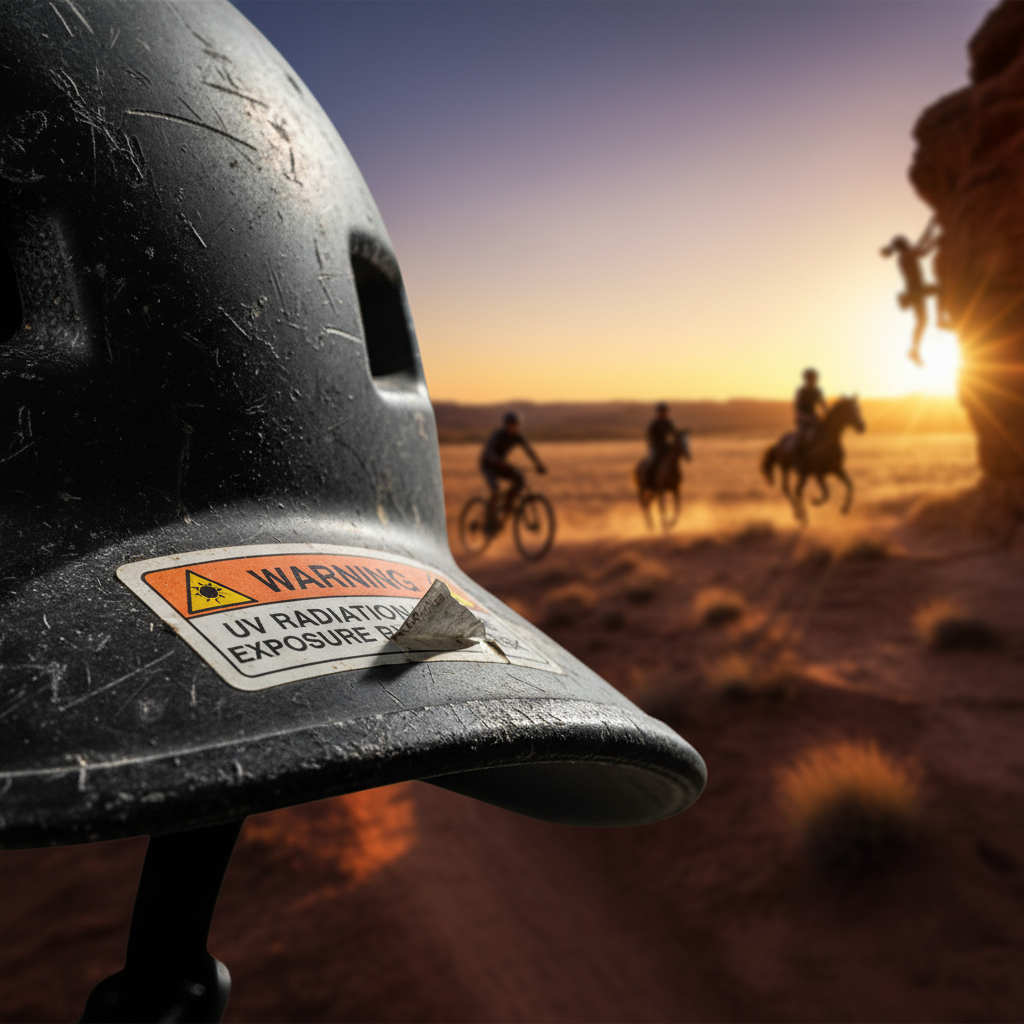
Helmet Brim Lifespan: When to Replace Your UV Shield
You've invested in a helmet for safety. But are you getting the most out of it when it comes to sun protection? A helmet brim is your first line of defence against harsh UV rays, especially here in Australia. But like any gear, it doesn't last forever. So, how long should a helmet brim last? Let's cut to the chase.
The honest answer is: there's no single, fixed lifespan. It depends on a brutal combination of factors, primarily how much you use it, the quality of the brim itself, and the relentless Australian sun. Forget generic advice; we're talking real-world conditions.
Why Does a Helmet Brim Wear Out?
Think of your helmet brim as a shield. Shields take hits. For a brim, those hits come from:
UV Radiation: This is the big one in Australia. Constant exposure to sunlight breaks down the polymers in plastic, making them brittle and discoloured. The higher the UV index, the faster this happens.
Physical Impact & Abrasion: Dropping your helmet, knocking it against things, or even storing it without care can cause scuffs, scratches, and cracks that compromise its integrity.
Environmental Exposure: Extreme heat, salt spray (if you're near the coast), dust, and grime all contribute to wear and tear. Think about leaving your helmet in a hot car on a summer's day – the plastic is being cooked.
Chemical Exposure: Some cleaning products or even sweat can degrade certain materials over time.
Understanding 'Lifespan' for Your Helmet Brim
When we talk about a helmet brim's lifespan, we're not just talking about how long it looks okay. We're talking about how long it continues to provide effective protection, both mechanically and from the sun. A cosmetically sound brim that's become brittle can shatter on impact, reducing your helmet's overall safety. And a discoloured, faded brim might not be blocking UV as effectively as it once did.
When Quality Matters: DA BRIM® Difference
Not all helmet brims are created equal. Cheaper, unbranded options might look similar to our Products, but they often use lower-grade materials that degrade much faster under intense UV. Our DA BRIM® helmet brims are engineered with UV-resistant, impact-modified polymers specifically chosen to withstand Australian conditions. This means they're built to last longer and provide consistent protection.
Signs Your Helmet Brim Needs Replacing
Prevention is better than a nasty sunburn or, worse, an injury. Regularly inspecting your helmet brim is crucial. Here's what to look out for and why it matters:
Discolouration/Fading: If your brim has gone from a solid colour to pale, chalky, or yellowed, UV damage is significant. This often indicates the material's structural integrity is compromised. That crisp black brim now offers less shade and potentially less protection against UV penetration.
Cracks or Splits: Any visible cracks, no matter how small, are a clear sign the brim is brittle and has lost its impact resistance. This is a critical safety issue. It's no longer a reliable structural component.
Brittleness: Try a gentle flex. If the brim feels stiff and snaps easily, it's past its prime. This is a direct result of UV degradation and heat.
Warping: If the brim is no longer sitting flush or has lost its original shape, it might be due to heat exposure. This can affect fit and coverage.
Scratches & Gouges: While minor scratches are often cosmetic, deep gouges can be stress points that lead to cracks. If they affect the surface integrity, it's a concern.
Loose Fit: If your brim is attached and starts becoming loose, it might be due to repeated impacts or material degradation where it connects. This compromises its ability to stay in place and offer consistent shade.
Your Replacement Checklist:
Before you hit the tools, run through this quick check. If you tick YES to any of these, it's time to consider a replacement for optimal sun and safety performance:
[ ] Brim is noticeably faded or discoloured.
[ ] Any visible cracks or fissures are present.
[ ] Brim feels brittle or snaps easily when gently flexed.
[ ] Brim has warped or no longer fits securely.
[ ] Deep scratches or gouges are present.
[ ] Brim shows signs of significant wear and tear after a few years of heavy use.
How Long Can a Good Helmet Brim Last?
Given regular use in harsh Australian sunlight (think long days working outdoors, cycling, or exposed to the elements), a high-quality helmet brim like those engineered by DA BRIM® can realistically last between 2 to 5 years before showing significant wear that warrants replacement. This is a general guideline, and individual experience will vary. Someone working construction daily in Queensland will likely see a shorter lifespan than a weekend cyclist in Tasmania.
Factors Influencing This Range:
Frequency of Use: Daily wear vs. occasional use.
Storage: Stored out of direct sun vs. left on a dashboard.
Environmental Extremes: Constant high heat and intense UV will accelerate degradation.
Impacts: Accidental drops or impacts.
Replacing Your Helmet Brim: A Step-by-Step Guide
Considering a replacement? It’s usually straightforward, especially with interchangeable brims. If you're using a DA BRIM®, the process is designed for ease. Refer to our detailed How to Install guide, but here's the gist:
1. Assess Your Current Brim: Follow the checklist above. Confirm it's time for a new one.
2. Choose Your Replacement: Browse our Products to find the right DA BRIM® for your helmet and needs. We offer various sizes and styles.
3. Remove the Old Brim (if applicable): Depending on your helmet and its original brim, this might involve unscrewing, unclipping, or carefully prying it off. For DA BRIM® systems, this is usually quick and tool-free.
4. Prepare the Helmet: Ensure the attachment points on your helmet are clean and free of debris.
5. Install the New Brim: Align the new brim with the designated attachment points and secure it according to the specific instructions for your DA BRIM® model. This typically involves snapping or clipping it into place. Ensure a snug fit with no gaps.
6. Test the Fit: Gently pull on the brim to ensure it's securely attached. Check that it doesn't obstruct your vision or feel unstable.
Prolonging the Life of Your Helmet Brim
You can't stop the sun, but you can be smart:
Store Properly: When not in use, store your helmet and brim away from direct sunlight and extreme heat. A helmet bag or a shaded spot is ideal.
Clean Gently: Use mild soap and water to clean your brim. Avoid harsh chemicals or abrasive cleaners.
Handle with Care: Avoid dropping your helmet or throwing it around. Even minor impacts can cause unseen damage.
Choose Quality: Invest in a brim designed for durability and UV resistance from the start. It's a false economy to constantly replace cheap alternatives.
When in Doubt, Replace It.
Sun safety and helmet integrity are non-negotiable. If you're unsure about the condition of your current helmet brim, err on the side of caution. A new brim is a small investment compared to the potential consequences of inadequate sun protection or a compromised helmet. We've got a range of durable, UV-resistant options in our Products section that are built to handle what Australia throws at them. Check our FAQ for more common questions, or dive into our other Blog posts for more tips.
Don't let a worn-out brim endanger your health or safety. Protect yourself, protect your gear.