
Helmet Brim Lifespan: How Long Should Yours Last in Australian Sun?
Don't let your helmet brim degrade in the harsh Australian sun. Learn how long a brim should last, signs of wear, and when to replace it for optimal sun protection.
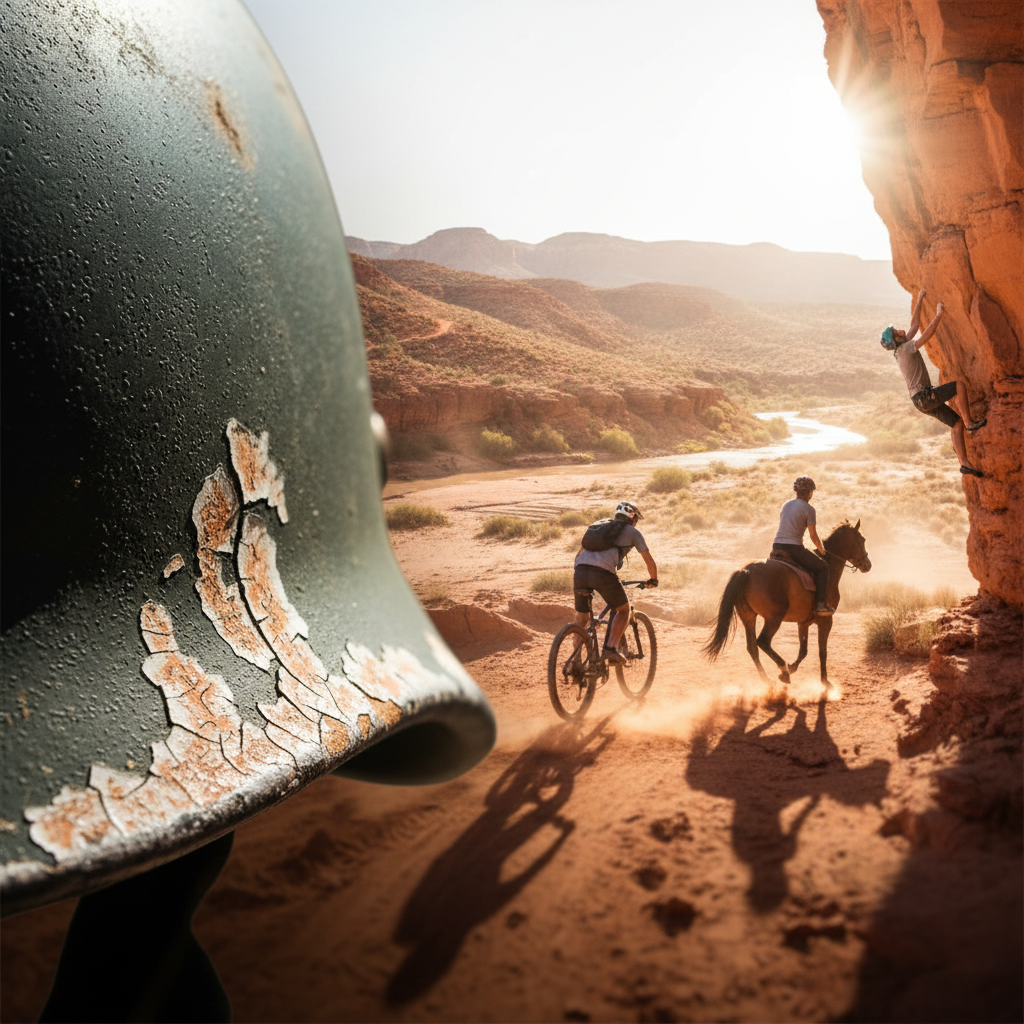
Helmet Brim Lifespan: How Long Should Yours Last in Australian Sun?
You've invested in a helmet designed for comfort and safety. You understand the importance of sun protection, especially here in Australia where the UV index can be extreme. So, how long should that crucial brim, the part shielding your face and neck, actually last? Let's cut to the chase: there's no single magic number, but understanding the factors that dictate its lifespan is key to ensuring you're always protected.
The Harsh Reality: Australian Sun is No Joke
We live in a beautiful country, but our sunshine comes with a serious health warning. High UV levels mean materials like plastics and fabrics in your helmet accessories, including the brim, are constantly under assault. Add to this the intense heat, extended daylight hours during summer, and the general wear and tear from your work or recreational activities, and you've got a recipe for degradation.
Why Does a Helmet Brim Degrade?
UV Radiation: This is the primary culprit. UV rays break down the polymer chains in plastics and fade dyes in fabrics, leading to brittleness, cracking, and discolouration.
Heat: Prolonged exposure to high temperatures accelerates the degradation process initiated by UV radiation. Imagine leaving your helmet on the dashboard of your car on a hot Australian summer day – it's a stress test for any material.
Mechanical Stress: Bending, dropping, or roughly handling your helmet can cause micro-fractures that are then exploited by UV and heat.
Chemical Exposure: Sweat, sunscreen, insect repellent, and even dust can react with brim materials over time, weakening them.
Beyond a Number: Signs Your Brim Needs Replacing
Instead of focusing on an arbitrary timeframe, it's far more practical to look for the tell-tale signs of wear and tear. A proper helmet brim isn't just a stylish add-on; it's a vital component of your sun-safety strategy. If it's compromised, so is your protection.
Visual Cues:
Discolouration: Significant fading or yellowing often indicates UV damage.
Brittleness: If the brim feels stiff, inflexible, and prone to snapping, it's lost its structural integrity.
Cracking or Chipping: Visible cracks, even hairline ones, mean the material is breaking down.
Surface Texture Changes: Look for a chalky, powdery appearance, or a surface that feels rough and degraded.
Functional Cues:
Flexibility Loss: A good brim should have some give. If it's rigid and won't bend without creaking or threatening to break, it's on its last legs.
Fit Issues: If the brim is no longer securely attached to your helmet, or if its shape has warped, it might not be providing adequate coverage.
How Long Should a Helmet Brim Last? (The Practical Answer)
In Australian conditions, a quality helmet brim, designed to withstand UV exposure, could realistically last anywhere from 1 to 3 years of consistent use. This is a broad range because 'consistent use' varies wildly. Someone working outdoors under direct sun for 8-10 hours a day, 5 days a week, will wear a brim out much faster than someone using their helmet for occasional weekend activities.
Consider this table – it’s not gospel, but it gives you a realistic expectation based on usage:
| Usage Frequency | Expected Lifespan (Australian Conditions) | Primary Degradation Factors |
|---|---|---|
| Daily, 8-10 hrs/day | 1-2 years | Extreme UV, heat, constant mechanical stress, sweat, chemicals |
| 3-4 days/week, 4-6 hrs/day | 2-3 years | High UV, heat, moderate mechanical stress, sweat, chemicals |
| Occasional (weekends, <4 hrs) | 3+ years | Moderate UV, occasional heat, minimal mechanical stress |
Important Note: This applies to brims specifically designed for helmet use and made from UV-resistant materials. Cheap, unbranded additions or modifications might not last nearly as long, or offer as much protection.
Maintaining Your Helmet Brim for Longevity
While you can't stop the sun entirely, you can employ strategies to prolong the life of your helmet brim:
Store it Properly: When not in use, store your helmet out of direct sunlight. A helmet bag or a cool, dark place is ideal.
Clean Gently: Use mild soap and water to clean your helmet and brim. Avoid harsh chemicals or abrasive cleaners. Ensure it's dry before storing.
Inspect Regularly: Make it a habit to check your brim for the signs of wear mentioned above. A quick visual inspection every few weeks can save you from relying on a compromised brim for longer than you should.
Handle with Care: Don't toss your helmet around. Treat it with respect to minimise accidental damage.
When It's Time to Upgrade: The Replacement Checklist
When in doubt, it's always better to be safe than sorry. If you're experiencing any of the following, it's time to consider a replacement:
[ ] Visible cracks or deep scratches.
[ ] Significant discolouration, especially if it looks chalky or faded.
[ ] The brim feels brittle or stiff, not flexible.
[ ] You can't remember the last time you replaced it and usage has been significant.
[ ] The brim no longer sits flush with your helmet or is loose.
[ ] Any part of the brim is beginning to detach.
How to Replace Your Helmet Brim
Replacing a helmet brim is usually straightforward. If you've purchased a new brim (or a helmet with a replaceable brim), follow the manufacturer's instructions. For our Products, the installation is designed to be quick and easy. If you're unsure, we have a comprehensive guide on How to Install to walk you through the process. Generally, it involves removing the old brim (if applicable) and attaching the new one securely to the designated points on your helmet. A good fit is crucial for both protection and comfort.
The Bottom Line: Don't Bet on a Brittle Brim
Your helmet is a critical piece of safety gear. The brim is its frontline defence against harmful UV rays and glare. In the unforgiving Australian climate, degraded materials mean compromised protection. Regularly inspect your helmet brim, understand the signs of wear, and when you see those signs, don't hesitate to replace it. Protecting your face and neck from sun damage is a non-negotiable when you're spending time outdoors. For durable, purpose-built helmet brims designed to last, check out our range of Products. And if you have more questions, our FAQ is a great resource, or you can always browse more articles on our Blog to stay informed about keeping safe under the sun.