
Helmet Brim Fit: Your Step-by-Step Guide to Ultimate Sun Protection Down Under
Don't let the harsh Australian sun compromise your comfort and safety. Learn how to perfectly fit your helmet brim for maximum UV protection, airflow, and a secure ride, every time.
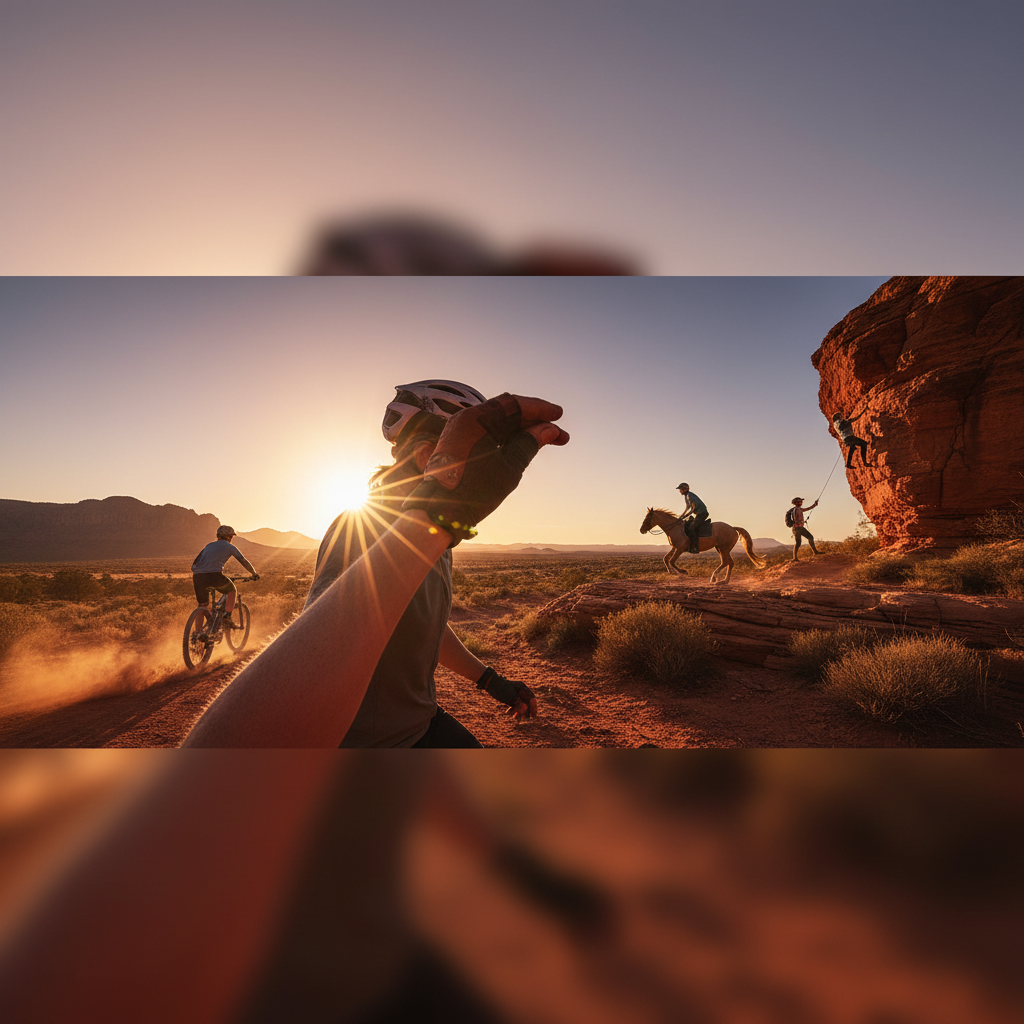
Helmet Brim Fit: Your Step-by-Step Guide to Ultimate Sun Protection Down Under
Australia. We love our sun. Long days, bright skies, perfect for getting out and about. But let's be blunt: that same sun can be brutal. For helmet wearers, whether you're cycling, walking, working, or just enjoying the outdoors, sun protection is non-negotiable. And a crucial part of that protection is how your helmet brim is positioned.
Many people get this wrong. They either have their brim too high, leaving their face exposed to blinding glare and harmful UV rays, or too low, obstructing their vision. Neither is ideal, and both can impact your safety and comfort. This guide cuts through the fluff and gives you a no-nonsense, practical, step-by-step approach to fitting your helmet brim correctly, ensuring you get the most out of your headwear, especially in our harsh Australian conditions.
Why Brim Fit Matters in Australia
We’re not talking about fashion here. We’re talking about practical sun protection. The Australian UV index can be dangerously high for a significant part of the year. Prolonged exposure without adequate protection leads to sunburn, premature aging, and an increased risk of skin cancer. For your eyes, direct sunlight and glare can cause discomfort, temporary blindness (especially dangerous when cycling or operating machinery), and long-term damage.
A well-fitted brim acts like a personal awning for your face. It shades your eyes, protects your nose and cheeks, and reduces the amount of UV radiation reaching your skin. But this only works if it's fitted correctly. A poorly positioned brim is practically useless, and in some cases, can even be a hazard.
Common Mistakes and How to Avoid Them
Brim too high: Exposes forehead, eyes, and nose to direct sun and glare. Often happens when people prioritise airflow or a perceived 'sporty' look over function.
Brim too low: Obstructs forward vision, creating a blind spot and a tripping or collision hazard.
Brim not centred: Uneven sun protection and can feel unbalanced.
Ignoring the sun's angle: Sun position changes throughout the day. What's perfect at 9 am might not be at 3 pm.
The Ideal Brim Position: What to Aim For
Your helmet brim should sit in a position that offers maximum shade to your face while maintaining clear, unobstructed forward vision. Think of it as a balance between protection and practicality.
On a sunny day, the brim should ideally create a shadow line that covers your eyebrows and extends downwards, shading your eyes and the upper part of your nose. Crucially, it should never interfere with your line of sight. You need to see where you're going, plain and simple.
Essential Tool: Your Helmet and the Sun
Before we get into the steps, remember that not all helmets are created equal. Some have rigid, non-adjustable brims (think safety helmets for construction or mining), while others have more flexible or even designed-to-be-adjustable brims (like some cycling or recreational helmets). Our focus here is on ensuring the positioning is right for any helmet with a brim, especially those designed for sun protection. If you're looking for enhanced sun protection, consider our range of Products designed to work with your existing helmet.
Step-by-Step Guide to Fitting Your Helmet Brim
This process is straightforward and can be done anytime, anywhere the sun (or a strong light source) is present. The most effective way is to do this outdoors during daylight hours.
Step 1: Put Your Helmet On Correctly
This might sound obvious, but a helmet needs to be fitted to your head first. Ensure it's snug, stable, and sitting level. The front of the helmet should be about one or two finger-widths above your eyebrows. The back should cradle the base of your skull. If your helmet isn't fitting correctly, consult our How to Install guide or check your helmet manufacturer's instructions. A poorly fitting helmet will make brim adjustment guesswork.
Step 2: Find a Light Source (Ideally the Sun)
Head outside on a bright day. If that's not possible, a strong, direct artificial light source can work in a pinch, but natural sunlight is best as it replicates the conditions you'll most likely encounter.
Step 3: Position for Eye Shade
With the helmet on and feeling secure, focus on your eyes. Gently adjust the front brim of your helmet up or down. Your goal is to find that sweet spot where the brim is blocking the direct sunlight from hitting your eyes.
Visual Check: Look straight ahead. Can you feel the sun's glare hitting your eyelids or the top of your nose? If yes, the brim needs to go lower.
Shadow Line: Ideally, the brim should create a shadow line directly above your eyebrows. This means the underside of the brim is shading your brow bone itself, and by extension, your eyes.
Step 4: Check Your Vision
This is the critical safety check. With the brim adjusted to shade your eyes, now check your forward vision.
Look Down: Can you clearly see the ground directly in front of you? Try looking a few metres ahead. If the brim is dipping too low and creating a 'tunnel vision' effect, you need to raise it slightly.
Peripheral Vision: While not as critical for a brim as for the helmet itself, ensure you haven't unintentionally created a major blind spot to your sides by having a brim that's too wide and low.
Step 5: Find the Balance
This is where compromise happens. You might not achieve perfect eye shade while simultaneously having perfect unobstructed vision. The priority for safety equipment is always vision first, followed closely by protection.
Prioritise Vision: Always ensure you can see clearly where you are going.
Maximise Shade: Once vision is clear, adjust the brim downwards as much as possible without compromising that vision.
Step 6: Confirm Centre Alignment
Ensure the brim is centred on your helmet and therefore centred on your face. An off-centre brim means uneven protection and can look peculiar.
Step 7: Test on the Move (Where Safe)
If you're fitting for cycling, walking, or any activity where movement is involved, do a brief, safe test.
Cycling: On a quiet path or street, pedal gently. Does the brim stay in place? Does it obstruct your view of the road ahead or traffic at intersections? Does it catch the wind excessively?
Walking/Working: Walk around. Turn your head. Does it still feel secure and offer good shade without hindering your view of your surroundings?
Helpful Analogy: The Bill of a Cap
Think about how you'd position the bill of a baseball cap. You want it low enough to keep the sun out of your eyes, but not so low that you're constantly looking at the brim. The same principle applies to your helmet brim.
Table: Sun Protection vs. Vision - Finding Your Zone
| Feature | Ideal Position | Too High (Problem) | Too Low (Problem) |
|---|---|---|---|
| Eye Shade | Covers eyebrows, casts shadow over eyes/forehead. | Eyes exposed to direct glare and UV. | Can obscure the brim itself when looking at the sky. |
| Forward Vision | Unobstructed view of the path ahead. | No vision interference. | Obstructs view of the ground directly in front. |
| Comfort | Balanced shade and clear sight lines. | Sun glare makes eyes squint, potentially fatigued. | Can feel restrictive, limited awareness or panic. |
| Overall Safety | Optimal protection with full awareness. | Increased risk of eye damage, discomfort. | Increased risk of accidents due to limited vision. |
Beyond the Basic Fit: What Else to Consider
Helmet Type: Different helmets offer different brim designs. Some are integrated and fixed, others are adaptable. Our Products page features accessories that can add versatility to your existing helmet.
Sun Angle: The sun moves. In the long Australian daylight hours, you might need to make minor adjustments throughout the day. If you're on a long ride or working outdoors, be mindful of the changing sun angle.
Weather Conditions: Even on a cloudy day, UV radiation can penetrate. It’s best to err on the side of caution and aim for good shade.
Personal Preference: While we provide guidelines, some minor adjustments can be made based on your individual facial structure and comfort.
When to Re-Evaluate Your Brim Fit
New Helmet: Always start with a proper fit assessment for any new helmet.
After a Fall: Even a minor impact can shift helmet components. Re-check your fit.
Discomfort: If you notice increased squinting, headaches, or a feeling of being blinded by the sun during use, your brim likely needs adjustment.
Changing Activities: If you use the helmet for different activities (e.g., cycling vs. gardening), your optimal brim position might vary.
Frequently Asked Questions (FAQ)
We get a lot of questions about helmet fit and sun protection. For more detailed answers, visit our FAQ.
Can I add a brim to my helmet if it doesn't have one? Depending on your helmet design, accessory brims for Products might be an option. Always ensure any accessory is securely attached and doesn't compromise the helmet's primary safety features.
Does brim position affect helmet ventilation? Sometimes. A brim that's too low can potentially block some vents at the front. Finding the balance is key.
- How do I know if my helmet is safe and approved?
Conclusion: Protect Yourself, See Clearly
Getting your helmet brim fit right is a simple yet powerful step you can take to enhance your sun protection and safety, especially under the intense Australian sun. It’s about making your headwear work harder for you, ensuring comfort and preventing potential harm.
Don't fall into the trap of poor positioning. Take a few minutes, follow these steps, and enjoy your adventures outdoors with confidence. Remember to always check our Blog for more tips and information on staying safe and comfortable when you're out and about.
Your head, protected.