
Helmet Brim Fit: Your Step-by-Step Guide to Sunproof Protection
Stop squinting and start protecting. This no-nonsense guide shows you exactly how to fit your helmet brim for maximum sun and UV protection, Australian conditions considered.
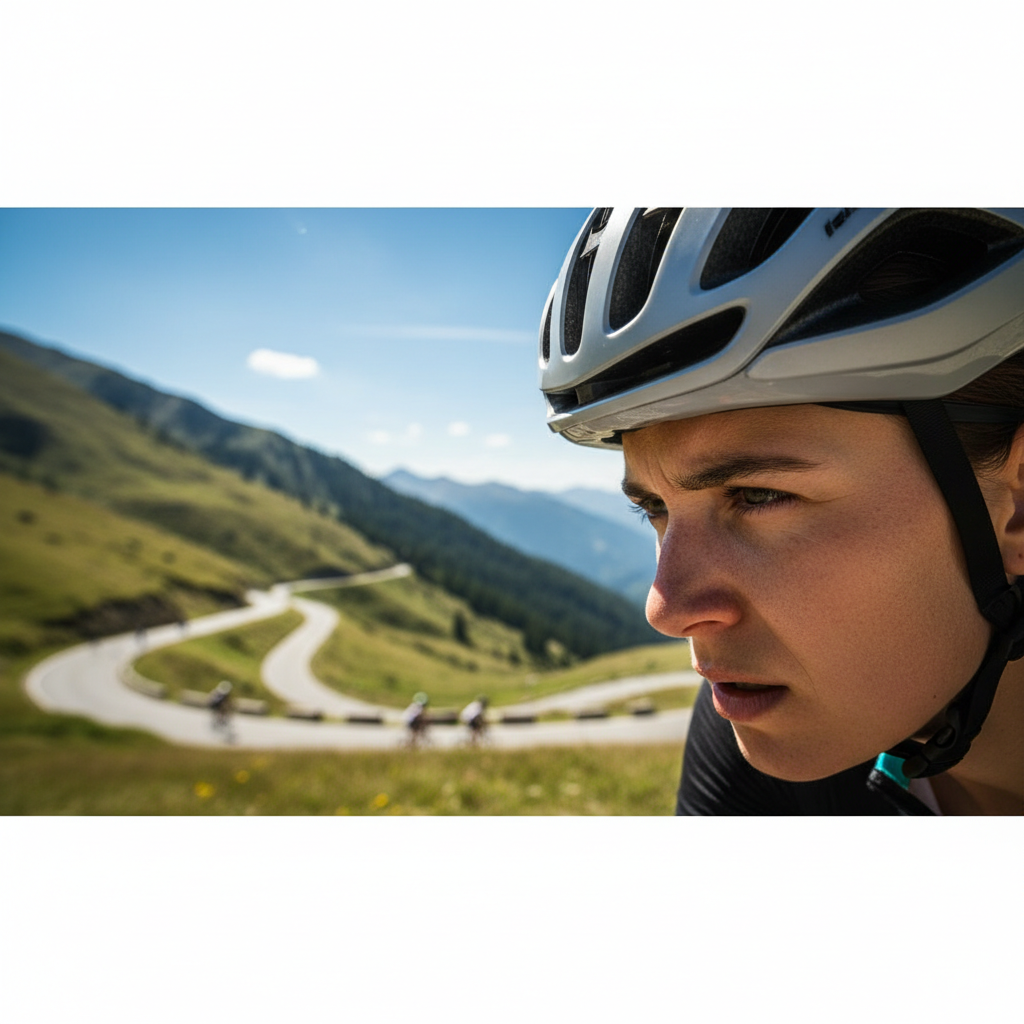
Helmet Brim Fit: Your Step-by-Step Guide to Sunproof Protection
Let's cut to the chase. You're wearing a helmet. Good. That's the first step to safety, whether you're on a bike, a worksite, or just out enjoying what Australia throws at you. But is that helmet doing its full job when it comes to the relentless Australian sun? If you've been dodging rays with cheap sunglasses or just hoping for the best, you're not equipped. The real game-changer is a properly fitted helmet brim.
This isn't about comfort or looking a certain way – although it helps. This is about serious sun and UV protection, especially when that UV index is climbing and the days are long. We get it: you bought a helmet, you put it on. You think you're covered. But a poorly positioned brim can leave your eyes, forehead, and even your nose exposed to harmful UV radiation. That's where understanding how to fit a helmet brim properly becomes crucial.
Why Your Brim Fit Matters Down Under
Australia. We love it – the beaches, the outback, the outdoor lifestyle. But our sun is no joke. High UV levels are a daily reality for much of the year, and prolonged exposure, even on cloudy days, can lead to sunburn, premature skin aging, and increased risk of skin cancer. For those of us who spend significant time outdoors – commuters, tradies, adventurers – this isn't an inconvenience, it's a health hazard.
A helmet is designed to protect your head, but its brim is your primary defence against solar assault. A well-fitted brim acts like a built-in awning for your face. It shields your eyes, reducing glare and fatigue, and importantly, it creates a barrier that dramatically reduces the amount of UV radiation reaching your skin. This is why getting the fit right isn't optional; it's fundamental to maximizing the protective benefits of your helmet.
Common Brim-Fitting Blunders (And How to Avoid Them)
We see it all the time. Brims shoved too far back, leaving the forehead and eyes vulnerable. Brims angled down so much they obscure vision or make you look like you're perpetually hiding. Or worse, brims that aren't even properly attached, rendering them useless.
Here's what to watch out for:
The "Too Far Back" Folly: The brim is tilted back so far it barely extends past your brow. This is the most common mistake and exposes your face directly to overhead sun.
The "Blind Driver" Bend: The brim is angled down so sharply that it cuts off your upward and forward vision. You end up squinting anyway, defeating the purpose.
The "Loose Cannon" Looseness: The brim isn't secured correctly, rattling around or just not staying in place. It's not providing consistent shade.
The "Wrong Tool for the Job" Issue: Trying to fit a brim designed for one type of helmet onto another. They're often engineered for specific curves and stresses.
These aren't professional assessments; they're observations from people who know the importance of good sun protection. We're talking practical advice, not scientific jargon, to help you shield yourself effectively.
The Golden Rules of Brim Placement
Before we get into the nitty-gritty, let's lay down some universal truths for brim fitting. Think of these as your pre-flight checks before you even touch the helmet.
| Rule | What it Means |
|---|---|
| Eyebrow Alignment | The brim should sit just above your eyebrows, creating a brow-line of shade. |
| Unobstructed Vision | Your line of sight should be clear, even when looking up slightly. |
| Secure Fit | The brim should feel solid and fixed, not wobbly or loose. |
| Helmet Synergy | It complements your helmet's overall design and protective capabilities. |
These rules are designed to work together. You can't sacrifice vision for shade, or vice-versa. It’s about finding that sweet spot.
Step-by-Step: Fitting Your Helmet Brim for Maximum Sun Defence
This is where the rubber meets the road. Follow these steps precisely to ensure your helmet brim is giving you the protection you need under the harsh Australian sun.
Step 1: Prepare Your Helmet and Brim
Cleanliness is Key: Ensure both your helmet and the brim attachment points are clean and free from dirt or debris. This guarantees a secure and proper fit.
Review Installation Instructions: If you're fitting a new brim, or re-fitting an existing one, always refer to the manufacturer's guide. For our DA BRIMs, this means consulting our straightforward How to Install guide. Don't skip this – it's designed to save you headaches.
Check for Damage: Inspect both the helmet and the brim for any cracks, dents, or other damage that could compromise their integrity or fit.
Step 2: Position the Brim Correctly
This is the critical step. We're aiming for perfect alignment.
1. Put on Your Helmet: Secure your helmet according to its usual fitting instructions. Ensure it sits at the correct height on your head – snug, stable, and level.
2. Locate Your Eyebrows: Find your natural eyebrow line. This is your primary reference point.
3. Align the Brim: Position the brim so its lower edge sits just above your eyebrows. Think of it as a visor that extends forward, with its base line hovering right at where your eyebrows begin.
Why above? Placing it directly on or below your eyebrows will obstruct your vision and likely cause you to push the helmet back, which is where problems start.
4. Check Forward Vision: Gently tilt your head forward and then slightly upwards. Can you see clearly without the brim interfering with your line of sight? If the brim is dipping too low and blocking your view, it needs to be adjusted slightly higher or at a different angle.
5. Check Overhead Protection: Imagine the sun directly overhead. Does the brim cast a shadow over your forehead and the upper part of your eyes? It should. You shouldn't be able to see the sky directly above you without angling your head back.
Step 3: Secure the Brim
Once you've found that sweet spot, it's time to lock it in.
1. Fasten All Attachments: Whether it's clips, screws, or a hook-and-loop system, make sure all attachment points are firmly engaged. For DA BRIMs, this is typically a secure click or snap.
2. Test for Stability: Gently try to wiggle the brim. Does it shift or loosen easily? If so, re-check the attachment points and ensure they are fully engaged. A loose brim is an ineffective brim.
3. Re-check Fit: Put the helmet back on and repeat Step 2, ensuring that the secure fit hasn't thrown off the brim's positioning.
Step 4: Fine-Tuning for Australian Conditions
We're not talking about rocket science here, just common sense adapted to our unique environment.
Long Days, Long Shade: On extended summer days, you want that shade to last and cover your face consistently. Ensure the brim is angled to provide maximum coverage from mid-morning to late afternoon.
Heat and Glare: In high temperatures, glare can be intense. A brim that's too low can hinder your ability to see, but one that's correctly positioned will significantly cut down on glare hitting your eyes directly, reducing squinting and eye strain.
UV Levels: Different regions and times of year have varying UV indices. While a brim is always beneficial, on days with a high UV index, you'll appreciate that extra few centimetres of shade over your forehead and around your eyes even more.
Troubleshooting Common Fitting Issues
Even with the best intentions, you might run into hiccups. Here's how to handle them:
"My brim is too low and blocks my vision," you say.
Solution: Adjust the brim slightly higher on the helmet. If your attachment system allows for angle adjustment, try angling it up slightly. Most importantly, ensure you're not trying to fit a brim designed for a different helmet profile – compatibility is key. Check out our FAQ for specific helmet compatibility advice.
"My brim feels loose," you admit.
Solution: Re-read the installation instructions for your specific brim. Ensure all clips, tabs, or fasteners are fully engaged. Sometimes, a bit of pressure applied evenly can help them seat properly. For DA BRIMs, ensure the clips are fully around the helmet edge.
"It doesn't feel like it's doing anything," you grumble.
Solution: Go back to Step 2. Are you sure it's positioned just above your eyebrows? Is it casting a shadow on your forehead? If the brim is too short or doesn't extend far enough forward, it might be the wrong size or design for your needs. You might need to explore different products or styles.
When to Revisit Your Fit
Your helmet brim isn't a 'set and forget' item. You should re-check its fit periodically, especially if:
You've removed and re-attached the brim.
You've experienced a knock or impact (even minor ones can affect fit).
You've switched helmets (and are trying to use the same brim).
- You just feel like the sun situation has changed, or your vision feels compromised.
It only takes a minute, and it ensures you're always getting the best possible protection. For more tips and tricks, our Blog is a great resource for all things helmet and sun safety.
Conclusion: Don't Let the Sun Win
We're Australians. We live for the outdoors. But we also need to be smart about how we do it. A properly fitted helmet brim is a simple, effective, and essential tool in your sun-safety arsenal. It’s an investment in your comfort, your eyesight, and your long-term health. Don't leave your face to chance. Take the time to fit your brim correctly, follow these steps, and enjoy the sunshine safely. Your future self will thank you.
Ready for proper sun-deflecting protection? Explore our range of helmet brims at Products.