
Helmet Brim: Finding Your Shield Against the Aussie Sun
Don't let the harsh Australian sun dictate your outdoor adventures. Learn how to pick the right helmet sun brim for your activity, ensuring maximum protection and comfort.
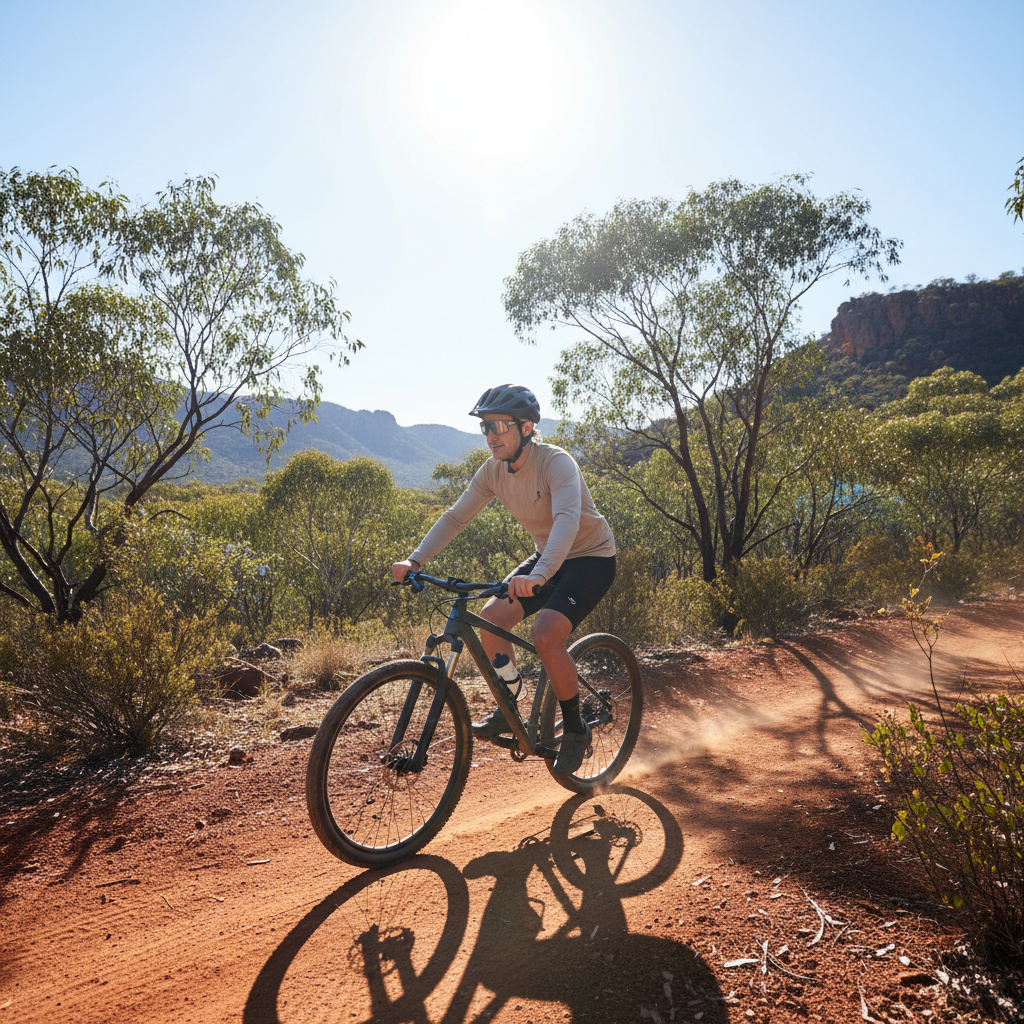
Helmet Brim: Finding Your Shield Against the Aussie Sun
Australia. Beautiful one day, brutal the next. We know the score. Long, hot days, a relentless sun, and a UV index that can climb higher than a kangaroo. Whether you're on a worksite, tackling a trail, or just enjoying the great outdoors, protecting yourself from sun damage is non-negotiable. And if you're wearing a helmet, you're already one step ahead. But is your current setup giving you the best defence?
This is where the humble helmet sun brim comes in. It's not just an accessory; it's your personal shade. But just like choosing the right helmet for the job, selecting the right brim is crucial. A brim that's too small offers little protection, while one that's too big can be a nuisance. Let's cut to the chase: how do you choose the right one for your activity?
Why Bother with a Helmet Brim in Australia?
Let's be blunt. The Australian sun is no joke. We're not talking about a gentle spring shower here. We're talking about UV radiation that can cause short-term sunburn and long-term skin damage, including premature ageing and skin cancer. Even on cloudy days, UV rays can penetrate, so you need consistent protection.
Your helmet itself can offer some protection, but the majority of the exposed areas – your face, ears, and neck – are still vulnerable. A well-chosen helmet brim extends that protection significantly, acting like a built-in visor designed to block those harsh rays. Think of it as an extension of your helmet's safety features, specifically targeting sun-related risks.
Common Objections (and why they don't hold water):
"It'll get in the way." This is usually down to choosing the wrong brim for the job or not fitting it correctly. A brim designed for your activity and properly secured won't hinder your vision or movement. We'll get to how to pick the right one.
"It's just for tradies." Absolutely not. While essential for many construction and industrial roles, anyone wearing a helmet outdoors – cyclists, motorcyclists, hikers, gardeners, even people operating machinery in agricultural settings – can benefit greatly. The sun doesn't discriminate.
"I wear sunscreen." Good. You should. But sunscreen washes off, sweats off, and needs regular reapplication, especially during long, active days in our climate. A brim offers passive, consistent shade that doesn't rely on you remembering to reapply. It's your frontline defence.
"It'll make my helmet too hot." A well-designed brim actually helps by casting shade over your head and face, potentially reducing the heat you feel. Some brims also incorporate ventilation to help airflow. The key is choosing the right material and design.
Factors to Consider When Choosing Your Brim
Before we dive into specific activities, let's lay down the groundwork. What makes a good helmet brim in the context of Australia?
Coverage: How much of your face, ears, and neck does it shield? This is paramount. We need ample coverage to combat our intense UV.
Durability: Can it withstand the elements? Rain, wind, dust, and the general knocks of outdoor work or recreation. Look for tough, UV-resistant materials.
Fit & Attachment: How securely does it attach to your helmet? You don't want it flying off. Is it compatible with your specific helmet model?
Visibility: Does it obstruct your peripheral vision? This is a safety issue, especially when operating machinery or cycling.
Ventilation: Does it allow air to circulate, or will it trap heat?
Weight: A heavy brim can add unnecessary strain. Lightweight options are generally better.
Matching the Brim to Your Activity: A Practical Guide
So, you've got your helmet. Now, what kind of brim do you need? It all depends on what you're doing.
1. The Worksite Warrior (Construction, Mining, Agriculture)
Needs: Maximum protection, durability, and minimal obstruction to essential tasks.
Considerations:
Full Neck and Ear Coverage: Working long hours under the sun means your neck and ears are prime targets for sunburn. A brim with a generous rear skirt is essential. Think of a safari hat style, but adapted for industrial helmets.
Impact Resistance: While the brim itself isn't a primary impact protector, it needs to be tough. It will encounter branches, dust, and general wear and tear.
Compatibility: Ensure it fits securely onto your hard hat. Manufacturers often design brims specifically for their helmet lines.
Ventilation: Crucial for long shifts in the heat. Look for designs that don't completely block airflow.
What to look for: Wide, often flexible brims with a pronounced rear flap to cover the neck and sides of the head. They should attach firmly to the helmet's slots or clips. You'll find these designed for standard industrial hard hats. Visit our Products page to see options.
2. The Agile Adventurer (Cycling, Trail Running, Motorcycling)
Needs: Lightweight, aerodynamic, and crucially, no vision obstruction.
Considerations:
Shorter, Curved Brim: Long, floppy brims are a recipe for disaster at speed. They catch wind, can be ripped off, and will definitely obstruct your view. A shorter, more curved brim is ideal.
Flexibility: A slightly flexible brim can absorb minor bumps and won't jab you if you have a fall.
Secure Attachment: This is paramount for speed. It needs to be locked on tight.
UV Protection for the Face: While coverage is less about the neck (usually covered by clothing or gear), the front of the face still needs protection from glare and direct rays.
What to look for: Smaller, often plastic brims that clip or securely attach to the front of helmets designed for these activities. They're typically designed to curve upwards slightly to avoid interfering with your line of sight. Check out Products for specific designs.
3. The Casual Cruiser (Gardening, Leisure Activities, Light Work)
Needs: Good balance of protection and comfort, easy to use.
Considerations:
Versatile Coverage: You might not need the extreme neck coverage of a worksite, but you still want to shield your face and ears. A medium-width brim is often a good compromise.
Ease of Use: Detaching and reattaching should be simple if you're moving between shaded and sunny areas.
Comfort: Since you're not usually at high speeds or performing highly technical tasks, comfort and reduced heat trapping can be higher priorities.
What to look for: Brims that offer decent face and ear coverage without being overly cumbersome. Many are designed for general-purpose helmets and are easy to snap on or off. If you need help, our How to Install guide is a good starting point.
Table: Brim Styles at a Glance
| Activity Type | Primary Need | Recommended Brim Style | Key Features | Potential Drawbacks |
|---|---|---|---|---|
| Worksite | Max protection, durability | Wide with rear neck/ear skirt | Full coverage, rugged materials | Can be bulky, potential airflow restriction |
| Adventure (Speed) | Aerodynamics, vision | Shorter, curved, flexible | Lightweight, secure fit, minimal profile | Less neck coverage, may not fit all helmets |
| Casual | Balanced protection/comfort | Medium width, easy attachment | Good face coverage, user-friendly | Less specialised for extreme conditions |
Step-by-Step: Choosing and Fitting Your Brim
Don't overcomplicate it. Follow these steps:
1. Identify Your Primary Activity: Be honest about what you do most often while wearing a helmet. Are you on a construction site five days a week, or is it for weekend cycling trips?
2. Assess Your Helmet Type: What kind of helmet are you using? Is it a standard industrial hard hat, a cycling helmet, a motorcycle helmet, or something else? This dictates the type of brim attachment you need.
3. Prioritise Protection: For Australian conditions, prioritise brims that offer the best coverage for your exposed areas (face, ears, neck). Don't skimp here.
4. Check Compatibility: Before buying, confirm the brim will fit your specific helmet. Manufacturers often list compatible models, or you can check the attachment mechanism.
5. Consider Fit and Comfort: Hold the brim up to your helmet. Does it look like it will obstruct your view? Will it feel comfortable during long periods of wear?
6. Secure the Brim: Once purchased, follow the How to Install instructions carefully. A secure fit is vital for safety and effectiveness.
For clip-on brims: Ensure they snap firmly into place. Don't force them; they should seat easily if compatible.
- For slot-on brims: Check they slide in securely and are locked, if your helmet has locking mechanisms.
7. Test in Real Conditions: Wear it for a short period doing your typical activity. Does it shift? Does it block your vision? Make adjustments as needed.
Is It Worth It? Absolutely.
In Australia, sun protection isn't a luxury; it's a necessity. Investing in the right helmet sun brim is a practical step towards safeguarding your health and ensuring you can continue enjoying your outdoor pursuits or performing your job without the debilitating effects of sunburn and UV damage. Don't wait for the burn to realise you needed more shade. Explore your options on our Products page and take control of your sun defence.
If you're still unsure or have specific questions about compatibility or our range, our FAQ section is a great resource. You can also dive deeper into related topics on our Blog.
Stay safe, stay shaded.