
Helmet Brim: Desert vs. Alpine Climbing Sun Exposure
Climbers face extreme sun, whether on desert sandstone or alpine granite. Learn how to protect your face and neck from harsh Australian UV with a helmet brim.
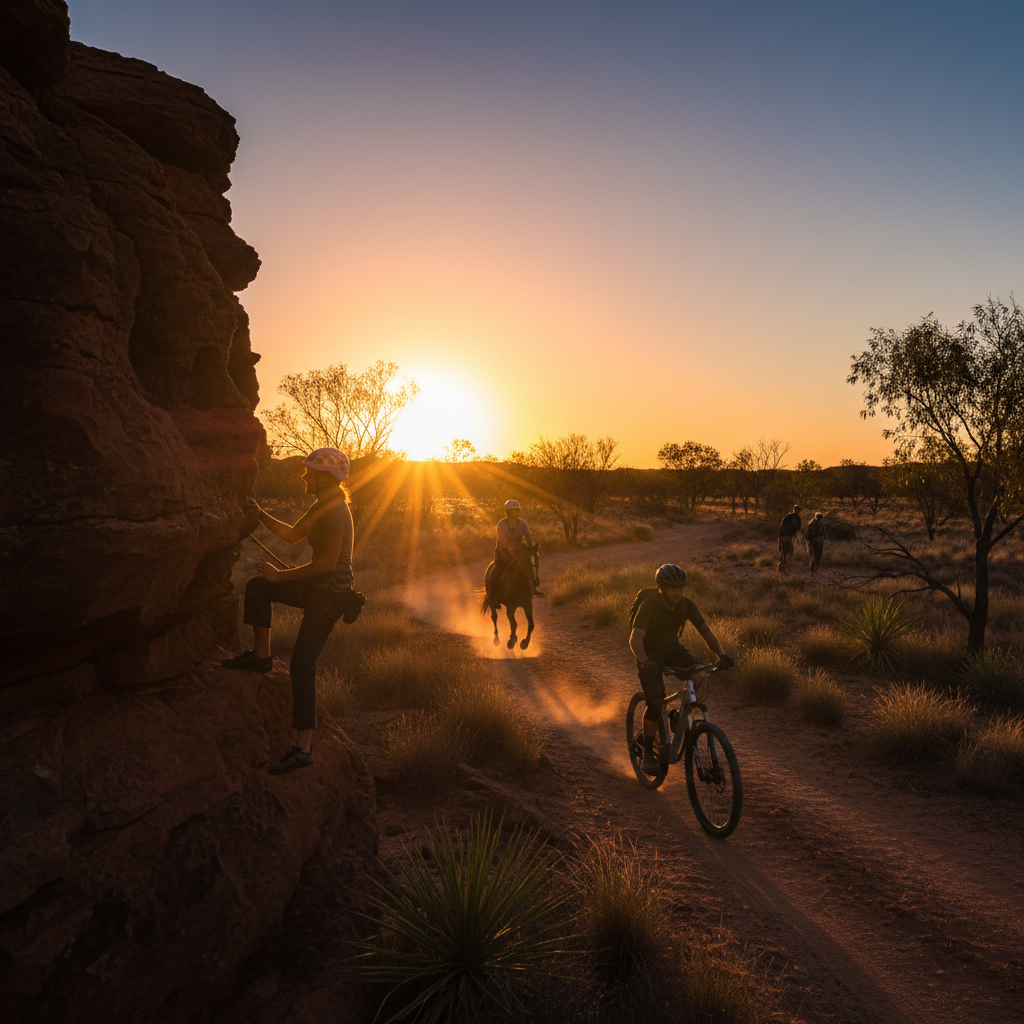
Helmet Brims: Desert Dunes to Alpine Peaks – Sun Exposure for Australian Climbers
Climbing is an Australian passion, but it comes with a serious caveat: relentless sun. Whether you're scaling arid desert rock faces or tackling exposed alpine ridges, the sun's UV rays are your constant, often unwelcome, companion. And let's be blunt: failing to protect yourself isn't just uncomfortable, it's dangerous.
Many climbers focus on sunscreen and long sleeves. Essential, yes. But what about your face and neck, the areas most directly exposed, especially when looking up at a climb? This is where a helmet brim, like the Da Brim, becomes indispensable, offering a practical, no-excuses solution for serious sun protection. We're talking about Australian conditions – high UV index, long daylight hours especially in summer, and intense heat. You need more than just basic coverage.
Let's break down the unique sun exposure challenges in different climbing environments and why a helmet brim is your best mate in both.
The Scorching Sun of the Desert
Australian desert climbing conjures images of ochre sandstone, vast horizons, and a sun that feels like a physical weight. Think areas like the Flinders Ranges or parts of Central Australia. The challenges here are multifaceted:
Direct, Unfiltered UV: Often, desert climbing involves climbs on open faces with minimal shade. The sun beats down directly, with little atmospheric scattering to diffuse the rays. When the UV Index hits 'Extreme' (which is common in Australia), you're accumulating significant damage very quickly.
Heat Reflection: Sand, rock, and light-coloured surfaces reflect UV radiation, bouncing it back up at you. This means you're getting hit from above and below.
Long Days & Early Starts: To beat the worst of the heat, climbers often start before dawn. This means you can be climbing for hours in the pre-dawn gloom which can then transition into brutal midday sun, with minimal opportunity to retreat.
Dry Air & Dehydration: While not directly sun exposure, the dry desert air exacerbates the effects of sun exposure, leading to faster dehydration and sunburn.
Objection Handling: "I wear a cap under my helmet." A standard baseball cap offers minimal brim coverage, often leaving your ears and neck exposed. The cap itself can also get sweaty and uncomfortable, and its brim rarely sits correctly in conjunction with a climbing helmet, potentially creating a safety hazard by obscuring vision.
Objection Handling: "I just use lots of sunscreen." Sunscreen is crucial, but it washes off with sweat, needs constant reapplication (difficult when belaying or climbing), and doesn't protect against the physical heat or glare that can cause eye strain and headaches.
Da Brim in the Desert: Your Shield Against the Heat
A Da Brim attached to your climbing helmet provides a generous, fixed shade extension. It's designed to keep the sun off your face, neck, and ears, even when you're looking straight up. This means:
Reduced Glare: Less squinting translates to better focus and less eye strain. Crucial for spotting holds and communicating with your belayer.
Cooler Temples: The shade on your temples and forehead helps to keep your core temperature down, reducing the risk of heatstroke.
Protection Beyond Sunscreen: It's a physical barrier against UV rays, offering consistent protection that doesn't rely on reapplication.
The Glacial Glare of the Alpine
Now, picture the Australian Alps in summer – perhaps Mount Kosciuszko or the peaks around the Jagungal Wilderness. While you might associate alpine with cold, the sun exposure can be just as brutal, if not more so, due to different factors:
Altitude & Thinner Atmosphere: The higher you go, the thinner the atmosphere becomes. This means less UV radiation is filtered out, and the intensity of UV is significantly higher than at sea level. Even on cooler days, the UV hit can be severe.
Snow & Ice Reflection: If there's any lingering snow or ice, even patches, the reflectivity can be immense. White surfaces bounce UV rays in all directions, creating a double-whammy of exposure. This is often called 'snow blindness' for the eyes, but it's also damaging to exposed skin.
Open, Exposed Terrain: Alpine environments are often vast, open, and exposed. There's little to no shade. Climbing routes might hug ridgelines or ascend scree slopes with zero cover.
Wind & Windburn: While distinct from UV, wind can exacerbate the drying effects of the sun and make your skin feel colder, masking the actual damage being done by UV radiation. You might not feel the burn until much later.
Objection Handling: "It's cold in the alpine, the sun isn't that strong." This is a dangerous assumption. UV radiation intensity is not directly correlated with temperature. You can get a severe sunburn on a freezing, clear day at high altitude. The UV Index can be 'Very High' or 'Extreme' even when frost is on the ground.
Objection Handling: "I have a helmet with a good visor." Many climbing helmets have small, integrated 'visors' or brims that offer minimal protection. They are designed for impact protection, not extended UV shielding. You'll still be getting sun on your cheeks, ears, and neck.
Da Brim in the Alps: Your High-Altitude Sun Defence
The principles are the same as in the desert, but the context is different. A Da Brim offers:
Critical Eye Protection: Reduced glare from sun, rock, and any residual snow significantly improves visibility and comfort, especially important for navigating tricky terrain.
Neck and Ear Shielding: These areas are particularly vulnerable at altitude and can sunburn quickly without adequate protection.
Consistent UV Barrier: It stays put, providing unwavering protection as you ascend, descend, and traverse exposed ridges.
Da Brim: The Practical Solution for All Climbers
Regardless of the environment, the core problem remains: direct, intense UV radiation and visible light that can cause damage and discomfort. Sunscreen, hats, and sunglasses are vital components of your sun safety kit, but they all have limitations, especially during physical activity like climbing.
This is why a helmet brim is a game-changer. It's a simple, effective addition to your existing climbing helmet that significantly enhances your sun protection:
No Reapplication Needed: Once installed, it's always there. No fumbling with tubes of sunscreen or adjusting a hat that keeps slipping.
Enhanced Visibility: By reducing glare, you can see better, spot holds more clearly, and communicate more effectively.
Comfort: Staying cooler and less 'sun-baked' makes for a more enjoyable and safer climb.
Universally Applicable: Whether you're on a multi-pitch desert tower or a day climb in the alpine, the need for sun protection is constant.
Installing Your Da Brim
Don't let the idea of adding something to your helmet put you off. The Da Brim is designed for easy application. For a step-by-step guide, check out our How to Install page. It's a straightforward process that takes minutes and vastly improves your climbing experience.
Key Sun Protection Checklist for Climbers
Before you head out, tick off these essential sun safety measures. Remember, Australian UV levels can be critical even when it doesn't feel hot.
[ ] Helmet with Da Brim Attached: Your primary physical shield.
[ ] High SPF Sunscreen: Applied generously to all exposed skin (face, neck, hands).
[ ] UV-Protective Sunglasses: Crucial for alpine glare and desert brightness.
[ ] Long-Sleeved, Lightweight UPF Clothing: For arms and torso.
[ ] Wide-Brimmed Hat (for approaches/descents): While not for climbing itself, useful for non-helmeted times.
[ ] Hydration: Crucial for overall health and resilience to UV effects.
- [ ] Check the UV Index: Be aware of the daily forecast. If it's extreme, extra caution is needed.
Frequently Asked Questions
We get asked a lot about helmet brims. For a comprehensive rundown, visit our FAQ page. Here are a couple of common ones:
Will a Da Brim interfere with my helmet's safety rating?
No. Da Brim products are designed to be accessories and do not compromise the structural integrity or safety certifications of your helmet. They attach securely without altering the helmet itself.
Can I really feel a difference on a hot day?
Absolutely. The continuous shade on your face and neck makes a significant difference to your perceived temperature and reduces the physical sensation of sun beating down on you. Many users report feeling less fatigued and more comfortable on long, sunny climbs.
Conclusion: Don't Get Burned
Whether you're sweating under the desert sun or enduring the biting wind of the alpine, your face and neck are constantly under siege from UV radiation. While sunscreen and clothing are important, they are not the complete solution. A helmet brim, like the Da Brim, provides a crucial, practical, and effective layer of defence.
It’s a simple upgrade to your existing gear that offers substantial benefits in comfort and health. Don't let preventable sun damage cut short your climbing adventures. Protect yourself, stay on the rock longer, and enjoy the views without the burn. Explore our range of Products and make sure your next climb is a sun-safe one.
For more tips and stories from the climbing world, check out our Blog.