
Helmet Accessories & Safety: What the Rules Say (and What You Need to Know)
Confused about whether add-ons to your helmet compromise its safety? We cut through the noise on Australian standards, heat, and real-world protection.
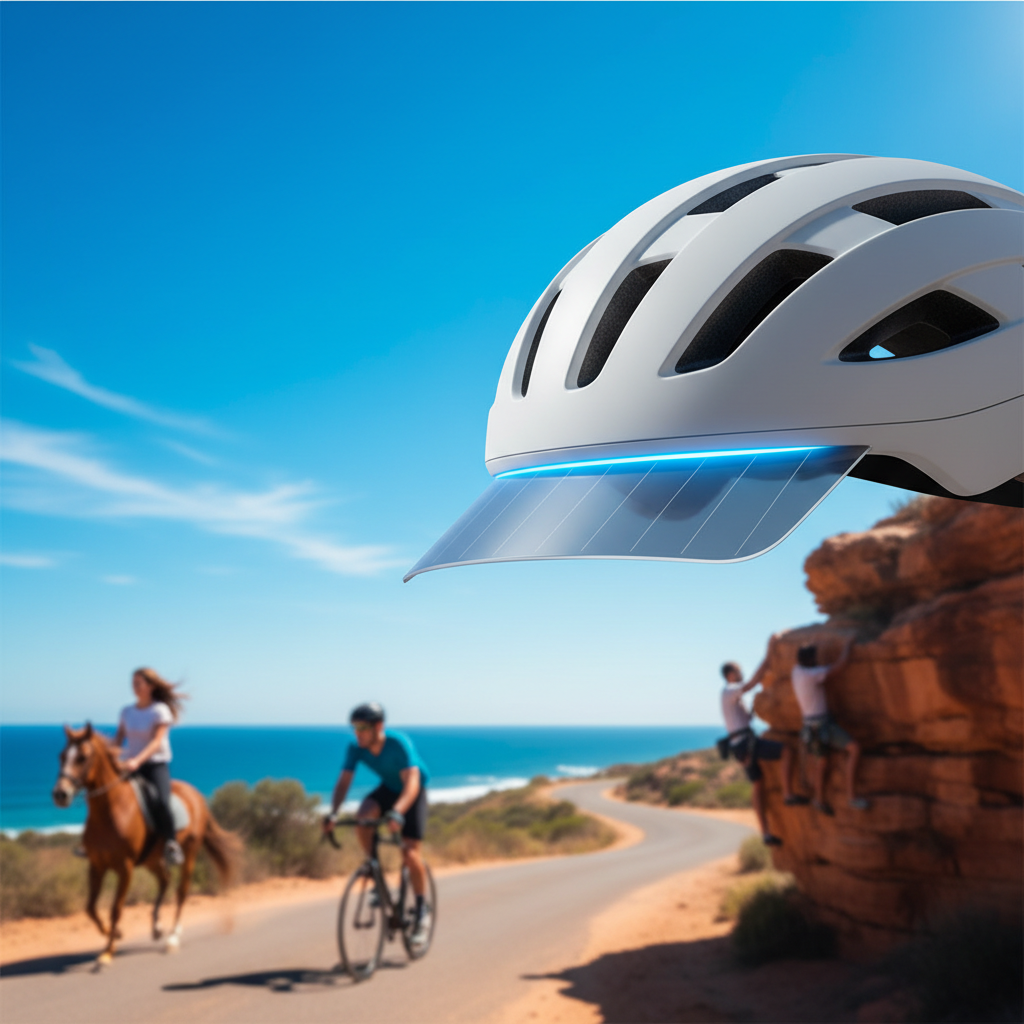
Helmet Accessories & Safety: What the Rules Say (and What You Need to Know)
Australians love the outdoors. Whether you're on a bike, a motorbike, or tackling a worksite, helmets are non-negotiable safety gear. But what happens when you want to make that helmet a bit more comfortable, a bit more practical? We’re talking accessories – especially those designed to help you cope with our harsh UV and heat. Do these add-ons mess with the safety ratings your helmet is built to meet? It's a fair question, and one we're going to answer directly.
The Big Question: Do Accessories Affect Safety Ratings?
Let's get straight to it. The primary concern with any helmet accessory is whether it compromises the helmet's ability to protect your head in an impact. This isn't about aesthetics or convenience; it's about physics and engineering. Standards exist for a reason, and they're designed to ensure helmets meet a minimum level of protection.
What Standards Actually Say
Australian helmet standards (like AS/NZS 2063 for cycling helmets or AS/NZS 1698 for motorcycle helmets) are rigorous. They test for:
Impact Absorption: How well the helmet's shell and liner reduce the force transmitted to your head during a fall.
Penetration Resistance: If sharp objects can pierce the helmet.
Retention System Strength: How well the straps and buckles hold the helmet in place during an impact.
Manufacturers certify their helmets against these standards. This means the helmet, as sold, has passed these tests.
Now, about accessories. The standards themselves don't typically 'certify' accessories. Instead, the onus is on the helmet user and the accessory manufacturer to ensure modifications do not negatively impact the helmet’s original safety performance.
This is crucial. If an accessory alters the helmet's structure, adds significant weight in a way that changes its dynamic behaviour during an impact, or interferes with the way the helmet covers your head, it could compromise safety.
Dodgy Add-ons vs. Smart Design
Not all accessories are created equal. You'll see a spectrum:
DIY Hacks: Sticking things on with super glue, drilling holes, or attaching bulky weights. This is where you enter dangerous territory. These modifications are highly likely to compromise your helmet’s integrity and void any safety certification.
Integrated or Purpose-Built Accessories: Items specifically designed to connect to existing helmet features without drilling, modifying the helmet shell, or adding excessive leverage.
For example, a cheap, poorly fitted clip-on sun visor that alters the helmet’s frontal impact characteristics is a red flag. Conversely, a brim designed to securely attach to the helmet’s ventilation channels or rim using engineered clips, and that follows the helmet's external contours without altering impact surfaces, is a different proposition altogether.
Common Concerns for Australian Riders
We live under a high UV index for much of the year. Long summer days mean extended sun exposure. Heat can also be a major issue, leading to fatigue and reduced concentration – both safety hazards.
UV Protection: Direct sun on your face, neck, and ears can lead to severe sunburn and long-term skin damage. Effective shading is a genuine safety and health benefit.
Heat Management: A helmet can feel like a sauna in peak Australian summer. While ventilation is key, sometimes extra heat management is needed. Some accessories aim to reflect heat or improve airflow.
What to Look For in a Safe Helmet Accessory
This isn't about reinventing the wheel. It's about smart additions that work with your helmet, not against it.
The 'Good' Accessory Checklist:
No Permanent Alteration: Does it require drilling, cutting, or permanently modifying the helmet shell or EPS foam liner? If yes, steer clear.
Secure Attachment: Does it fit snugly and securely? Can it easily detach or flip around during normal use or an impact, potentially becoming a hazard itself?
Minimal Weight & Balance Shift: Does it add significant weight that would throw off the helmet’s balance or increase rotational forces in a crash?
Doesn't Obstruct Vision: Crucial for situational awareness.
Doesn't Interfere with Straps: The retention system is paramount. An accessory shouldn't get in the way.
Designed for Your Helmet Type: Is it generic, or designed specifically for the type of helmet you have (e.g., road cycling, MTB, BMX, motorcycle)?
Table: Accessory Impact - Hypothetical Scenarios
| Accessory Type | Potential Safety Concern | Australian Context Relevance | Recommendation |
|---|---|---|---|
| Stick-on mirror | Flimsy attachment, sharp edges, potential to detach. | Minimal direct relevance to sun/heat. | Generally avoid. |
| Heavy, bulky add-on (e.g., large decorative element) | Alters weight distribution, potentially increases rotational forces. | Can contribute to heat build-up if it covers vents. | Avoid. |
| Purpose-built brim (e.g., Da Brim) | If designed correctly: uses secure, non-damaging clips; minimal weight; follows contours; no structural modification. | Excellent for sun protection, reduces glare, can aid ventilation. | Generally safe if designed and installed as intended. |
| Full face shield (that attaches to helmet) | Must be impact-rated itself and securely attached without compromising helmet structure. | Protects from sun and debris. | Check manufacturer specs and helmet compatibility. |
Real-World Protection: The Sun and Heat Factor
Your helmet protects your head, but it doesn't protect the rest of you. Ignoring sun and heat in Australia is a safety issue in itself. Severe sunburn can be debilitating, leading to heat stroke, dehydration, and impaired judgment. These are conditions that can absolutely lead to accidents, even if the helmet itself doesn't fail.
Accessories that provide genuine sun protection—like a well-designed brim that shades your face, neck, and ears—contribute to your overall well-being and ability to ride safely for longer. By reducing glare, they also help you see the road or trail better, making you a more aware rider.
Heat: The Silent Killer
On a 35°C day with 70% humidity, a helmet can become an oven. Overheating can lead to:
Fatigue: Faster rider fatigue means slower reaction times.
Reduced Concentration: You're less likely to spot hazards.
Dizziness/Nausea: Potentially leading to a loss of control.
Some thoughtfully designed accessories can help by increasing shade, which indirectly reduces the heat load on your head and face, even if they don't directly impact ventilation design.
Installation Matters: A Step-by-Step Approach
If you opt for a purpose-built accessory, proper installation is key. It's not a 'set and forget' situation – it's an extension of your helmet's safety setup.
Installing Your Da Brim (Example)
While specific instructions vary, using a product like Da Brim as an example, the steps usually involve:
1. Identify Attachment Points: Locate the designated clips or channels on your helmet. These are typically designed to fit around the helmet's rim or ventilation slots without damaging the shell.
2. Align the Brim: Position the brim over your helmet so the clips align with the attachment points.
3. Secure the Clips: Gently but firmly attach each clip. You should feel or hear a click, indicating it’s seated correctly.
4. Check for Wobble: Gently tug on the brim in all directions. It should feel secure, with no significant wobble or looseness.
5. Test Vision: Put the helmet on and check that the brim does not obstruct your forward or peripheral vision. Adjust if necessary (though most are designed for a fixed position).
6. Confirm Strap Clearance: Ensure the brim does not interfere with the helmet’s chin straps or buckle mechanism.
This process ensures the accessory is attached as intended, maintaining the helmet’s structural integrity and functional performance. Always refer to the specific installation guide for your chosen accessory. You can find more detailed guides on our How to Install page.
When in Doubt, Ask
If you're looking for accessories to enhance your helmet experience, especially for our uniquely Australian conditions, clarity is key. We offer a range of solutions designed to integrate seamlessly with your helmet. Explore our Products to see what’s available.
Ultimately, the goal of helmet safety standards is to protect you. Any addition to your helmet should enhance, not detract from, that protection. We strongly advise against any modifications that compromise the helmet’s original design. If an accessory requires drilling, cutting, or permanent changes to your helmet, it's not something we endorse. Our focus is on providing practical, effective solutions that work with your existing safety gear.
For more common questions about helmet use and accessories, check out our comprehensive FAQ.
Stay safe out there, and enjoy the ride, whatever the Australian conditions throw at you. For more tips and information, visit our Blog.