
Hard Hats Aren't Enough: Why You Need More Sun Protection in Australia
Your hard hat protects your head, but what about your face, neck, and ears? Australian sun is serious business. Learn why layering your sun protection around your hard hat is crucial for your health and safety on site.
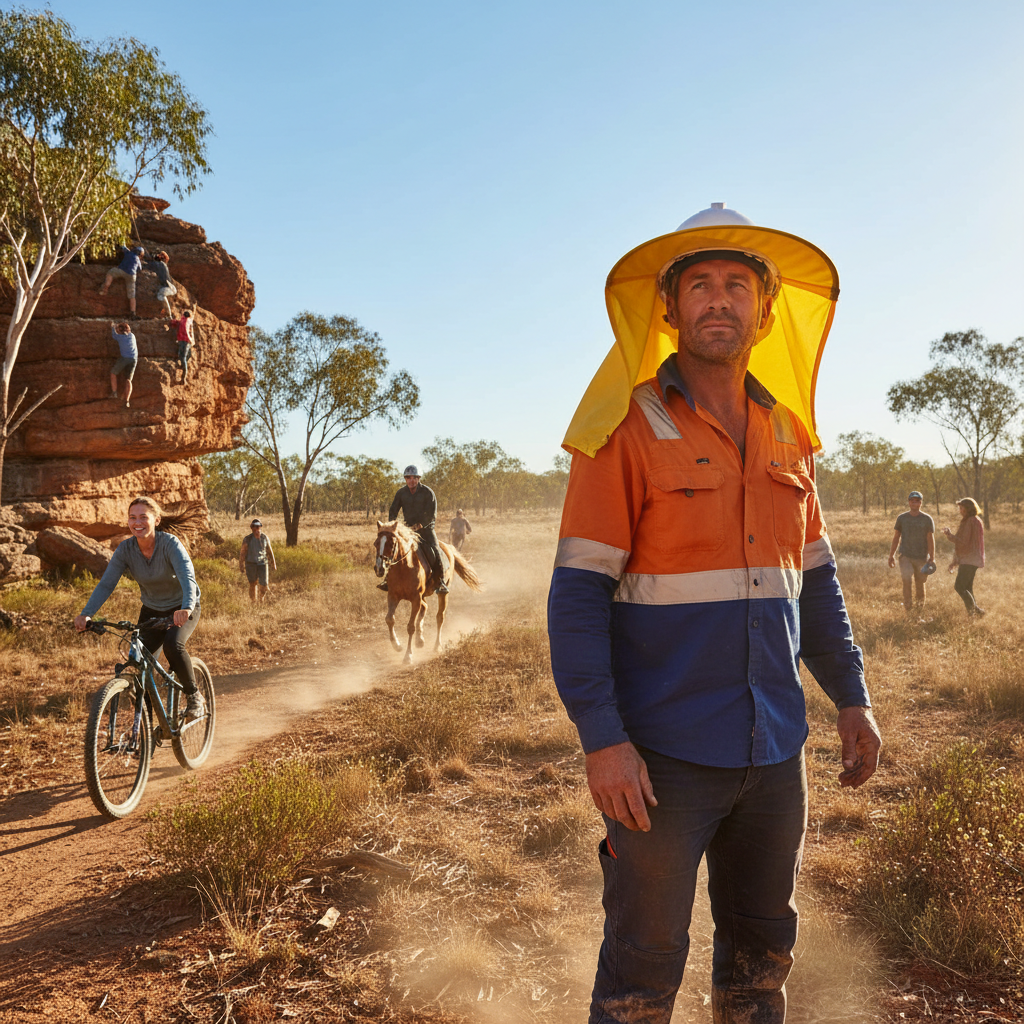
Hard Hats Aren't Enough: Why You Need More Sun Protection in Australia
In Australia, the sun is a constant. We love it, but we also respect it.
If you're on a worksite, chances are you're wearing a hard hat. It’s a non-negotiable piece of personal protective equipment (PPE) designed to protect your noggin from falling objects and bumps. And that’s critical. But here’s the hard truth: your hard hat alone is not enough to protect you from the relentless Australian sun.
We're talking about skin cancer. We're talking about heatstroke. We're talking about long-term sun damage that can sneak up on you while you're focused on the job.
The Harsh Reality of Australian UV Rays
The UV index in Australia is one of the highest in the world. Even on cooler, overcast days, UV rays can penetrate clouds and cause damage. Peaks in UV levels can happen any time of year, and prolonged exposure is a serious occupational hazard, particularly for those working outdoors for extended periods. Construction sites, roadworks, agricultural jobs – if you’re outside, you’re exposed.
Think about your typical workday.
Morning: You're on site, the sun's climbing.
Midday: Peak UV. You're likely exposed to direct sunlight for hours.
Afternoon: The sun might be lower, but the cumulative exposure has already taken its toll.
Your hard hat, by its very design, covers your scalp and the very top of your head. That’s its primary function. But what about:
Your face: Ears, nose, cheeks, forehead below the brim? These areas are prime targets.
Your neck: The back of your neck is constantly exposed, especially when you're bending or looking down.
Your ears: Often forgotten, but susceptible to sunburn and long-term damage.
These aren't just minor annoyances. Sunburn can lead to pain, blistering, and increased risk of infection. Repeated exposure without adequate protection dramatically increases your risk of developing melanoma and other skin cancers. Skin cancer is a very real, very common health concern for Australians, and tragically, many cases are linked to occupational sun exposure.
Common Objections and Why They Don't Hold Up
We hear it all. "I've been working outside for 20 years and I'm fine." "It's too hot to wear extra gear." "My sunscreen is enough." Let's tackle these head-on.
Objection 1: "I’ve been doing this for years without problems."
The Truth: Sun damage is cumulative. You might not see the effects today, but your skin is accumulating damage over time. Think of it like a debt – you might not feel the pinch initially, but eventually, the interest catches up. Early skin cancers are often treated successfully, but as they progress, they become more dangerous and harder to treat. What might seem like "fine" now could manifest as a serious issue in your 40s, 50s, or 60s. It's proactive prevention, not just reacting to current discomfort.
Objection 2: "It's too hot and uncomfortable to add more to my hard hat."
The Truth: Staying cool and protected can go hand-in-hand. While it might seem counterintuitive, proper sun protection gear is designed to be breathable and functional. Extra fabric hanging down might sound hot, but it also creates shade, which can actually help keep you cooler than direct, searing sun. Overheating is a serious risk too, but by managing your sun exposure effectively, you reduce your overall heat stress.
Objection 3: "I wear sunscreen religiously."
The Truth: Sunscreen is an essential part of your sun protection strategy, but it's not a silver bullet, especially on a worksite.
Application is key: Did you miss a spot? Did you reapply within the recommended time (every 2 hours, or more if sweating or wiping)?
Sweat and wear: On a hot, busy worksite, sweat washes sunscreen off. Hats get knocked, gloves get taken off, and you're constantly touching your face. Sunscreen can become less effective through the day.
Coverage: Sunscreen only protects the skin you apply it to. It offers no protection for areas you miss, or areas that get exposed when sunscreen wears off. It doesn't protect your eyes either.
The Australian Sun: Even high SPF sunscreens need diligent reapplication. Under constant UV bombardment, relying solely on sunscreen is a gamble.
Objection 4: "My hi-vis shirt covers my neck."
The Truth: While many hi-vis shirts offer some neck coverage, it’s often insufficient. The collar might only cover part of your neck, and when you're bending over, your lower neck and upper back can become exposed. Furthermore, the material of your shirt itself might not offer high UV protection. The best fabrics for sun protection have a UPF (Ultraviolet Protection Factor) rating, and not all workwear does.
The Smart Solution: Layered Protection
The best defence against the Australian sun is layered protection. This means combining multiple strategies to cover all your bases.
Your hard hat is step one for head protection. Here's how to build on that:
1. Neck and Ear Protection: This is the most immediate gap your hard hat leaves. "Drip-proof" neck flaps that attach to your hard hat are a game-changer. They block UV rays from hitting your neck, ears, and the back of your head.
2. Face Shield/Visor: For added protection, especially when working in highly reflective environments or during peak UV hours, a wider visor or clear face shield can provide an extra layer for your full face.
3. Sunscreen: Continue to use it on any exposed skin not covered by your hat, brim, or clothing. Focus on reapplication.
4. Sunglasses: Protect your eyes. UV damage to eyes can lead to cataracts and other serious conditions.
5. Clothing: Wear long-sleeved shirts made of UPF-rated fabric where possible. Ensure your pants cover your legs.
Why a Dedicated Hard Hat Brim is Superior
Many people think of a simple piece of fabric hanging down. But modern solutions are designed for functionality and to integrate seamlessly with your existing PPE.
Consider a dedicated hard hat brim or shield. These attachments are specifically designed to:
Fit securely: They attach to your hard hat, so they won't blow away or become dislodged.
Provide extended coverage: They extend down past the brim of your hard hat, shading your neck, ears, and the back of your head.
Integrate with your hard hat: They're designed to work with your hard hat, not against its safety rating.
Be breathable and lightweight: Modern materials ensure comfort even during long days.
Our range of Products includes solutions designed to offer maximum protection without compromising comfort or visibility. These aren't just "add-ons"; they are essential safety equipment for any serious outdoor worker in Australia.
Essential Sun Safety Checklist for the Works Well
Are you doing enough? Run through this checklist:
[ ] Check the UV Index Daily: Is it 3 or higher? If so, sun protection is essential.
[ ] Wear a Hard Hat: This is your base level of head protection.
[ ] Add a Neck and Ear Flap: Does your hard hat have an extension that covers your neck and ears? If not, it should.
[ ] Apply Sunscreen: SPF 30+, broad-spectrum, reapplied every 2 hours or after sweating/wiping.
[ ] Wear UV-Protective Sunglasses: Protecting your eyes is vital.
[ ] Tuck in Your Collared Shirt: Ensure your neck is covered by fabric whenever possible.
[ ] Choose UPF Clothing: Opt for workwear with a UPF rating for better protection.
[ ] Seek Shade: Take breaks in shaded areas whenever possible.
- [ ] Stay Hydrated: Drink plenty of water to prevent heat stress.
How to Install Your Additional Sun Protection
Adding a hard hat brim or neck flap is usually straightforward. We've made it easy.
Step-by-Step Installation (General Guide):
1. Identify Attachment Points: Most hard hats have slots or clips designed for accessories.
2. Unpack Your Brim/Flap: Familiarise yourself with the attachment mechanism.
3. Align and Secure: Carefully align the brim/flap with the designated points on your hard hat. This might involve clipping, slotting, or using Velcro.
4. Test for Stability: Gently tug and pull to ensure the attachment is secure and won't fall off during work.
5. Check for Obstructions: Ensure the brim doesn't impede your vision or snag on anything.
For specific instructions tailored to our products, please refer to our How to Install guide. It's a quick process that adds significant protection.
Don't Gamble with Your Health
Your hard hat is a lifesaver for impact protection, but it's only one piece of the puzzle for overall safety on Australian worksites. The sun is a hazard you can see and feel, but its most damaging effects are often invisible until it’s too late.
Invest in your health. It’s not about being soft; it’s about being smart and setting yourself up for a long, healthy career without the burden of preventable skin damage.
Browse our Products to find the right sun protection solutions for your hard hat. If you have questions, our FAQ is a great resource, or you can always contact us. Stay safe, stay protected.
For more on workplace safety, check out our Blog.