
Guard Your Noggin: Sun Protection for Australian Climbers
Don't let the relentless Aussie sun ruin your climb. Learn practical ways to shield your face and neck from dangerous UV rays, even when wearing a helmet.
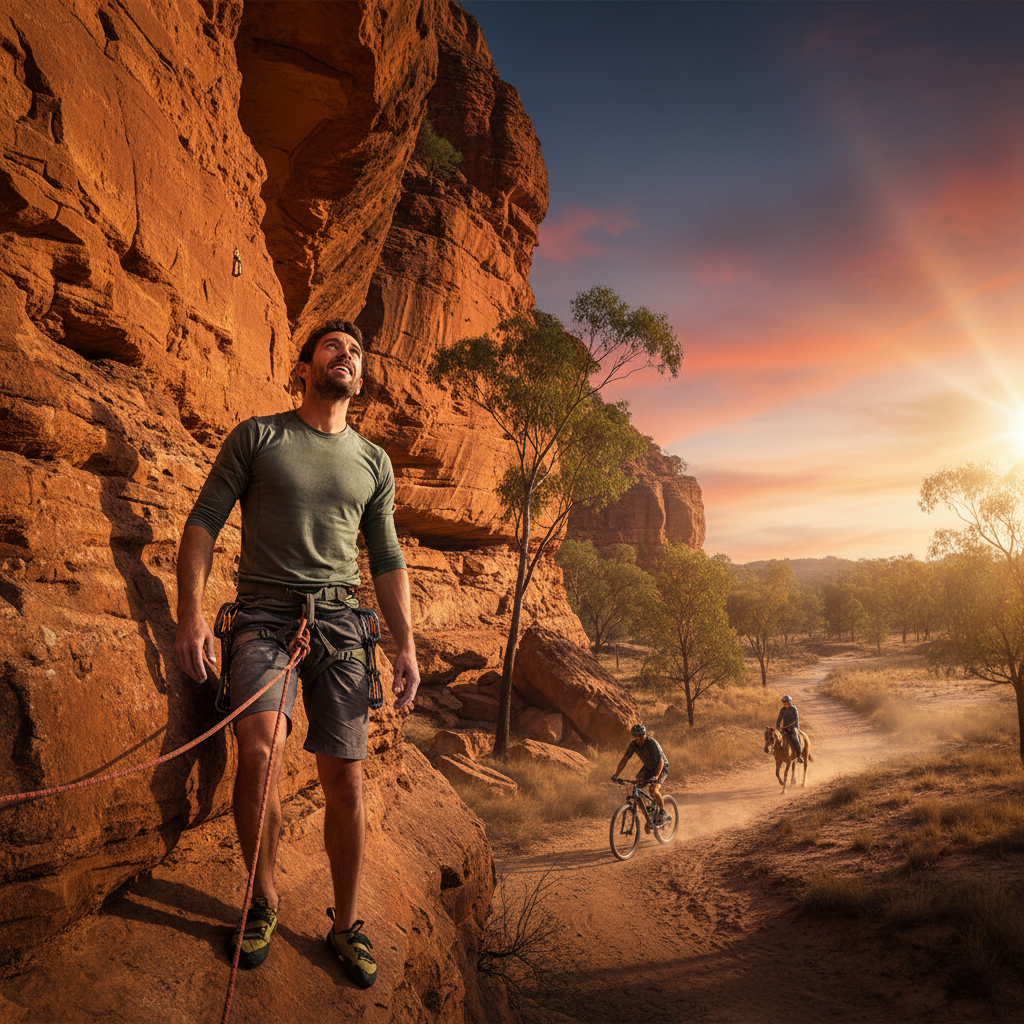
Guard Your Noggin: Sun Protection for Australian Climbers
Australia. Beautiful country. Great climbing. Brutal sun. If you spend any time on the rocks here, you know that sunburn isn't just uncomfortable – it's dangerous. The UV index can rocket, the days feel like they stretch forever, and even on cloudy days, you're getting hammered.
When you're wearing a climbing helmet, you've got the most important piece of safety gear for head protection. But what about your face and neck? Helmets, by design, often leave a lot exposed. And trust us, that exposed skin is a prime target for some serious sunburn, heatstroke, and long-term skin damage.
This isn't about looking like a miner with a wide-brimmed hat. This is about practical, effective protection that won't get in your way when you're focused on the next hold. We're talking about keeping your face and neck dialled, so you can focus on the climb, not the burn.
The Harsh Reality of the Aussie Sun for Climbers
Let's be blunt: Australian sun is no joke. We have some of the highest UV radiation levels in the world. On a clear day, especially during peak hours, that UV index can hit extreme levels. You might think you're not out long enough to matter, or that you've got a base tan, but that's a dangerous gamble.
UV Rays: They don't discriminate. They penetrate clouds and bounce off surfaces like rock and sand, increasing your exposure. They cause sunburn, premature ageing, and significantly increase your risk of skin cancer.
Heat: Beyond the UV, prolonged sun exposure leads to heat exhaustion and heatstroke. Dehydration is a constant threat, and feeling dizzy or nauseous on a climb is a recipe for disaster.
Long Days: Climbing sessions can be long. Waiting for your turn, belaying, or even just enjoying the view – all that time adds up. Without proper protection, you're racking up serious UV exposure.
Common Objections and Why They Don't Cut It
We hear it all. "My helmet has a brim."
Most climbing helmets have a minimal brim, designed for impact protection, not shade. It barely covers your forehead, leaving your nose, cheeks, and neck completely vulnerable. Good for rocks falling, not so good for UV rays.
"I wear sunscreen."
Sunscreen is essential, no doubt. But it's not foolproof. It washes off with sweat, it needs constant reapplication (which is a pain on a climb), and it's easy to miss spots. Plus, how often do you really remember to reapply sunscreen to your neck every two hours while you're onsighting a route?
"I'll just wear a cap under my helmet."
A baseball cap or beanie under a helmet can be a nightmare. It can compromise the helmet's fit and safety, make you overheat, and the brim is usually flimsy and still not enough. Not to mention it's an extra layer to deal with.
"I'm not out that long."
See the point about long days and cumulative exposure. Even a few hours can cause significant damage.
Practical Sun Protection Strategies
Forget fashion. We're going for function. Here's how to actually protect your face and neck while keeping your head safe and your climbing performance up.
1. The Helmet Brim Extender: Your First Line of Defence
This is where things get serious. A purpose-built helmet brim extender is your best friend. These aren't flimsy additions; they're designed to attach securely to your helmet and offer significantly more shade than the helmet's built-in brim.
Think about it: a proper brim extender casts a shade over your entire face – forehead, nose, cheeks, and even your ears. It also provides some much-needed shade for the back of your neck, a commonly overlooked area that burns quickly.
We offer a range of Products specifically designed to integrate seamlessly with your climbing helmet, providing superior sun protection without compromising your helmet's integrity or your field of vision.
2. Sun-Protective Clothing: Beyond the Brim
While a good brim extender covers your face, you still need to cover your neck and any other exposed skin. This is where UPF (Ultraviolet Protection Factor) rated clothing comes in.
Long-Sleeved Shirts: Opt for lightweight, breathable, long-sleeved shirts made from UPF fabric. These can actually keep you cooler than short sleeves because they wick sweat and block UV rays. Look for shirts designed for hot weather and outdoor activities.
Neck Gaiters/Buffs: A simple neck gaiter or buff can be a game-changer. You can wear it as a neck gaiter, pull it up over your mouth and nose on windy, dusty days, or even use it as a makeshift headband. Again, UPF rated is best.
3. Sunscreen Application (The Right Way)
We're not saying ditch sunscreen entirely. It's a crucial backup. But here's how to use it effectively:
High SPF: Use a broad-spectrum SPF 50+ sunscreen. Reapply every two hours, especially after sweating heavily or if you get wet.
Don't Forget the Ears and Neck: These are prime spots for burns and skin cancer. Apply generously. Consider a sunscreen stick for easy application on your face without getting oily hands, which can affect grip.
Lip Balm with SPF: Your lips can burn too. Use a lip balm with at least SPF 30.
Designing Your Sun Protection System for Climbing
Let's break down how to combine these elements for maximum protection.
The Core Components Checklist
You're heading out for a long day of climbing in the Aussie sun. Here's your sun protection essentials list:
[ ] Helmet with Extended Brim Capability: Ensure your helmet can accept a secure brim attachment. (See our Products page).
[ ] Helmet Brim Extender: The primary shade provider for your face.
[ ] UPF Long-Sleeved Shirt: Lightweight and breathable.
[ ] UPF Neck Gaiter/Buff: Versatile skin protection.
[ ] SPF 50+ Sunscreen: Broad-spectrum, water-resistant.
[ ] SPF Lip Balm: To protect your lips.
[ ] Sunglasses (Optional, for approach/descent): Not for climbing with a helmet, but useful for the walk-in and walk-out.
Step-by-Step Guide to Effective Sun Protection
Here’s how to put it all together, practically, before you even step up to the rock.
Step 1: Prepare Your Helmet
If you haven't already, check out our guide on How to Install your Da Brim extender. It's quick and ensures a secure fit.
Attach your chosen brim extender to your helmet. Ensure it's firmly in place. This is your primary shield.
Step 2: Apply Sunscreen
Before putting on any clothing, apply your SPF 50+ sunscreen to all exposed skin: face (including ears and under the chin), neck (front and back), and any other areas not covered by clothing or the brim extender.
Apply lip balm with SPF.
Step 3: Layer Up
Put on your lightweight, UPF long-sleeved shirt. The sleeves should cover your wrists.
Put on your UPF neck gaiter. You can wear it as a simple tube around your neck, or pull it up to cover your lower face if you're particularly sensitive or in very harsh conditions.
Step 4: Wear Your Helmet
Place your helmet on your head, ensuring it's fitted correctly and comfortably over any other headwear you might be wearing (like a liner in extreme cold, though less common in Australia). The brim extender should provide significant shade over your face.
Step 5: During Your Climb (Maintenance)
Reapply Sunscreen: This is crucial. At least every two hours, or more frequently if you're sweating heavily. This might mean taking a short break at a comfortable ledge. It's better than a serious burn.
Adjust Neck Gaiter: If it slips or you need more coverage, adjust it. Ensure it's not hindering your breathing or vision.
Hydrate: Keep drinking water. Dehydration exacerbates the effects of sun exposure.
Why Da Brim is Different
We're not just slapping a piece of plastic on. Da Brim helmet brim extenders are engineered for performance and safety. They are designed to:
Integrate Securely: Using a robust attachment system, they stay put, even in windy conditions or during strenuous activity.
Provide Superior Shade: Engineered for optimal coverage, casting a shadow over your entire face and a significant portion of your neck.
Maintain Visibility: Designed to avoid obstructing your field of vision, so you can see the route ahead.
- Be Lightweight and Durable: Made from materials that won't weigh you down or break easily.
Check out our Products to find the right Da Brim for your helmet. We understand the demands of outdoor activities and the need for effective, no-nonsense protection.
Staying Safe on the Rocks
Climbing is about pushing your limits, but that shouldn't include ignoring the environmental hazards. Sun exposure is a serious hazard in Australia, and it’s one you can actively manage. Don't let a rookie mistake like neglecting sun protection lead to discomfort, long-term health issues, or even a dangerous situation on the cliff.
By combining a helmet with a proper brim extender, UPF clothing, and diligent sunscreen use, you can significantly reduce your exposure to harmful UV rays and heat. It’s about being smart, being prepared, and enjoying more climbs, safely.
If you have any questions about how our products integrate with helmets or our recommendations for sun protection, our FAQ page is a great resource. Or, browse our Blog for more tips and insights from the climbing community.
Protect your skin. Protect your head. Climb on.