
Fit a Helmet Brim: The No-Nonsense Guide for Australian Conditions
Stop squinting and start protecting. This guide will show you how to correctly fit a helmet brim for maximum sun and UV protection, no matter how harsh the Australian sun gets. Learn why fit matters and how to achieve it.
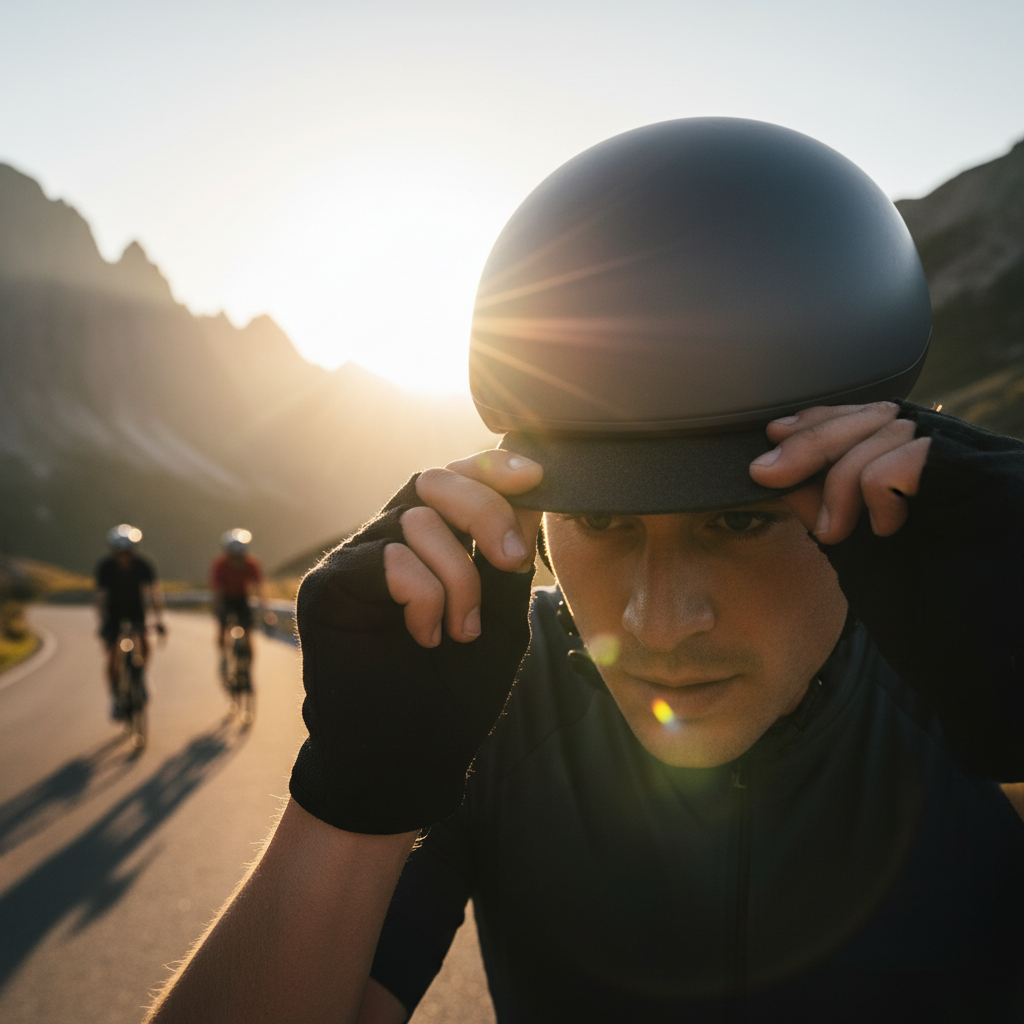
Fit a Helmet Brim: The No-Nonsense Guide for Australian Conditions
Let's cut to the chase. You're wearing a helmet for a reason. Safety. But in Australia, that reason often extends to protecting yourself from our relentless sun. That means the brim on your helmet isn't just for show; it's a crucial piece of your sun-defence strategy. A poorly fitted brim? It's a recipe for squinting, premature wrinkles, and worst of all, sun damage to your face and neck. This guide is about getting it right.
We’re not talking about fiddly procedures. We’re talking practical, actionable steps to ensure your helmet brim offers the shade it’s designed to deliver. Because let's face it, when the UV index is climbing, you don't have time for guesswork.
Why Helmet Brim Fit Matters More Than You Think
It’s simple: a properly fitted brim maximises shade. Think of it like an umbrella. If you hold it too high or too low, you still get wet. Your helmet brim is the same principle applied to sun rays.
UV Protection: The Australian sun blasts high UV rays. A well-fitted brim shields your face, eyelids, and forehead, areas particularly susceptible to sun damage and skin cancer. Over the long days we often experience, this protection adds up significantly.
Glare Reduction: Squinting is more than just annoying; it leads to headaches and difficulty seeing. A brim that’s positioned correctly cuts down on glare, improving your vision and comfort, whether you're on a worksite, a bike trail, or out in the field.
Heat Management: While not its primary function, a good brim can deflect direct sunlight from your face, offering a small but welcome respite from the heat during those scorching summer days.
Comfort: Ultimately, a properly fitted brim feels right. It doesn’t chafe, obscure your vision when you don't want it to, or feel like it’s about to fall off.
Common Objections and Why They're Not Excuses
"It just sits there, what's the big deal?" The 'big deal' is the difference between protecting your skin and leaving it exposed to damaging UV. You wouldn't wear a hat backwards and expect it to keep rain off your face, so don't treat your brim like an afterthought.
"I've got sunglasses." Sunglasses are great for your eyes, but they don't protect the delicate skin on your forehead or the bridge of your nose, which are prime spots for sun damage. A brim offers a much broader defence.
"It looks ridiculous if I adjust it." Let's be honest, practicality trumps vanity when it comes to sun safety. If a perfectly fitted brim helps prevent sunburn and skin cancer, who cares how it looks for those crucial hours of sun exposure? Plus, most modern helmet brims are designed to be functional without looking out of place.
"It’s too hot / It gets in the way." This is usually a sign of a poor fit or the wrong type of brim. We’ll address how to ensure it’s comfortable and functional.
The Da Brim Fit Checklist: Are You Getting It Right?
Before we dive into the step-by-step, give yourself a quick check. Does your current setup pass this practical test?
[ ] Forehead Coverage: Does the brim cast a shadow over your forehead and the upper part of your eye sockets even when your head is tilted slightly forward?
[ ] Eyeline Clearance: When looking straight ahead, does the brim sit above your direct line of sight, or does it constantly obscure your vision?
[ ] Neck Shade Potential: Even without a chin strap adjusted tightly, does the brim extend far enough forward to offer shade to the top of your neck when you look down slightly?
[ ] Stability: Does the brim feel secure when your helmet is on, or does it wobble or shift easily?
[ ] Comfort: Is there any rubbing or pressure points created by the brim’s position relative to your head or helmet?
If you ticked 'no' to more than one, it's time to reassess your brim fitting. For many, aftermarket brims like the Da Brim offer superior adjustability and coverage compared to standard issue. If you're interested in upgrading, check out our range of Products.
Step-by-Step: Fitting Your Helmet Brim for Maximum Australian Sun Defence
This guide assumes you have a helmet and a brim accessory. If you're using an integrated brim, much of this still applies to the helmet itself, but for dedicated brim accessories, this is your game plan.
What You'll Need:
Your helmet
Your helmet brim (e.g., a Da Brim)
A mirror (or a helpful friend)
Good lighting
The Process:
Step 1: Initial Placement & Attachment
First, ensure your brim is correctly attached to your helmet. If you're using a product like the Da Brim, this usually involves a secure clipping or fastening mechanism. Refer to our How to Install guide if you're unsure about the attachment points for your specific model. The key here is that it's securely attached. A loose brim is a useless brim.
Step 2: The 'Looking Down the Road' Test
Put your helmet on. Secure it so it feels snug and stable on your head. Now, stand up and look straight ahead, as if you were walking, cycling, or working.
Angle Check: Is the brim level, or does it naturally sit with a slight downward tilt? Ideally, you want it to be mostly level or tilt very slightly forward. If it's tilting significantly backward, it's giving you no forehead protection. If it's tilting too far forward, it might impede your forward vision.
Vision Check: Can you see clearly in front of you? The brim should be low enough to shade your forehead and eyes, but above your direct line of sight when looking straight ahead. You shouldn't have to tilt your head down unnaturally to see past it.
Step 3: The 'Eyes Forward, Head Straight' Baseline
This is your neutral position. With your helmet on and brim tentatively positioned, use a mirror.
Forehead Shadow: Look directly into the mirror. Does the brim cast a shadow across your forehead? If not, you need to adjust it lower or tilt it forward slightly.
Eyebrow Line: The ideal position is often just below your eyebrows, or such that the brim itself is just above your eyebrow line. This maximises the shaded area on your forehead and eyelids.
Step 4: The 'Tilt Your Head' Adjustments (Crucial for Australian Sun)
This is where you dial in the perfect fit, considering our powerful sun.
Slight Head Tilt Forward: Now, tilt your head forward slightly, as you might when looking down at an obstacle or path. Does the brim continue to offer protection to your forehead and eyes, or does the sun now hit you directly? If the sun hits you, you need to adjust the brim to be lower or tilt forward more.
Slight Head Tilt Upwards: Tilt your head back slightly. Does the brim interfere with your upward vision (important if you're working at heights or looking at signs)? If it's constantly in your way when you tilt your head up, you might need to set it slightly higher or with less forward tilt, then rely more on careful head positioning.
Step 5: The 'Side View' Check
Turn to the side in the mirror.
Ear Protection: Does the brim extend far enough to offer some shade to the tops of your ears? This is often overlooked but crucial for preventing sunburn on a commonly missed spot.
Side Glare: Does it also help block some of the sun that might come in from the sides?
Step 6: The 'Wear it For Ten Minutes' Test
Don't just fit it and forget it. Wear the helmet with the brim adjusted for at least ten minutes while you're doing something.
Is it Annoying? Does it dig in anywhere? Does it feel like it's going to fall off with minor head movements? Does it obscure your vision when you least expect it?
Is it Functional? Do you find yourself constantly adjusting it? This still indicates a fit issue.
If it's uncomfortable or constantly in the way, loosen it and reposition. Make small adjustments. The goal is for you to forget it's there, except for the fact that you're not squinting!
Common Brim Fit Adjustments
Brim Too High / Not Enough Forehead Shade: Lower the attachment points, or increase the forward tilt of the brim. Most Da Brims allow for adjustment of the angle. Check the attachment screws or clips.
Brim Too Low / Obstructing Vision: Raise the attachment points or decrease the forward tilt. You're looking for that sweet spot that shades your eyes without blocking your view.
Brim Feels Loose: Ensure all attachment clips are fully engaged and secure. If it's still loose, you might be using an incompatible brim or your helmet's attachment points are not designed for it. Consult your FAQ or ensure you have a compatible brim like the Da Brim.
Brim Rubbing: This is usually an angle or height issue. Try adjusting the tilt slightly. Sometimes, it might be the shape of the helmet interfering.
Beyond the Fit: Other Sun Safety Considerations
While a proper brim fit is critical, don't forget these basics for Australian conditions:
Sunscreen: Always apply broad-spectrum sunscreen to any exposed skin, even if you think your brim or clothing covers it. Reapply as needed, especially if you're sweating.
Hydration: The Australian sun is dehydrating. Drink plenty of water.
Time of Day: Be extra cautious during peak UV hours (typically 10 am to 3 pm).
Hat Under Helmet? Generally, wearing a thin cap or bandana under* a helmet can add some minor comfort and sweat absorption, but ensure it doesn't compromise helmet fit or add too much heat. It can also sometimes interfere with brim positioning.
Conclusion: Your Brim is Your First Line of Defence
Don't underestimate the power of a correctly fitted helmet brim. In Australia, it's not just about looking good or having a bit of shade; it's a vital component of your daily sun protection strategy. A few minutes spent ensuring your brim is correctly positioned can save you discomfort, reduce glare, and most importantly, protect your skin from damaging UV radiation.
If you've found your current helmet brim isn't cutting it, or if your helmet doesn't have one, consider upgrading. Products like the Da Brim are designed for maximum adjustability and coverage. You can explore our Products to find the right fit for your needs.
Remember to check our Blog for more practical tips and stay informed about outdoor safety. When it comes to the Australian sun, preparation and proper gear fit are non-negotiable.