
Don't Sweat It: Staying Cool and Safe on Australian Climbs
Climbing in Australia means battling the sun. This guide gives you practical, no-nonsense heat management strategies for climbers, focusing on helmet-compatible solutions to keep you cool and focused.
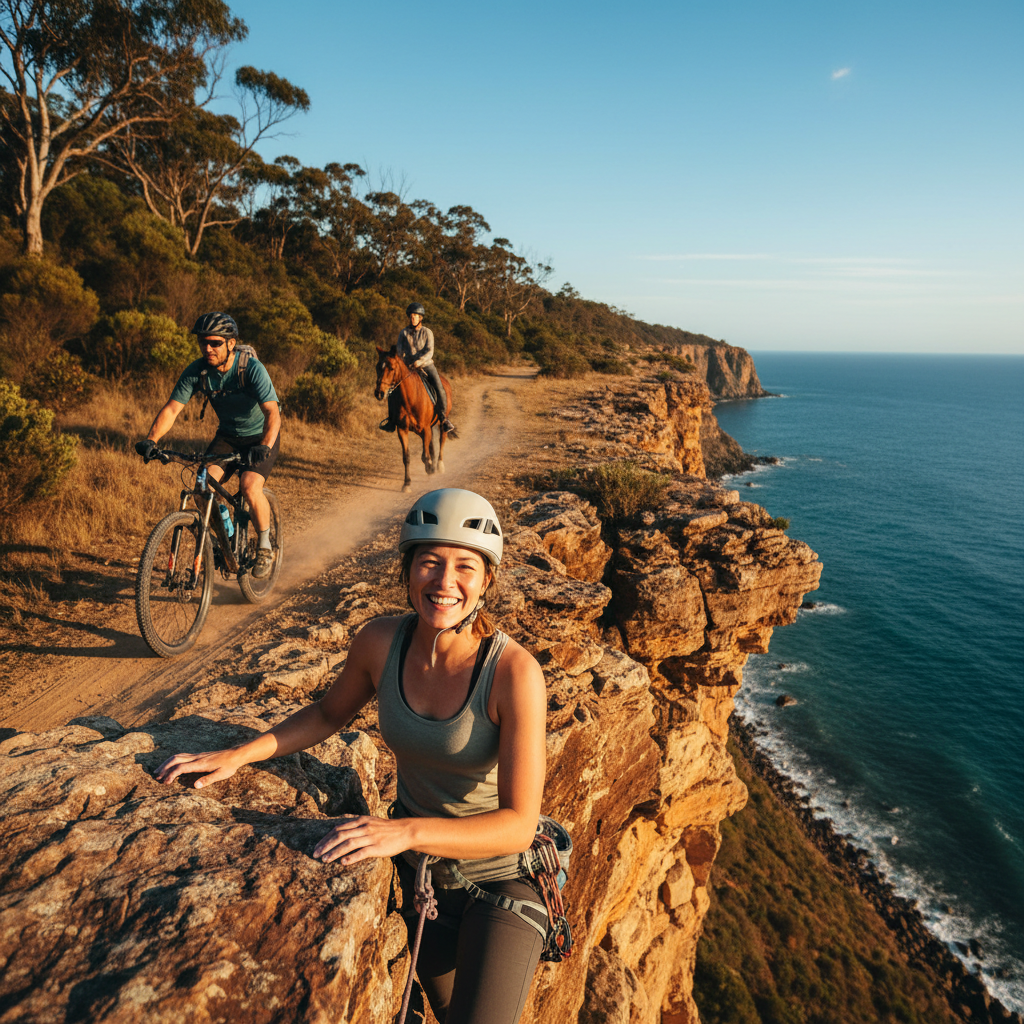
Don't Sweat It: Staying Cool and Safe on Australian Climbs
Australia. Beautiful country. Amazing rock. And, let's be honest, a sun that means business. If you're a climber here, you know that the real enemy on a long day isn't always the grade, but the heat. Overheating is more than just uncomfortable; it’s a serious safety hazard. It impairs judgment, drains your energy, and can lead to heat exhaustion or even heatstroke. Forget mythical creatures, the real danger out there is the silent killer: heat.
This isn't about theoretical advice. This is about practical, dirt-under-your-fingernails, sunburnt-neck advice for Australian climbers who want to get up and get down safely, without feeling like a boiled egg.
The Heat is On: Why You Need a Strategy
We've all been there. You're halfway up a classic multi-pitch, the sun is beating down, your helmet feels like a personal sauna, and your brain is starting to melt. This is where effective heat management transitions from a nice-to-have to an absolute necessity. In Australia, especially during warmer months, the UV index can soar. Long days mean prolonged exposure. We’re not talking a quick park session; we’re talking hours on a exposed rock face. Your body works hard to regulate its temperature, but in intense conditions, its capacity is limited. Pushing past those limits is a fast track to trouble.
Common Objections Handled Like a Pro:
“I’ll just drink more water.” Great start, but hydration is only one piece of the puzzle. You can’t just chug your way out of severe heat stress. If your body can't dissipate heat effectively, you'll still cook from the inside out.
“My helmet has vents, that’s enough.” Vents help with airflow, but they don't block direct sun or manage the radiant heat building up on your head. Think of it like having a fan blowing on a hotplate – it helps a bit, but it doesn’t stop the heat radiating.
“Climbing in the heat builds character.” True, but it also builds heatstroke. Let’s not confuse suffering with skill development. Safety and performance are improved by smart management, not brute-force endurance against predictable conditions.
“I’m acclimatised to the heat.” Acclimatisation helps, but it’s not a licence to ignore the sun. Even the most acclimatised individuals can overheat if they don’t employ good heat management strategies, especially during prolonged exertion.
The Head Honcho: Your Helmet and Heat
Your helmet is your most crucial piece of safety gear. But when it’s baking in the sun, it can become a heat trap. The standard helmet brim offers minimal protection from direct overhead sun. We’re talking about the sun beaming down on your scalp, radiating heat through your helmet, and adding to your core temperature.
This is where extending that protection becomes critical. A wider brim that attaches to your existing helmet is a game-changer. It’s about creating shade where you need it most: directly over your head and face. It diverts the harshest rays, reducing the solar load on your system and allowing your body to focus on climbing, not on fighting off heatstroke.
Think about it: when you’re wearing a hat in the sun, you feel cooler. Why? Because you’re blocking direct sunlight. Applying that same principle to your climbing helmet significantly improves your heat management.
Key Features to Look For in a Heat Management Brim:
UV Protection: The material itself should offer good UV blocking.
Wide Coverage: Enough to cast a decent shadow over your head and shoulders.
Secure Attachment: It must fit firmly to your helmet and not impede your vision or cause any safety issues. Check out our How to Install guide to ensure a proper fit.
Durability: It needs to withstand the rigours of climbing – bumps, scrapes, and being packed away.
Lightweight: You don’t want to add unnecessary weight to your kit.
Practical Heat Management Strategies for Australian Climbers
Beyond the equipment, your behaviour and preparation are just as vital. Heat management is a multi-pronged approach. Skipping any part of it is like leaving a crucial piece of gear at the base.
1. Hydration – More Than Just Water
Start Hydrated: Don’t wait until you’re thirsty. Drink plenty of fluids in the 24 hours leading up to your climb.
Electrolytes are Key: Plain water is good, but for long, hot days, electrolyte drinks are superior. They replenish salts lost through sweat, helping your body retain fluid and function optimally. Think sports drinks or electrolyte tablets.
Sip, Don’t Gulp: Take regular sips while climbing rather than large gulps, which can make you feel bloated.
Carry Enough: Calculate your needs based on the length of the climb, the temperature, and your personal sweat rate. It’s always better to have too much than too little.
2. Timing is Everything
Avoid the Midday Burn: If possible, start your climbs early in the morning and aim to be off the rock before the harshest sun. This is where the advantage of short, intense climbs or planning routes with morning shade comes in.
Seek Shade: Plan your breaks in shaded spots. Even a few minutes out of direct sun can make a significant difference.
3. Clothing and Gear
Lightweight, Breathable Fabrics: Wear light-coloured, breathable clothing. The less your clothes trap heat, the better.
Sun Protection: Beyond your helmet brim, consider long sleeves, pants, and sunscreen for exposed skin. Arm sleeves can be incredibly effective.
Helmet Brim (Yes, Again): This is critical. A good helmet brim is your personal shaded canopy. Check out our Products page for options.
4. Acclimatisation (Slow and Steady)
Build Up Gradually: If you're not used to the heat, don't attempt epic, full-sun climbs on day one. Gradually expose yourself to warmer conditions over a week or two to allow your body to adapt.
5. Listen to Your Body
Recognise the Signs: Early signs of heat stress include dizziness, nausea, headache, excessive sweating (or lack of sweating in later stages), muscle cramps, and confusion. If you experience these, stop climbing, seek shade, rehydrate, and cool down. If symptoms are severe, descend immediately and seek medical attention.
The Checklist: Your Pre-Climb Heat Prep
Don't leave heat management to chance. Run through this quick checklist before you head out:
[ ] Hydration Plan: Bottles filled? Electrolytes included? Sufficient quantity?
[ ] Sun Protection: Sunscreen applied? Appropriate clothing?
[ ] Helmet Brim: Is it attached securely and providing effective shade? Check Installation.
[ ] Timing Scout: Have you considered the sun's path and potential shade? Are you planning for the hottest part of the day?
[ ] Emergency Plan: What will you do if someone shows signs of heat stress?
[ ] Gear Check: Is all your climbing gear in good condition? (See our Products for essential safety items).
Step-by-Step Heat Management During a Climb
Let's break down what you should be doing while you're on the rock.
Before You Start:
1. Hydrate: Drink a good 500ml of water with electrolytes.
2. Sunscreen: Apply SPF 50+ liberally to all exposed skin.
3. Gear Up: Ensure your helmet is on, your brim is secure, and your clothing is appropriate. Carry water readily accessible, not just in your pack.
During the Climb (Rope Team):
1. Leader: The leader experiences the most direct exposure. Pace yourself. Take quick drinking breaks at stances.
2. Belayer: While you might be in shade occasionally, the rock itself radiates heat. Sip water. Stay aware.
3. Transitions: Use quick transitions at belay stations to minimise sun exposure. If there’s shade, use it ruthlessly.
During the Climb (Solo/Bouldering):
1. Frequent Breaks: Take regular breaks in the shade, even if you don't feel severely hot.
2. Hydrate: Drink at every break.
3. Cool Down: Splash water on your face and neck. Wet a bandana and place it around your neck.
4. Monitor: Be brutally honest with yourself about how you're feeling. Dizziness? Headache? Time to call it.
Beyond the Climb: Recovery
So you've finished the climb, triumphant and exhausted. Proper recovery is key to being ready for your next outing and avoiding the cumulative effects of heat stress.
Rehydrate and Replenish: Continue drinking water and electrolyte drinks.
Cool Down: Take a cool shower or bath. Seek out air conditioning if available.
- Rest: Allow your body to recover. Don't push too hard on consecutive hot days without adequate rest and rehydration.
Don't Let the Sun Win
Climbing in Australia is an incredible experience, but it demands respect for the conditions. Treating heat management as seriously as you treat rope management or gear checks is non-negotiable. A simple addition like a helmet brim, combined with smart hydration and timing, can transform a miserable, potentially dangerous day into a safe and enjoyable ascent.
Explore our range of essential climbing safety gear, including helmet brims designed to keep you cool under pressure, on our Products page. For installation tips and answers to common questions, head to our FAQ. And for more on staying safe and performing your best in the outdoors, check out the rest of our Blog.
Stay cool, stay safe, and happy climbing!