
Don't Let Your Helmet Fool You: Sunburn Risks for Australian Climbers
Even on cool days, climbers in Australia face significant sunburn risks. Learn why your helmet isn't a complete shield and how to protect yourself.
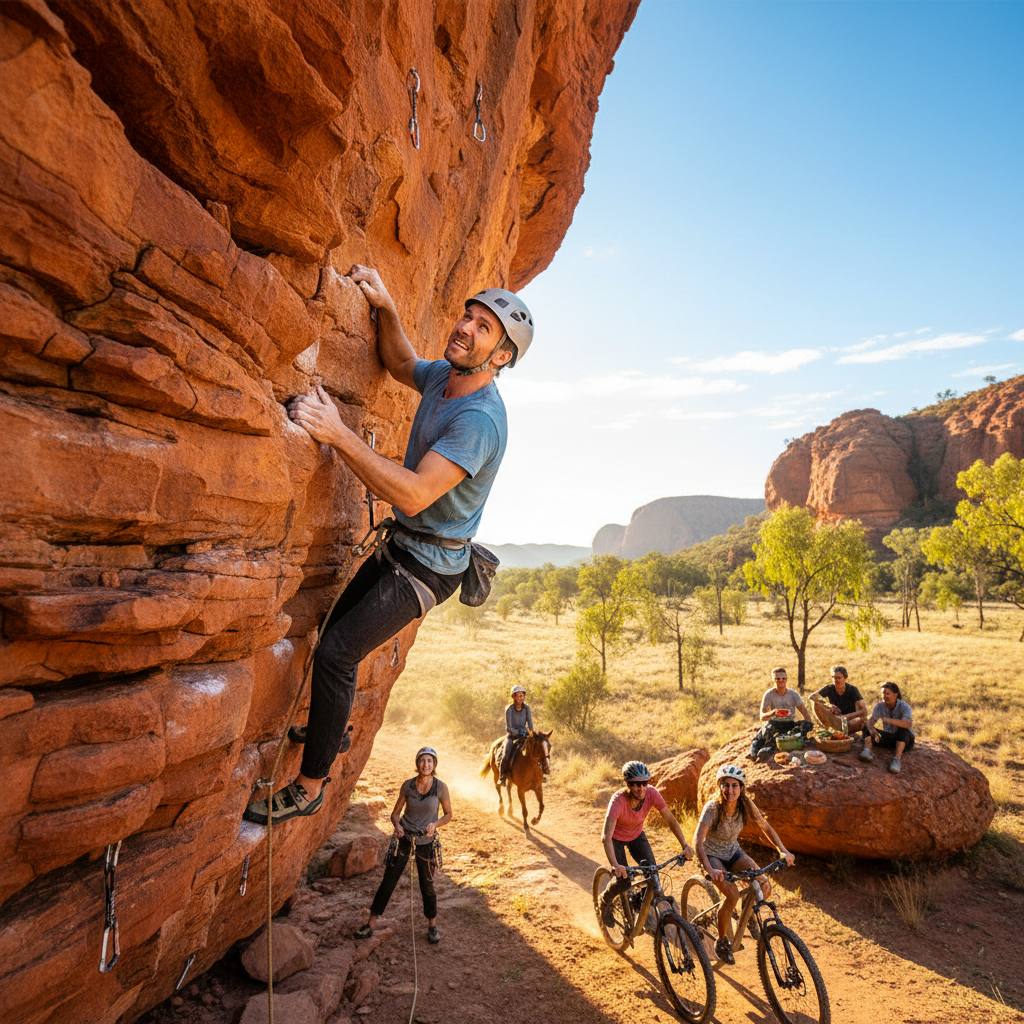
Don't Let Your Helmet Fool You: Sunburn Risks for Climbers in Australia
Australian sun. It's a scorcher. You know this. You’re out there climbing, feeling the burn in your muscles, but what about the burn on your skin? Even on a seemingly 'cool' day, when the wind whips through the crag and you’re not sweating buckets, you can still get a nasty sunburn. Why? Because your helmet, while essential for safety, isn't always the sun-shielding superhero you might think it is.
This isn't about fear-mongering; it's about practical sun safety for Australian climbers. We love our outdoors, and we want you to keep enjoying them without the painful aftermath of UV damage.
The Sneaky Sun: Why Cooler Days Aren't Always Safer
We often associate sunburn with scorching hot days. While high temperatures definitely contribute to discomfort and heatstroke risk, they aren't the sole drivers of sunburn. The real culprit is ultraviolet (UV) radiation, and it’s present even when the air temperature feels… well, Australian cool.
Here’s the lowdown:
UV Radiation Doesn't Care About Temperature: UV rays from the sun penetrate clouds and are present regardless of ambient temperature. On a cloudy, cool day, UV levels can still be high enough to cause sunburn. Australia's UV levels are consistently higher than many parts of the world, especially during certain times of the year and at different latitudes. Even when you're not sweating, UV is doing its damage.
Altitude Amplifies UV: Climbing often takes you to higher elevations. At higher altitudes, there's less atmosphere to absorb UV radiation, meaning you're exposed to a more intense dose. So, the higher you climb, the greater your risk.
Reflection is a Killer: Bright, reflective surfaces can significantly increase your UV exposure. Rock faces, especially lighter coloured ones, can bounce UV rays back onto your skin, hitting you from multiple angles. Snow, water, and even sand do this too, and while you might not be climbing on snow in most of Australia, rock reflects.
Long Exposure Times: Climbing is often an activity that involves prolonged periods outdoors. Even if the UV index is moderate, spending several hours on the rock means cumulative exposure. Think about a typical climbing day: you're out from mid-morning to late afternoon, often during the peak UV hours.
The 'Cool Wind' Illusion: That refreshing breeze that feels great can also trick you. It cools your skin, masking the sensation of heat and, therefore, the feeling of being sunburnt. You might not feel the burn until you're back at the car or, worse, the next morning.
Your Helmet: A Partial Solution
Helmets are designed for impact protection, not full-coverage sun protection. While they shield the top of your head, there are significant areas left vulnerable.
Think about it:
Face: Your forehead, nose, cheeks, ears, and chin are often exposed, especially when looking up or down, or when the sun is at an angle.
Neck: The back of your neck and the nape are prime targets for UV rays, particularly if your helmet sits higher or you’re wearing a low-cut shirt.
Underside of the Chin: Again, when looking up, this area can be directly exposed to the sun reflecting off the rock.
Common Vulnerable Spots:
| Area Exposed | Why it's a risk during climbing |
|---|---|
| Nose |
| Cheeks | Directly hit by overhead sun and reflected UV from rock.
| Ears | Often missed by sunscreen application, easily burnt.
| Forehead | Exposed above helmet brim, particularly when looking down/forward.
| Neck (back) | Directly exposed when looking upwards. Sweat can wash off protection.
| Underside of chin | Sun can hit this from below, especially when looking up.
Australian UV Index: Know Your Enemy
Australia has one of the highest UV levels in the world. The UV Index is a daily forecast of the intensity of UV radiation. Ideally, you should be checking the UV Index for your specific location before heading out.
Generally, when the UV Index is 3 or above, sun protection is recommended. For much of Australia, especially during warmer months and in northern regions, the UV Index frequently reaches 6, 7, 8, or even higher during peak daylight hours (approximately 10 am to 3 pm).
Even on cooler days, if the UV Index is 3 or higher, you're at risk. This is incredibly common across Australia for most of the year.
Proactive Sun Safety: Beyond the Helmet
Since your helmet doesn't cover everything, you need a multi-pronged approach. This is where practical, everyday habits come in.
Checklist for Sun-Safe Climbing:
[ ] Sunscreen: High SPF (30+ or 50+), broad-spectrum, water-resistant. Apply generously to all exposed skin before you leave.
[ ] Reapplication: Don't forget to reapply sunscreen every 2 hours, and more often if sweating heavily or after swimming/wiping.
[ ] Protective Clothing: Long-sleeved shirts (lightweight, breathable, UPF rated), long pants or tights. Consider fabrics that offer UV protection.
[ ] Hat: A wide-brimmed hat or legionnaire-style hat to wear when you're not actively climbing or belaying and are exposed to the sun.
[ ] Sunglasses: UV-protective sunglasses to guard your eyes and the delicate skin around them.
[ ] Lip Balm: Even your lips can burn! Use a lip balm with SPF.
[ ] Seek Shade: Utilise shaded areas during breaks whenever possible.
[ ] Timing: Be mindful of peak UV hours. If possible, climb during cooler parts of the day or plan longer sessions for dawn/dusk.
Attaching Extra Protection: The Da Brim Solution
This is where things get a bit more advanced and comfortable. Standard climbing helmets, for all their safety features, are not designed with integrated sun protection for the face and neck. That's where an accessory like Da Brim can make a real difference.
Da Brim is designed to extend the shade provided by your helmet, covering those vulnerable areas that traditional helmets miss. It’s about adding intentional sun protection without compromising your safety or comfort.
How to Install Your Da Brim:
Installing a Da Brim is straightforward – it’s designed to be user-friendly. The key is to ensure it’s securely attached and doesn't interfere with the helmet's integrity or fit.
Step-by-Step Installation:
1. Gather Your Gear: You'll need your helmet, your Da Brim, and any included instructions or attachment mechanisms (often velcro or a specific strap system).
2. Assess Your Helmet: Look at the edge of your helmet where the Da Brim will attach. Ensure the surface is clean and dry. Some helmets have a specific lip or groove that the Da Brim is designed to slot into.
3. Position the Da Brim: Carefully place the Da Brim around the circumference of your helmet. Ensure it's centred and you're happy with the coverage it offers – where the brim extends forward, backward, and to the sides.
4. Secure the Attachment: Follow the specific instructions for your Da Brim model. This typically involves:
Velcro Straps: Adhering velcro strips to the helmet and the Da Brim, then pressing them together.
Tensioning System: Some models might use a drawcord or strap system that cinches around the helmet for a snug fit.
Clip-in Mechanisms: Specialised attachments that clip into existing ports or features on the helmet.
5. Test the Fit: Gently wiggle the Da Brim. It should feel secure and not shift easily. Ensure it doesn't obstruct your vision when looking up, down, or to the sides. Check that it doesn't interfere with the helmet's suspension system or any other safety features.
6. Adjust if Necessary: If it feels loose, re-read the instructions and try again. A secure fit is crucial for both effectiveness and comfort.
For detailed visuals and specific guidance, check out our How to Install page.
Why Add a Da Brim?
Extended Shade: Provides significant shade for your face, ears, and neck – areas often missed by a standard helmet.
Reduced Glare: Helps shield your eyes from direct sunlight and glare, improving comfort and visibility.
Sunburn Prevention: Directly protects vulnerable skin from harmful UV rays, reducing the risk of painful sunburn.
Comfort: Minimises glare and heat on your face, making for a more pleasant climbing experience.
Compatibility: Designed to work with many popular climbing helmet models.
We offer a range of Products designed with these practical needs in mind.
Overcoming Objections: "But I Don't Burn Easily" or "It's Too Hot"
Objection 1: "I don't burn easily."
Response: It's great you have resilient skin! However, cumulative UV damage is a serious concern, regardless of how quickly you show the burn. Skin cancer is a real risk in Australia, and even 'cool' days with moderate UV can contribute to long-term damage. Prevention is always the best approach, so even if you don't burn easily, protecting your skin is a smart move for your health. Think of it like wearing safety gear – you don't wear a helmet hoping to hit your head, but you wear it in case.
Objection 2: "It'll be too hot with extra gear."
Response: We understand the concern. The key is choosing the right gear. Lightweight, breathable fabrics for clothing, and accessories designed for ventilation are crucial. A Da Brim, for instance, is made from durable yet lightweight materials and is designed to allow airflow. The shade it provides can actually make you feel cooler by preventing direct sun on your face. Plus, suffering a severe sunburn is far more uncomfortable than a well-ventilated, protective setup.
Objection 3: "Sunscreen is enough."
Response: Sunscreen is a vital part of your sun protection strategy, but it's not foolproof. It can rub off, sweat can wash it away, and it’s easy to miss spots – especially on the neck or ears during activity. Physical barriers like hats and extended brims offer more consistent and reliable protection, especially for those often-exposed areas. Combining sunscreen with clothing and accessories like a Da Brim offers the most comprehensive defence.
Final Thoughts: Be Smart, Climb Safe
As Australian climbers, we're blessed with incredible outdoor environments. But that environment comes with powerful UV radiation. Don't let the 'cool' factor of a breezy day lull you into a false sense of security. Your helmet is for impact; your sun protection strategy is for your skin.
By understanding the risks, adopting good habits, and considering practical additions like a Da Brim, you can enjoy your climbs to the fullest while keeping your skin safe. Explore our Products for solutions that integrate seamlessly with your climbing gear.
Need more information? Head over to our FAQ or browse more tips on our Blog.
Stay safe out there!