
Don't Let the Sun Knock You Off: Helmet Sun Safety for Australian Climbers
Sun exposure is a serious risk for Australian climbers. Your helmet protects your head, but what about your face and neck? Learn practical sun safety for the crag, focusing on preventing burns, heatstroke, and long-term damage, especially with our intense UV.
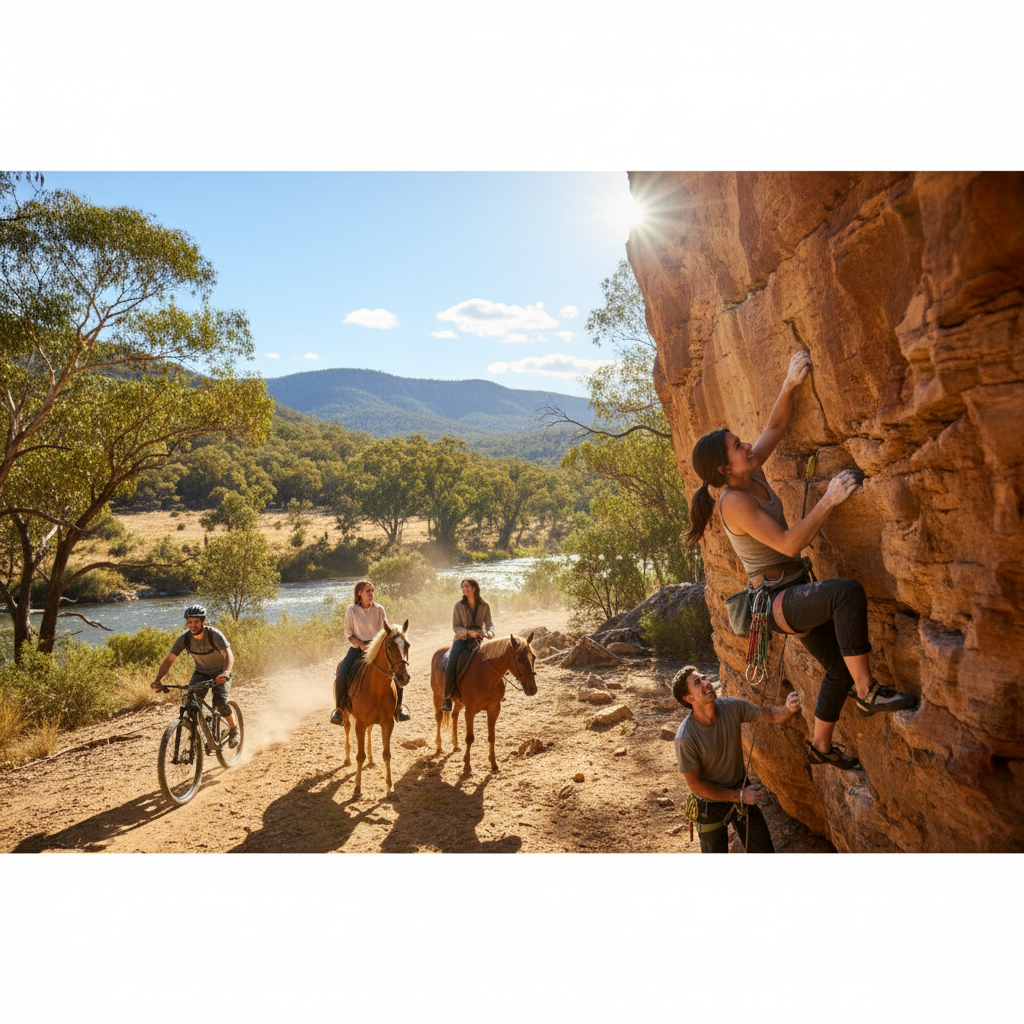
Don't Let the Sun Knock You Off: Helmet Sun Safety for Australian Climbers
We love climbing in Australia. The landscapes are epic, the rock is world-class, and the weather, for the most part, is brilliant. But let's be honest, a lot of that brilliant weather comes with a side of serious sun. We’re talking about UV levels that can fry an egg on the pavement, long days that stretch your exposure, and heat that can leave you dehydrated and dazed. Your helmet is crucial for safety, protecting you from impacts. But what about protecting you from the sun’s harsh rays that blast down on you all day, whether you're at the crag, on a multi-pitch, or even belaying?
Ignoring sun exposure while climbing isn't just about getting a sunburn. It's a tangible risk that can affect your performance, your health, and your long-term well-being. We're going to cut to the chase: how to stay safe from the sun when you're out there, with a specific focus on how your helmet can (and should) be part of your sun protection strategy.
The Unseen Dangers of Sun Exposure at the Crag
It’s easy to dismiss sun exposure as a minor inconvenience. You'll just ‘get a tan’. But in Australia, that tan is a sign of skin damage, and the immediate effects can be far more serious than a bit of redness.
1. Sunburn and Skin Damage
This is the obvious one. Prolonged, unprotected exposure to UV radiation leads to sunburn, which is painful and damaging. But the damage goes deeper. UV rays penetrate the skin, leading to premature aging (think wrinkles and sunspots) and, crucially, increasing your risk of skin cancer. Climbers often spend hours outdoors, exposed to direct and reflected sunlight from rock faces, water, and even the ground. That burn you get on your neck or ears while hanging belay? That’s direct damage.
2. Heatstroke and Heat Exhaustion
Our Australian climate can be brutal. High temperatures combined with physical exertion and dehydration significantly increase the risk of heat-related illnesses. Heat exhaustion can manifest as heavy sweating, dizziness, nausea, and fatigue – all of which can compromise your focus and physical ability on the rock. Heatstroke, the more severe form, is a medical emergency where your body stops regulating its temperature, leading to confusion, loss of consciousness, and potentially fatal consequences. Wearing a helmet, especially a dark-coloured one, can absorb a lot of heat, making you even more susceptible if you’re not managing your overall temperature.
3. Dehydration
When you’re focused on a climb or a pitch, it’s easy to forget to drink. Combine that with sweating under the sun and potentially under a heat-absorbing helmet, and dehydration can set in quickly. Even mild dehydration impairs cognitive function and physical performance, making you more prone to mistakes, both on and off the rock. Severe dehydration is a serious health risk in its own right.
4. Long-Term Risks
Beyond the immediate discomfort and dangers, chronic sun exposure contributes to long-term health issues. This includes a higher lifetime risk of developing melanoma and other skin cancers, as well as advanced skin aging. The cumulative effect of years spent climbing in the Australian sun needs to be taken seriously.
Your Helmet: More Than Just Impact Protection
Your helmet is a critical piece of safety gear. But while it’s designed to protect your head from falling rocks or impacts, it often leaves large parts of your face and neck vulnerable. That’s where smart additions and strategies come in.
The Problem: Gaps in Coverage
Think about it. Most climbing helmets are designed with ventilation in mind. Great for cooling, but also pathways for UV rays. The front of your helmet sits high on your forehead, leaving your nose, cheeks, and ears exposed. Your neck, often exposed when craning your head up to spot or communicate, is also a prime target. Belayers are often stationery for long periods, directly facing the sun with little head coverage beyond their helmet.
The Solution: Extending Your Helmet’s Protection
A helmet alone isn't enough for comprehensive sun protection in Australia. You need to think about extending its coverage. We’re talking about integrating proactive measures that work with your helmet, not against it.
Here’s where accessories and strategic choices become essential:
Wide-brimmed helmet attachments: These are game-changers. A well-designed brim that attaches securely to your helmet can shade your face, ears, and neck significantly. Look for ones offering UPF protection. These should be lightweight and durable enough for climbing. We’ve developed options that integrate seamlessly with most standard climbing helmets. You can explore them under our Products section.
Broad-spectrum sunscreen: This is non-negotiable. Apply liberally and frequently to all exposed skin: face, neck, ears, and the backs of your hands. Choose a high SPF rating (30+ or 50+) and ensure it's broad-spectrum (protects against both UVA and UVB). Reapply every 2-3 hours, or more often if you’re sweating heavily.
Sun-protective clothing: Long-sleeved shirts and long pants made from lightweight, breathable, UPF-rated fabric are your best friends. They create a physical barrier against the sun that sunscreen alone can't replicate. Think about neck gaiters or buffs that can be pulled up to protect your neck and lower face.
*Wide-brimmed hats (as an alternative or additional layer): While not a replacement for a helmet, a wide-brimmed hat can be worn under some helmets for extra shade if it fits safely and doesn't compromise helmet stability. Alternatively, for rest periods or non-climbing activities on a sunny day, a wide-brimmed hat is excellent. However, for protection while climbing, rely on helmet-integrated options.
Practical Sun Safety Checklist for Climbers
Make this your pre-climb routine. Don’t leave home without it.
[ ] Check the UV index for the day. (If it’s 3 or higher, take it seriously).
[ ] Apply broad-spectrum sunscreen (SPF 30+ / 50+) to all exposed skin 15-20 minutes before going outside.
[ ] Reapply sunscreen every 2-3 hours, or after swimming/excessive sweating.
[ ] Wear UPF-rated, lightweight, long-sleeved shirts and pants.
[ ] Ensure your helmet has a suitable brim attachment for maximum face and neck shade, or use a dedicated sun shield.
[ ] Consider a neck gaiter or buff for extra neck and lower facial protection.
[ ] Drink plenty of water throughout the day, even if you don’t feel thirsty.
[ ] Seek shade during rest periods. If shade isn’t available, use your accessories to create it.
[ ] Protect your eyes with UV-blocking sunglasses.
[ ] Be aware of the signs of heat exhaustion and heatstroke in yourself and your climbing partners.
Integrating Sun Safety with Your Gear: A Step-by-Step Approach
Let’s get practical. How do you actually do this at the crag?
Step 1: Pre-Crag Preparation
Assess your gear: Is your helmet in good condition? Does it have a secure way to attach additional sun protection? If not, it’s time to look at Products that can upgrade your existing helmet.
Pack smart: Alongside your ropes, shoes, and draws, pack your sun essentials: sunscreen, UPF clothing, brim attachment, hat, sunglasses, and plenty of water.
Apply sunscreen at home: Give yourself a head start by applying your first layer of sunscreen before you even leave.
Step 2: At the Crag – The Helmet Setup
Attach your brim: If you're using an accessory brim, attach it securely to your helmet. Ensure it doesn't obstruct your vision or the helmet's protective capabilities. Don't know how? Check out our guide on How to Install.
The Double-Layer: For maximum protection, consider wearing a lightweight, UPF-rated balaclava or neck gaiter under your helmet. It covers areas the helmet and brim might miss, like your ears and the nape of your neck.
Step 3: During Climbing and Belaying
Keep it on: Wear your helmet consistently while climbing, traversing, or in any situation where falling debris or impacts are possible. And keep the brim on for sun protection.
Reapply religiously: Set timers on your watch or phone if you need to. Reapply sunscreen during transitions between pitches, during breaks, or whenever you feel your skin might be getting too much sun.
Hydrate consistently: Take small sips of water frequently. Don't wait until you feel parched.
Belayer’s sun duty: Belayers are often in the sun for extended periods. Ensure your belayer also has their helmet on and their face/neck are protected. They are just as vulnerable as the climber.
Step 4: Post-Climb
Assess skin: Check for any areas you might have missed. Treat any sunburn gently.
Hydrate and recover: Continue drinking fluids.
Common Objections and How to Handle Them
We get it, adding extra gear or changing habits can feel like a hassle. Let’s address some common objections:
Objection 1: “It’s too hot and my helmet is already hot enough. I don’t want to add more.”
Reality: While a helmet does trap heat, a properly ventilated helmet coupled with a lightweight brim attachment often creates more shade, reducing the direct solar gain on your face and neck. The key is choosing breathable materials and ensuring good airflow. Heat exhaustion is a far greater risk than a slightly warmer head. Think of it as creating your own shade.
Objection 2: “A brim will snag on things or fall off.”
Reality: This is a valid concern, which is why design and secure attachment are crucial. Our Products are engineered for a secure fit and a profile that minimises snagging. Testing and user feedback have led to designs that are robust yet aerodynamic. Proper installation, as detailed on our How to Install page, is key.
Objection 3: “I only climb for a few hours; I’ll be fine.”
Reality: In Australia, even a few hours in direct sun can cause significant UV damage and contribute to heat-related issues. The UV index can be high throughout the day. Long days at the crag, especially in summer, can easily extend your exposure beyond safe limits. Consistent, proactive sun protection is always the best approach.
Objection 4: “Sunscreen is sticky and I’ll get it in my eyes.”
Reality: While true if not applied carefully, using a good quality, non-greasy sunscreen and a helmet brim significantly reduces the amount of sweat and sunscreen dripping into your eyes. Applying it precisely to your face and neck, and reapplying it to your hands before touching your face, helps. The discomfort of a bit of sticky sunscreen is far less than a sunburnt eyeball or a splitting headache from heat exhaustion.
Conclusion: Don't Let Sunburn Be Your Downfall
Australian climbing conditions demand respect for the sun. Your helmet is your primary defence against head injuries, but it’s only one part of the puzzle when it comes to staying safe outdoors. By integrating smart sun protection strategies – including well-designed helmet accessories, diligent sunscreen application, and appropriate clothing – you can significantly reduce your risks.
Don’t let a preventable sun-related incident cut your climbing day short or, worse, cause long-term health problems. Prioritise sun safety just as you would rope safety. Explore our range of Products designed to enhance your helmet's protective capabilities and check out our FAQ for more answers.
Stay safe, stay shaded, and keep sending it!
For more tips and news relevant to climbers, visit our Blog.