
Don't Let the Sun Knock You Off: Heat Management for Australian Climbers
Climbing in Australia means dealing with serious sun. Learn practical, no-BS heat management strategies to stay safe and send harder, from helmet choices to hydration hacks. Your head's survival depends on it.
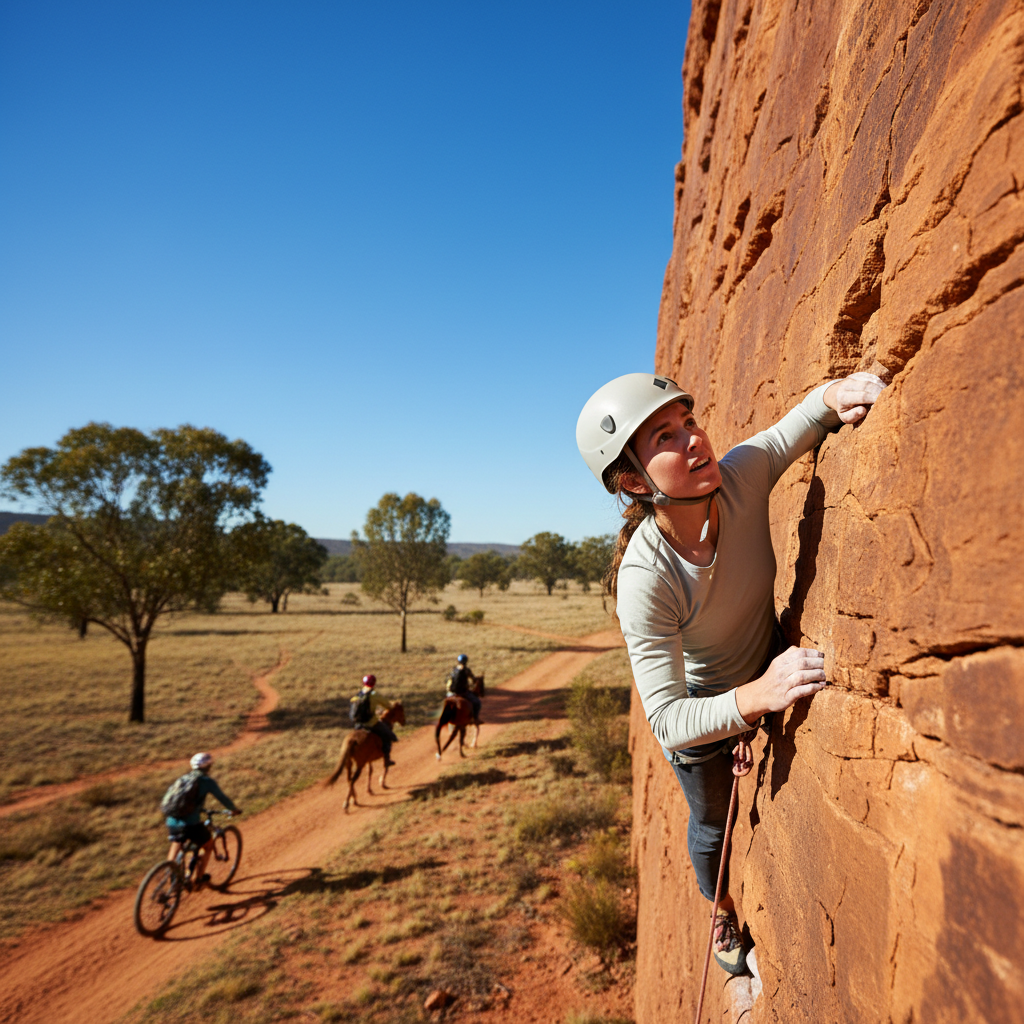
Don't Let the Sun Knock You Off: Heat Management for Australian Climbers
Let's cut the chitchat. Climbing in Australia is epic. The rock, the views, the sheer bloody-minded challenge. But we all know the flip side: the sun. It’s not a gentle Australian summer afternoon like your mate from overseas might imagine. It’s a furnace. Long days, high UV, and heat that can turn a strong climber into a wilting mess before they even reach the crux. Your helmet, your lifeline, can also become a personal sauna. This isn't about looking cool; it's about staying functional and, frankly, alive.
This guide is for you, the climber hitting the crags in Queensland, WA, the NT, or even those scorching inland spots in NSW and Vic. We’re talking practical, unvarnished advice on managing heat, because overheating is a performance killer and a serious safety hazard.
Why Heat Management is Non-Negotiable for Climbers
Think about what happens when your body overheats. Your core temperature rises. Your heart rate spikes trying to pump blood to your skin to cool you down. This leaves less blood for your working muscles, which means your grip fails faster, your focus blurs, and your decision-making goes downhill faster than a scree slope. Add dehydration into the mix – which is almost guaranteed in the Australian heat – and you’re on a one-way ticket to heat exhaustion or, worse, heatstroke.
Australian conditions are notorious. We have UV indexes that can hit extreme levels even outside of the hottest months. Long roasts under the midday sun on exposed faces are common. Even a short approach can leave you drenched before you even tie in. Your helmet, while crucial for impact protection, can trap heat and sweat, making things worse if not managed properly. Ignoring heat is like ignoring the fall. It's a fundamental risk you can't afford to.
Your Helmet: Friend or Foe in the Heat?
Your helmet is your primary safety device. Period. But let's be honest, when the mercury climbs, it can feel like a sweltering oven strapped to your head. Traditional helmets often have limited ventilation, and the materials can absorb and retain heat. This is where understanding your gear and making smart choices comes in.
Ventilation Matters
Some helmets are designed with more airflow than others. Look for models with generously sized vents. However, don’t assume more vents automatically mean a cooler head. The placement, shape, and how well they work with your head and hair can make a big difference. Remember, even with good ventilation, sweat will build up. You need strategies to manage that.
Material Science
While most climbing helmets are made from sturdy plastics (ABS or polycarbonate shells) and EPS foam liners, some newer designs might incorporate lighter materials or different liner constructions that can aid in heat dissipation. However, the core function remains impact absorption. Don’t sacrifice safety for a perceived bit of coolness.
The 'Da Brim' Advantage
This is where accessories designed for specific problems become invaluable. A helmet brim, like the Da Brim, can do more than just keep the sun out of your eyes. It can:
Shade your face and neck: Reducing direct solar radiation on your skin, which significantly lowers overall heat absorption.
Channel airflow: Some designs can even create a subtle airflow effect, directing heat and sweat away from your head.
Protect your helmet: It can also shield your helmet's shell from direct sun, which can reduce the heat transferred to the inner liner.
It’s a simple addition, but in the harsh Australian sun, it’s a game-changer for comfort and sun protection. Check out our Products page to see the range. Installation is a breeze – see our How to Install guide.
Practical Heat Management Tips: Before, During, and After
Your approach to heat management needs to be holistic. It’s not just about fanning yourself with your helmet. It starts before you leave the house and continues long after you’ve packed up.
Pre-Climb Preparation
Hydrate Religiously: Start hydrating the day before your climb, not just on the drive to the crag. Water is your primary defence. Electrolyte drinks can also be beneficial, especially if you're prone to salty sweat.
Acclimatise (if possible): If you're heading to a significantly hotter area, try to spend a day or two there before tackling the hardest routes. Your body adapts.
Check the Forecast – Really Check It: Don’t just look at the maximum temperature. Look at the UV index, the wind speed (oppressive heat with no wind is brutal), and the humidity. Plan your climbing days around the worst of it if you can. Early mornings and late afternoons are your friends.
Pack Smart:
Plenty of Water: More than you think you’ll need. Imagine the climb taking twice as long.
Electrolyte Tablets/Powder: For topping up.
Cooling Towels: Microfibre towels soaked in water can provide significant cooling relief.
Sunscreen: Apply a good SPF 50+ liberally.
Light-Coloured, Loose Clothing: For the approach and rest stops.
Eat Wisely: Avoid heavy, fatty meals before a long, hot day. Opt for easily digestible carbs and proteins. Excessive caffeine on an already hot day can also contribute to dehydration.
On the Crag: Staying Cool
Strategic Sunscreen Application: Reapply regularly, especially on exposed areas like your neck, ears, and the back of your hands. A climbing-specific sunscreen that doesn't sting your eyes when you sweat is a bonus. Our Products page might have some ideas for complementary gear.
Embrace the Shade: Use rest days for the approach, belay from the shadiest spot possible. If you have to climb in the sun, plan your burns to be as short as possible.
Hydration Breaks: Sip water constantly, don't wait until you're parched. Use your cooling towel between climbs. Dampen it, wring it out, and drape it around your neck or head.
Helmet Management:
Remove it when not climbing or on belay if safe: If you’re scrambling to a belay ledge or taking a long break in a shaded, safe spot, take your helmet off to let your head breathe.
Use a sweatband: A good quality, absorbent sweatband under your helmet can capture a significant amount of sweat before it drips into your eyes or exacerbates the heat buildup.
Consider a brim: As mentioned, a Da Brim can significantly increase your functional shade and help manage sweat evaporation.
Pacing is Key: Don’t go all out from the start. Conserve energy and hydration. Take longer rests if needed, especially if you’re feeling the heat.
Listen to Your Body: This is critical. Early signs of heat stress include headache, dizziness, nausea, excessive thirst, and muscle cramps. If you experience these, stop climbing. Find shade, hydrate, and cool down. Don’t push through.
Post-Climb Recovery
Rehydrate and Replenish: Continue drinking water and consider an electrolyte replacement drink.
Cool Down: A cool shower or a dip in a waterhole (if available and safe) can be incredibly beneficial.
Rest: Your body has been through a lot. Give it time to recover. Avoid strenuous activity in the heat immediately after climbing.
Common Objections and How to Handle Them
“It’s too much hassle to bring extra gear/plan.”
Response: The hassle of dealing with heat exhaustion or a heatstroke is infinitely greater. Being unable to climb, or worse, requiring medical evacuation, is the ultimate hassle. A few extra bottles of water and a cooling towel are minimal effort for maximum safety.
“I’ve always climbed in the heat without issue.”
Response: Conditions change, and so does your body. Age, fitness levels, and prior heat exposure can all impact your tolerance. Furthermore, you might be pushing harder now than you were a few years ago. What worked before might not work now. Complacency is dangerous.
“A helmet is hot enough on its own, I don’t need a brim.”
Response: A brim isn’t meant to replace ventilation; it’s an enhancement for sun protection and heat management. It shades your face, reducing the radiant heat load on your head and neck. It’s about adding layers of protection, not just relying on your helmet’s inherent cooling.
“I just drink a lot of water.”
Response: Hydration is crucial, but it’s only one part of the equation. You can drink tons of water and still overheat if you don’t manage your body’s heat load through shade, reduced exertion, and cooling strategies.
Heat Management Checklist for Australian Climbers
Here’s a quick rundown. Keep this handy:
[ ] Hydrate well the day before.
[ ] Check UV index AND temperature.
[ ] Plan climbs for cooler parts of the day.
[ ] Pack more water than you think you’ll need.
[ ] Pack electrolyte replacement.
[ ] Pack a cooling towel.
[ ] Apply SPF 50+ sunscreen liberally and reapply.
[ ] Wear light-coloured, loose clothing for approaches.
[ ] Use shade whenever possible.
[ ] Sip water constantly.
[ ] Consider a helmet brim like Da Brim.
[ ] Wear a sweatband under your helmet.
[ ] Remove helmet when safe and not climbing.
[ ] Listen to your body – recognise heat stress symptoms.
[ ] Take longer rests if needed.
- [ ] Cool down effectively post-climb.
Beyond the Basics: What Else Can You Do?
If you're serious about climbing in the Australian heat, consider these advanced points:
Nutrition’s Role
Certain foods can help your body stay cooler. Water-rich fruits and vegetables like watermelon, cucumber, and berries can contribute to hydration. Avoiding heavy, processed foods that require more energy to digest (and thus generate more body heat) is also a good strategy.
Acclimatisation Techniques
For those who live in cooler climates and are travelling to a hotter one, dedicated acclimatisation is key. This could involve several days of lighter activity in the heat before undertaking significant climbing. This allows your body to adapt its sweating rate and cardiovascular responses.
Understanding Your Personal Limits
Everyone handles heat differently. Factors like age, body mass, fitness, and even recent illness can play a role. Be honest with yourself about your capabilities on a hot day. It’s better to bail on a project than to push yourself into a dangerous situation.
Conclusion: Send Smart, Stay Safe
Climbing in Australia requires respect for the environment, and that includes its intense solar radiation and heat. Your helmet is paramount for safety, but your approach to heat management dictates how well you perform and, more importantly, how safely you return to the ground.
Don’t underestimate the sun. Integrate these practical tips into your climbing routine. Hydration, smart gear choices like a helmet brim, strategic planning, and constant awareness of your body’s signals are your best tools. A little preparation goes a long way to ensuring more sends and fewer heat-induced setbacks.
For more on gear that can help you out, head to our Products page. If you’re unsure about anything,Our FAQ page has answers. And for more climbing advice, check out our Blog.
Stay cool, climb on.