
Don't Let the Sun Cut Your Climb Short: Protecting Your Face and Neck
Climbing in Australia means dealing with intense UV. Learn how to shield your face and neck from sunburn, heatstroke, and long-term skin damage without compromising your climb.
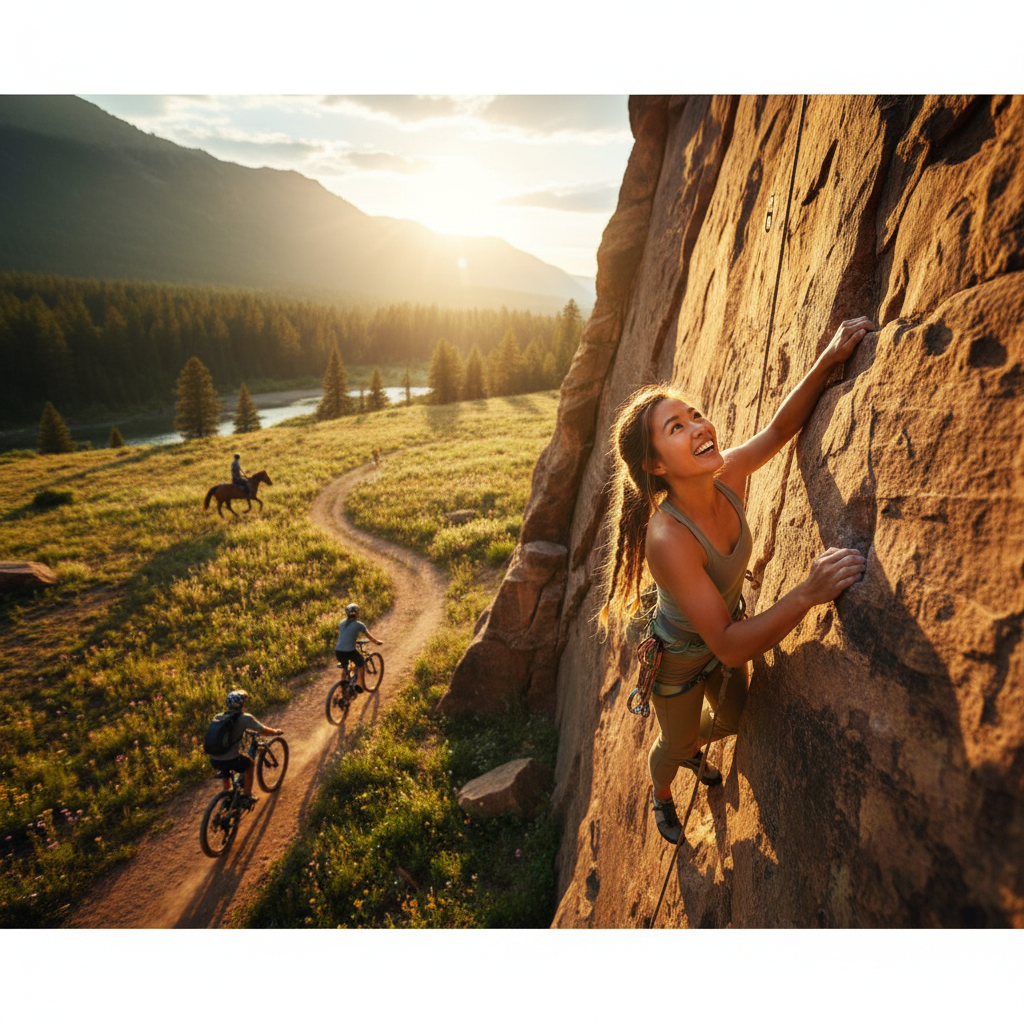
Don't Let the Sun Cut Your Climb Short: Protecting Your Face and Neck
Australia. We love it. But we also respect its sun. When you're out climbing, whether you're scaling granite cliffs or tackling bouldering problems, the sun is a constant factor. And it's not just about a little redness – prolonged exposure can lead to painful sunburn, heat exhaustion, and significantly increase your risk of skin cancer down the track. Your climbing helmet is essential for safety, but what about protecting the parts of you it doesn't cover? Your face and neck are prime real estate for sun damage.
This isn't about being precious; it's about being smart. You train for strength, endurance, and technique. You should also train for sun safety. Let's cut through the fluff and get down to practical, no-nonsense ways to keep your face and neck protected, so you can focus on your next move, not on getting cooked.
The Harsh Reality of the Australian Sun for Climbers
We've all been there. You're on a multi-pitch, and the sun is beating down. Or you're doing a long day of bouldering, getting belay duty turns under a relentless sky. The UV index in Australia can get dangerously high, even on cloudy days. And climbing often means being exposed for hours on end, with limited shade. Your helmet protects your head, but your face and neck are wide open.
Think about it: when you're looking up, your face is directly exposed. When you're belaying or resting, your neck can cop a serious dose. Sunburn isn't just uncomfortable; it's a sign of skin damage. Chronic exposure leads to premature ageing, sunspots, and most importantly, an increased risk of melanoma and other skin cancers. You wouldn't climb without a helmet, so why would you climb without protecting your skin?
Common Objections and Why They Don't Cut It
Let's address some common excuses for not protecting your face and neck:
"I'll just wear a cap under my helmet." A cap provides minimal coverage and often doesn't fit well under a climbing helmet, compromising the helmet's safety features. The brim is usually too small and offers very little shade. Plus, it still leaves your neck exposed.
"I'll just use sunscreen." Sunscreen is vital, but it's not a silver bullet. It needs to be reapplied frequently, especially if you're sweating heavily during a climb, which is inevitable. For long days, relying solely on sunscreen is a recipe for sunburn and missed reapplication windows. And what about when you're focused mid-climb and can't reach your face to reapply?
"It's too hot and bulky to wear other gear." This is a valid concern, which is why we're focusing on solutions that integrate seamlessly with your climbing setup.
"I don't burn easily." Even if you have a good tan, UV radiation penetrates the skin and causes damage. Long-term cumulative exposure is the real danger, and everyone is at risk of skin cancer.
Practical Solutions: Integrate Protection into Your Climb
The key is to have protection that's:
1. Integrated: Works with your helmet, not against it.
2. Effective: Provides substantial shade and coverage.
3. Convenient: Doesn't interfere with your climbing or put you at risk.
The Helmet Brim Upgrade: Your First Line of Defence
Your climbing helmet is designed for impact protection. It's not designed to block the sun. However, you can significantly enhance its sun-blocking capabilities with an add-on brim. This is where solutions like Da Brim come into play.
Unlike flimsy caps or inadequate hats, purpose-built helmet brims are designed to attach securely to your helmet, extending the protective shade significantly. They are made from durable materials that can withstand outdoor conditions.
Why a dedicated helmet brim beats other options:
Extended Shade: A good helmet brim extends far beyond your helmet's natural edge, casting shade over your entire face, including your ears and the bridge of your nose.
Neck Protection: Longer brims, especially those designed for rear neck coverage, provide crucial protection for a vulnerable area often forgotten.
Secure Fit: Designed to attach to various helmet types, ensuring they stay put during climbs and don't become a hazard. Check out our How to Install guide to see just how simple it is.
Reduced Glare: The shade also helps reduce glare, improving your visibility on the rock.
Beyond the Brim: Complementary Protection Strategies
While a helmet brim is your most effective on-helmet solution, good old-fashioned sun safety practices are still essential. Think of it as a layered approach.
| Protection Method | Pros | Cons | Best For |
|---|---|---|---|
| Helmet Brim | Excellent face/neck shade, integrates with helmet, durable | Can feel like an extra piece of kit (though lightweight), depends on specific brim design for rear coverage | All-day climbing, multi-pitch, hot conditions |
| Sunscreen | Full coverage if applied correctly | Needs frequent reapplication, can be greasy, difficult to apply mid-climb, doesn't block UV 100% | Complementary layer, exposed areas not covered by brim |
| Sun-Protective Clothing | Covers large areas of skin, can be lightweight | Can be hot, may restrict movement, neck gaiters can be annoying if ill-fitting | Rest breaks, approaches, extended belay sessions, vulnerable skin |
| Sunglasses | Protects eyes and delicate eye area skin | Can fog up, may fall off during strenuous moves, doesn't protect entire face | Sunny approaches, belaying, moving between pitches |
Checklist for Sun-Safe Climbing
Before you head to the crag, run through this quick checklist. You can find more detailed answers to common questions on our FAQ page.
Helmet: Is it in good condition and fitted correctly?
Helmet Brim: Are you using an adequate brim attachment for significant shade? Is it securely fastened?
Sunscreen: Do you have a broad-spectrum SPF 50+ sunscreen?
Application: Have you applied sunscreen to all exposed skin (face, neck, ears, lips, hands) at least 20 minutes before heading out?
Reapplication Plan: Do you have a plan and the means to reapply sunscreen at regular intervals (every 2 hours, or sooner if sweating heavily)?
Lip Balm: Do you have SPF lip balm?
Headwear: Do you have a lightweight, breathable sun hat or neck gaiter for extra protection during rest stops or approaches?
Sunglasses: Are your sunglasses UV-protective?
Hydration: Are you carrying enough water? Dehydration exacerbates heat stress.
Awareness: Are you monitoring the UV index and the feel of the sun on your skin?
Step-by-Step: Integrating Sun Protection into Your Climbing Day
This isn't just about what to pack; it's about how you use it throughout your climbing session. Remember, our Products are designed to work together for maximum effectiveness.
Phase 1: Pre-Climb Preparation
1. Apply Sunscreen: Generously apply a high SPF, broad-spectrum sunscreen to your face, neck, ears, lips, and any other exposed skin. Take your time; this isn't a rush job.
2. Attach Your Brim: Fit your helmet brim securely. Ensure it's aligned correctly to maximise shade over your face and neck. If you're unsure, consult the How to Install guide.
3. Don Your Helmet: Place your helmet on. The brim should immediately provide noticeable shade.
4. Lip Protection: Apply SPF lip balm.
5. Extra Layers: Consider a lightweight neck gaiter for the approach or if you anticipate long belay sessions. It can be easily removed when climbing.
Phase 2: During the Climb
1. Maintain Shade: Your helmet brim should be doing the heavy lifting here. Periodically check that it hasn't shifted.
2. Mid-Climb Checks: While you won't be reapplying sunscreen mid-crux, be aware of your surroundings. Notice if the sun is breaking through your shaded areas or hitting your neck.
3. Rest Stops & Belaying: This is your prime reapplication window. If you're on a multi-pitch, every time you reach a new anchor, take a moment to:
Check your skin. Is it feeling warm?
Reapply sunscreen to exposed areas if it's been over 2 hours or you're sweating heavily.
Ensure your neck gaiter is on if you're not actively climbing.
Drink water.
4. Belay Position: When belaying, you're often stationary and directly exposed. Ensure your helmet brim is providing as much neck coverage as possible. If you have a neck gaiter, now's the time to put it on.
Phase 3: Post-Climb
1. Gentle Cleansing: Wash off sweat, dirt, and sunscreen. Use a gentle cleanser to avoid irritating sun-exposed skin.
2. Moisturise: Apply a good moisturiser to rehydrate your skin. If you did get a bit of sun, consider an aloe vera gel for soothing.
3. Hydrate Internally: Continue drinking plenty of water.
4. Assess: Check for any signs of sunburn. Catching it early is key.
Long Days, Long-Term Health
Climbing in Australia is brilliant, but it demands respect for the environment, including its intense sunlight. Investing in smart sun protection isn't a luxury; it's a necessity for enjoying your passion safely and maintaining your long-term health. Our range of Products is designed with climbers in mind, offering practical, effective solutions that integrate seamlessly with your climbing gear.
Don't let sun damage dictate the length or frequency of your climbing adventures. Protect yourself properly and keep on sending. For more tips and product information, visit our Blog section or check out our Products page.
Stay safe out there.