
Don't Let Sunburn Hobble Your Climb: Protecting Your Face and Neck While Climbing
Climbing is demanding, and so is the Australian sun. Learn practical, no-nonsense ways to shield your face and neck from brutal UV rays and heat, even when your helmet is on. This guide tackles common issues and provides actionable solutions for climbers in Australia.
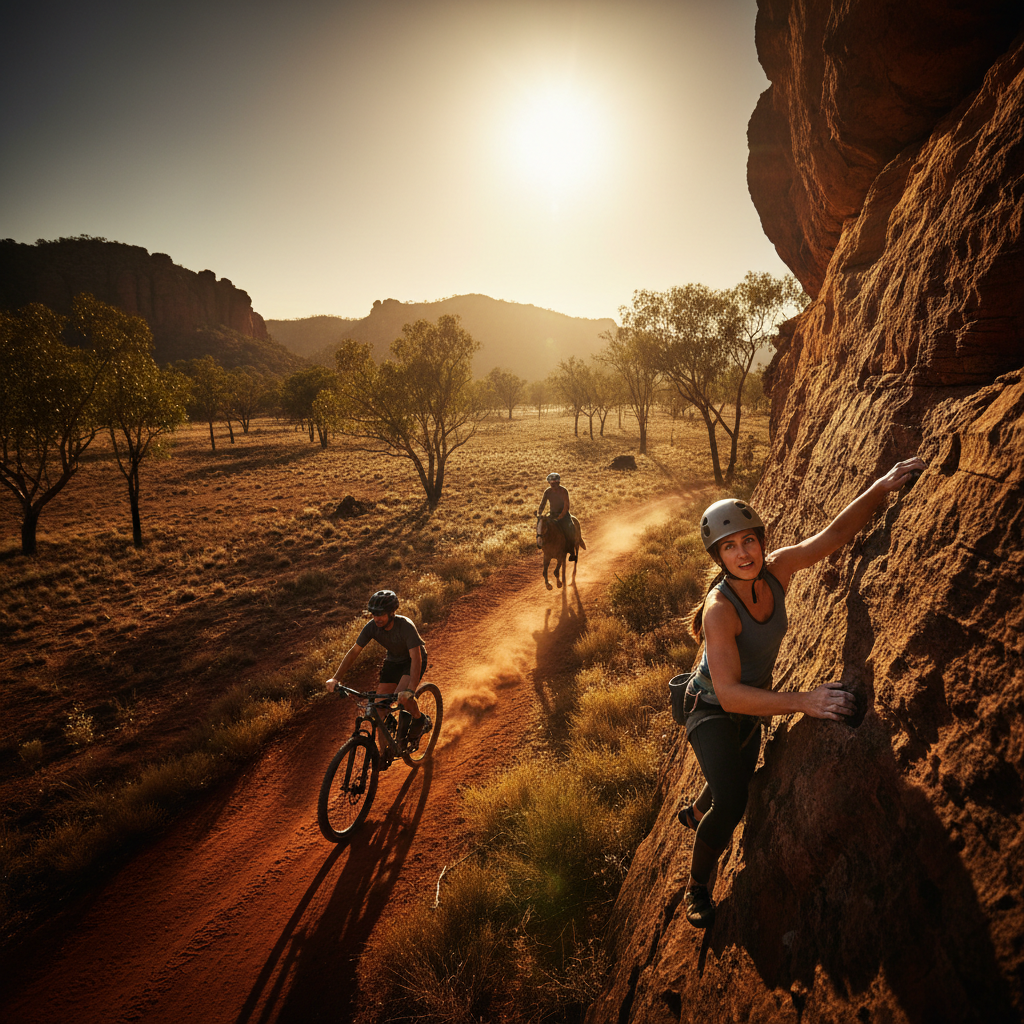
Don't Let Sunburn Hobble Your Climb: Protecting Your Face and Neck While Climbing
Australia. We love our outdoors, and climbing is a massive part of that. But let's be honest, the sun here isn't messing around. Long climbing days, especially in summer, mean prolonged exposure to some of the harshest UV rays on the planet. You've got your helmet sorted, your gear checked, your route planned. But what about your face and neck? If you're not careful, sunburn can turn a triumphant summit into a miserable recovery. Let's cut to the chase: this is how you protect yourself.
The Problem: More Than Just a Bad Tan
Your helmet is essential for impact protection, but most standard climbing helmets offer minimal coverage for your face and neck. This leaves you vulnerable to:
Sunburn: Painful, increases cancer risk, and can ruin subsequent climbing days.
Heatstroke/Heat Exhaustion: Overheating from direct sun exposure on exposed skin can lead to serious medical issues.
Dehydration: Your body works harder to regulate temperature, depleting fluids faster.
Premature Aging: Wrinkles, sunspots – nobody wants those, especially not from a climbing trip.
Reflected UV: Even if you're shaded by an overhang, UV rays bounce off rock, sand, and water, hitting exposed skin.
Many climbers think wearing a hat under their helmet is the answer. It helps a bit, but it's often not enough, and it can trap heat, making things worse.
Practical Solutions for Climbers
Forget fancy, impractical solutions. We need gear that works with your helmet, not against it, and that can withstand the rigours of the climb.
Option 1: The Helmet Brim Extension
This is where things get smart. Dedicated helmet brim attachments are designed to clip onto your existing helmet, providing much-needed shade for your face and neck. They’re lightweight, effective, and importantly, don't interfere with your helmet’s primary safety function.
Think of it like adding a visor to your helmet. It casts a shadow directly in front of your eyes, reducing glare and keeping direct sun off your nose, cheeks, and forehead. Some models extend further down to offer some neck protection. These are particularly useful for longer approaches, belaying where you're stationary for periods, or when climbing in exposed, sunny areas.
Why it works:
Targeted Shade: Directly blocks sun from your most vulnerable facial areas.
Glare Reduction: Improves visibility, making it easier to spot holds or assess the rock.
Minimal Bulk: Most are designed to be unobtrusive.
Easy to Use: Typically attach and detach in seconds.
Objection Handling:
"Will it fall off?" Choose a reputable brand with a secure attachment system. Check compatibility with your helmet before purchasing. Properly installed, they are designed to stay put. See our How to Install guide.
"Will it trap heat?" While any attachment adds a slight layer, good designs allow for airflow and are significantly cooler than being baked by direct sun. The shade itself provides cooling benefits.
"Is it safe?" Reputable brim extensions are designed not to compromise the helmet's impact absorption or fitting integrity. Always ensure it doesn't interfere with the harness.
Option 2: Neck Gaiters and Buffs
For your neck, a lightweight, breathable neck gaiter or buff is your best mate. Think UPF (Ultraviolet Protection Factor) rated fabric. These can be worn in a multitude of ways:
Pulled up high: To cover your neck completely when approaching or belaying.
Around your chin and lower face: To protect the sensitive skin on your jaw and lower cheeks.
As a makeshift bandana: For sweat management and a touch of head coverage.
Why it works:
Full Coverage: Offers a physical barrier against UV rays.
Breathability: Lightweight fabrics prevent overheating.
Versatility: Can be used for sun protection, warmth, sweat absorption, and more.
Objection Handling:
"It'll be too hot." Choose thin, moisture-wicking, UPF-rated fabrics. Treat it like other lightweight climbing layers.
"It'll get in the way." Modern gaiters are designed to be snug and non-restrictive. Tuck it in when climbing if needed.
Option 3: Sunscreen: The Non-Negotiable Backup
Even with all the shade, you'll still have some exposed skin. Sunscreen is non-negotiable for any outdoor activity in Australia.
Key Points for Climbers:
Broad Spectrum SPF 50+: Always. Look for water-resistant formulas.
Apply to ALL exposed skin: Face, neck, ears, back of hands, tops of arms.
Reapply Frequently: Sweat and friction will wear it off. Aim for every 2 hours, or after heavy sweating.
Nose and Ears: These are prime real estate for sunburn and skin cancer. Don't skimp here.
Lip Balm with SPF: Your lips burn too.
Objection Handling:
"It feels greasy/sticky." Look for modern, lighter formulations. Some are matte finish. Apply it sparingly before you gear up.
"It runs into my eyes." Apply carefully and allow it to dry. Consider a wide-brimmed hat for approaches if this is a major issue, or use the brim extension.
"I don't have time." Applying sunscreen takes 3-5 minutes. Not applying it can lead to days of pain and long-term damage. It’s a trade-off you can't afford to lose.
Putting it All Together: A Checklist
Before you head out for your next climb, run through this quick checklist. It doesn't take long and can save you a lot of pain.
Helmet: Ensure it fits correctly and is in good condition.
Helmet Brim Extension: Check it's compatible, secured, and you know how to attach/detach it. Browse our Products for options.
Neck Gaiter/Buff: Is it clean, and is it UPF rated?
Sunscreen (SPF 50+): Is the bottle full enough for reapplication? Do you have a lip balm with SPF?
Sunglasses: Essential for approaches and rest breaks. (Remember, most climbing helmets don't accommodate sunglasses well during the climb itself, hence the importance of face protection).
Water: Hydration is linked to temperature regulation.
Daily Routine: Sun Protection Steps
Here’s how to integrate sun protection seamlessly into your climbing day.
Step 1: Pre-Climb Application (At Home or Trailhead)
Apply a generous layer of SPF 50+ sunscreen to your face, neck (front and back), ears, and any other exposed skin, at least 15-20 minutes before sun exposure if possible. This allows it to absorb properly.
Apply SPF lip balm.
Step 2: Gear Up & Add Shade
Put on your helmet. If using a brim extension, attach it securely now. See our How to Install guide.
Pull your UPF neck gaiter up to cover your neck and lower face, especially for the approach and when belaying.
Step 3: During the Climb
Your helmet and brim extension should be doing the primary work for your face and eyes.
Ensure your neck gaiter is either tucked into your shirt or pulled down if it's too restrictive for movement, but be mindful of exposed skin.
Avoid touching your face unnecessarily, which can transfer sweat and oils, potentially irritating skin.
Step 4: Reapplication and Hydration Breaks
During rest stops, boulder breaks, or at the top of a pitch: Reapply sunscreen! This is crucial, especially if you're sweating.
Drink plenty of water. Heat buildup is a serious risk.
Adjust your neck gaiter if needed.
Step 5: Post-Climb Care
Cleanse your skin to remove sunscreen, sweat, and dirt.
Apply a soothing after-sun lotion if you suspect any redness, even if you don't feel a burn yet.
Australian Conditions: A Reality Check
We’re not talking about gentle sunshine here. In Australia, the UV Index frequently hits extreme levels, especially during daylight saving months and in summer. Long days on rock mean the sun is often beating down from late morning through the afternoon when UV radiation is at its peak. You might be focused on the next move, but the sun doesn't take breaks. Reflective surfaces like granite or sandstone can amplify the effect. The heat adds another layer of danger, increasing your risk of dehydration and heatstroke. Complacency is your biggest enemy.
Final Thoughts
Protecting your face and neck isn't about vanity; it's about staying safe and healthy so you can keep climbing. Invest in the right gear, build good habits, and never underestimate the Australian sun. For more common questions, check out our FAQ. Want to see the product range? Head over to our Products page. For more articles on climbing and safety, visit our Blog.
Don't let sunburn, heat exhaustion, or long-term skin damage cut your climbing adventures short. Protect yourself. Climb smart. Climb safe.