
Don't Get Sunburnt: Your Essential Guide to Helmet Face and Neck Sun Protection for Australian Climbers
Climbing in Australia means brutal sun. Learn practical, no-nonsense ways to protect your face and neck under your helmet, even on the longest days. Avoid sunburn, heatstroke, and premature aging.
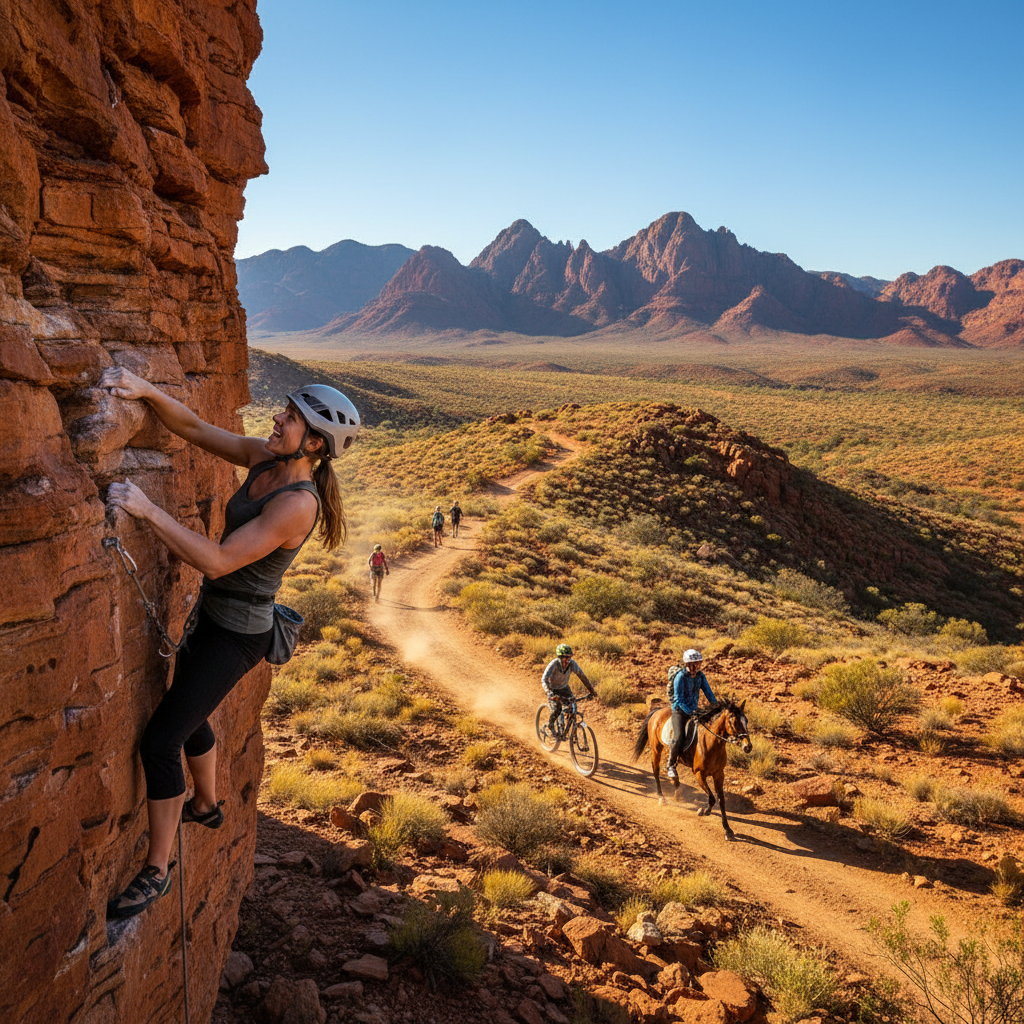
Don't Get Sunburnt: Your Essential Guide to Helmet Face and Neck Sun Protection for Australian Climbers
Climbing in Australia is epic. The rock formations are incredible, the landscapes are stunning, and the climbing opportunities are world-class. But let's be honest, so is the sun. If you're spending any serious time on the rock here, you're inevitably going to be exposed to intense UV radiation, high temperatures, and long days where the sun barely dips below the horizon.
As climbers, we're pretty good at thinking about our gear – ropes, harnesses, karabiners, helmets. Helmets are non-negotiable. But what about protecting the bits of you that are still exposed when wearing one? Your face and neck are prime real estate for sunburn, especially when you're looking up, craning your neck, and constantly exposed.
This isn't about fluffy advice. This is about practical, no-bullshit strategies to keep your skin safe and your climbing days enjoyable, not miserable and painful from sunburn. Because a sunburned face and neck under a sweaty helmet? It's a special kind of hell.
The Harsh Reality of Australian Sun and Climbing
Australia's UV index can be extreme. Even on cloudy days, UV rays can penetrate. When you're climbing, you're often in exposed locations – think ridgelines, clearings, and open faces. Plus, you're usually looking upwards, which means the sun is directly beating down on your forehead, nose, and neck.
Long climbing days mean prolonged exposure. Hours spent on the wall or belaying can rack up a serious UV dose. And the heat? It's not just about comfort; it's about safety. Dehydration and heatstroke are real risks, and the sun plays a big part in that.
Common Objections and Why They Don't Cut It
"I'll just wear sunscreen." Great. But sunscreen wears off, especially when you're sweating buckets. Reapplying precisely and effectively when you're mid-climb or on a ledge is a mission. And it doesn't protect your nose and upper lip from those direct rays as well as a physical barrier.
"My helmet is good enough." A helmet protects your head from impact. It doesn't provide significant shade for your face or neck. Some helmets have tiny brims, but they're usually for rain, not the relentless Australian sun.
"I'll just wear a hat under my helmet." A baseball cap or standard brimmed hat with a helmet? Generally a bad idea. It's often not compatible with helmet fit, can compromise safety, and the fabric can get incredibly hot and sweaty, leaving you exposed through the gaps.
"I don't burn that easily." Good for you. But even easy-to-tan skin can get severely burnt, prematurely aged, and increase your risk of skin cancer with repeated exposure. Your future skin will thank you for some common sense now.
The Underrated Importance of Face and Neck Protection
Your face and neck are critical areas for sun protection for several reasons:
1. High Exposure: These areas are almost always exposed when you're outdoors, especially when wearing standard climbing gear.
2. Sensitive Skin: Skin on the face and neck can be thinner and more sensitive than on other parts of the body.
3. Aesthetic Aging: UV damage is a leading cause of premature wrinkles, sunspots, and leathery skin. Nobody wants to look like they've been tanned like a worn climbing shoe before their time.
4. Skin Cancer Risk: Face and neck are common sites for skin cancers, including melanoma. Protection here isn't just about comfort; it's about long-term health.
Practical Solutions for the Australian Climber
Forget flimsy solutions. We need gear that's robust, practical, and doesn't compromise your climbing. The goal is to create shade and a barrier where your helmet, and potentially your shirt collar, can't.
The Essential Gear Checklist
Before you head out, make sure you've got these covered:
Helmet: Your primary safety device. Make sure it fits properly.
Helmet Brim/Shield: A dedicated attachment designed to extend the shade of your helmet. This is the game-changer.
Sunscreen: High SPF, broad-spectrum. For any exposed skin not covered by your brim or clothing.
Lip Balm with SPF: Lips burn easily and painfully.
Sunglasses (with UV protection): Essential for reducing eye strain and protecting the delicate eye area.
Neck Gaiter/Buff: A versatile piece for covering your neck and lower face.
Long-Sleeved UPF Clothing: For when you're not actively climbing or on belay ledges.
The Game-Changer: A Helmet Brim
This is where we get serious. Standard helmets aren't designed with ample sun protection in mind. That's where a dedicated helmet brim comes in. Think of it as an extension of your helmet's coverage, specifically engineered to cast maximum shade.
How a Da Brim Works for Climbers (and Why it's Better)
At its core, a Da Brim helmet brim is an innovative accessory designed to attach securely to your existing safety helmet. It extends the canopy of your helmet forward and often to the sides and rear, creating a much larger shaded area for your face, ears, and neck. They are typically made from durable, lightweight, and weather-resistant materials that can withstand the rigours of outdoor activities.
Key Benefits for Climbers:
Extended Shade: Significantly reduces direct sun exposure on your face, especially your nose, cheeks, and forehead. Coupled with a neck cover, it provides near-complete front-facing protection.
Reduced Glare: Helps cut down on glare, improving visibility and reducing eye strain, which is crucial when spotting holds or reading routes.
Comfort in Heat: Less direct sun hitting your skin means you stay cooler, reducing the risk of heat stress and promoting comfort on long, hot climbing days.
Compatibility: Designed to be easily attached and detached to most standard climbing helmets. Learn How to Install – it's usually a simple and quick process.
Durability: Built to last and withstand environmental conditions.
Choosing the Right Brim
Not all brims are created equal. For climbing, you want something that offers substantial shade without being overly cumbersome or getting in the way.
Da Brim Wrangler: Offers significant front and side coverage, ideal for climbers who spend a lot of time looking upwards. This is a popular choice for serious sun protection.
Da Brim Vertical: A shorter, more streamlined option that still provides excellent forward shade. Might be preferred by some for a less obtrusive feel, but less full coverage than the Wrangler.
For Australian climbing conditions, especially during peak UV months and on longer routes, the Da Brim Wrangler is usually the go-to for maximum protection.
Protecting Your Neck: The Often-Forgotten Area
Your neck is a hotspot for sunburn and is incredibly sensitive. When you're climbing, your helmet might cover the top, but the back and sides are often completely exposed, especially if you have shorter hair or tucked-in collars.
Your Neck Protection Toolkit:
Da Brim (Rear Coverage): Some Da Brim models offer rear coverage that extends down the back of your neck. This is invaluable.
Neck Gaiter/Buff: A lightweight, breathable neck gaiter is a climber's best friend. You can pull it up over your chin and nose, tuck it into your helmet collar, or simply wear it around your neck. Merino wool or synthetic blends are great for wicking sweat and providing UPF protection.
High-Necked Sun Shirts: Wearing a long-sleeved shirt with a UPF rating and a collar that comes up high around your neck offers passive protection when you're not actively climbing or when you're on belay.
Sunscreen: Still apply to any exposed areas of your neck. Underneath the gaiter, you're covered, but on your chest and upper back where your shirt might ride up, sunscreen is still necessary.
Integrating Sun Protection into Your Climbing Routine
It’s not a one-and-done deal. Sun protection needs to be part of your climbing mindset and routine.
Pre-Climb Preparation
Check the UV Index: Know what you're dealing with. Australian weather forecasts often include UV levels.
Apply Sunscreen: Generously apply broad-spectrum SPF 50+ sunscreen to all exposed skin (face, ears, neck, backs of hands) at least 15-20 minutes before sun exposure. Don't forget your ears and the back of your neck!
Wear Your Brim: Attach your Da Brim to your helmet. Ensure it's secure.
Put on Your Neck Gaiter: Pull it up to cover your neck and chin. You can roll it down to your chin if needed for comfort on the move.
Hydrate: Start the day well-hydrated.
During the Climb
Minimal Adjustments: The goal is to set and forget. Your brim and neck gaiter should provide continuous coverage.
Strategic Swigs: Take small, regular sips of water to stay hydrated.
Breaks: On longer pitches or when belaying, use opportunities to check your skin. If you feel any sting or see redness, apply more sunscreen or adjust your gaiter.
Listen to Your Body: If you feel dizzy, nauseous, or excessively hot, it could be signs of heatstroke. Get to shade and cool down immediately.
Post-Climb
Cleanse and Moisturise: Wash off sweat and sunscreen. Apply a soothing moisturiser.
Rehydrate: Continue drinking plenty of fluids.
Assess: Check for any signs of sunburn and treat accordingly.
Table: Sun Protection Options for Climbing Helmets
| Solution | Pros | Cons | Best For |
|---|---|---|---|
| Helmet Brim | Excellent extended shade, reduces glare, durable, compatible. | Requires initial attachment, can alter helmet aesthetic. | Serious and prolonged sun exposure. |
| Sunscreen | Easy to apply to small areas, broad protection. | Wears off with sweat, difficult to reapply effectively on the go. | All climbers, supplementary protection. |
| Neck Gaiter/Buff | Versatile, wicks sweat, UPF protection, covers neck and lower face. | Can get hot, may require adjustment. | Neck and lower face coverage, temperature regulation. |
| UPF Clothing | Passive protection, prevents overheating. | Can restrict movement, may not be suitable for all climbing scenarios. | Belaying, rest periods, approach/descent. |
Common Questions About Helmet Sun Protection
Q: Will a helmet brim make my helmet too hot?
A: While any addition can slightly increase heat retention, a properly designed brim like a Da Brim is lightweight and often comes in breathable materials. The increased shade and reduced direct sun on your skin can actually lead to better overall comfort and reduced heat stress. It's a trade-off that usually favours protection and comfort. For more detail, check our FAQ.
Q: Can I use a wide-brimmed hat under my helmet?
A: In almost all situations for climbing, no. Standard helmets are designed to fit snugly on your head. Wearing a hat underneath can create gaps, compromise the helmet's ability to protect you in an impact, and make the helmet unstable. Dedicated helmet brims are designed for secure attachment to the helmet, not worn under it.
Q: How often should I reapply sunscreen if I'm wearing a brim?
A: Even with a brim, you'll have some exposed skin. Reapply sunscreen to your face, ears, neck, and hands every two hours, or more frequently if you're sweating heavily or swimming. Think of the brim as significantly reducing the need for reapplication on your face, but not eliminating it entirely for all areas. Explore our Products page for high-quality sun protection options.
Q: What if I'm climbing in winter? Do I still need sun protection?
A: Absolutely. Australian winter sun can still be intense, especially at higher altitudes or on reflective surfaces like snow (though less common for most climbing here). UV levels can still be high. Don't underestimate it. Check our Blog for more topical advice.
Final Word: Don't Be a Sun-Baked Statistic
Climbing is physically demanding enough without adding the misery of sunburn. In Australia, the sun demands respect. Investing in practical sun protection for your helmet – specifically a quality brim and neck coverage – is as crucial as any piece of climbing gear. It's an investment in your comfort, your enjoyment, and your long-term skin health. Don't wait until you resemble a lobster; protect yourself effectively. Your future self will thank you.
Ready to gear up? Head to our Products page to find the best solutions for your climbing adventures.