
Don't Get Sunburnt Under Your Helmet: A Rider's Guide to UV Safety
As an Australian rider or instructor, you know the sun can be brutal. Learn how to protect yourself from harmful UV rays even with a helmet on. Practical tips, no-nonsense advice.
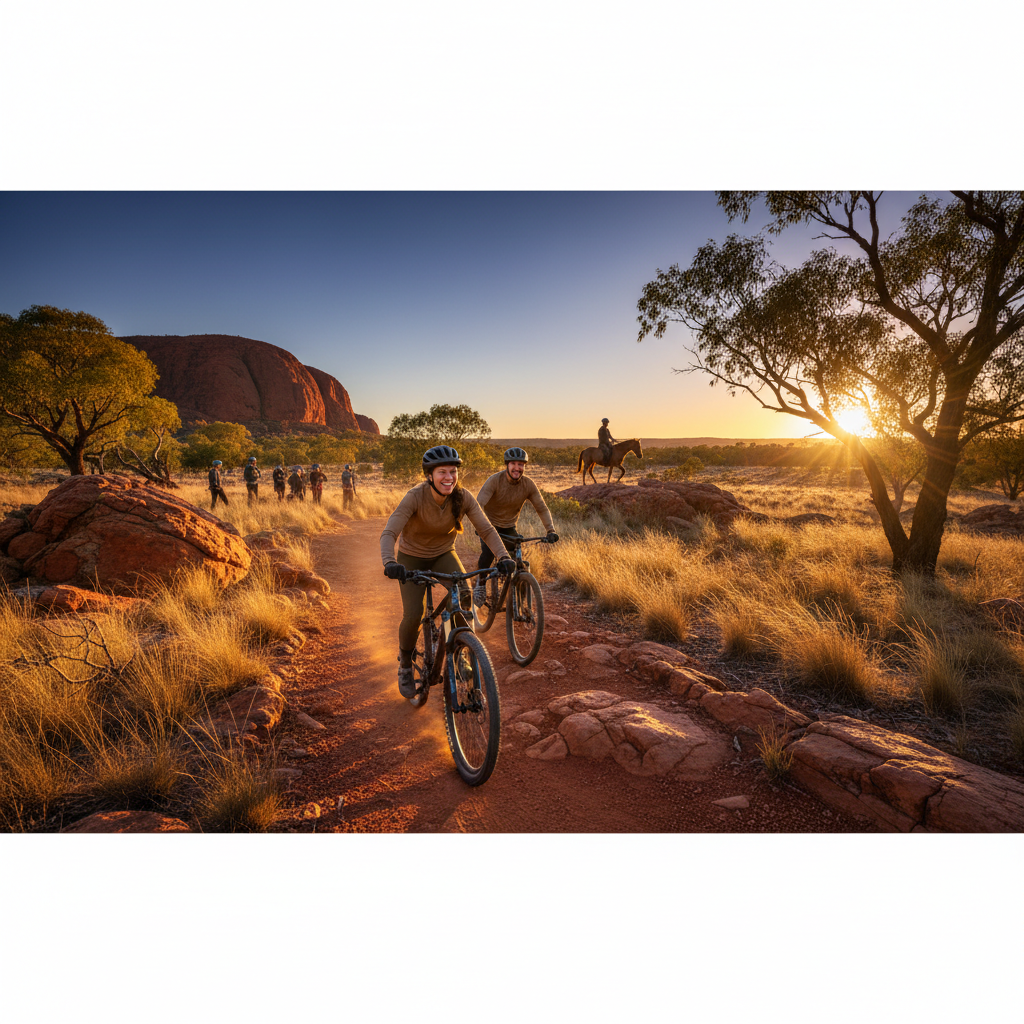
Don't Get Sunburnt Under Your Helmet: A Rider's Guide to UV Safety
Australia. We love it. The wide-open spaces, the connection with our horses, the sheer joy of a good ride. But if there's one thing we can't escape – especially not in the saddle – it's the sun. And not just any sun. Australian UV levels are consistently among the highest in the world. You might think your helmet is your shield, but think again. UV radiation finds a way, and ignoring it can lead to more than just a bit of redness.
This isn't about scaremongering. It's about practical, no-nonsense advice for riders and instructors who spend significant time outdoors. We're talking about protecting your skin, your eyes, and your long-term health. Because a beautiful day in the saddle shouldn't end with a painful sunburn or a trip to the doctor.
The Hidden Dangers: UV Exposure You Can't See
You're wearing a helmet. Surely that covers you, right? Not entirely. The problem is twofold:
1. UV Penetration: While a helmet provides physical shade, it doesn't block all UV rays. Some UV can still reflect or penetrate around the edges. Think about the little bits of sun that hit your temples, the back of your neck, or even your ears. These areas are often exposed.
2. Long Exposure Times: Hours in the saddle, whether teaching a lesson, schooling a young horse, or out on a trail, mean prolonged exposure. Even lower UV indices can become significant when accumulated over a full day.
3. Heat and Sweat: Australia means heat. Sweat can irritate sunburnt skin, and the heat itself can be a significant factor on top of UV exposure. This can lead to heatstroke or heat exhaustion, separate but related issues that often go hand-in-hand with sun exposure.
What's at Risk?
Skin Cancer: This is the big one. Australia has one of the highest rates of skin cancer in the world. Cumulative UV exposure is a primary risk factor. Your face, neck, and ears are particularly vulnerable.
Premature Ageing: Sun damage doesn't just cause cancer; it ages your skin. Wrinkles, sunspots, and loss of elasticity are all accelerated by UV radiation.
Eye Damage: The eyes are incredibly sensitive. UV exposure can contribute to cataracts, macular degeneration, and other vision problems over time. While sunglasses help, they don't always fit perfectly under a helmet.
Sunburn: Obvious, but still important. Sunburn isn't just painful; it's a sign of skin damage. Repeated sunburns significantly increase your risk of skin cancer.
Australian Conditions: We're Not Kidding Around
Let's be blunt. We live here. We know the summers are scorching, the sun is intense, and the days can be long. The UV Index in many parts of Australia regularly hits 'Extreme' (7+) during peak sun hours (10 am to 3 pm), and even moderate levels (3-6) can cause damage. When you're busy focusing on your riding or teaching, it's easy to forget to reapply sunscreen or seek shade. The heat adds another layer of risk, making dehydration and heat exhaustion more likely, especially when combined with the physical exertion of riding.
Overcoming Objections: 'My Helmet is Enough'
This is the classic rider's excuse. "I wear a helmet, that's all I need." Let's break that down.
Objection: "My helmet blocks the sun."
Reality: It blocks some direct sun, but not all UV rays, especially indirect or reflected light. Think about the gaps around the brim or where the helmet sits on your head. Your scalp, ears, and the back of your neck are still at risk. Furthermore, not all helmets offer the same coverage.
Objection: "I only ride for an hour."
Reality: An hour can be enough to cause damage, especially during peak UV times in Australia. If you ride daily, that hour adds up to significant cumulative exposure over a week, month, or year.
Objection: "Sunscreen makes me sweat more, and it's messy."
Reality: There are now many lightweight, fast-drying sunscreens available. Find one that suits your skin type. The discomfort of a little sunscreen is a small price to pay compared to the long-term risks of skin cancer or premature ageing.
Objection: "I'll just get a tan."
Reality: A tan is your skin's way of telling you it's been damaged by UV radiation. It increases your risk of skin cancer and ageing. There's no such thing as a 'healthy' tan from the sun.
Practical Solutions: Beyond the Helmet
Your helmet is essential safety gear, but it's not a complete sun shield. Here's how to ensure you're protected:
1. Sunscreen: Your First Line of Defence
High SPF: Always use broad-spectrum sunscreen with an SPF of 30 or higher. SPF 50+ is even better for Australian conditions.
Water-Resistant: If you're sweating or might get wet, choose a water-resistant formula.
Apply Generously: Don't skimp. Cover all exposed skin – face, neck, ears, arms, legs (if visible). Remember the often-forgotten spots like the tops of your feet and back of your hands.
Reapply: This is crucial. Sunscreen wears off, especially with sweat. Reapply every two hours or more frequently after swimming or heavy sweating.
Face-Specific: Consider a zinc-based or mineral sunscreen for your face. They sit on top of the skin and can be less irritating. Many are designed for sport and are sweat-resistant.
2. Protective Clothing: More Than Just Riding Gear
Long Sleeves and Trousers: Lightweight, breathable fabrics that cover your skin are your best bet. Look for UPF (Ultraviolet Protection Factor) rated clothing for maximum protection. Yes, it can be hot, but there are many performance fabrics designed to wick sweat and keep you cool.
Wide-Brimmed Hats (When Not Riding): While you can't wear a hat under your helmet, wear one before and after your ride. A wide brim offers excellent protection for your face, neck, and ears.
Gloves: Protect the back of your hands, which are highly exposed to the sun.
3. Eye Protection: Seeing Clearly and Safely
UV-Protective Sunglasses: Wear them when you're not in the saddle. Ensure they offer 100% UVA/UVB protection.
Helmet Visors: Some riding helmets come with visors or can accommodate clip-on brims. These can offer additional shade for your face.
4. Strategic Riding and Teaching
Timing: Whenever possible, schedule lessons or longer rides for early morning or late afternoon when the UV Index is lower.
Shade Breaks: If you're teaching or schooling outdoors for extended periods, incorporate breaks in shaded areas. This gives you and your horse a chance to cool down and reduces UV exposure.
Adding Extra Shade: The DA BRIM Difference
Traditional helmets have limitations. They're designed for impact protection, not comprehensive sun blocking. This is where innovative solutions come in. For riders and instructors constantly battling the Australian sun, an accessory like the DA BRIM can be a game-changer.
A DA BRIM is a purpose-built brim that attaches securely to your existing riding helmet. It's designed to extend the shade coverage significantly, shielding more of your face, neck, and ears from direct sunlight and UV rays. It’s not about replacing your helmet; it’s about enhancing its sun protection capabilities.
Why Consider a DA BRIM for Sun Safety?
Extended Shade: Provides a much larger shadow area than a typical helmet brim, drastically reducing UV exposure to your face and neck.
Easy to Install: Designed to be user-friendly, allowing you to add extra protection quickly without compromising your helmet's safety.
Lightweight: Adds minimal weight, so it doesn't affect your comfort or balance.
Australian Conditions: Built with our harsh sun in mind, offering practical, everyday protection for prolonged outdoor activity.
For those who teach or ride for long hours, particularly during the hottest parts of the day, the added shade can make a significant difference in comfort and sun protection. Explore how this can integrate with your existing gear.
A Quick Checklist for Sun Safety in the Saddle
Here’s a simple checklist to keep handy. Tick these off before every ride:
[ ] Applied broad-spectrum SPF 30+ (or 50+) sunscreen to all exposed skin (face, neck, ears, arms, hands).
[ ] Wearing UPF-rated long sleeves and trousers (or equivalent covering).
[ ] Wearing UV-protective sunglasses (before/after ride).
[ ] Considering additional shade solutions like a DA BRIM for longer sessions.
[ ] Packing water and planning for shade breaks.
Step-by-Step: Integrating Sun Safety into Your Routine
Making sun safety a habit doesn't need to be complicated. Here’s a simple routine:
Step 1: Preparation (Before you even get your horse ready)
Check the UV Index for the day. If it’s 3 or above, sun protection is essential.
Apply your chosen sunscreen generously to face, neck, ears, and any other exposed skin. Wait a few minutes for it to absorb before putting on your riding gear.
If you're using a DA BRIM, ensure it's properly attached to your helmet. How to Install is straightforward if you're unsure.
Put on your sun-protective clothing (long sleeves, trousers).
Step 2: During the Ride (Be Mindful!)
Be aware of sun exposure, especially during peak hours (10 am - 3 pm).
Use shady areas for breaks if possible.
If you're teaching, remind your students about sun safety, especially children.
*Step 3: Reapplication & Post-Ride
If your ride is longer than 2 hours, or if you've been sweating heavily, reapply sunscreen. Pack a travel-sized tube for this purpose.
After your ride, check for any areas that might have been missed or are looking red.
Continue to seek shade and rehydrate.
Conclusion: Ride Smart, Ride Safe
We love riding in Australia, but we can’t afford to be complacent about the sun. Your helmet is a vital piece of safety equipment, but it’s only one part of a comprehensive sun protection strategy. By combining effective sunscreen, protective clothing, and considering accessories that enhance shade coverage like the DA BRIM, you can significantly reduce your exposure to harmful UV radiation.
Don't let the sun cut your riding days short or lead to long-term health issues. Invest in your skin and eye health. It’s about enjoying your passion for longer, and healthier. For more information on our products and how they can help, visit our Products page or check out our FAQ for answers to common questions. You can also browse more tips on our Blog.
Ride on, but ride sun-smart!