
Don't Get Sunburnt Under Your Helmet: A Cyclist's Guide to UV Protection in Australia
Cycling in Australia is legendary, but so is the sun. Learn how to protect your face, neck, and scalp from harmful UV rays, even with a helmet on. Practical tips for every rider.
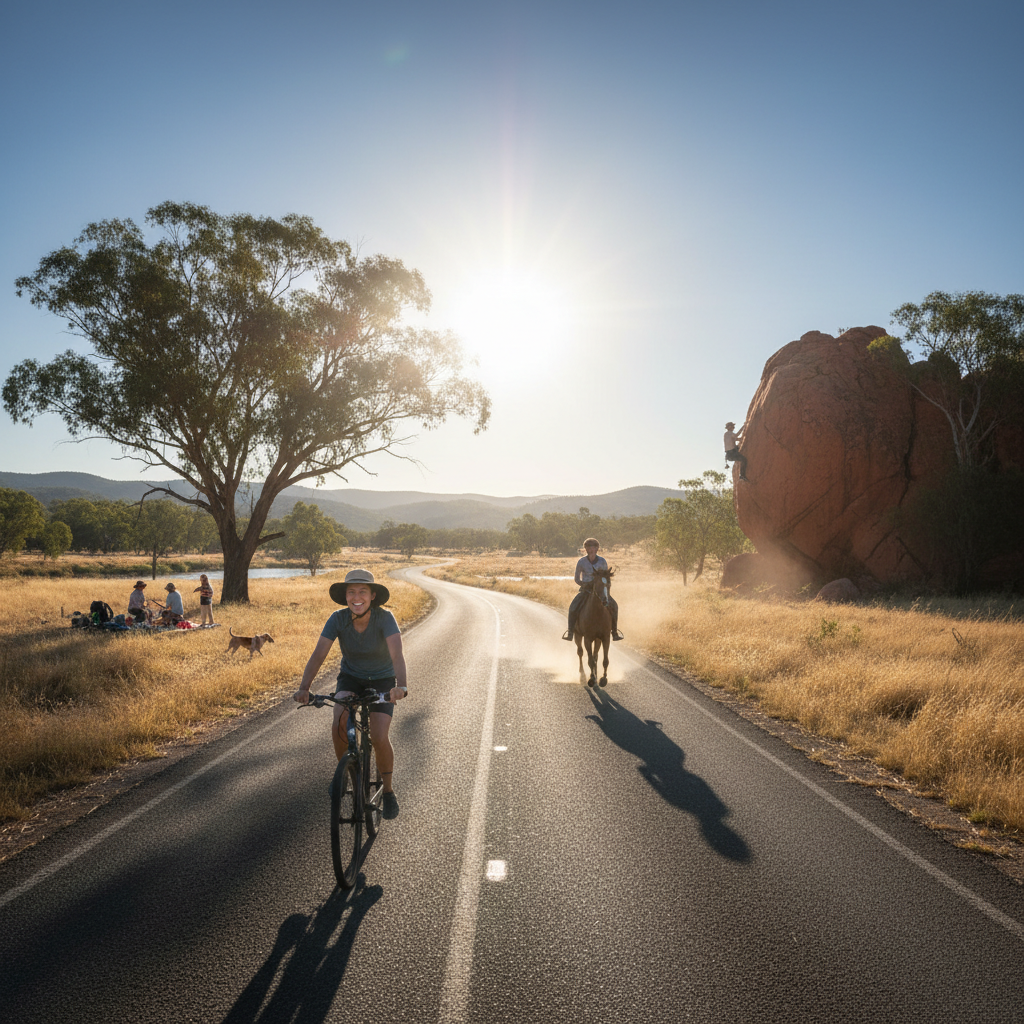
Don't Get Sunburnt Under Your Helmet: A Cyclist's Guide to UV Protection in Australia
Australia. We love to ride. Coastal paths, outback trails, city commutes – our nation is built for getting around on two wheels. But let's be blunt: our sun is harsh. And while your helmet is crucial for safety, it’s often not enough to shield you from the relentless UV rays. Many cyclists are getting it wrong and paying the price later with sun damage, premature ageing, and worse.
This isn't just about a bit of redness after a long ride. We’re talking about serious health risks. Understanding these risks and taking practical steps is non-negotiable if you’re spending any significant time on your bike down under.
The Hidden Dangers of UV Exposure for Cyclists
When you're cycling, your head is naturally the highest point, directly facing the sun for extended periods. Even with a helmet, gaps and exposure points are plentiful. Think about these areas:
Your Face: Ears, nose, cheeks, and the forehead above your helmet line are prime targets. These areas receive direct, intense UV radiation, especially during the peak UV hours.
Your Neck: The back and sides of your neck are exposed, particularly when you're leaning forward over your handlebars. This vulnerable skin is often overlooked.
Your Scalp: That part of your scalp that isn't covered by hair, or where hair is thinning, is highly susceptible. It’s a common spot for sunburn and significantly increases skin cancer risk over time.
Your Eyes: While not direct skin, UV rays can damage your eyes. Glare can also impair vision, making riding more dangerous.
Why Australian Conditions Make it Worse
Australia has some of the highest UV levels in the world. Fact. The UV Index can reach extreme levels (8+) regularly across the country, especially during summer. Unlike some other countries, our UV radiation isn't significantly reduced by cloud cover – it can penetrate. We also have long daylight hours for much of the year, meaning more opportunity for exposure. And let's not forget the heat – it makes us want to push harder, often forgetting to stay rigorously protected.
What's the Actual Risk?
Prolonged and unprotected UV exposure leads to:
Sunburn: Immediate pain, redness, and peeling. Repeated sunburn significantly increases your risk of skin cancer.
Premature Ageing: Wrinkles, sunspots (lentigines), and leathery skin. This happens slowly but surely over years of exposure.
Skin Cancer: This is the big one. Melanoma, basal cell carcinoma, and squamous cell carcinoma are all linked to UV radiation. Australia has one of the highest rates of skin cancer globally. Your scalp, ears, and face are common, dangerous sites.
Eye Damage: Cataracts and pterygium can develop over time from cumulative UV exposure.[^1]
[^1]: This is a general statement about UV and eye damage, not a specific citation. You can find more information from health authorities like the Cancer Council and the World Health Organization if you need to verify.
Common Objections and How to Handle Them
We hear it all the time. Cyclists have excuses. Let's tackle them head-on.
Objection 1: "My helmet covers most of my head."
Reality: Most standard cycling helmets offer limited face and neck protection. The open design, while good for ventilation, leaves significant areas exposed. Think about the gaps around your temples, ears, and the entire back/sides of your neck. Sunburn on these areas is incredibly common for cyclists.
Objection 2: "I only ride early in the morning or late in the afternoon."
Reality: While these times might have lower UV levels, they are not zero. UV radiation is present whenever the sun is visible. In Australia, even before 10 am and after 3 pm, UV levels can still be high enough to cause damage, especially during summer. Plus, "early" and "late" are subjective. Are you certain you're always outside the peak UV times (roughly 10 am to 2 pm)?
Objection 3: "I wear sunscreen."
Reality: Sunscreen is vital, but it's not foolproof for cyclists. Sweat can wash it off, and reapplication on the go is inconvenient and often forgotten. You miss spots, especially on the ears and neck. Did you get it right to the hairline? Did you cover the back of your neck effectively? Sunscreen is part of the solution, not the whole solution.
Objection 4: "I'm only going for a short ride."
Reality: Even a 30-minute ride can expose you to significant UV. Cumulative exposure over time is what matters most. That "short ride" adds up, week after week, year after year. Skin damage doesn't care if it was from one long ride or ten short ones.
Objection 5: "Helmets are stuffy and hot already. Adding something else will make it worse."
Reality: This is a valid concern. Heat management is important. However, the solutions we’re discussing focus on adding protection without sacrificing ventilation or comfort. Products designed for this purpose work with your helmet, not against it. The risk of sunburn and skin damage far outweighs the minor potential increase in heat.
Practical Solutions for Every Australian Cyclist
Protecting yourself shouldn't be a hassle. It should be integrated into your riding routine. Here’s what works.
1. The Ultimate Combo: Helmet + Brim
This is the most effective, no-fuss solution. A specially designed helmet brim attaches securely to your existing helmet, extending coverage significantly. Products like Da Brim are engineered to:
Shield your face: Block UV rays from hitting your forehead, nose, and cheeks.
Protect your ears: Cover the sides of your head, a frequent sunburn spot.
Deflect sun from your neck: Prevent rays from reaching the back and sides of your neck, especially when you tilt your head.
Reduce glare: Provide shade for your eyes, improving vision.
These brims are lightweight and designed to work with your helmet's ventilation system, not block it. They are a game-changer for serious riders. You can explore the range of Products to find one that fits your helmet.
2. Sunscreen is Still Your Friend (Use it Right)
Choose Broad Spectrum: SPF 30 or higher. It needs to protect against both UVA and UVB rays.
Apply Generously and Early: Apply 15-20 minutes before you go outside. Don't rush it; cover all exposed areas thoroughly, including ears, neck, and the back of your hands.
Reapply: If you're out for more than a couple of hours, or sweating profusely, reapply. Carrying a small tube or stick is essential for longer rides.
Don't Forget Lips: Use a lip balm with SPF.
3. Protective Clothing
Long Sleeves: Lightweight, breathable long-sleeved jerseys are ideal for sun protection. Many are made with UPF (Ultraviolet Protection Factor) rated fabric.
Neck Gaiter/Buff: A simple fabric tube that can be worn around your neck, pulled up over your nose and mouth on hot days, or even used as a headband. Again, look for UPF rated fabrics.
4. Eye Protection
UV-Blocking Sunglasses: Essential. Ensure they wrap around to prevent UV rays from entering from the sides. Look for lenses that offer 100% UVA and UVB protection.
Integrating Protection into Your Routine: A Step-by-Step Guide
Making sun safety a habit is easy with a few simple steps:
1. Pre-Ride Check (Every Time): Before you even touch your bike, look at the UV forecast. If it's 3 or higher, protection is necessary.
2. Dress Appropriately: Long-sleeved UPF jersey? Neck gaiter? Cycling cap (under helmet)?
3. Apply Sunscreen: Cover all exposed skin – face, ears, neck, hands. Do this 15-20 minutes before heading out.
4. Apply Helmet Brim: If you have one, ensure it's securely attached. How to Install is straightforward.
5. Wear Sunglasses: Put on your UV-blocking sunglasses.
6. Mid-Ride (If Applicable): For rides over 2 hours, or if you're sweating heavily, find a safe place to stop and reapply sunscreen, especially to your face and neck.
7. Post-Ride Assessment: Feel your skin. Are there any areas that feel tight or hot? Check in the mirror for any missed spots. Adjust your routine for next time.
Key Takeaways for Australian Cyclists
Here’s a quick checklist to ensure you’re covered:
Assess UV Index: Always check the UV forecast before riding.
Helmet Brim: Consider a dedicated helmet brim for superior face and neck protection. Explore our Products.
Sunscreen: Use SPF 30+ broad-spectrum sunscreen and reapply as needed.
Protective Clothing: Opt for UPF rated long sleeves and neck coverings.
Eye Protection: Wear UV-blocking sunglasses.
Know Your Exposed Spots: Pay extra attention to ears, nose, neck, and scalp.
Regular Checks: Sun damage is cumulative. Make protection a daily habit.
Sun Protection Cheat Sheet for Cycling
| Area Exposed | Primary Protection Method | Secondary Protection Method(s) |
|---|---|---|
| Face & Ears | Helmet Brim | SPF 30+ Sunscreen, Sunglasses |
| Neck (Front/Back) | Helmet Brim (back), UPF Clothing/Neck Gaiter | SPF 30+ Sunscreen |
| Scalp | Hair (if dense/long), Helmet (partial) | SPF 30+ Sunscreen (if visible/thinning hair) |
| Eyes | UV-Blocking Sunglasses | Brim (glare reduction) |
| Hands & Arms | UPF Jersey (Long Sleeve) | SPF 30+ Sunscreen (if exposed) |
Don't Wait Until It's Too Late
Sun safety on your bike isn't an optional extra; it's fundamental rider safety. Australia's sun demands respect. By integrating practical protective measures, like a reliable helmet brim and consistent sunscreen application, you can significantly reduce your risk of sun damage and skin cancer. Your future self will thank you for it.
If you have questions about how to best protect yourself or need advice on choosing the right gear, check out our FAQ or browse our Products. Remember to stay safe and enjoy your rides!
For more tips and updates, visit our Blog.