
Don't Get Sunburnt: Choosing the Right Helmet Sun Brim in Australia
A guide for Australian helmet wearers on selecting the perfect sun brim to beat the heat and UV. Practical advice for every activity.
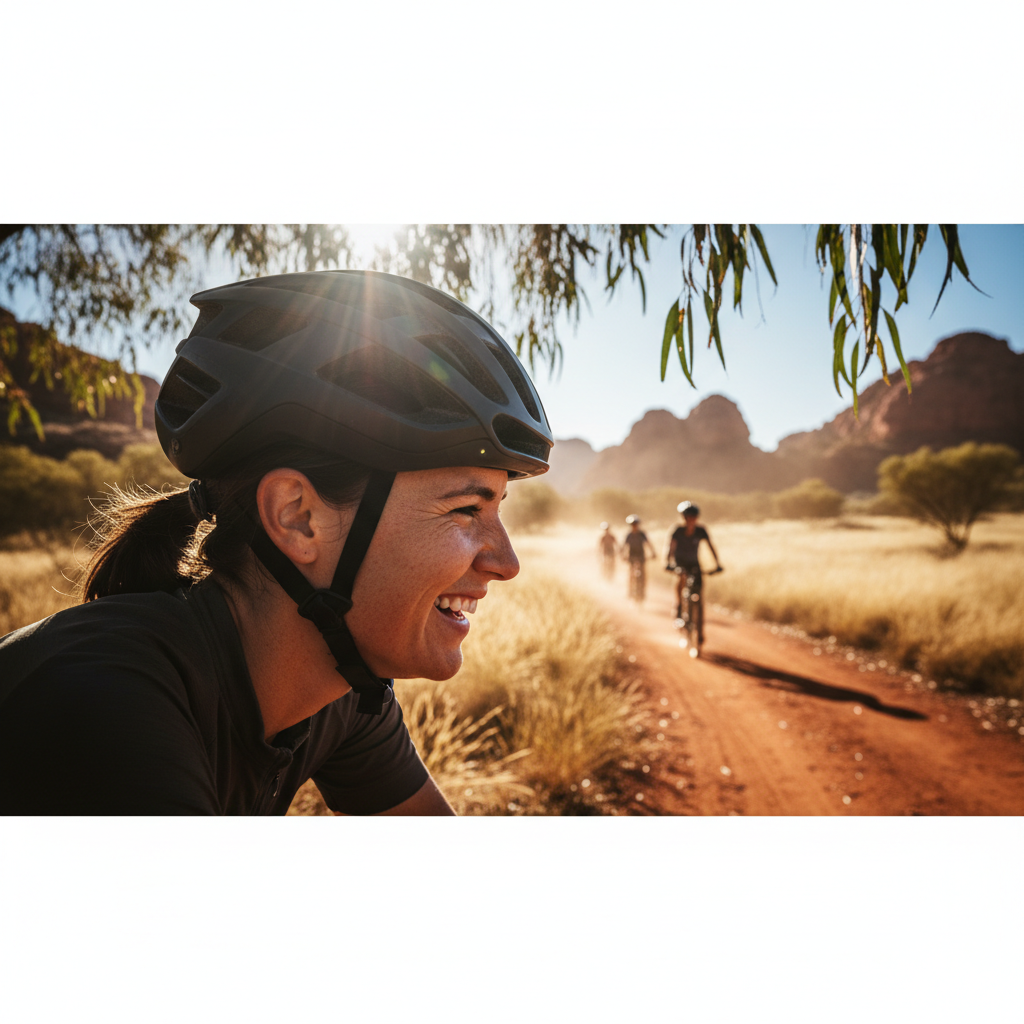
Don't Get Sunburnt: Choosing the Right Helmet Sun Brim in Australia
Australia. We love it. The sun, the outdoors, the active lifestyle. But let's be honest, that incredible Australian sun can be brutal. High UV indices are a daily reality, and long days spent outdoors mean constant exposure. If you wear a helmet for work, sport, or recreation, you know it's essential for safety. But what about protecting your face, neck, and ears from sunburn and premature ageing?
That's where a helmet sun brim comes in. It’s not just an accessory; it’s a vital component of your sun protection strategy, especially here in Oz. But not all brims are created equal, and the one you choose needs to suit your activity and the conditions. This guide will walk you through selecting the right helmet sun brim, so you can enjoy the outdoors without the burn.
Why Bother With a Helmet Sun Brim?
Let's cut to the chase. You're wearing a helmet for a reason – safety. But that helmet often leaves your face, ears, and the back of your neck exposed. This is a problem because:
UV Damage: Even on cloudy days, UV rays penetrate and can cause sunburn, increase your risk of skin cancer, and accelerate skin ageing (think wrinkles and sunspots).
Heatstroke & Dehydration: Direct sun on your head and face can significantly increase your body temperature, leading to discomfort, heat exhaustion, and even heatstroke.
Glare: A brim can reduce glare, improving your visibility and focus, which is crucial for safety in many activities.
Comfort: A decent brim provides shade, making your helmet much more comfortable to wear for extended periods, especially during hot Australian summers.
If you’re spending time outside, whether you're on a construction site, riding a bike, working on the farm, or exploring the bush, protecting your skin is non-negotiable. A helmet sun brim is your first line of defence against the harsh Australian sun. For practical, effective protection, check out our range of Products.
Matching the Brim to Your Activity: What to Consider
Different activities demand different levels of protection and different types of gear. A miner on a hot, dusty site has different needs to a cyclist on a sunny Sunday ride. Here’s a breakdown of key considerations:
1. The Activity Itself
Outdoor Work (Construction, Mining, Landscaping, etc.): You need maximum coverage. Think wide brims that offer extensive shade for your face, ears, and neck. Often, these require robust attachment methods to stay put under demanding conditions. Look for brims designed to integrate seamlessly with industrial safety helmets.
Cycling, Motorcycling, Scootering: Visibility and aerodynamics are key. A brim here shouldn't obstruct your view, especially when looking up or over your shoulder. Look for brims that are streamlined and don't create excessive drag. Some cycling-specific helmets have integrated brims, but aftermarket options can offer more coverage.
Horse Riding: Similar to cycling, you need to maintain visibility. Long brims can get in the way of looking forward or listening. A brim that shades the face without being overly obstructive is best. Ensure it’s securely attached so it doesn't shift or fall off with movement.
Bushwalking/Hiking: This often involves prolonged sun exposure and varied terrain. A brim that offers excellent all-round shade for both face and neck is usually ideal. Consider breathability and how the brim will handle wind and rain.
Gardening/Yard Work: You're likely bending and moving a lot. You need a brim that stays in place and provides solid shade for your face and neck, even when you're stooped over. Durability is also a plus.
2. Coverage Needed
How much sun exposure are you actually getting?
Face: All brims offer some face shade. Do you need it to extend down to your nose and cheeks, or just shade your eyes and forehead?
Ears: Often overlooked, the tops and sides of your ears are highly susceptible to sunburn and skin cancer. A wider brim will offer better ear protection.
Neck: The back of your neck is a prime spot for sunburn. Some brims are designed with a rear extension, or can be paired with separate neck protectors.
3. Material and Durability
UV Resistance: The brim material itself should be UV resistant so it doesn't degrade under the Australian sun.
Flexibility vs. Rigidity: A flexible brim might be more comfortable for some activities, while a rigid one might offer better shape retention and a more defined field of shade for others.
Water Resistance: If you work or play in wet conditions, a waterproof brim is a good idea.
4. Attachment Method
This is crucial for security and usability.
Clips/Tabs: Many aftermarket brims use clips or tabs that slide into existing helmet vents or attach to the rim. Ensure these are strong and compatible with your helmet.
Velcro: Some solutions use industrial-strength Velcro for a secure fit.
Integrated Systems: Some helmets have specific attachment points for proprietary brims. If you're buying a new helmet, consider this.
Our Products page details the specific attachment methods for each of our brims, ensuring you find a secure fit for your helmet.
Common Helmet and Activity Pairings (A Quick Guide)
Here’s a simplified look at what you might need:
| Activity | Primary Need | Recommended Brim Type | Key Features to Look For |
|---|---|---|---|
| Construction/Mining | Maximum Face & Neck Shade, Durability | Wide, full-coverage brim with rear neck protection | Robust attachment, high sun protection factor (UPF), impact resistance (if applicable) |
| Cycling/Motorcycling | Aerodynamics, Visibility, Eye Shade | Streamlined, moderate width brim, often integrated | Minimal drag, doesn't obstruct vision, secure attachment |
| Horse Riding | Visibility, Face Shade | Moderate width brim, secure attachment | Doesn't impede helmet tilt, good peripheral vision |
| Bushwalking/Hiking | All-round Shade, Breathability | Moderate to wide brim with good rear coverage | Lightweight, durable, good sun block (UPF) |
| Gardening/Yard Work | Face & Neck Shade, Stability | Moderate width, potentially with a slight rear dip | Stays put during movement, comfortable, good shade |
Objection Handling: "But Will it Stay On?" & "Will it Block My Vision?"
These are valid concerns, and we hear them all the time.
"Will it stay on?"
This is entirely dependent on the quality of the brim and its attachment mechanism, as well as your helmet compatibility. A cheap, poorly designed brim with flimsy clips is likely to fail. Look for brims made from high-quality, durable materials with proven attachment systems. Our brims are designed with robust attachment points (like strong clips and Velcro options) tested for security. Importantly, they are designed to fit a wide range of popular helmets. If you're unsure about compatibility, our FAQ page and customer support can help you make the right choice. Proper installation, as detailed in our How to Install guide, is also paramount for a secure fit.
"Will it block my vision?"
This is a critical safety point. The design of the brim plays a huge role. A brim that's too long or too deeply curved can indeed obstruct your upward or peripheral vision. This is particularly problematic for activities like cycling or horse riding. When choosing, consider the brim’s depth and curvature. A brim designed with activities requiring keen eyesight in mind will usually have a more moderate profile, carefully shaped to provide shade without compromising your field of view. For example, some brims are shorter at the sides to allow for better peripheral vision. Always check product descriptions and consider your specific needs. We’ve designed our brims with user experience and safety in mind, aiming for optimal shade without compromising your view.
Step-by-Step: Choosing Your Ideal Helmet Sun Brim
Ready to make a decision? Follow these steps:
1. Identify Your Primary Activity/Activities: Are you a tradie, a cyclist, a hiker? Be specific.
2. Assess Your Sun Exposure: How long are you out? Is the sun direct or dappled? Do you need to protect your face, ears, and neck equally?
3. Consider Your Existing Helmet: What type of helmet is it (e.g., hard hat, cycling helmet, baseball cap style)? Does it have vents or specific attachment points? Compatibility is key.
4. Prioritise Key Features: Based on your activity, what’s most important? Maximum shade? Aerodynamics? Durability? Ease of attachment? Visibility?
5. Research Your Options: Look at different brim styles and designs. Read product descriptions carefully.
6. Check Attachment Methods: Ensure the brim you’re considering has a secure and compatible attachment system for your helmet.
7. Read Reviews (if available): See what other users with similar helmets and activities have experienced.
8. Don't Be Afraid to Ask: If you're unsure, contact the manufacturer or retailer for advice. Our FAQ page is a great resource.
Final Thoughts: Protect Your Skin, Enjoy the Sun Responsibly
In Australia, the sun isn't something to be trifled with. Protecting your skin from harmful UV rays is essential for your long-term health and immediate comfort. A well-chosen helmet sun brim is a simple, effective, and often overlooked tool in your sun-safety arsenal.
Whether you're on a worksite, hitting the trails, or enjoying a weekend on your bike, make sure your head and face are adequately shaded. Explore our range of helmet sun brims at Products, designed for Australian conditions and a variety of helmets. Don't let the sun beat you – wear a brim and stay safe. For more tips and information, explore our Blog and FAQ pages.