
Don't Get Burned: Your No-Nonsense Guide to UV Protection for Aussie Cyclists
Cycling in Australia means sunshine. Protect your skin and eyes from harmful UV rays while you ride. This practical guide covers the risks and how to stay safe.
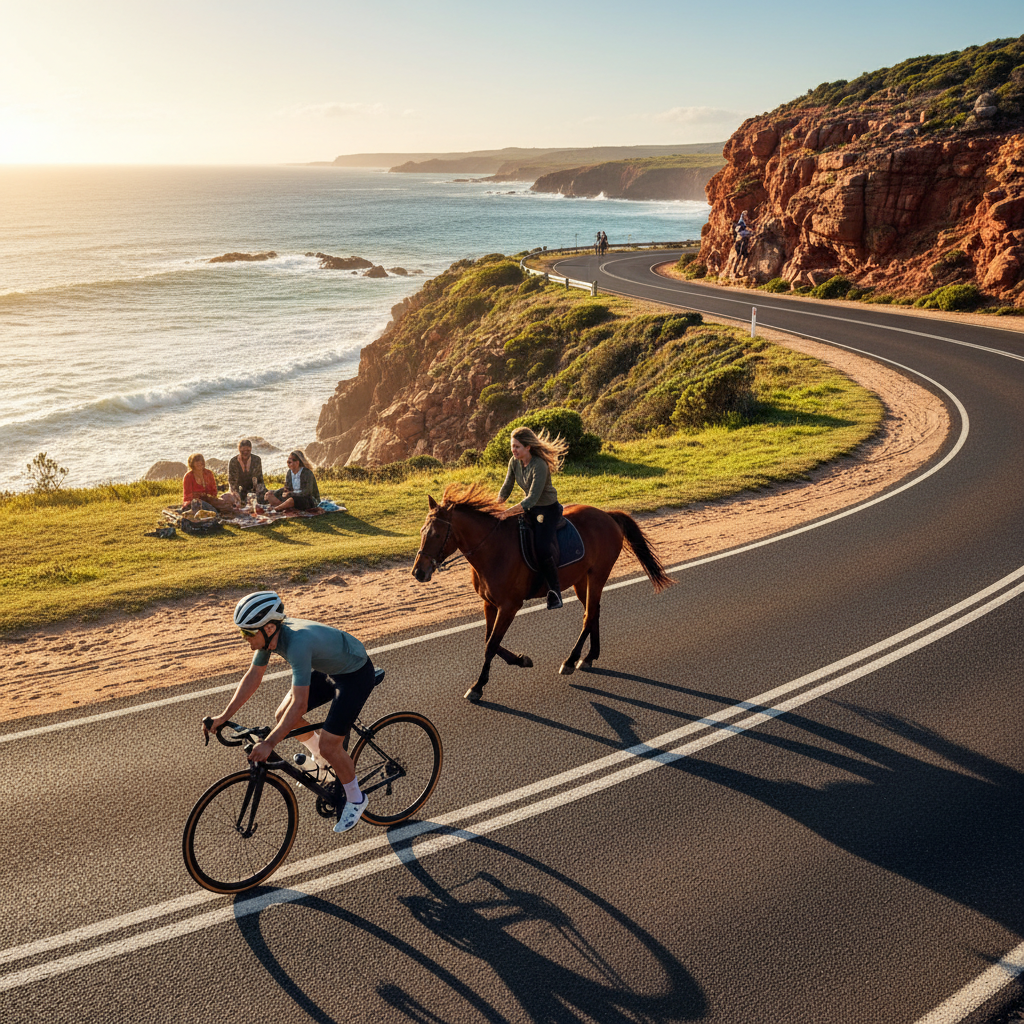
Don't Get Burned: Your No-Nonsense Guide to UV Protection for Aussie Cyclists
Australia. We love our outdoors, and cycling is a huge part of that. But let's cut to the chase: our sunshine is strong. Really strong. If you're a cyclist in Australia, you're clocking up some serious UV exposure, whether you realise it or not.
This isn't about scaremongering; it's about practical, no-nonsense advice to keep you cycling safely and protect your skin and eyes from the real risks of our intense UV levels. Forget fancy jargon; this is about what you need to know, and what you need to do.
The Harsh Reality: UV Risks for Australian Cyclists
Australia consistently has one of the highest UV radiation levels in the world. The UV Index, which measures the strength of the sun's ultraviolet rays, regularly hits 'very high' (6-7) and 'extreme' (8+) during daylight hours, especially during spring and summer. And the worst part? You might not feel the burn immediately.
1. Skin Cancer – It's Not Just About Skin That Turns Red
This is the big one. Prolonged and cumulative UV exposure is the primary cause of skin cancers, including melanoma, basal cell carcinoma, and squamous cell carcinoma. As a cyclist, your face, neck, ears, and arms are frequently exposed. Even on cloudy days, up to 80% of UV rays can penetrate cloud cover.
Melanoma: The deadliest form of skin cancer. It can develop from existing moles or appear as new, unusual looking spots.
Basal Cell Carcinoma (BCC) & Squamous Cell Carcinoma (SCC): These are more common and usually appear on sun-exposed areas like the face, ears, and hands.
Think about your typical ride. How often are you out between 10 am and 3 pm, when UV levels are at their peak? For most cyclists, this is prime riding time. That's hours of exposure, week after week, year after year.
2. Premature Aging – Looking Like a Leather Suit Before Your Time
UV rays break down collagen and elastin in your skin. This leads to wrinkles, leathery texture, age spots (solar lentigines), and sagging – all way before your time. No one wants to look older than they are, and sun damage accelerates this process significantly. Your face tells the story of your rides, and you don't want it to say 'sun-ravaged'.
3. Eye Damage – More Than Just a Headache
Your eyes are incredibly vulnerable. UV radiation can cause:
Photokeratitis (Sunburn of the Cornea): The sensation is akin to having sand in your eyes, leading to pain, redness, and temporary vision loss. It's like a sunburn for your eyeball.
Cataracts: Clouding of the lens. UV exposure is a known risk factor for developing cataracts earlier in life.
Pterygium: A fleshy growth on the white part of the eye that can spread to the cornea and affect vision.
Think about glare too. It's not just annoying; it blinds you momentarily, which is dangerous when you're navigating traffic or uneven terrain. Protecting your eyes is as crucial as protecting your skin.
4. Heat Stress & Dehydration – The Unseen Companions
While not directly UV damage, prolonged sun exposure exacerbates heat stress and dehydration. When you're hot and trying to stay hydrated, your body is working overtime. Adding intense UV radiation to the mix makes it harder for your body to regulate its temperature, increasing the risk of heat exhaustion or heatstroke, especially on longer rides in the Australian heat.
Helmet Brims: Your First Line of Defence on the Bike
Many cyclists rely solely on sunscreen. While essential, it’s only one part of a layered defence. Sunscreen wears off, gets sweated off, and requires reapplication. Your helmet, however, is with you for the entire ride.
The Problem with Standard Helmets
Most cycling helmets offer minimal sun protection for the face. They are designed for impact protection, not shade. Your nose, cheeks, and ears are often left completely exposed, even when wearing a helmet. This is where a helmet brim comes in. It's a simple, effective addition that dramatically increases your sun protection without adding hassle.
How a Helmet Brim Works
A brim, like a cap or a purpose-built helmet visor, extends forward from the helmet. Its primary function is to cast a shadow over your face and eyes. This shade:
Reduces direct UV exposure to your skin.
Minimises glare and improves your vision.
Helps keep your face cooler by blocking direct sunlight.
Think of it like an extended brow, providing constant shade. We've developed our Products with this in mind – practical, effective brims designed to integrate seamlessly with your existing helmet.
Common Objections & How to Handle Them
Let's address some common reasons cyclists might dismiss extra sun protection like a helmet brim.
Objection 1: "I wear sunscreen. That's enough."
Reality Check: Sunscreen is crucial, but it’s not foolproof. It wears off, gets sweated off, and is hard to reapply on the go. UV rays can still get you, especially on your nose, ears, and around the eyes. A brim provides a physical barrier against direct UV radiation and glare, complementing sunscreen. It's a multi-layered approach for maximum protection.
Objection 2: "A brim looks silly / I'll look like a beginner."
Reality Check: Safety and long-term health trump ego. Plenty of pro cyclists wear caps or visors under their helmets for shade. More importantly, skin cancer and premature aging look a lot worse than any perceived aesthetic issue. Prioritise protecting yourself. Our Products are designed to be functional and unobtrusive. Functionality is the goal, not fashion statements on the bike.
Objection 3: "It will make my head hotter."
Reality Check: While it might add a tiny bit of coverage, the shade it provides to your face and neck actually helps reduce overall heat absorption from direct sun. Think of it like wearing a hat in the sun – the shade on your skin is more significant than the minimal heat trapped by the brim itself. Your face will likely feel cooler with the direct sun blocked.
Objection 4: "It'll get in the way / snag on things."
Reality Check: This is a valid concern if you’re using improvised solutions. However, purpose-built brims are designed to be aerodynamic and secure. They are tested for practicality. Our Products are engineered to be robust and unobtrusive, designed for the rigours of cycling. We explain How to Install them so they are secure and out of the way.
Objection 5: "I only ride early in the morning or late in the afternoon."
Reality Check: Even outside peak hours, UV levels can be moderate to high in Australia, especially during summer. Reflected UV from surfaces like water or sand can also increase exposure. Plus, are you always sure you'll only ride then? It's safer to have consistent protection. Better safe than sorry.
Your Sun Safety Checklist for Australian Rides
Don't leave your protection to chance. Make sun safety a habit.
Before You Ride:
[ ] Check the UV Index: Know the strength of the sun for your ride duration.
[ ] Apply Sunscreen: Use SPF 30 or higher, broad-spectrum. Don't forget ears, neck, and any exposed areas. Apply 15-20 minutes before going out.
[ ] Wear a Helmet: Essential for impact protection.
[ ] Equip a Helmet Brim: Add a brim to your helmet for direct face and eye shading. (See our Products)
[ ] Wear Sunglasses: UV-blocking sunglasses are vital for eye protection.
[ ] Consider Sun-Protective Clothing: Long sleeves, UPF-rated fabrics for longer rides.
[ ] Hydrate: Drink water before you leave.
During Your Ride:
[ ] Seek Shade When Possible: Utilise natural shade breaks.
[ ] Reapply Sunscreen: If riding for extended periods or sweating heavily (ideally every 2 hours, but often impractical on the bike – hence the need for a brim).
[ ] Drink Water Regularly: Stay ahead of dehydration.
After Your Ride:
[ ] Check Your Skin: Inspect for any missed spots or signs of redness.
[ ] Moisturise: Rehydrate your skin.
Practical Sun Protection: A Step-by-Step Approach
Let's break down how to integrate effective sun protection into your cycling routine. It's not complicated.
Step 1: Assess Your Helmet.
Look at your current cycling helmet. Does it offer any shade to your face? For most, the answer is no. This is where a supplementary brim is essential. Consider our range of Products designed to fit various helmet types.
Step 2: Choose and Install Your Brim.
Select a brim that suits your helmet and riding style. Our brims are designed for easy attachment and removal. Follow the straightforward guide on How to Install to ensure it's secure and positioned correctly.
Step 3: Sunscreen Application.
Before every ride, apply a generous amount of broad-spectrum SPF 30+ sunscreen to all exposed skin. Pay extra attention to your face, ears, and neck. This is your secondary layer of defence.
Step 4: Eye Protection.
Wear UV-blocking sunglasses. Ensure they fit well and don't interfere with your helmet or vision. A brim will reduce glare, making your sunglasses even more effective and comfortable.
Step 5: Hydration Plan.
Carry enough water for your planned ride duration, factoring in the heat. If you're on a long ride, plan refill stops or carry hydration packs. Proper hydration helps your body cope with the stress of sun exposure.
Step 6: Develop a Reapplication Strategy (for long rides).
For rides over 2-3 hours, plan sunscreen reapplication. This can be inconvenient, which is why the physical barrier of a brim is so valuable – it doesn't need reapplication. Even if you reapply when stopped, the brim provides continuous protection.
The 'Da Brim' Difference
We understand the Australian cycling environment. We know you ride long distances, in harsh sun, often for pure enjoyment or necessary commuting. That's why we developed our range of helmet brims. They are designed to be practical, durable, and effective at blocking UV rays and reducing glare.
Easy to attach: Most attach with Velcro, no permanent modification needed.
Durable: Made to withstand the elements.
- Effective: Provides significant shade to your face and eyes.
Don't wait for the damage to appear. Proactive protection is key. Explore our Products to find the right brim for your helmet and ensure your rides are as safe as they are enjoyable.
Frequently Asked Questions
We get asked a lot about sun protection. You can find more detailed answers on our FAQ page, but here's a quick rundown of common queries.
Q: Will a brim obstruct my vision?
A: Properly installed and sized, a brim should not obstruct your forward vision. It's designed to shade your eyes, not block your view. Our designs are tested for field of vision.
Q: Can I use a regular baseball cap under my helmet?
A: While it provides some shade, a baseball cap can interfere with helmet fit and ventilation, compromising safety. Purpose-built helmet brims integrate directly with the helmet, maintaining its integrity and comfort.
Q: How do I clean my helmet brim?
A: Most brims can be wiped clean with a damp cloth and mild soap. Refer to the specific product instructions if any. You can also find more details on our FAQ page.
Protect Yourself, Enjoy Your Ride
Cycling in Australia is fantastic, but it demands respect for our powerful sun. Don't let sun damage cut your riding days short or cause long-term health problems. By incorporating a helmet brim into your gear, alongside sunscreen and good hydration, you're taking a vital step in protecting your skin and eyes.
It's a simple addition to your existing helmet that offers significant benefits. Check out our range of Products and make sure your next ride is a protected one. For more tips and information, visit our Blog.
Stay safe, stay shaded, and keep on cycling.