
Don't Get Burned: Why Climbers Still Sunburn on Cooler Australian Days
Think a cool day means no sunburn? Think again. Climbers, here's the unfiltered truth about UV exposure, even when the temperature drops. Plus, how to stop it.
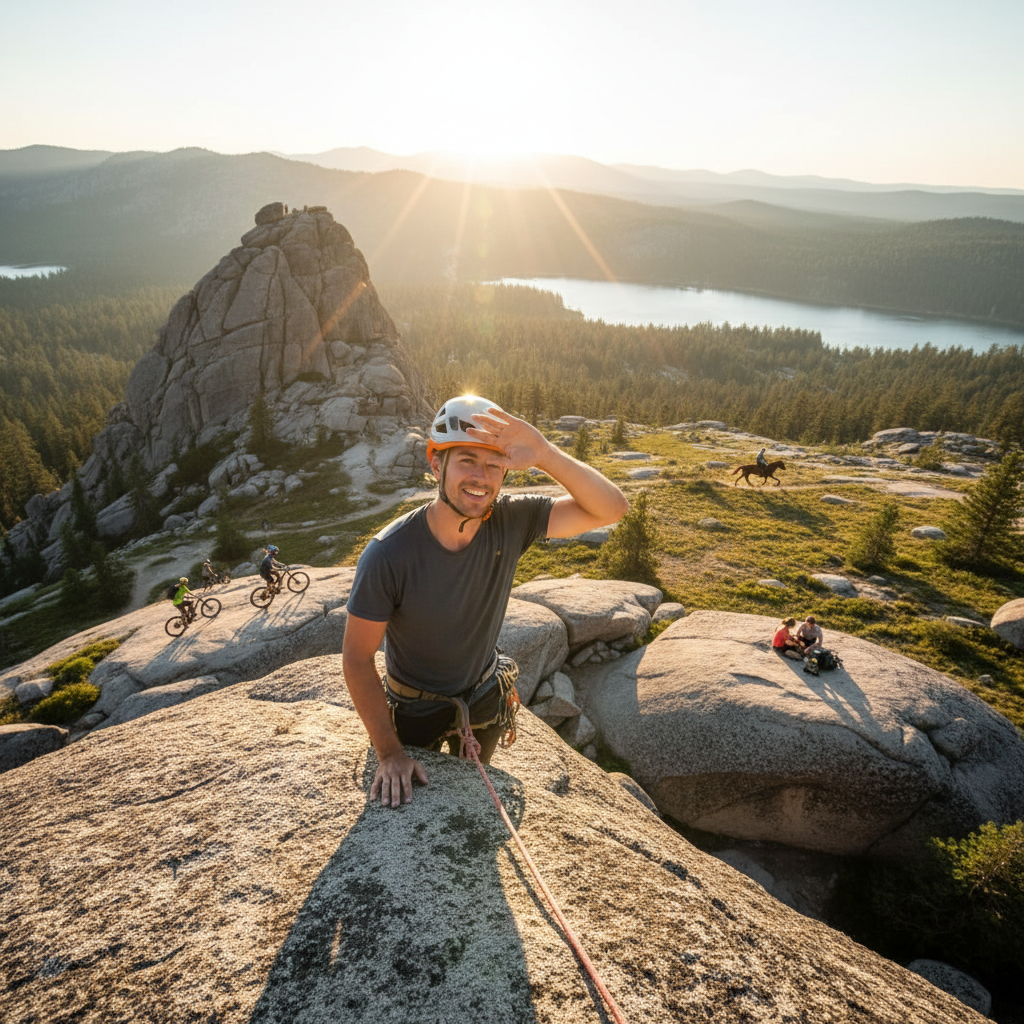
Don't Get Burned: Why Climbers Still Sunburn on Cooler Australian Days
You're heading out for a climb. The air's crisp, maybe a bit of a breeze. It feels… pleasant. You might even think, 'Ah, a cool day, no need to stress too much about the sun.' Big mistake. Especially here in Australia.
Australian UV levels are notoriously high. What feels like a mild day can still pack a serious UV punch, and climbers are particularly exposed for extended periods. Even on cloudy or cooler days, the sun's ultraviolet (UV) radiation can cause significant damage to your skin. Let's cut the fluff and get down to why this happens and, more importantly, what you can do about it.
The Sneaky Nature of UV Radiation
Sunburn isn't caused by heat; it's caused by UV radiation. This is the critical point many people miss. You can feel cold, but your skin can still be getting fried.
UV Rays Penetrate Clouds: Clouds might block visible light and reduce heat, but they're not a complete UV shield. Depending on the thickness and type, clouds can actually scatter UV rays, potentially increasing your exposure in some situations. That 'partly cloudy' day? Still a UV risk.
UV and Altitude: While most climbing might not involve extreme altitudes, even a few hundred metres higher than sea level means less atmosphere to filter the UV rays. The higher you are, the stronger the UV can be.
Reflection: Rocks, sand, and even water reflect UV radiation. If you're climbing on a light-coloured rock face, a significant amount of UV can be bouncing back up at you, hitting areas already exposed from above.
Long Exposure Times: Climbers spend hours outdoors, often with large areas of skin exposed. Unlike a quick walk to the shops, a climbing session means prolonged exposure, multiplying the potential for damage even with moderate UV levels.
Australian UV Index: The UV Index is a daily forecast of the intensity of UV radiation. In many parts of Australia, the UV Index can reach 'high', 'very high', or 'extreme' levels for much of the year, even outside the peak summer months. A cooler day doesn't automatically mean a low UV Index.
It's Not About How Hot It Feels
This is the core objection: "It's not sunny enough to burn." Or "I don't feel hot, so I'm fine." This thinking is dangerous. Your skin doesn't discriminate based on your ambient temperature. It reacts to UV radiation. If your skin feels fine, it's likely because the UV intensity isn't high enough yet to cause immediate discomfort or visible redness. But damage is still occurring under the surface.
Remember, sunburn is just one symptom of UV damage. Long-term exposure without protection significantly increases your risk of premature aging, sunspots, and skin cancer.
The Specific Risks for Climbers
Let's be blunt: climbing involves a lot of upward-facing and exposed anatomy.
Scalp and Parting: If you don't wear a helmet consistently, or if your helmet doesn't offer full coverage, your scalp and hair parting are prime targets. Even with a helmet, if it’s a poor fit or you’re only wearing it for part of the time, that’s exposed skin.
Neck and Ears: These areas are often exposed, especially if you’re wearing a t-shirt or a climbing jersey with a lower neckline. Ears, often forgotten, are particularly vulnerable and prone to skin cancer.
Face and Forehead: While sunglasses help, the tops of your cheeks, nose, and forehead are continually exposed. The area under your chin can also get reflected UV.
Hands: Even if you’re wearing gloves occasionally, your hands are in constant motion and often exposed. The backs of your hands are particularly susceptible.
Arms and Legs: If you’re climbing in shorts or a t-shirt, these areas receive direct and potentially reflected UV.
Protecting Yourself: Beyond Just Sunscreen
Sunscreen is a crucial tool, but it's not the only one, and it's often applied incorrectly or not reapplied enough, especially during a demanding activity like climbing.
Sunscreen: The Basics of Application
Choose Broad-Spectrum: Ensure your sunscreen protects against both UVA and UVB rays. UVA causes aging, UVB causes burning. Both are bad.
SPF 30 or Higher: For Australian conditions, SPF 30 is the minimum. SPF 50+ is recommended for extended outdoor activities.
Apply Generously: Most people don't use enough. Think one to two teaspoons for your face and neck alone. Don't be stingy.
Apply 15-20 Minutes Before Exposure: This allows the sunscreen to bind to your skin.
Reapply Regularly: Every two hours is the standard. More often if you're sweating heavily or touching your face. This is where many climbers fall short.
A common objection is "I can't be bothered to reapply every two hours when I'm halfway up a route." This is valid. It's why other protection is essential.
Headwear: Your First Line of Defence
For climbers, a helmet is non-negotiable for safety. The good news is, your helmet can be your best friend against the sun too. The issue often lies in the coverage the helmet provides, or more accurately, the lack of it.
Standard Climbing Helmets: Many standard climbing helmets offer significant head protection but limited facial and neck coverage from the sun. They're designed for impact, not necessarily UV shielding.
The Solution: A Brimmed Solution: This is where dedicated helmet brims come in. Designed to be attached to your existing helmet, they extend the shade significantly.
Consider this:
| Feature | Standard Helmet Only | Helmet with Extended Brim |
|---|---|---|
| Forehead Coverage | Limited | Excellent |
| Cheek Coverage | Minimal | Good |
| Nose Coverage | Minimal | Good |
| Neck Coverage | Minimal | Good |
| Ease of Use | Standard | Simple attachment |
| Reapplication Need | High (sunscreen) | Lower (sunscreen still needed for uncovered areas) |
An extended brim transforms your helmet from just a piece of safety gear to a comprehensive sun protection system for your head and face. This is particularly effective for those cooler days when you might skip the full-face sunscreen application because you feel less exposed.
Checklist for Sun Safety on Cooler Climbing Days
Don't wait until you're red to realise you weren't protected. Implement these habits:
Wear a Brimmed Helmet: Ensure your helmet has adequate brim coverage. If yours doesn't, consider an attachment. Our Products page has options.
Sunscreen Application: Even on cooler days, apply broad-spectrum SPF 30+ sunscreen to all exposed skin 15-20 minutes before you head out.
Reapplication Strategy: Plan for reapplication. Keep a small, travel-sized sunscreen accessible and try to reapply during breaks, especially on longer climbs.
Protective Clothing: Wear light-coloured, long-sleeved shirts and full-length trousers or leggings where practical. Moisture-wicking fabrics are best for comfort.
Hats and Wraps: Consider a lightweight, wide-brimmed hat to wear under your helmet (ensure it doesn't compromise safety or fit) or to wear during approaches and descents.
Sunglasses: Essential for eye protection against UV. Choose ones that wrap around.
Lip Balm with SPF: Don't forget your lips!
Know the UV Index: Check the daily UV forecast. Even if it's cool, a UV index of 3 or higher requires protection.
Step-by-Step Sun Protection for Your Climb
Here’s a practical approach to integrate sun safety into your climbing routine, even when the temperature suggests otherwise:
1. Pre-Climb Prep (Morning Of):
Check the UV Index for your climbing location. If it’s 3 or higher, sun protection is mandatory.
Apply broad-spectrum SPF 30+ sunscreen to face, neck, ears, and any exposed skin. Allow it to absorb for 15-20 minutes.
Apply SPF lip balm.
Put on your protective clothing – long sleeves and pants are ideal for maximizing coverage.
Ensure your helmet is clean and ready. If using an add-on brim, attach it now (How to Install instructions are simple).
2. During the Climb:
Wear your helmet consistently. The brim should be providing shade to your face and neck.
Take note of breaks on the ground or at belay stations. This is your opportunity to reapply sunscreen to any areas that might have been missed or are prone to sweat, like around the helmet line or on your hands.
If you pause on a sunny ledge, ensure your head and neck remain shaded, either by the helmet brim or by finding natural shade.
3. Post-Climb and Recovery:
Assess your skin after the climb. Look for any areas that might have been missed or compromised.
Apply a soothing moisturiser, particularly if you suspect any early signs of redness.
Stay hydrated. While not directly related to UV, it's crucial for overall recovery and skin health.
When in Doubt, Protect.
Australian sun is a year-round concern. Cooler days create a false sense of security, leading to complacency. Climbers, your exposure is unique and prolonged. Don't let a comfortable temperature lull you into a risky situation. Investing in proper sun protection, including an extended brim for your helmet, is a simple but effective way to preserve your skin's health for years of climbing to come.
For more information on staying safe and gear that can help, check out our FAQ or browse our Products. And for more tips on outdoor safety, head over to our Blog.