
Don't Get Burned: Why Climbers Need Sun Protection, Even When It's Not Boiling
Climbers often think cooler days mean no sun risk. That’s a dangerous fallacy. Learn why even on a moderate day, your helmet isn’t enough and how to protect yourself.
Don't Get Burned: Why Climbers Need Sun Protection, Even When It's Not Boiling
Australia. We love our outdoor life. From the coast to the rugged inland, we chase adventure. Climbing is a massive part of that. But we also know a thing or two about the sun – and how it can bite.
Many climbers assume that if it's not a scorching 35°C day, they’re in the clear. That's a recipe for peeling skin and long-term damage. Your helmet shields your head, but your face, neck, and ears are still exposed. Even on cooler, overcast days, UV radiation is a genuine threat. Let's break down why you can still get sunburnt while climbing and what you absolutely need to do about it.
The Sneaky Sun: UV Radiation Isn't Just Heat
People associate sunburn with feeling hot. This is where the misconception creeps in. Sunburn is caused by ultraviolet (UV) radiation, not by heat. You can feel a cool breeze and still be getting blasted by UV rays. In Australia, this is a critical point. Our ozone layer is thinner, and our latitude means UV levels are high year-round, especially during the peak daylight hours.
UV Index: Your Real Sun Warning
The UV Index is a measure of the strength of UV radiation from the sun. It's the most reliable indicator of sunburn risk.
Low (1-2): Minimal risk. Catch some rays if you are fair-skinned and going to be outside for an extended period.
Moderate (3-5): Moderate risk. Protection recommended. Seek shade during peak hours.
High (6-7): High risk. Protection essential. Unprotected skin burned in 10-15 minutes.
Very High (8-10): Very high risk. Protection essential. Unprotected skin burned in 5-10 minutes.
Extreme (11+): Extreme risk. Protection essential. Unprotected skin burned in less than 5 minutes.
Even on a 'cool' day, if the UV Index is high (which is common in many Australian climbing locations for much of the year), you're at serious risk. Cloud cover can reduce UV levels, but it doesn't block them entirely. Think of clouds like a thin curtain – they diffuse the light, but the harmful rays can still penetrate.
Why Helmets Alone Aren't Enough (And What They DON'T Cover)
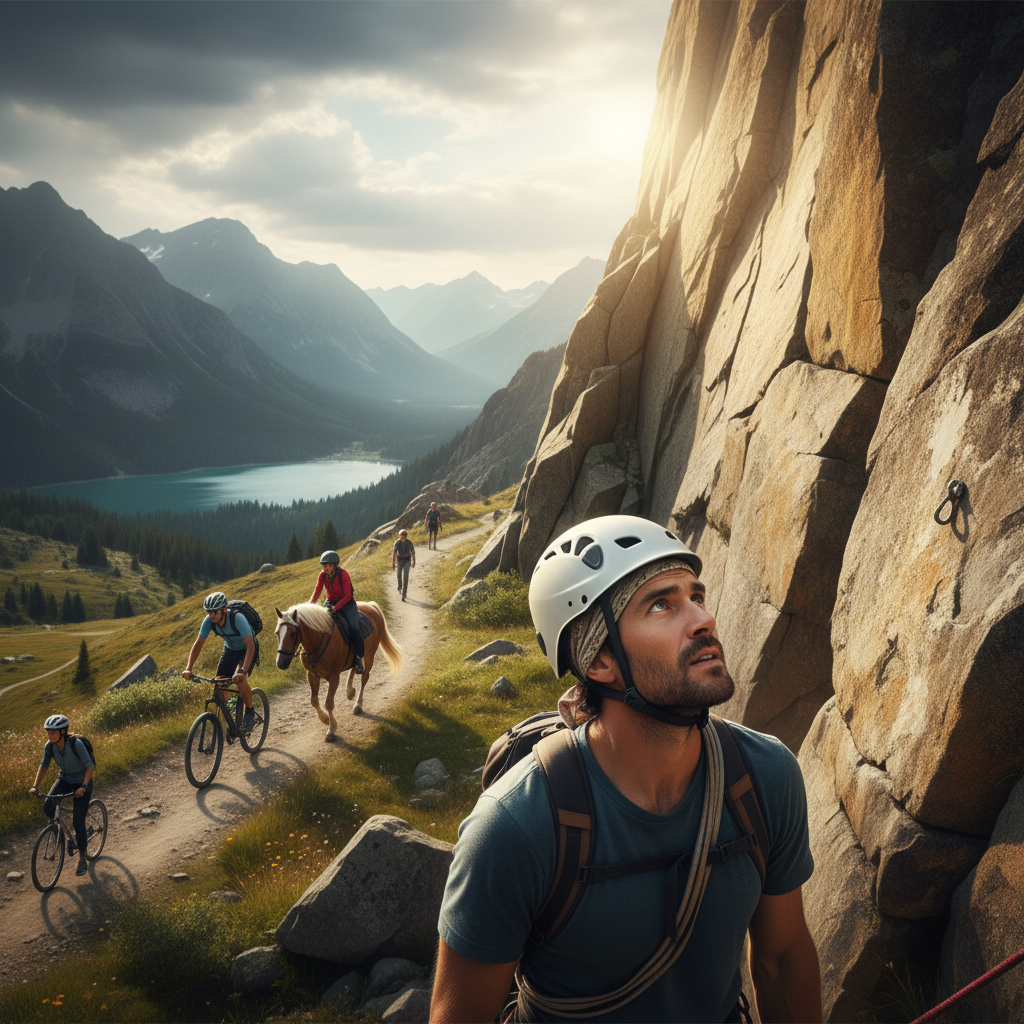
Your climbing helmet is vital safety gear. It protects your head from falling rocks and impacts. But most helmets are designed for impact protection, not UV protection. They typically leave your face, ears, and neck completely exposed. These are prime areas for sunburn, especially for climbers who spend hours looking up, often with their face tilted.
Consider the common climbing posture: your head is up, your face is exposed to the sky, and your neck is often craned upwards. Even a shadow cast by the helmet’s rim offers minimal protection to your nose, cheeks, and ears on a moving ascent.
The Dangers of Sunburn for Climbers
Beyond the immediate discomfort, repeated sunburns and prolonged sun exposure carry significant risks:
Premature Skin Ageing: Wrinkles, sunspots, and leathery skin. Not exactly the aesthetic most climbers are going for.
Heat Exhaustion/Stroke: While not directly sunburn, prolonged sun exposure contributes to overall heat load, increasing the risk of heat-related illnesses, especially when combined with physical exertion.
Eye Damage: UV radiation can contribute to cataracts and other eye conditions over time. Sunglasses are essential for your eyes, but so is shade for the skin around them.
Skin Cancer: This is the most serious risk. Basal cell carcinoma, squamous cell carcinoma, and melanoma are all linked to UV exposure. Many climbing locations are exposed and remote, meaning access to prompt medical care can be an issue if a serious issue arises.
Handling Objections: 'But it's a cooler day!' / 'I'm wearing a helmet!'
We hear it all the time. Let's set the record straight:
Objection 1: "It's not hot, so I'm fine."
Reality: As discussed, UV radiation causes sunburn, not heat. Australian UV levels can be high even when the temperature feels moderate. Always check the UV index.
Objection 2: "My helmet has a brim."
Reality: Most climbing helmets have very minimal brims that offer superficial shade. They are not designed to provide comprehensive sun protection for your face and neck. Consider the sun's angle – it's rarely directly overhead when you're climbing.
Objection 3: "I'll be in the shade for most of it."
Reality: Climbing often involves direct sun exposure between pitches, during transitions, and even on exposed routes. Relying solely on intermittent shade is a gamble.
Objection 4: "I need to feel the elements."
Reality: There's a difference between feeling the breeze and getting a harmful dose of UV radiation. You can still 'feel the elements' safely with proper protection.
Practical Sun Protection Strategies for Climbers
Being prepared is key. Don't let sun exposure cut your climbing day short or cause you damage.
Pre-Climb Checks:
Check the UV Index: Before you even pack your gear, know the UV forecast. If it's 3 or above, you need protection.
Sunscreen Application: Apply broad-spectrum SPF 50+ sunscreen generously to all exposed skin at least 20 minutes before going outside. Reapply every two hours, or more often if sweating heavily or swimming.
Timing: Plan climbs for earlier mornings or later afternoons when UV levels are generally lower, if your schedule allows. However, remember Australian sun can be intense even then.
During the Climb:
Headwear Accessories: This is where a dedicated helmet brim really shines. Something that extends the shadow of your helmet significantly can be a game-changer. Consider accessories designed to attach to your helmet, offering more comprehensive facial and neck shade. Check out Products for options that fit.
Clothing: Wear lightweight, long-sleeved UPF-rated clothing. This is far more effective than relying solely on sunscreen, especially for extended periods. Tuck in your collar and ensure it covers your neck.
Sunscreen Reapplication: Make it a habit. During rests, or at the top of a pitch, reapply sunscreen.
Lip Balm with SPF: Don't forget your lips. They can burn too.
- Sunglasses: Crucial for eye protection. Ensure they offer UV protection.
Installing Your Helmet Brim: Simple and Effective
Worried about adding something to your helmet? It's usually straightforward. Our accessories are designed for easy attachment, ensuring they stay put during your climb. Refer to our How to Install guide for clear, step-by-step instructions. It takes minutes and vastly improves your sun defence.
Step-by-Step: Minimising Sunburn Risk
1. Assess the UV Index: Crucial first step. Don't guess.
2. Apply Sunscreen: Generously, to face, ears, neck, and any exposed skin. Use SPF 50+.
3. Wear Sun-Protective Clothing: Long sleeves and pants are best.
4. Add a Helmet Brim: Maximise shade for your face and neck. Consult Products for suitable options.
5. Use Lip Balm with SPF: Protect your lips.
6. Wear UV-Protective Sunglasses: Protect your eyes and the delicate skin around them.
7. Reapply Sunscreen/Balm: Every two hours, or as needed.
8. Seek Shade During Rests: If possible, use natural shade during breaks.
Frequently Asked Questions
Have more questions about sun protection for climbing? We’ve compiled answers to common concerns on our FAQ page. From specific product recommendations to understanding UV ratings, find the information you need.
Conclusion: Climb Smarter, Not Just Harder
Being a dedicated climber means prioritising safety – and sun protection is a non-negotiable part of that. Don't let a lack of understanding about UV radiation lead to unnecessary pain and long-term health risks. Your helmet is for impacts, not UV rays. Enhance your helmet's protective capabilities with a proper brim and combine it with other sun safety measures. Explore our range of Products and embrace a smarter approach to climbing under the Australian sun. For more tips and discussions on climbing safety, head over to our Blog.
Climb safe, climb smart, and stay protected.