
Don't Get Burned: Why Cheap Helmet Brims Fail in Australian Sun
Your helmet is safety gear. Don't let a cheap brim jeopardise your protection or bake your face. We break down why budget brims can't hack the Australian sun and what to look for.
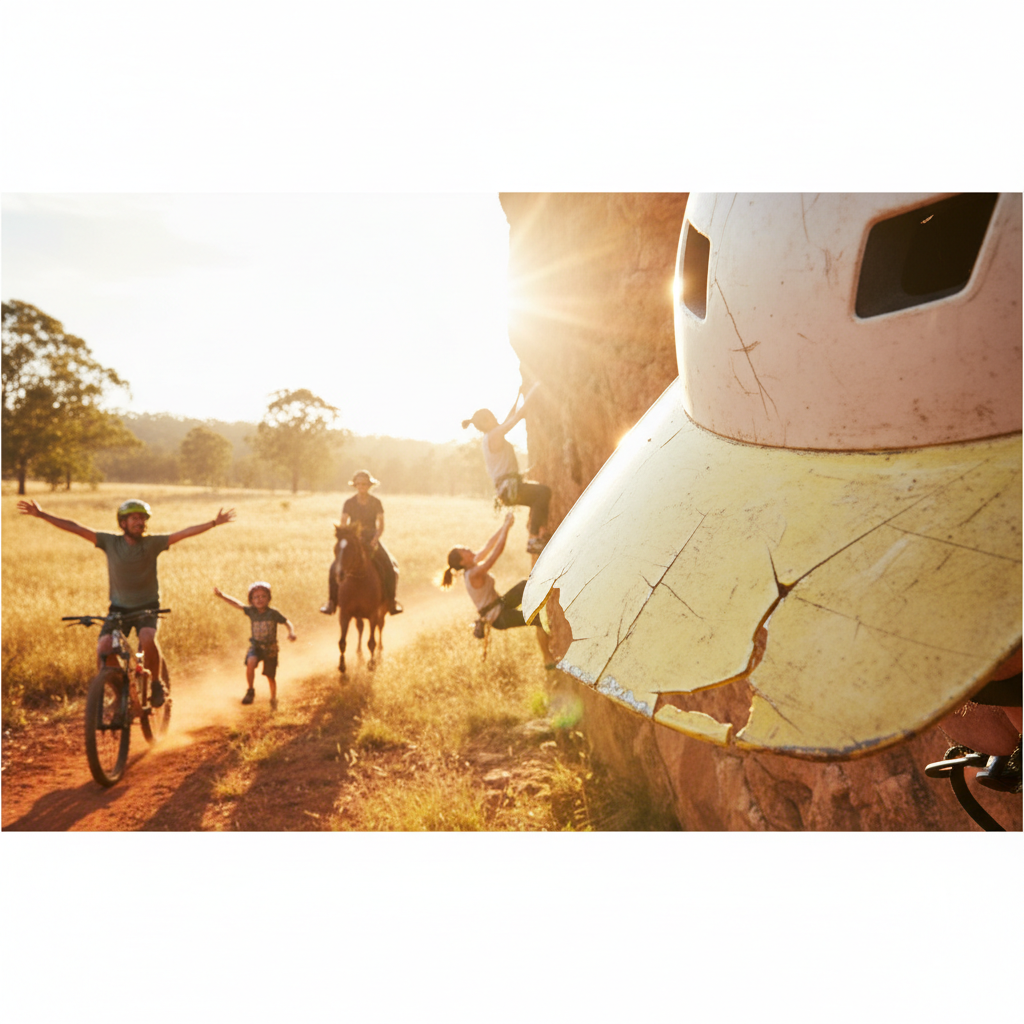
Don't Get Burned: Why Cheap Helmet Brims Fail in Australian Conditions
Australia. We love it. The beaches, the sport, the great outdoors. But let's be honest, we also cop some serious sun. High UV levels, scorching temperatures, and days that stretch on forever mean our skin is constantly under threat, especially if you're wearing a helmet for work, sport, or recreation.
Your helmet is a critical piece of safety equipment. It's designed to protect your head. But what about the rest of you? Your face, your neck, your ears? These areas are often left exposed, and that's where a good helmet brim comes in. It's not just about shade; it's about defence against intense UV radiation and preventing painful sunburn.
However, not all helmet brims are created equal. If you've ever grabbed a cheap, no-name brim from a discount store or a bulk supplier, you've probably seen it: the rapid degradation, the brittle plastic, the ineffective shade. These 'bargains' can quickly become worthless, even dangerous, in our harsh Australian environment.
This isn't about being a snob; it's about practicality and smart spending. We're going to tell it to you straight: why those cheap helmet brims just don't cut it down under.
The Harsh Reality of Australian Sun
Before we dive into why cheap brims fail, let's acknowledge what we're up against:
Extreme UV Index: Australia consistently ranks among the highest UV levels globally. Even on cloudy days, UV rays can penetrate. Prolonged exposure without adequate protection is a recipe for sunburn, premature aging, and significantly increases your risk of skin cancer.
Intense Heat: We're not talking mild warmth. We're talking temperatures that can bake equipment, materials, and skin. This heat can warp, weaken, and degrade plastics.
Prolonged Exposure: Many Australian jobs and activities require hours spent outdoors. Even short periods add up. A brim that offers minimal protection won't cut it for a full workday or a long cycling tour.
Weather Variability: From searing heatwaves to dusty winds, Australian conditions are tough on everything. Your gear needs to be built to withstand more than just a gentle breeze.
Why Cheap Helmet Brims Are a False Economy
So, why do those super-cheap brims fall apart so quickly? It comes down to the materials, construction, and design choices made to hit a low price point.
1. Degradable Plastics
This is the number one killer of cheap brims. To keep costs down, manufacturers often use:
Low-Quality Polypropylene (PP) or generic plastics: These materials are cheap to produce but have poor UV resistance. Under constant exposure to sunlight, their molecular structure breaks down. You'll notice it as:
Brittleness: The plastic becomes stiff and prone to cracking or snapping, especially when bumped or handled.
Fading: The colour leaches out, leaving a pale, chalky appearance.
Chalking/Powdering: The surface starts to break down, leaving a dusty residue.
Lack of UV Stabilisers: Reputable manufacturers add UV inhibitors to their plastics. These act like sunscreen for the brim itself, preventing the sun's rays from degrading the material. Cheap brims almost never have these crucial additives.
What happens in Australia? Within weeks, maybe a few months, a cheap brim exposed to our sun will likely become brittle. A small knock could shatter it, or it might simply start to crumble. That shade it provided? It's now literally falling apart.
2. Poor Design and Fit
Cheap brims are often designed as a one-size-fits-all or a generic shape intended to clip onto any helmet. This usually means:
Suboptimal Coverage: They don't curve correctly around the helmet, leaving gaps where the sun can still blast your face and neck.
Insecure Fit: They might clip on, but they don't lock securely. Vibration, movement, or a light brush can dislodge them, rendering them useless or even a nuisance.
Lack of Adjustable Fit: No way to subtly adjust the angle for optimal shade throughout the day.
What happens in Australia? A brim that doesn't fit well doesn't provide consistent shade. You might think you're protected, but you're actually getting a patchy tan and risking sunburn on exposed areas. If it falls off easily, it's a safety hazard, especially in high-risk environments.
3. Substandard Attachment Mechanisms
Even if the brim material were okay, the way it attaches to the helmet is often compromised in cheap options:
Flimsy Clips: Made from the same brittle plastic, these clips break easily during installation or if the helmet is dropped.
Poorly Designed Retention: They rely on simple friction or weak pressure points, which can't withstand the movements and vibrations associated with wearing a helmet during activity.
What happens in Australia? Your brim might come off mid-activity, leaving you suddenly exposed. Or worse, a broken clip means the brim is useless until you can find a replacement, which you likely won't for a budget item.
4. Ineffective Shade Archicture
Think about how a brim works. It needs to create a shadow that extends far enough forward and to the sides to cover your face.
Too Short: Many cheap brims are simply too small to offer adequate shade.
Flat Design: They lack the subtle curve needed to direct light away from the face and neck.
What happens in Australia? You might get some shade directly overhead, but the harsh, low-angle sun of morning and afternoon will still bake your nose, cheeks, and ears. You're not getting the comprehensive protection you need.
A Simple Comparison: Cheap vs. Quality
Let's put it into perspective. You're investing in a helmet for safety. Don't let the brim be the weak link.
| Feature | Cheap Helmet Brim | Quality Helmet Brim (e.g., DA BRIM) | Why it Matters in Australia |
|---|---|---|---|
| Material | Low-grade, no UV additives, brittle | High-impact, UV-stabilised polymers | Resists degradation, won't become brittle and break in the sun and heat. Holds its shape. |
| UV Resistance | Minimal to none | Excellent, designed for outdoor use | Protects you from damaging UV rays, reducing sunburn and skin cancer risk. |
| Fit & Security | Generic, loose, dislodges easily | Purpose-built, secure, adjustable | Stays put, provides consistent shade, doesn't become a hazard by falling off. |
| Durability | Cracks, fades, breaks quickly | Long-lasting, robust | A worthwhile investment that lasts season after season, under constant Australian sun. |
| Coverage | Limited, often insufficient | Extended, designed for optimal shade | Provides genuine protection for face, ears, and neck against harsh UV and glare. |
| Cost | Very low upfront, high long-term cost | Moderate upfront, excellent long-term value | A cheap brim breaks quickly, needing replacement. A quality brim lasts for years. |
What to Look for in a Helmet Brim for Australian Conditions
If you're tired of replacing flimsy brims or suffering sunburn because of inadequate shade, here’s what to prioritise when choosing one for your helmet:
UV-Stabilised Material: This is non-negotiable. Look for claims that the plastic is UV-treated or designed for outdoor exposure.
Robust Attachment System: It needs to securely fasten to your specific helmet type without wobbling or coming loose. Ideally, it should be designed to integrate with your helmet's existing features (like ventilation holes). If it uses clips, ensure they are thick and made of a flexible, durable plastic.
Adequate Coverage and Shape: The brim should be long enough to cast a significant shadow over your face and extend down to cover your ears and the back of your neck. It should have a gentle curve that complements the helmet's profile.
Flexibility (not Brittleness): While it needs to be rigid enough to hold its shape, the material should have some give. It shouldn't feel like it will snap if you bend it slightly or if it gets jostled.
Australian Conditions Tested (Implicitly): While you might not see this explicitly stated, a brand that understands outdoor gear for Australia will inherently design products to withstand our sun. Look for brands with good reputations for outdoor or work-safety equipment.
Installing and Maintaining Your DA BRIM
If you've invested in a quality brim like DA BRIM, knowing how to install it correctly is key to maximising its effectiveness and lifespan. Our brims are designed for secure, easy installation. They use a combination of robust clip mechanisms and often integrate with your helmet's ventilation system for a strong hold.
Installation Checklist:
[ ] Clean Surfaces: Ensure both the helmet and the brim attachment points are clean and dry.
[ ] Align Correctly: Position the brim for optimal shade coverage and alignment with your helmet's features.
[ ] Secure Firmly: Engage all clips and ensure the brim sits flush and doesn't move when pressure is applied.
[ ] Test Fit: Gently try to wiggle the brim. It should feel solid and integrated.
Maintenance for Longevity:
Regular Cleaning: Wash with mild soap and water. Avoid harsh chemicals or abrasive cleaners that can damage the plastic.
Periodic Inspection: Check for any signs of wear, especially on the attachment points.
Proper Storage: When not in use, don't leave your helmet baking in the sun on a dashboard. Store it in a cooler place to minimise long-term UV exposure for both the helmet and the brim.
Don't Cut Corners on Sun Protection
Your health is not worth saving a few dollars on a cheap, ineffective piece of gear. Australian conditions demand robust, well-designed equipment. A quality helmet brim is a small investment that pays huge dividends in comfort, protection, and long-term skin health.
If you're looking for a helmet brim that can stand up to the intensity of the Australian sun, explore our range of products. Designed for durability and maximum shade, they're built to last so you can enjoy the outdoors safely.
Still have questions? Check out our FAQ or head back to the Blog for more insights into gear and outdoor safety.