
Don't Get Burned: Sun Safety for Australian Climbers
Crushing that next climb in Australia means facing serious sun. Learn how to protect your skin and eyes while helmeted outdoors.
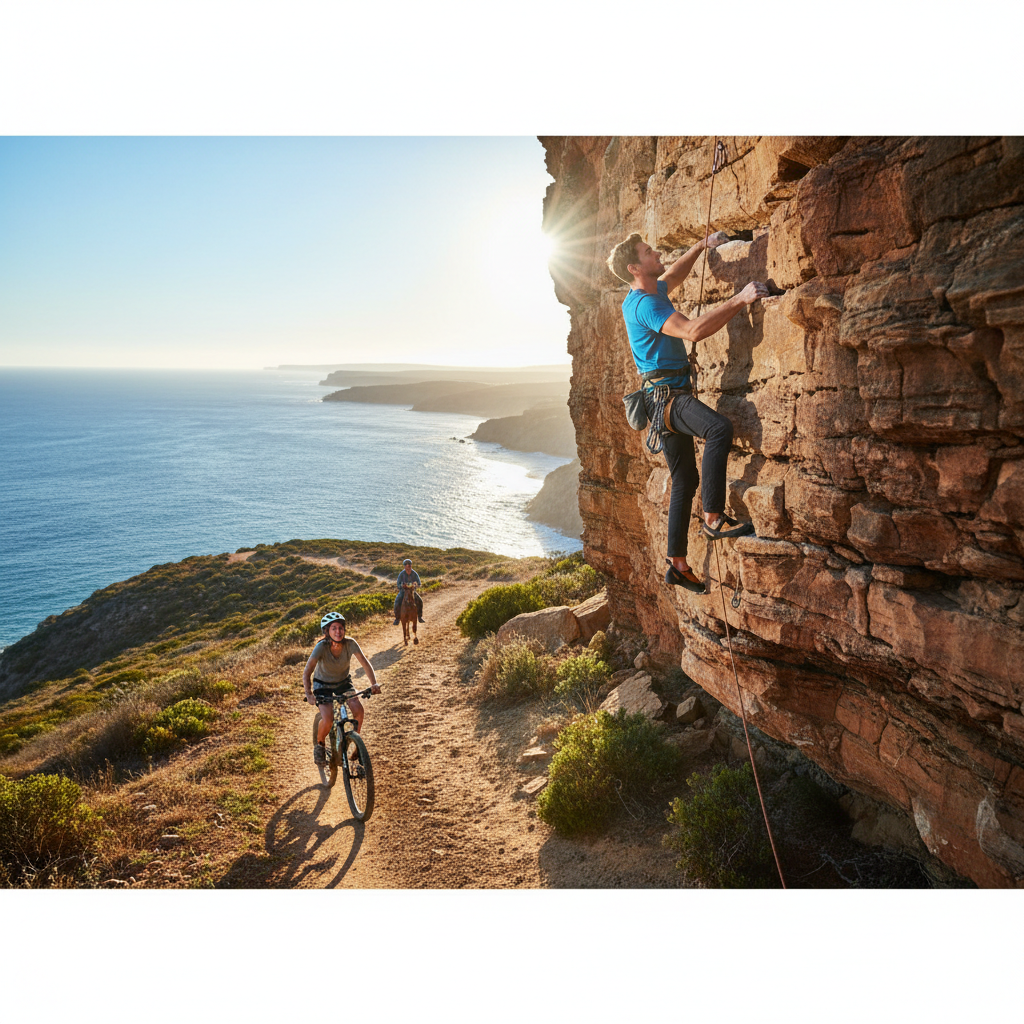
Don't Get Burned: Sun Safety for Australian Climbers
Australia. It's our backyard, and it's spectacular. From the Blue Mountains to the Grampians, and countless crags in between, we're blessed with world-class climbing. But let's be blunt: our sun is brutal.
If you're heading outdoors for a climb, you're exposing yourself to significant sun damage before you even clip into the first bolt. And while you're diligently protecting your noggin with a helmet (good on you!), your face, neck, and eyes are still wide open to the elements. This isn't just about avoiding a painful sunburn; it's about long-term health and safety.
The Harsh Australian Reality
We all know it, but it's worth repeating: Australian UV levels are consistently among the highest in the world. The UV index can reach extreme levels, especially during climbing seasons from spring through to autumn. Even on cloudy days, UV rays can penetrate and cause damage. Factor in the long daylight hours and the reflective nature of rock surfaces, and the risks multiply.
Sun Exposure Risks for Helmeted Climbers
Skin Cancer: This is the big one. Regular, unprotected sun exposure is a primary cause of melanoma and other skin cancers. Your face, ears, and neck are prime targets. While you might not see the immediate effects, cumulative damage adds up.
Heatstroke & Dehydration: Australia gets hot. Really hot. Climbing in direct sun, especially on exposed rock faces, can rapidly lead to overheating. Dehydration exacerbates this, impacting your physical performance and judgment – crucial when you're high off the deck.
Sunburn: Obvious, but still a major issue. A painful sunburn reduces your comfort, impairs sleep, and can even lead to blistering, which is a significant setback for any climber.
Eye Damage: Not just a sunburn on your eyelids. Prolonged UV exposure can contribute to cataracts and other long-term eye conditions. Squinting in bright light also affects your vision on the rock.
Premature Skin Ageing: Wrinkles, sun spots, leathery skin – this is the visible toll of too much sun that many people tend to ignore, but it's a sign of cellular damage.
You've Got Your Helmet, But Is It Enough?
Many climbing helmets are designed for impact protection, not comprehensive sun coverage. They leave your face, ears, and neck vulnerable. Think about it: even the most advanced helmet doesn't prevent sun from hitting your nose, cheeks, or the back of your neck when you're looking up at a route or belaying.
Common Objections & How to Handle Them
"A brim will get in my way": This is a common concern. Traditional hats can indeed be impractical in climbing. However, purpose-designed helmet brims, like those found in our Products, are engineered to be low-profile and secure. They attach firmly, providing shade without excessive bulk that could snag or impede vision.
"I just wear sunscreen": Sunscreen is essential, but it's not foolproof. It needs constant reapplication, especially if you're sweating. It can wash off, miss spots (hello, ears and neck!), and doesn't offer immediate physical protection. Sunscreen should be part of your strategy, not the whole thing.
"I'll be in the shade most of the time": Climbs can be long. What starts in the shade can move into direct sun. Your belay stances might be exposed. Even ambient UV on a bright day can cause damage. Relying solely on planned shade is a risky gamble.
"It adds too much weight/bulk": Modern helmet brims are lightweight and designed to integrate seamlessly with your helmet. The added benefit of serious sun protection far outweighs any negligible increase in weight or bulk.
"It looks uncool": Let's reframe this. Being sun-wise is cool. Protecting your health for a long climbing career is far cooler than sporting premature wrinkles or dealing with skin cancer.
Practical Sun Protection Strategies for Climbers
Sun safety needs to be as ingrained as checking your knots. Don't wait until you're red and peeling.
Pre-Climb Preparation
1. Check the UV Forecast: Before you even leave the house, know what you're up against. Websites and apps often provide UV index levels alongside the weather. If it's extreme, plan accordingly.
2. Choose Your Route Wisely: If possible, opt for routes that offer more natural shade or climb during cooler parts of the day (early morning, late afternoon) in hotter months.
3. Apply Broad-Spectrum Sunscreen (SPF 30+): Apply liberally to all exposed skin at least 20 minutes before sun exposure. Don't forget your ears, neck, lips, and the back of your hands.
4. Hydrate: Start drinking water well before your climb.
On the Crag Protection
Invest in a Helmet Brim: This is non-negotiable for extended outdoor climbing. A good brim provides shade for your face and neck, reducing direct UV exposure. Attaching one is straightforward; check out our guide on How to Install our brims for a quick, secure fit.
Wear Sunglasses: Crucial for belaying and walking between routes. Look for sunglasses that offer UV 400 protection and wrap around to block light from the sides. This protects your eyes from glare and harmful rays.
Lightweight, Long-Sleeved Clothing: Even lightweight, breathable fabrics can offer a significant barrier against UV rays. Think merino wool or performance synthetics. They also help wick sweat.
Sun-Protective Hat (for Approach/Descent): While not for active climbing, a wide-brimmed hat during your approach and descent can offer excellent additional protection.
Lip Balm with SPF: Your lips can burn too.
Reapply Sunscreen: Set a reminder on your watch or phone. Reapply every two hours, or more frequently if swimming or sweating heavily.
Essential Sun Safety Checklist
Before you even pack your climbing gear, run through this:
[ ] Helmet: (For impact protection)
[ ] Helmet Brim: (For UV protection - check our Products)
[ ] Broad-Spectrum Sunscreen (SPF 30+): (For exposed skin)
[ ] Lip Balm with SPF:
[ ] UV-Protective Sunglasses:
[ ] Long-Sleeved, Lightweight Sun Shirt:
[ ] Water Bottle:
[ ] Hat: (For approach/descent)
After the Climb
Don't think the sun protection stops when you pack up. Check your skin for any missed spots or early signs of redness. Rehydrate thoroughly. Consider a soothing After-Sun lotion if needed.
Long-Term View
Climbing is a lifelong pursuit for many. Protecting yourself from the sun now means you can continue to enjoy your passion for years to come without the severe health consequences of UV damage. Ignoring sun safety is a gamble with your health, and it's one you don't want to lose.
If you're unsure about the best sun protection for your helmet, head over to our FAQ page. And for more tips and stories from the climbing world, explore our Blog.
Stay safe, climb hard, and keep that skin covered.