
Don't Get Burned: Sun Protection for Australian Climbers
Climbing in Australia means dealing with intense UV. Protect your face and neck from sunburn and long-term damage with practical headwear solutions. Learn how to stay safe, beat the heat, and focus on your climb.
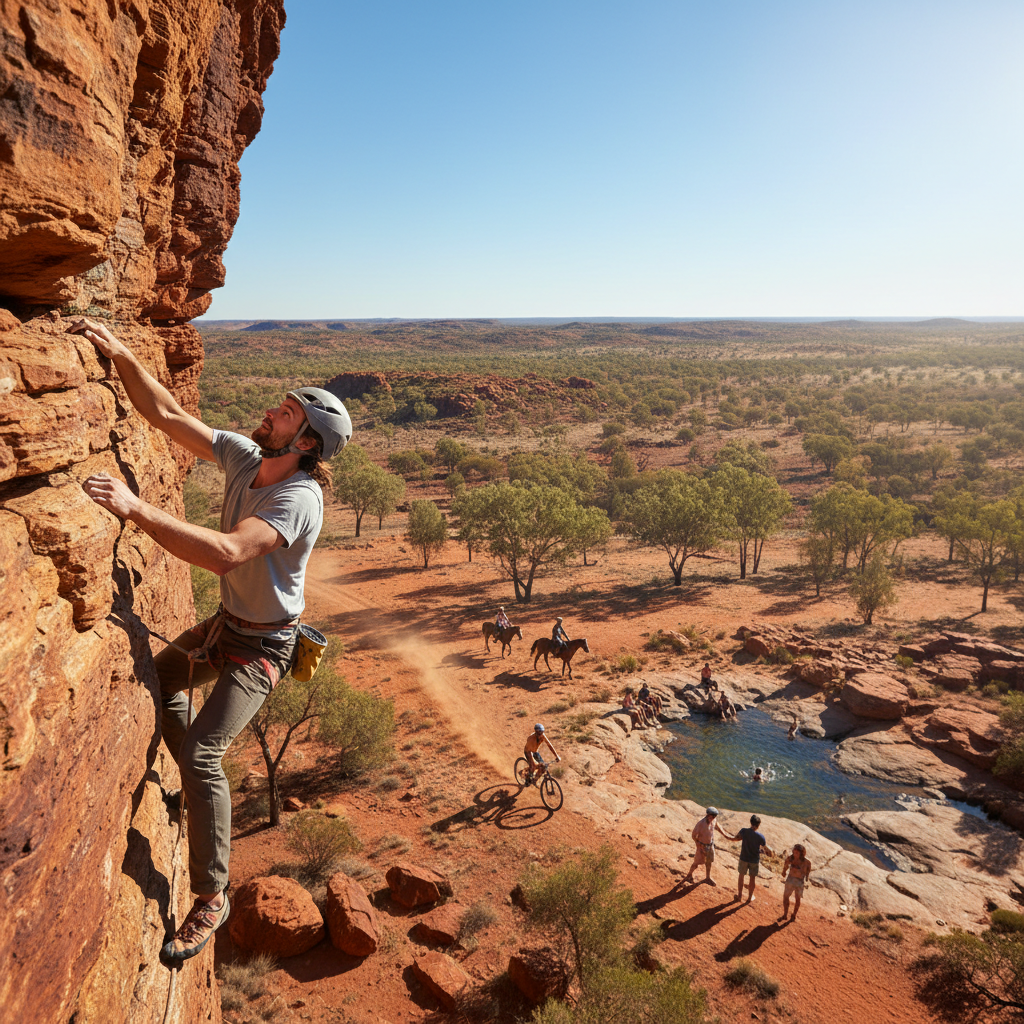
Don't Get Burned: Sun Protection for Australian Climbers
Climbing in Australia is a dream for many. We've got world-class rock formations, varied terrain, and generally fantastic weather for getting out there. But let's be honest, this weather comes with a significant drawback: brutal, relentless Australian sun. Even on a cloudy day, UV radiation can be surprisingly high. Climbing means being exposed for long hours, often at higher altitudes where the sun's rays are even stronger. Ignoring sun protection isn't just uncomfortable; it's a recipe for serious sunburn, premature ageing, and an increased risk of skin cancer.
Many climbers think their helmet is enough. It protects your head, sure. But what about your face? Your ears? Your neck? These are the areas that bear the brunt of prolonged sun exposure. We're talking about sunburn that makes resting uncomfortable, skin that peels for weeks, and potential long-term damage that you might not see the effects of until years down the line. This isn't about being fussy; it's about being smart and ensuring you can keep climbing safely and comfortably for years to come.
The Unique Challenges of Australian Climbing Sun
Australia's UV index is consistently one of the highest in the world. The clear skies, especially in our popular climbing regions, offer little protection. Climbing often involves long approaches, hours spent belaying, and extended periods on the rock face. These are hours where your scalp, forehead, cheeks, ears, and the back of your neck are directly in the firing line. Unlike a quick walk in the park, climbing isn't a fleeting engagement with the sun. It's an immersion.
The heat is another major factor. Dehydration is a constant concern, and adding the discomfort of a sunburn only exacerbates this. You become more irritable, your focus wavers, and your performance suffers. Even when the temperature isn't scorching, the UV radiation can be. We've all experienced those seemingly mild days where you still end up redder than a strawberry.
This isn't about scaremongering; it's about practical advice for our specific conditions. If you're climbing in the Blue Mountains, Grampians, or any other iconic Aussie spot, you need a robust sun protection strategy. Relying solely on sunscreen for your face and neck, especially when you're sweating heavily or it's windy, is often insufficient.
Common Objections and How to Handle Them
Let's address some common reasons climbers don't prioritise facial and neck sun protection:
“My helmet is enough.” As discussed, helmets protect your head from impact and some sun, but your face, ears, and neck are left exposed. They are critical areas for sun damage.
“It’ll get in the way.” This is a valid concern if you're using makeshift solutions. However, purpose-built accessories are designed to integrate with your helmet without hindering your vision or movement. The right gear stays put.
“It looks silly.” Let's be blunt: sunburn looks worse. Plus, function should always trump form when it comes to safety equipment. Modern solutions are often sleek and functional.
“I’ll just wear a cap under my helmet.” Caps bunch up, get sweaty, and often don't provide adequate coverage for the neck. They can also interfere with helmet fit and safety. Relying on a cap under a climbing helmet is generally not a good idea.
“Sunscreen is sufficient.” Sunscreen needs reapplication, especially when you're sweating, rinsing, or wiping your face. It's a vital part of your protection, but it's not foolproof, particularly for hours of intense exposure. And let's face it, it's messy and often reapplying in the field is forgotten.
Essential Sun Protection Gear for Your Helmet
So, what's the solution? Integrating effective sun protection directly with your climbing helmet. We're talking about accessories that attach securely and provide broad-spectrum coverage.
Most modern climbing helmets are designed with attachment points for accessories. This is where things like helmet brims and neck shades come into play. These aren't just novelty items; they are functional pieces of gear designed to solve a real problem.
The Helmet Brim: Extending Your Shadow
A helmet brim, or a DA BRIM as we call it, is essentially an extended visor that attaches to the front of your helmet. Its primary job is to shade your face, particularly your eyes, nose, and forehead. This significantly reduces the amount of direct UV radiation hitting these sensitive areas.
Benefits:
Reduced glare, improving visibility.
Keeps sun and sweat out of your eyes.
Protects forehead and nose from direct sunburn.
Minimises the risk of sunstroke by shading a larger surface area.
The Neck Shade: The Unsung Hero
While the brim shades your face, the neck shade is crucial for protecting the back and sides of your neck and your ears. This is an area that's incredibly difficult to protect with sunscreen alone when you're actively climbing.
Benefits:
Protects the vulnerable skin on your neck and ears.
Helps keep you cooler by providing shade and allowing airflow when designed correctly.
Prevents painful sunburn on the back of your neck, which can be agonising when wearing a backpack or harness.
Integrating Protection: The DA BRIM System
Our Products are designed to work together seamlessly. A DA BRIM helmet brim and a complementary DA BRIM neck shade attach securely to your existing climbing helmet. They're lightweight, durable, and made for Australian conditions.
How it Works (It's Simple)
Installation is straightforward. You don't need to be a gearhead. Our How to Install guide will walk you through it. Essentially, the brims and shades use a secure fastening system that attaches to the ventilation holes or designated points on your helmet. Once attached, they are designed to stay put, even in windy conditions or during exertion.
Sun Protection Checklist for Climbers
Before you head out for your next climb, run through this quick checklist to ensure you're covered:
[ ] Helmet: A properly fitted, certified climbing helmet is non-negotiable.
[ ] DA BRIM Helmet Brim: Attached securely to shade your face and eyes.
[ ] DA BRIM Neck Shade: Attached securely to protect your ears and neck.
[ ] Broad-Spectrum Sunscreen: SPF 30 or higher, applied generously to any exposed skin (hands, legs, etc.) at least 15-20 minutes before sun exposure.
[ ] Lip Balm with SPF: Lips burn too!
[ ] Sunglasses (Optional but Recommended): High UV protection, especially for approach walks.
[ ] Hydration: Water bottle or hydration pack filled.
[ ] Protective Clothing: Long sleeves and trousers where possible, though on the rock, this is often a trade-off with heat management.
Practical Application: Making it Part of Your Routine
Making sun protection a habit is key. Don't think of it as an afterthought.
1. Before You Go: Ensure your DA BRIM and neck shade are clean and securely attached to your helmet. Check for any damage, especially to the attachment points. Pack your sunscreen.
2. On Approach: Apply sunscreen before you leave the car. Wear sunglasses if the sun is bright.
3. Gearing Up: Once you're at the base, put your helmet on. If you're using a neck gaiter or buff for other reasons, you can fold it up or down depending on how much neck coverage you need from the DA BRIM neck shade.
4. During the Climb: The DA BRIM and neck shade should be working for you. Be mindful of reapplying sunscreen to your hands and any other exposed areas during breaks or at the belay station. Hydrate constantly.
5. At the Summit/End of Climb: Even while packing up or descending, you're still exposed. Keep your helmet and protection on until you're in full shade or back at the car.
6. Post-Climb: Check for any missed spots. If you did get a little too much sun, treat it immediately with after-sun lotion. Review your sun protection strategy for next time.
Why DA BRIM Stands Out (No BS)
We understand that climbers are discerning users. You need gear that performs, is durable, and doesn't introduce unnecessary hassle. That's why DA BRIM products are engineered with:
Durability: Made from materials that can withstand the rigours of climbing, UV exposure, and being stuffed in a pack.
Secure Fit: Designed to attach firmly to a wide range of climbing helmets without falling off or shifting.
Lightweight Design: You won't notice the extra weight, but you will notice the protection.
Optimised Coverage: Engineered to provide maximum shade without compromising your field of vision or ability to move your head.
Australian Conditions Focused: We know the sun here isn't a joke. Our products are designed to combat it effectively.
For more detailed information on our products and their specific features, head over to our Products page.
Frequently Asked Questions
We get a lot of questions, and that's a good thing. It means climbers are thinking about their gear. You can find comprehensive answers on our FAQ page, but here are a few common ones:
Will this fit my helmet? Our products are designed to fit most standard climbing helmets. Check our FAQ for a list of compatible helmet types and our installation instructions.
How do I clean it? Generally, a damp cloth and mild soap are sufficient. Avoid harsh chemicals.
Can I use this for other activities? Absolutely! While designed for climbing, DA BRIM products offer excellent sun protection for any activity where you wear a helmet, such as construction, bushwalking, or cycling.
Don't Let the Sun Cut Your Climbing Short
Climbing in Australia offers incredible rewards, but we have to respect the environment we’re in. That includes the sun. Protecting your face and neck is a critical part of responsible and sustainable climbing. It's about preserving your ability to enjoy the sport for decades to come.
Invest in proper sun protection for your helmet. It's a small addition that makes a massive difference to your comfort, safety, and long-term health. Don't wait until you've had a harsh sunburn to realise the importance of this.
Check out our range of Products and our Blog for more tips and insights. Stay safe, stay shaded, and keep climbing!