
Don't Fry Your Brain: Climbing Helmet Heat Management in the Australian Sun
Climbing in Australia means battling serious sun and heat. Learn practical, no-BS ways to keep your cool and your helmet comfortable, even on the longest, hottest days. We’ll cover everything from pre-climb prep to on-the-rock strategies.
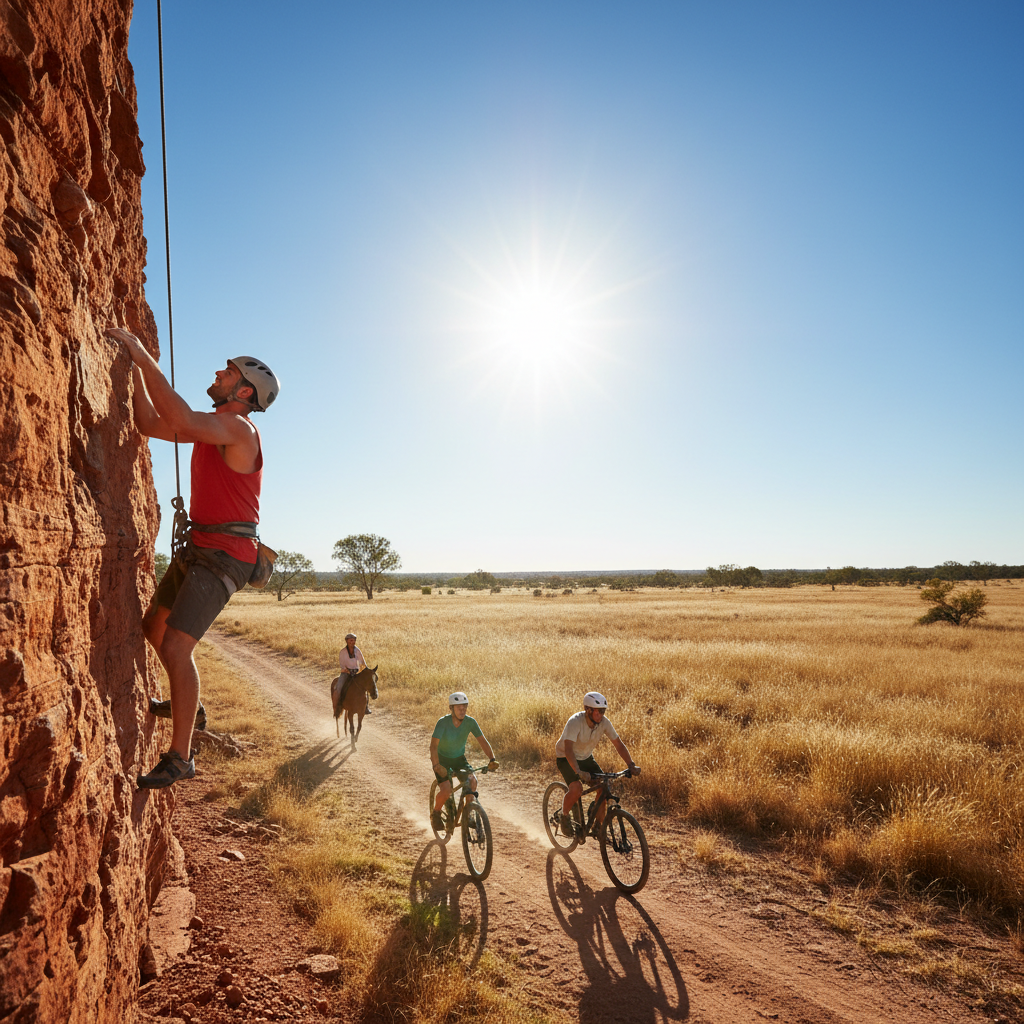
Don't Fry Your Brain: Climbing Helmet Heat Management in the Australian Sun
The Australian sun is legendary. You know it, we know it. And if you're a climber, you know that what feels great on the ground can turn into a sticky, sweltering nightmare when you're strapped into your harness, staring up at a long, exposed route. Your helmet, while crucial for safety, can also become a personal sauna, baking your scalp and making you feel like you're climbing inside an oven.
This isn't about fluffy advice. This is about practical, no-nonsense strategies to manage heat and UV exposure when you're out on your next climb, specifically for Australian conditions. We're talking about the relentless UV index that means business, the long summer days that stretch your endurance, and the reality of climbing in direct sunlight.
The Problem: Your Helmet + The Australian Sun = A Bad Mix
Let's be blunt. Most climbing helmets aren't designed with active cooling systems. They're built to protect your skull. That means they trap heat. On a scorching Australian day, that trapped heat has nowhere to go. You end up with:
Increased Fatigue: Feeling overheated saps your energy faster. Decision-making suffers. Your grip weakens.
Dehydration Risk: You sweat more to try and cool down, leading to quicker dehydration if you're not careful.
Sunburn (Scalp): Even through your helmet, UV can find its way in, especially around the edges if you're not fully covered. A burnt scalp is miserable.
Discomfort: Plain and simple, it's uncomfortable. And discomfort is a major distraction when you need to focus.
And let's not forget that the Australian UV index can be extreme, often reaching dangerous levels even outside the peak summer months or on partly cloudy days. Protecting your head from both physical impact and solar radiation is non-negotiable.
Pre-Climb Prep: Setting Yourself Up for Success
Before you even clip into the first bolt, there are things you can do to minimise the heat build-up.
1. Hydration, Hydration, Hydration.
This isn't just about drinking water while climbing. Start hydrating the day before. Electrolyte drinks can be your friend on particularly brutal days. Dehydration makes you feel hotter and more fatigued.
2. Cover Up.
Wear a lightweight, breathable base layer under your helmet. Think thin merino wool or technical synthetics designed for hot weather. This wicks sweat away from your skin and can offer a tiny bit of insulation against direct sun hitting the helmet shell.
Objection Handling: "But a base layer will make me hotter!"
No, a wrong base layer will make you hotter. A poorly chosen, thick, cotton t-shirt will absorb sweat and become a hot, heavy mess. A technical base layer designed for wicking and breathability will draw sweat away, allowing it to evaporate and cool you down. It also keeps your scalp cleaner and less irritated.
3. Strategic Shade and Timing.
Is there a way to climb earlier or later? Can you tackle the sun-facing sections in the cooler parts of the day? This might mean a very early start or a late finish, but it can make a world of difference. On multi-pitch climbs, plan your rests in shady spots whenever possible. This allows your body and your helmet to cool down slightly.
4. Helmet Choice (If You Have Options).
While most helmets are similar in their heat-trapping properties, some have better ventilation patterns than others. Look for helmets with larger vents, but remember that more vents don't automatically mean better cooling if the design is poor. A well-fitting helmet is paramount for safety, so don't sacrifice fit for ventilation.
On-the-Rock Strategies: Staying Cool Mid-Climb
This is where you need to be proactive. Don't just suffer through it.
1. Embrace the Sweat (Within Reason).
Your body's natural cooling mechanism is sweating. Let it happen. The goal is to manage that sweat so it helps cool you rather than just dripping into your eyes and making everything sticky.
2. Use a Cooling Bandana or Sweatband.
This is a game-changer. A lightweight, absorbent bandana or a dedicated cooling headband worn under your helmet can soak up sweat from your forehead and hairline. As this sweat evaporates, it provides a cooling effect. Some advanced cooling headbands can be soaked in water for an even greater cooling sensation.
Tip: Wring it out slightly before putting your helmet on so it's not dripping, but still damp.
3. Regular Hydration Breaks.
Don't wait until you're parched. Sip water consistently throughout your climb. Even small sips can help your body regulate temperature.
4. Strategic Helmet Removal (When Safe).
This is the most obvious, but sometimes overlooked, solution. Only do this when it is absolutely safe to do so. On the ground at the base, in between pitches when you're securely anchored and not exposed to rockfall, or at the summit. Take your helmet off, let your head breathe, and towel off any sweat.
Crucially, never remove your helmet while you are exposed on the climbing wall itself. This is non-negotiable for safety. If you're belaying on a stance, and it's safe, you might be able to briefly lift your helmet for a breath of air.
5. Use a Helmet Brim.
This might sound counterintuitive – adding something to your helmet. But a good helmet brim, like Da Brim, is designed to shade your face and neck. This reduces direct sun exposure on your head and, by extension, reduces how much your helmet heats up in the first place. It also helps keep sun out of your eyes, improving visibility and reducing squinting (which uses energy!).
Objection Handling: "A brim will just trap more heat!"
A well-designed brim like Da Brim is lightweight and doesn't significantly impede airflow. Its primary function is to block solar radiation before it hits your helmet shell and your head. Think of it like a wide-brimmed hat – it shades you. Less direct solar energy hitting your helmet means less heat absorption and less heat transferred to your head. It's about blocking the sun's rays, not trapping internal heat.
6. Consider a Lightweight Helmet Cover (with caution).
Some companies offer lightweight, breathable helmet covers. These can sometimes help reflect some solar radiation. However, ensure they don't impede ventilation or become another layer that traps heat. For most climbers, a good brim is a more practical solution.
Post-Climb Recovery: Letting Your Head Cool Down
Don't just rip off your gear and forget about it. Give your head a chance to recover:
Remove Helmet Immediately: As soon as you are safely off the rock, take your helmet off.
Toweling Off: Use a towel to dry sweat from your scalp and hair.
Cool Drink: Continue hydrating with water or electrolytes.
Heat Management Checklist
Here's a quick rundown to keep handy:
[ ] Hydrate well in the days leading up to your climb.
[ ] Choose lightweight, wicking base layers for under your helmet.
[ ] Plan your climb for cooler parts of the day if possible.
[ ] Pack extra water and electrolyte supplements.
[ ] Use a sweatband or cooling bandana under your helmet.
[ ] Consider a helmet brim for crucial sun protection.
[ ] Take safe opportunities to remove your helmet and cool down.
[ ] Never remove your helmet when directly exposed to hazards.
Installing Your Heat Shield (If Using a Brim)
The idea behind a helmet brim for climbing is simple: it acts as a sunshade. For many helmets, these are designed to attach using the existing ventilation slots. If you're considering adding a brim like Da Brim, installation is usually straightforward.
Step-by-Step Installation (General Guide for Da Brim-style attachments):
1. Identify Attachment Points: Most climbing helmets have reinforced sections or specific slots where accessories can be attached. Look for these near the front and sides.
2. Align the Brim: Position the brim so it sits correctly on your helmet, providing shade to your face and eyes. It should not obstruct your peripheral vision.
3. Secure the Fasteners: The brim will typically come with clips or a strap system designed to slot into or attach to your helmet's vents or shell. Follow the specific instructions for your brim and helmet.
4. Test for Security: Once attached, gently try to pull the brim to ensure it's firmly secured. It should not move or detach during climbing. We have a guide on How to Install for more detailed instructions.
Important Note: Always ensure any accessory you add does not compromise the structural integrity or safety rating of your helmet. Stick to accessories designed specifically for helmets.
Beyond the Helmet: Other Sun Safety Measures
While this post focuses on helmet heat management, don't forget the other essentials:
Sunscreen: High SPF, broad-spectrum sunscreen for any exposed skin.
Sunglasses: Crucial for reducing eye strain and UV damage, especially during approaches or rests.
Sun-Protective Clothing: UPF rated clothing for your arms and legs.
- Hat (for ground use): A wide-brimmed hat for when you're not wearing your helmet.
Final Word
Climbing in Australia is an incredible experience, but it demands respect for the environment, especially the sun. By implementing these practical heat management strategies, you can stay more comfortable, focused, and safe on the rock. Don't let the heat compromise your performance or your well-being. Stay cool, stay safe.
For more tips and product information, check out our Products, FAQ, and Blog.