
Don't Be Fooled: Why Cheap Helmet Brims Fail Under The Harsh Australian Sun
Your helmet brim is your first line of defence against the relentless Australian sun. Discover why cutting corners on quality with cheap alternatives can lead to sunburn, heatstroke, and frustration. We break down the real costs of 'too good to be true' pricing.
Don't Be Fooled: Why Cheap Helmet Brims Fail Under The Harsh Australian Sun
Australia. We love it. The great outdoors, the long days, the sunshine. But that sunshine? It's a serious player, especially when you're out working, riding, or just enjoying the open air. Your hard hat or helmet is your essential safety gear, but without proper sun protection, its effectiveness can be severely limited. That's where a helmet brim comes in. It's the first line of defence, a simple yet crucial accessory.
But not all helmet brims are created equal. You'll see plenty of "cheap" options out there. They promise shade, they're inexpensive, what's not to like? Plenty, if you're serious about protecting yourself from the punishing Australian sun, heat, and UV radiation. This isn't about fancy gadgets; it's about practical, reliable sun protection that won't let you down when you need it most.
The Truth About Cheap Helmet Brims
Let's cut to the chase. "Cheap" in this context often means low-quality materials and poor construction. While the initial price tag might look appealing, the long-term costs – both to your health and your wallet – can be significant.
Material Degradation: The Sun's Arch Nemesis
The Australian sun is intense. We're talking high UV indexes, often year-round in many regions. Cheap helmet brims are typically made from inferior plastics that haven't been formulated to withstand this constant barrage of UV radiation. What happens?
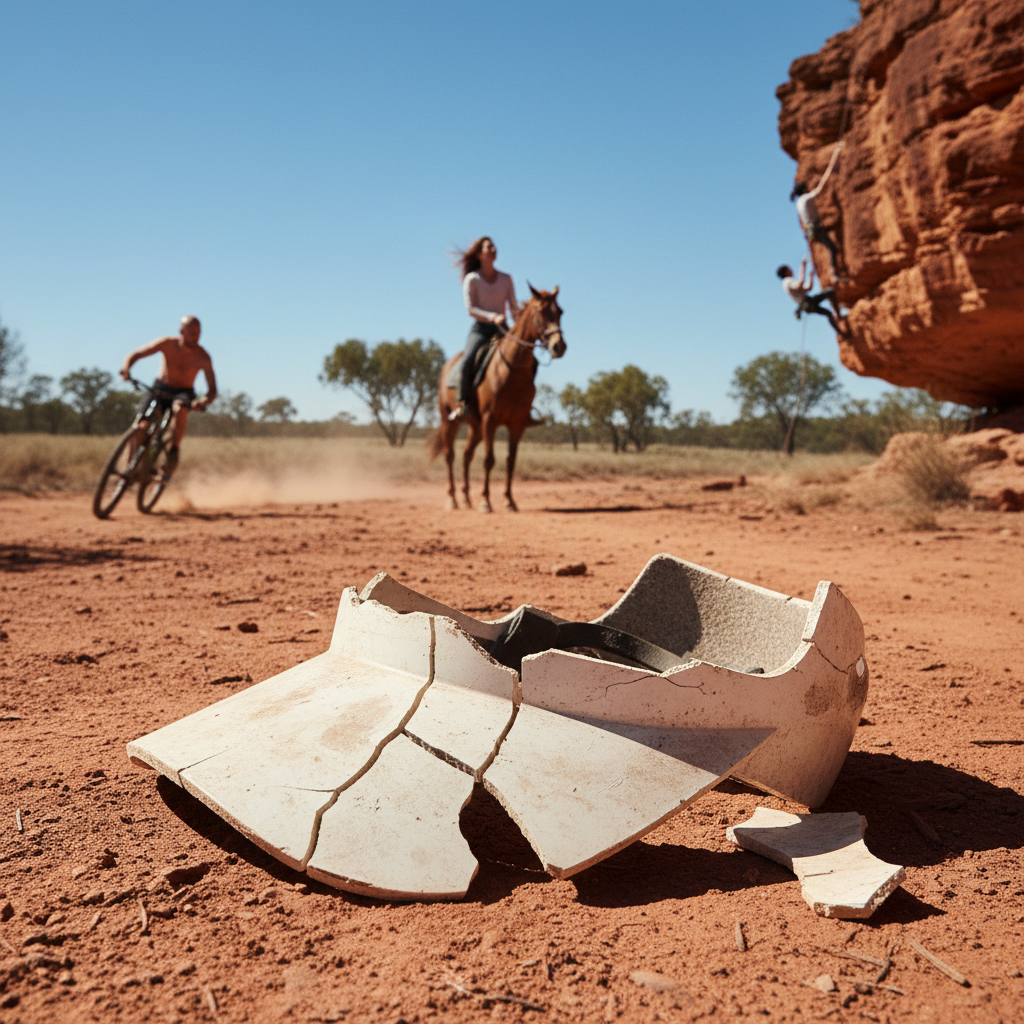
Brittleness: The plastic becomes brittle. It loses its flexibility and becomes prone to cracking and shattering, especially after exposure to heat cycles (hot days, cooler nights).
Discolouration: UV radiation breaks down the pigments in the plastic, leading to discolouration. This isn't just cosmetic; it's a sign that the material's structural integrity is compromised.
Reduced Strength: A brittle, degraded brim offers significantly less physical protection. A cracked brim could fail under impact or even just from the stresses of being attached to your helmet.
Heat Malarkey: It's Not Just About Shade
Australia gets hot. Really hot. Temperatures can soar, and the sun's heat radiating off surfaces can be intense. A brim's job isn't just to cast a shadow; it needs to handle the heat itself. Cheap brims often:
Warp and Deform: Under sustained heat, low-grade plastics will warp. This means the brim can lose its shape, affecting its coverage and potentially making it unstable on your helmet.
Become Uncomfortable: Some cheap materials can become soft and sticky in the heat, or conversely, develop sharp edges as they degrade, leading to discomfort and irritation.
Don't Vent Effectively: Proper brims are designed with airflow in mind. Cheap ones often block ventilation points on your helmet, leading to increased heat buildup and making you hotter, not cooler.
Fit and Fastening Failures: The Frustration Factor
Even if a cheap brim somehow survives the sun and heat, it often fails in its primary function: staying attached. Australian conditions can be windy. You're moving. Your helmet is subjected to vibration. Inferior attachment mechanisms – flimsy clips, weak ties, poorly designed slots – simply don't hold up.
Constant Re-attachment: You'll find yourself constantly having to re-secure a flapping or detached brim. This is not only annoying but can be a genuine distraction, increasing the risk of accidents.
Loss and Replacement: How many times will you lose a cheap brim that's blown off or fallen apart? The cost of replacing these frequently adds up, quickly negating any initial savings.
What Makes a Good Helmet Brim in Australia?
When you're choosing a helmet brim for Australian conditions, you need to think about durability, material science, and usability. It needs to be built tough, just like the gear you rely on for safety.
Material Matters: The First Shield
High-quality helmet brims utilise UV-stabilised, impact-resistant plastics. These materials are specifically chosen to withstand:
Extreme UV Exposure: They are formulated to resist degradation, maintaining their integrity and colour over time.
Temperature Fluctuations: They remain stable across a wide temperature range, from scorching summer days to cooler mornings, without warping or becoming brittle.
Physical Impacts: They offer a level of resilience against bumps and knocks.
Design for the Sun: More Than Just Shade
Good brims are designed with purpose:
Optimal Coverage: They extend far enough to provide genuine shade to your face, neck, and ears – crucial areas prone to sunburn.
Ventilation Integration: They are designed to work with your helmet's ventilation, not against it, allowing crucial airflow to keep you cool.
Secure Attachment: They employ robust, tested fastening systems that are designed to stay put, even in challenging conditions. We understand how important a secure fit is, especially when you're on the move. That's why our Products are engineered for a reliable grip.
The Real Cost of "Cheap": A Comparison
Let's look at it practically. You can buy a cheap brim for $10. It might last a few months before it cracks, warps, or falls off. Then you buy another. And another. Over a year, you've spent $40-$50 and had a constantly failing product. You've also had inadequate sun protection for extended periods, potentially leading to sunburn, premature skin aging, or worse.
Compare this to a quality brim, perhaps costing $30-$50, but built to last for years. It stays attached, provides reliable shade, and withstands the elements. That's not just better value; it's smarter protection.
Here's a quick breakdown:
| Feature | Cheap Brim (Estimated) | Quality Brim (e.g., DA BRIM) |
|---|---|---|
| Initial Cost | $10 - $20 | $30 - $50 |
| Material | Inferior, non-UV stabilised plastic | UV-stabilised, impact-resistant polymer |
| Durability | Low (months) | High (years) |
| UV Resistance | Poor - degrades quickly | Excellent - designed for harsh sun |
| Heat Resistance | Poor - warps, becomes brittle | Excellent - maintains shape and integrity |
| Attachment | Flimsy, prone to failure | Secure, engineered for reliability |
| Effectiveness | Inconsistent, prone to failure | Consistent, reliable sun protection |
| Long-Term Cost | High (frequent replacement, lost items) | Low (one-time investment) |
Don't Gamble With Your Health
Your helmet is a critical piece of safety equipment. Adding a brim is a straightforward way to enhance your protection against the sun. Don't compromise that protection with a product that's destined to fail. When you're working outdoors, on a construction site, farming, or even just cycling long distances, the sun is a constant hazard. High UV indexes mean rapid skin damage is a real risk. The long hours under the Australian sun require gear that can keep up.
Think about it: how much is a first-degree sunburn on your neck or face going to cost you in discomfort and lost productivity? How much is the long-term risk of skin cancer? Investing in a quality helmet brim is a small price to pay for significant health benefits and ongoing comfort.
Choosing and Installing Your DA BRIM
We understand the need for reliable gear. That's why we've engineered DA BRIM to withstand the rigours of Australian conditions. Our brims are made from robust, UV-resistant materials and designed for a secure, comfortable fit.
Key features to look for in a quality brim:
Material Composition: Does it explicitly state it's UV-stabilised?
Attachment Method: Is it designed to clip securely onto common helmet types?
Coverage Area: Does it offer substantial shade to your face, neck, and ears?
Ventilation Compatibility: Does it appear to allow airflow around your helmet?
If you're new to helmet brims, the installation might seem daunting, but it's designed to be straightforward. Our step-by-step guide ensures you'll have your brim fitted correctly in no time, ready to face the sun.
How to Install Your DA BRIM
We’ve made installation simple. For most helmets, it’s a matter of:
1. Identify Attachment Points: Locate the designated slots or clips on your helmet. Most hard hats and many industrial helmets have these built-in.
2. Align the Brim: Position the brim so the attachment lugs align with the helmet's points.
3. Secure Firmly: Push the lugs into place until you hear or feel a click, indicating a secure fit. Ensure it's snug and doesn't wobble.
4. Test the Fit: Gently try to pull the brim away from the helmet to confirm it's securely attached.
For detailed instructions specific to various helmet types, you can visit our How to Install page.
Is It Worth It?
Ultimately, the question isn't whether a cheap brim works for a short time, but whether it provides reliable, long-term protection in the demanding Australian environment. The answer, for most cheap options, is a resounding no.
Don't let a failing brim compromise your safety and comfort. Invest in quality, invest in durability, and invest in your health. Browse our range of Products designed to keep you protected, no matter how harsh the sun gets. Still have questions? Check out our FAQ or head back to the Blog for more insights.
Stay protected. Stay safe. The Australian sun is tough, your gear should be tougher.