
Cracking the Code: Ultimate Sun Protection for Aussie Roadies
Long rides under the harsh Australian sun demand serious sun protection. Forget greasy lotions and awkward hats. This guide cuts through the BS to give you practical, no-fuss sun safety strategies for your helmet, so you can ride longer and safer.
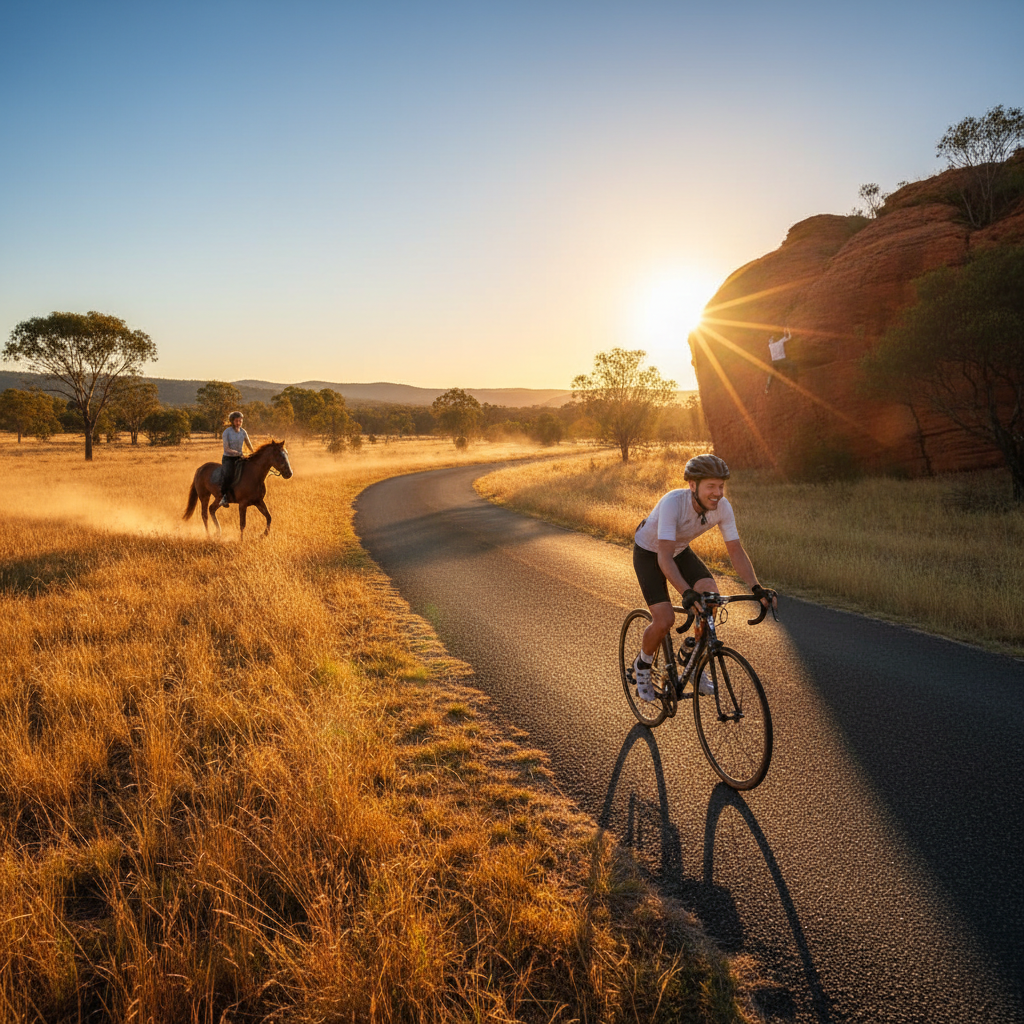
Cracking the Code: Ultimate Sun Protection for Aussie Roadies
Australia. Beautiful. Vast. And let's be honest, brutally sunny. If you're a road cyclist clocking up long hours on the bitumen, you know the sun isn't just an inconvenience – it's a persistent adversary. That relentless UV radiation beats down, leaving your face, neck, and ears cooked if you're not prepared. Forget flimsy excuses; serious cycling demands serious sun protection. And that means optimising your helmet.
This isn't about fancy aero gains or the latest carbon fibre. This is about practical, no-BS strategies for keeping your skin safe and your rides enjoyable, no matter how high the UV index climbs. We're talking about the nitty-gritty, the stuff that actually works when you're hours from home and the sun is bearing down.
The Problem: Sunburn is More Than Skin Deep
We've all seen the lobster-red cyclists, shoulders peeling days later. But it's not just about looking bad. In Australia, skin cancer is a major health concern, and cumulative sun exposure, like that from prolonged cycling, significantly increases your risk. Beyond the long-term risks, sunburn on a ride leads to:
Discomfort: Blistered skin, stinging eyes, and a general feeling of being cooked.
Dehydration: Sunburn impairs your body's ability to regulate temperature, making you more susceptible to heatstroke.
Reduced Performance: You're focusing on the burn, not the climb. Sun glare can also impair vision, making riding unsafe.
Long-Term Damage: Premature aging (think wrinkles and sunspots) and increased risk of melanoma and other skin cancers.
Your helmet is your primary defence, but many standard helmets leave significant areas exposed. We need to augment that protection.
Your Helmet: The First Line of Defence (But Needs Reinforcements)
Most cycling helmets are designed for ventilation and impact protection. Sun protection, while considered, often takes a backseat. The peaks on some helmets offer minimal shade, and the sides and back are often completely exposed.
So, what's the solution? Relying solely on sunscreen is a flawed strategy for long rides. It sweats off, rubs off on your helmet straps, and often doesn't provide adequate coverage for extended periods. You need a system.
Practical Sun Protection Strategies for Long Rides
Let's break down what actually works. This is about practical application, not theoretical magic.
1. The Foundation: A Good Helmet (with Potential for Improvement)
Start with a helmet that fits well and meets Australian safety standards. Ensure it has good ventilation – you need to stay cool to prevent heat exhaustion. Then, consider how you can enhance its sun-blocking capabilities.
2. Augmenting Your Helmet's Coverage: The Brim
This is where you can make a significant difference. A helmet brim extension is your best friend for long rides. It casts shade directly onto your face, reducing glare and direct UV exposure to your forehead and cheeks.
Objection Handling:
"It looks silly." Safety over aesthetics. A tan line is temporary; skin cancer isn't. Plus, a properly designed brim can look quite functional. Think practical, not peacocking.
"It will catch the wind." Not all brims are created equal. A well-designed brim is shaped to minimise drag and often tucks neatly under the helmet's natural airflow. It's designed to work with the helmet, not against it.
"It'll be a hassle to put on." If your brim is designed for easy attachment, it takes seconds. More on how to install later.
3. Neck and Ear Protection: Don't Forget the Periphery
The back of your neck and your ears are prime targets for sunburn, especially when you're leaning forward on the bike. This area often gets forgotten until it's too late.
4. Eye Protection: More Than Just Glare
Good cycling sunglasses are crucial. They shield your eyes from UV rays, reduce glare (which improves vision and reduces fatigue), and protect against dust, insects, and wind.
5. Sunscreen: The Essential Back-Up
Even with a brim, your exposed skin (cheeks, nose, chin, ears, neck) needs sunscreen. Choose a broad-spectrum, high SPF (SPF 50+) sunscreen that's sweat-resistant.
6. Strategic Riding Times
If possible, adjust your riding times to avoid the peak UV hours (generally 10 am to 3 pm in Australia). An early morning or late afternoon ride can significantly reduce your overall sun exposure.
Deconstructing the Sun Protection System for Your Helmet
Let's get specific about how to implement this. The goal is a layered defence that your helmet is central to.
The Core Components
| Component | Primary Function | Key Considerations for Long Rides |
|---|---|---|
| Helmet Brim | Shades forehead, cheeks, and reduces glare. | Secure fit, aerodynamic design, UV-blocking material. |
| Sunglasses | Protects eyes from UV, glare, wind, debris. | Full UV protection, comfortable fit, good peripheral vision. |
| Neck Gaiter/Buff | Shields neck and ears from direct sun. | Lightweight, breathable, moisture-wicking fabric. |
| High SPF Sunscreen | Protects exposed skin not covered by physical barriers. | Broad-spectrum (UVA/UVB), SPF 50+, sweat & water-resistant formula. |
Implementing Augmented Helmet Protection: The Brim
For long rides, a dedicated helmet brim extension is non-negotiable. Forget improvising with caps under your helmet – they're often bulky, hot, and offer limited effective shade.
How to Install Your DA BRIM Helmet Brim
This is where practical design shines. A good brim attaches securely and easily without tools.
1. Clean Your Helmet: Ensure the area where the brim will attach is clean and dry. This is crucial for a strong bond.
2. Align the Brim: Position the brim so it sits comfortably under the front edge of your helmet, offering maximum shade without obstructing your vision.
3. Secure the Attachment: Follow the specific instructions for your DA BRIM. Typically, this involves aligning the connectors and ensuring they click or snap firmly into place. The goal is a snug, secure fit that won't loosen with vibration or wind.
4. Test the Fit: Gently push and pull on the brim to ensure it's securely attached. Check that it doesn't interfere with your helmet's straps or ventilation.
It should feel like a natural extension of your helmet, not an add-on.
Protecting Your Neck and Ears
This is often overlooked. Direct sun on the back of your neck is incredibly damaging and can lead to crippling sunburn.
Neck Gaiter or Buff: A lightweight, moisture-wicking neck gaiter (often called a buff) is ideal. You can wear it pulled up high around your neck, covering your ears and even pulling up over the back of your helmet if needed. For extreme conditions, some materials offer UPF protection.
Helmet Covers: Some helmets have optional rear extensions or covers, though these are less common and often integrated into the helmet design.
The Sunscreen Protocol
Sunscreen is your final layer of defence, especially for areas the brim can't cover entirely. Apply generously to cheeks, nose, chin, and ears before you put on your helmet.
Choose Wisely: SPF 50+ broad-spectrum is essential. Look for formulas that are water-resistant and specifically designed for sports or high-activity use, as they tend to be more sweat-proof.
Reapplication: For rides longer than 2-3 hours, consider carrying a small tube and reapplying during planned stops. Smearing sunscreen over sweaty skin can be messy, so a quick wipe-down first helps.
Australian Conditions: UV, Heat, and Long Days
We're not cycling in Ireland. Australian UV levels are among the highest globally. The UV Index can hit extreme levels even on cloudy days. Combine this with the heat, especially during summer months, and the long daylight hours common in many parts of Australia, and you have a recipe for severe sun damage if you're unprepared.
UV Index: Always check the daily UV forecast. If it's 3 or above, sun protection is recommended. For long rides, even a moderate index requires vigilance. If it's 6+, you're in high risk territory. If it's 11+, it's extreme.
Heat: Sunburn exacerbates the effects of heat, making you overheat faster and increasing the risk of heat stress and heatstroke. Your sun protection is also a crucial part of your thermal regulation strategy.
Long Days: A 4-hour ride on a summer afternoon means prolonged, intense exposure. A brimmed helmet dramatically cuts down the intensity during those peak hours.
Your Sun Safety Checklist for Long Rides
Print this out or save it to your phone. Tick off each point before you head out:
[ ] Helmet Check: Is your helmet fitted correctly and in good condition?
[ ] Brim Attached: Is your helmet brim securely installed and positioned for optimal shade?
[ ] Sunglasses: Are your cycling sunglasses clean, UV-rated, and ready to wear?
[ ] Neck Protection: Do you have a neck gaiter or buff for your ears and neck?
[ ] Sunscreen Applied: Generous application of SPF 50+ broad-spectrum, sweat-resistant sunscreen to all exposed skin (face, ears, neck).
[ ] Hydration Pack/Bottles Loaded: Sun exposure increases fluid loss.
- [ ] Check UV Index: Aware of the day's UV risk and adjusted plans if necessary.
Why This Matters on the Road
Think about your longest rides. Hours in the saddle, often miles from anywhere. You can't pop into a shop for a sunscreen reapplication. You can't escape the sun. Your sun protection needs to be robust, reliable, and integrated into your gear.
A helmet with an effective brim isn't a luxury; it's a practical necessity for serious Australian cyclists. It provides passive, consistent protection that sunscreen alone cannot match on multi-hour rides. It reduces glare, makes you more comfortable, and critically, shields your skin from harsh UV radiation.
Investing in a good helmet brim is an investment in your long-term health and your ability to enjoy cycling for years to come. Don't let sunburn cut your rides short or lead to serious health issues. Protect yourself, ride smart, and enjoy the open road – safely.
For more information on our products and how they can enhance your cycling experience, check out our Products page. If you have questions, our FAQ is a great resource. For more tips and cycling news, visit our Blog.