
Conquer the Sun: Your Ultimate Sun Protection Guide for Long Australian Road Rides
Don't let scorching Australian sun cut your rides short. This guide offers practical, no-nonsense sun protection strategies for helmet wearers, focusing on real-world solutions for long road rides.
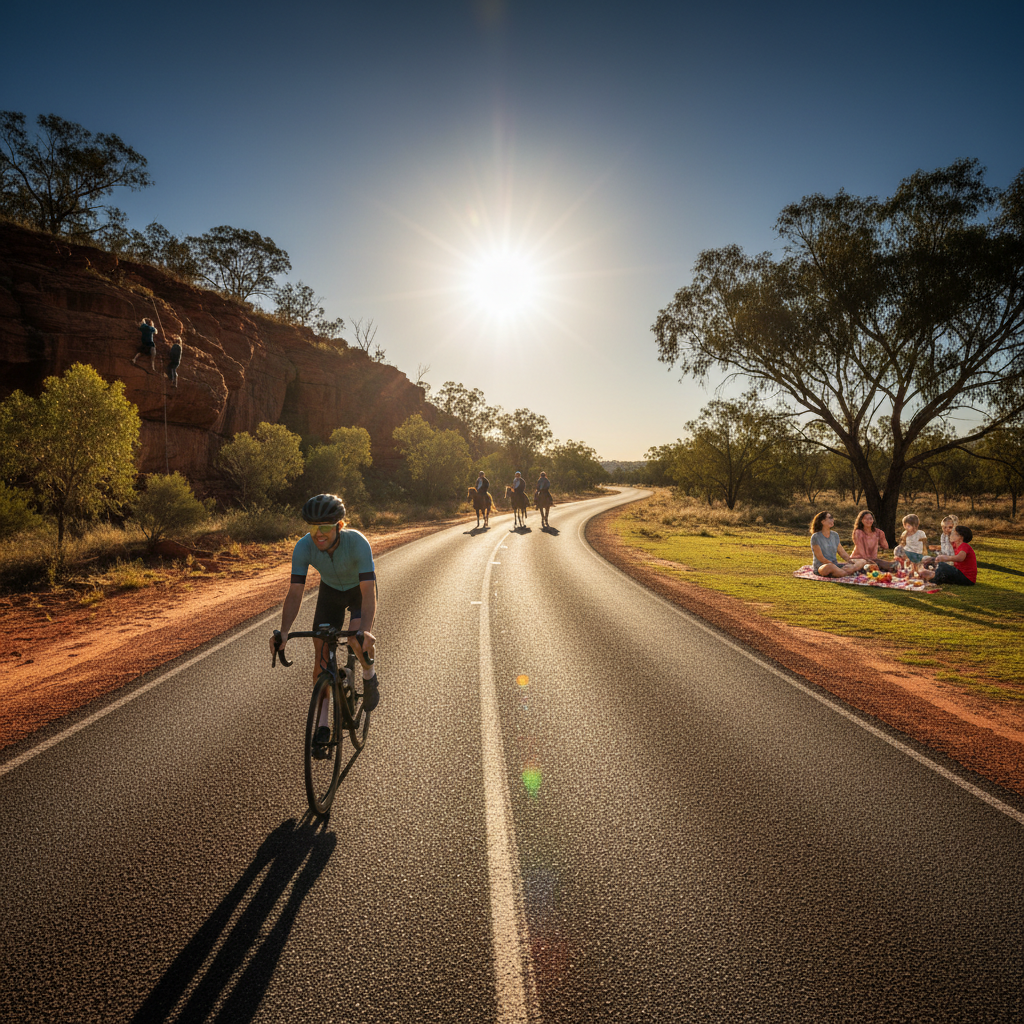
Conquer the Sun: Your Ultimate Sun Protection Guide for Long Australian Road Rides
Australia. Beautiful country. Stunning landscapes. And a sun that can turn a casual kilometre count into a sunburned nightmare. If you're hitting the road for long rides, you know the drill: the glare, the heat, the relentless UV radiation. It’s not just about comfort; it’s about your health and performance. Relying solely on sunscreen and jersey sleeves isn't enough when you're out for hours under the harshest UV conditions in the world.
This isn't about fancy gadgets or untested theories. It's about practical, proven strategies to keep you protected, comfortable, and riding strong, no matter how long the road ahead. We'll cut through the fluff and get straight to what works, especially for us helmet-wearing cyclists.
The Unique Challenge for Australian Cyclists
Let's be blunt: Australian UV levels are no joke. Even on cloudy days, UV radiation can be significantly high. Long road rides mean prolonged exposure. Think about it: hours spent with your face directly exposed to the sun, often at high speeds where sweat can wash away sunscreen, and where hats underneath helmets are, frankly, a sweaty disaster.
Common Objections and How to Handle Them
"I already use sunscreen." Great, but is it enough? Sunscreen needs reapplication, and it’s hard to get it right on your face, neck, and ears when you’re sweating and riding. Plus, UV rays can still reflect off surfaces. And what about early morning or late afternoon rides when the sun is low but still intense?
"Helmets offer enough protection." Not really. The ventilation is designed for cooling, not blocking sun. The areas not covered by the helmet are vulnerable. Helmet straps can also create shade gaps.
"It’s too hot to add more to my helmet." We get it. Heat management is crucial. The solutions we'll discuss are designed to integrate, not complicate, and some even aid in cooling.
"It looks silly." Function over fashion, friends. When you're hours into a ride and your face is cooked, style is the last thing on your mind. Plus, what looks sillier: a bright red, peeling face, or someone who’s smart enough to pack sun protection?
Essential Sun Protection for Your Rides
We’re talking about a multi-pronged approach. It’s about layering your defenses to create a more robust shield.
1. Your Helmet: The Foundation (and How to Enhance It)
Your helmet is your most critical piece of safety gear. But in terms of sun protection, it has limitations. The vents, while essential for cooling, are also pathways for UV rays. The coverage is variable. This is where you can significantly upgrade your protection.
The Underrated Power of a Brim
This is the most direct, practical solution for helmet users. A dedicated helmet brim, like the ones we offer, is specifically designed to attach to your helmet and provide crucial shade for your face, eyes, and neck. It’s not just a glorified cap peak; it’s engineered to work with your helmet.
Why it’s a game-changer:
Direct Shade: Blocks direct UV rays and glare. This is especially vital for your eyes to reduce fatigue and improve vision.
Reduced Glare: Significantly cuts down on eyestrain, letting you focus on the road.
Neck Protection: Many brims extend enough to offer some shade to the back of your neck, a commonly overlooked spot.
Easy Application: Attaches in seconds to most helmets. Check out our How to Install guide for details.
Minimal Impact on Cooling: Designed to work with your helmet's ventilation, not block it entirely.
Consider your Helmet Colour
While darker colours absorb more heat, they can sometimes offer slightly better UV protection by blocking more rays. However, ventilation and fit are far more critical for thermal regulation. Focus on improving shade coverage rather than relying solely on helmet colour.
2. Sunscreen: The Necessary Layer
We’re not saying ditch it, but use it strategically. Even with a brim, exposed areas like your ears, neck, and the edges of your face can still get sun.
What to look for:
Broad-Spectrum SPF 50+: Essential for full UVA/UVB protection.
Water-Resistant: Important for sweat and potential rain showers.
Reef-Safe: A good practice for our delicate Australian waterways.
Application Tips for Cyclists:
Apply 15-20 minutes BEFORE you go out: Allows it to absorb properly.
Don't forget ears, neck, and hairline: These are prime spots for sunburn.
Carry a small tube or stick for reapplication: Especially on longer rides. A sunscreen stick is less messy.
3. Eye Protection: More Than Just Sunglasses
Standard sunglasses are good, but for long rides under harsh Australian sun, you need something more.
High UV Protection Lenses: Ensure they block 100% of UVA and UVB rays. Look for labels like “UV 400.”
Wrap-Around Design: Essential for preventing sun and wind from sneaking in around the edges and from the sides.
Photochromic Lenses: These lenses darken automatically in bright sunlight and become clear in low light. This is a significant advantage, saving you from swapping glasses for early morning or late evening segments.
Consider a Yellow or Orange Tint: These tints can enhance contrast in varying light conditions and reduce glare from the road, especially on overcast days or in changing light.
4. Apparel: The Unseen Defense
While your focus might be on your helmet and face, your other exposed areas need attention too.
Arm Sleeves: Lightweight, breathable arm sleeves can provide UPF (Ultraviolet Protection Factor) protection without adding significant heat. Some are designed with cooling properties.
Neck Gaiter/Buff: A lightweight, breathable neck gaiter that can be pulled up over your chin and lower face or worn around your neck provides excellent protection. Look for UPF rated ones.
Gloves: Padded cycling gloves offer comfort, but also protect the backs of your hands from the sun.
5. Hydration and Cooling: Internal Protection
While not direct UV protection, staying cool and hydrated is crucial for your body to cope with exertion under the sun.
Hydration: Drink more than you think you need. Electrolyte drinks can be beneficial on very long or hot rides.
Cooling Towels: A damp cooling towel tucked into your jersey pocket can provide immense relief and help lower your core temperature when needed.
Sponge Downs: Carrying a small water bottle with a spray nozzle for misting yourself can provide instant cooling.
Optimising Your Sun Protection Strategy for Long Rides
Let's break down how to put this all together. It's not just about having the gear; it's about using it effectively.
Pre-Ride Checklist
Before you even wheel your bike out, run through this:
[ ] Apply broad-spectrum SPF 50+ sunscreen liberally to all exposed skin (face, ears, neck, arms, legs, hands).
[ ] Put on your helmet with a securely attached brim.
[ ] Wear your UV-protective eyewear (sunglasses or photochromic lenses).
[ ] Don your UPF-rated arm sleeves and neck gaiter/buff.
[ ] Pack extra sunscreen (stick or small tube) and water.
[ ] Consider a cooling towel.
During the Ride: Reapplication and Adjustment
This is where most cyclists fall down. You need to be proactive.
Every 2-3 Hours (or more frequently in intense sun): Reapply sunscreen to exposed areas. Stopping for a quick top-up at a scenic lookout is better than suffering later.
Monitor for Glare: If you're squinting, even with glasses, adjust your brim if possible or take a short break.
Stay Hydrated: Sip water or electrolyte drinks regularly.
Use Cooling Measures: Deploy your cooling towel or spray yourself down when you feel yourself overheating.
Post-Ride Care
Your skin needs attention even after you've finished.
Thorough Cleansing: Wash off sweat and sunscreen. Use a gentle cleanser.
Moisturise: Apply a rich, hydrating moisturiser. Aloe vera gel is excellent for any redness or irritation.
- Hydrate Internally: Continue drinking fluids.
Product Recommendations (Without Being Pushy)
While we believe strongly in our products, the real goal is to get you protected. The Da Brim helmet brim is designed to be one of the most effective, practical additions to your cycling gear for direct sun protection. It's lightweight, durable, and easy to install on most cycling helmets. Explore our Products page to find the right brim for your helmet.
Remember, investing in quality sun protection gear is not an expense; it’s an investment in your health, your comfort, and your ability to enjoy long rides without the debilitating effects of sun exposure.
Frequently Asked Questions
For more detailed answers to common queries, visit our FAQ. We cover things like compatibility, cleaning, and durability.
The Verdict: Smart Riding in the Sun
Long road rides in Australia demand respect for the sun. You wouldn't head out without a helmet or water, and now, you shouldn't head out without a robust sun protection strategy.
By integrating a helmet brim, strategic sunscreen use, proper eye protection, and appropriate apparel, you can transform your experience. No more cutting rides short due to sunburn, reduced vision from glare, or the painful aftermath. Embrace the sun, but do it smart.
Want to learn more about cycling safety and gear? Check out our Blog for more insights.
Ride safe, ride protected. Your skin will thank you.