
Conquer the Sun: Ultimate Helmet Sun Protection for Multipitch Climbs in Australia
Long days under the harsh Australian sun on multipitch climbs demand serious sun protection. Don't let UV rays and heat cook you. Learn practical helmet brim solutions and why they're essential.
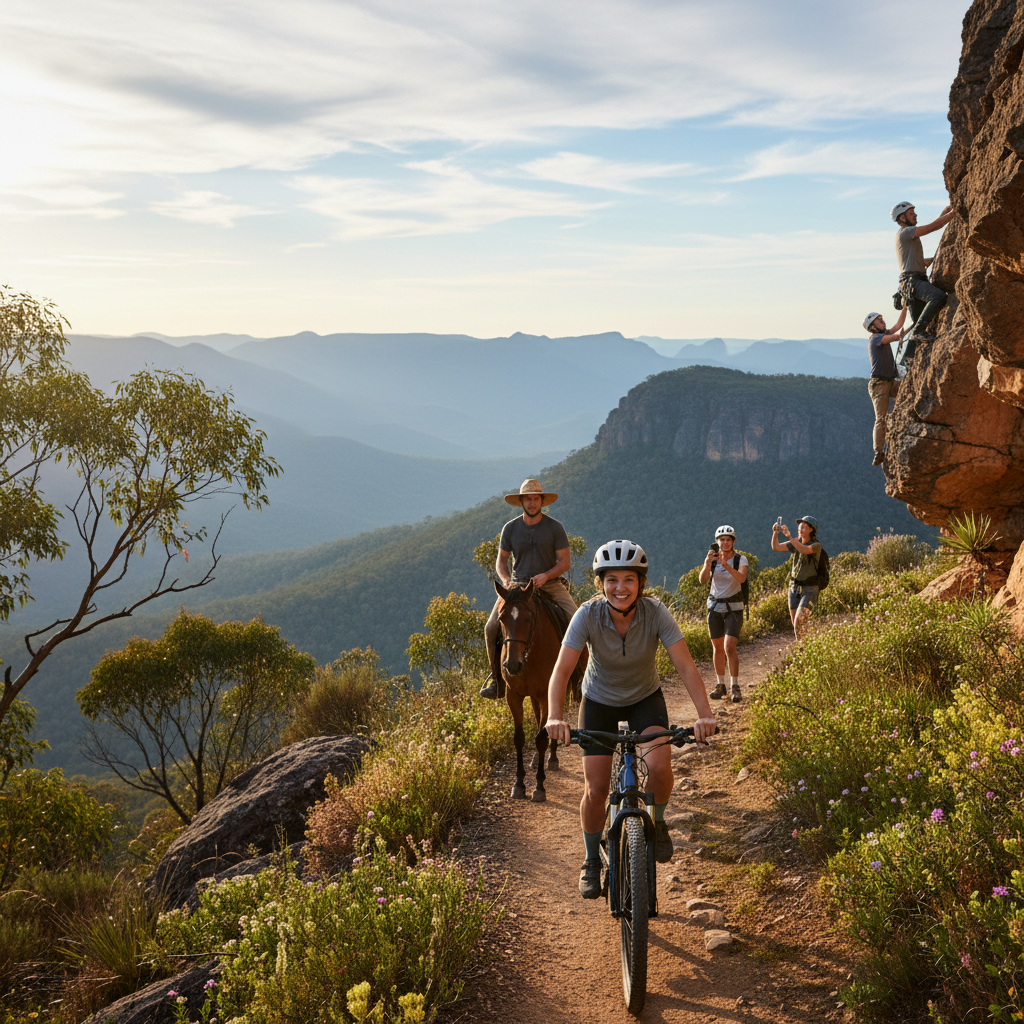
Conquer the Sun: Ultimate Helmet Sun Protection for Multipitch Climbs in Australia
Australia. It's home to some of the most spectacular climbing in the world. But let's not beat around the bush: the sun here is brutal. On a multipitch climb, you're exposed for hours on end. Long days, exposed faces, and that relentless Australian UV index can turn a dream climb into a miserable, sun-scorched ordeal. We're talking peeling skin, heat exhaustion, and a general lack of focus that can lead to mistakes. This isn't just about comfort; it's about safety. And for climbers, that means smart helmet sun protection.
The Multipitch Sun Challenge: Why Your Helmet Alone Isn't Enough
Your climbing helmet is designed to protect your head from rockfall and impacts. That's its primary job, and it does it well. But how much of that helmet actually shades your face? Very little. Most helmet designs offer minimal brim coverage, leaving your face, neck, and ears vulnerable.
Think about it: on a long multipitch route, especially in the Australian summer, you're often climbing during peak UV hours. The sun beats down directly. Even if you start early, you're likely to be on route during the hottest, sunniest parts of the day. Sweat drips into your eyes, stinging and blurring your vision. Sunlight glare makes it harder to spot holds. Your skin feels like it's cooking. This is where standard helmet design falls short for Australian conditions.
What are we up against?
High UV Index: Australia consistently has some of the highest UV levels globally. Even on cloudy days, UV rays can penetrate and cause damage.
Intense Heat: Prolonged sun exposure, especially at higher elevations or on exposed rock faces, leads to significant heat build-up. This can impair judgment and lead to heatstroke or exhaustion.
Long Exposure Times: Multipitch climbs by definition take time. You're committed. You can't just duck into a cafe for shade. Protection needs to be continuous.
Glare: Direct sunlight reflects off rock, amplifies glare, and makes it harder to see your next move.
Neck and Ear Exposure: Many helmets leave the back of your neck and your ears completely exposed to sunburn, which is incredibly painful and can lead to long-term damage.
The No-Nonsense Solution: Proven Helmet Sun Protection
So, what's the practical, no-fluff answer to this very real problem? Adding a dedicated helmet brim. We're not talking about flimsy hats that blow off. We're talking about engineered solutions designed to integrate seamlessly with your helmet and provide substantial shade.
Products like the Da Brim are designed specifically for this purpose. They attach securely to your helmet, extending the shade significantly beyond what your helmet alone can offer. These aren't just accessories; they're critical pieces of protective gear for climbing in harsh environments like Australia.
Why a Dedicated Helmet Brim?
Maximal Shade: They are designed to extend far out, dropping shade over your face, ears, and neck. This is crucial for preventing sunburn and reducing heat load.
Secure Fit: Reputable products attach firmly, ensuring they won't detach during falls or strong winds. They are designed to withstand climbing forces.
Lightweight: You add minimal weight to your head, which is essential when you're working hard on a long route.
Durability: Made from materials that can handle the knocks and scrapes of climbing.
Reduced Glare: The extended shadow directly combats the blinding effects of the sun.
Increased Comfort: Less sweat dripping, less sunburn, and a cooler head means better focus and endurance.
Think of it like this: you wouldn't climb multipitch in a t-shirt, would you? You wear appropriate climbing clothing. Sun protection is just as important. And when it comes to protecting your most exposed features – your face and neck – a helmet brim is the most effective solution.
Objections Handled: Common Concerns and Realities
We know what you might be thinking. "Will it blow off?" "Will it look silly?" "Will it get in the way?" Let's cut through the fluff and address these head-on.
Objection 1: "It'll blow off in the wind."
Reality: This is a common concern, but it hinges on the quality of the attachment system. A poorly designed or attached brim might be a risk. However, products designed for outdoor activities, especially climbing, use robust fastening systems. The Da Brim, for instance, is engineered to attach securely to a wide range of climbing helmets. Following the installation instructions is key (see our How to Install guide). If it's attached correctly, it's designed to stay put, even in significant wind. The aerodynamic design also helps to minimise wind resistance compared to a hat.
Objection 2: "It'll get in the way of the rope or my vision."
Reality: Again, this comes down to design and correct installation. The brims are shaped to direct shade downwards and forwards, not downwards or backwards where it would interfere with your ropes or harness. They are positioned to complement, not obstruct, your field of vision. The primary goal is to shade your face, which is exactly where you need to see. If you're finding it gets in the way, double-check the installation and positioning. There's often a sweet spot where it provides maximum shade with zero interference.
Objection 3: "It's just another thing to carry/forget."
Reality: This is about prioritisation. If you're climbing multipitch in Australia, you need sun protection. This isn't optional. Attaching the brim to your helmet means it's always with your helmet. It's not a separate item to pack away or forget. Consider it part of your helmet setup, just like your headlamp or communication device for dawn/dusk starts or finishes.
Objection 4: "It's too hot and will make me sweat more."
Reality: Paradoxically, a good brim can actually reduce heat stress. By shading your face, neck, and ears, it significantly reduces the amount of direct solar radiation hitting your skin. This means your body has less heat to dissipate, which can actually help you stay cooler and prevent heat exhaustion. While you'll still sweat due to exertion, the solar gain is drastically reduced.
Objection 5: "It's just for tourists/not hardcore enough."
Reality: This is pure ego getting in the way of practical safety. Hardcore climbers are the ones who understand the risks of exposure. They are the ones who prioritise gear that enhances safety and performance, not detracts from it. Looking after your skin, preventing sunburn, and avoiding heatstroke are hallmarks of smart, experienced climbers. Anyone who dismisses effective sun protection is frankly being reckless. Check out our FAQ for more on this.
Practical Gear for Serious Climbers
When choosing sun protection for your helmet, look for features that matter:
Wide Brim Coverage: The wider, the better for maximum shade.
Secure Attachment: A system that is proven to stay put under pressure.
Lightweight Construction: You don't want to feel the extra weight.
Durability: It needs to withstand climbing abuse.
Compatibility: Will it fit your helmet properly?
We offer a range of Products specifically designed to meet these needs. Investing in quality sun protection for your helmet is a small price to pay for comfort, safety, and being able to enjoy those epic Australian multipitch days to their fullest.
Checklist: Before You Head Out
Here’s a quick rundown to ensure you’re sun-ready for your next multipitch adventure:
[ ] Helmet: Is it well-fitting and certified for climbing?
[ ] Helmet Brim: Is it attached securely (refer to How to Install)?
[ ] Sunscreen: Applied liberally to all exposed skin (ears, neck, nose, face)?
[ ] Sunglasses: Good quality, wrap-around style for glare protection?
[ ] Hydration: Enough water for the duration of the climb?
[ ] Awareness: Checking the UV index and weather forecast before you go?
Installing Your Da Brim: Quick Steps
Getting your Da Brim helmet brim secured correctly is crucial. It’s a simple process, but attention to detail ensures it performs as intended. For a full breakdown, refer to our How to Install page.
1. Clean Your Helmet: Ensure the area where the brim will attach is clean and dry. Dust or grime can affect adhesion.
2. Position the Brim: Place the brim around your helmet, ensuring it's centered and the desired extent of shade is achieved.
3. Secure the Straps/Clips: Most systems involve adjustable straps or clips. Tighten these firmly but without overtightening to the point of damaging the helmet.
4. Test the Fit: Gently try to pull the brim to ensure it's secure and doesn't shift or loosen. Give it a good tug – it needs to withstand climbing stresses.
5. Adjust for Vision: Make minor adjustments to ensure the brim provides maximum shade without obstructing your primary field of vision.
Final Word: Don't Get Cooked
Multipitch climbing in Australia is an incredible experience. Don't let the sun detract from it. Proper sun protection for your helmet is not a luxury; it's a necessity. It keeps you cooler, prevents painful sunburn, reduces glare, and helps you maintain focus, thereby enhancing your overall safety. Invest in good gear, use it correctly, and enjoy those epic Australian climbs without getting cooked.
For more tips and product information, head over to our Products page and explore our range. And if you have any questions, our FAQ is a great resource. Don't forget to check out our Blog for more valuable content. Stay safe and climb on!