
Conquer the Sun: The Ultimate Sun Protection Guide for Australian Road Cyclists
Long Australian road rides demand serious sun protection. This guide cuts through the noise, offering practical advice and solutions for helmet wearers to beat the heat and UV.
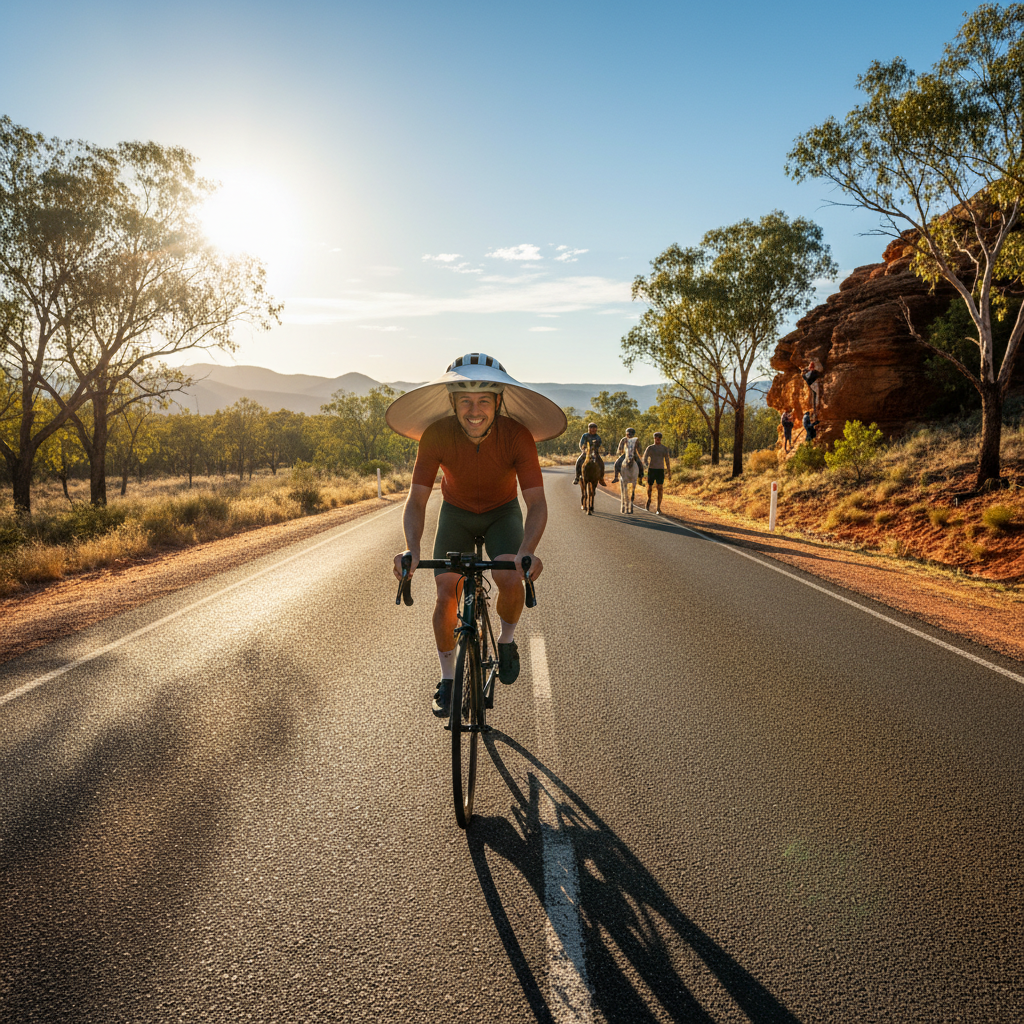
Conquer the Sun: The Ultimate Sun Protection Guide for Australian Road Cyclists
Australia. The land of endless summer days, iconic coastlines, and… relentless sun. For road cyclists, especially those tackling long rides, the sun isn't just a pleasant backdrop; it's a formidable adversary. We're talking about harsh UV rays, searing heat, and marathon days where even the most dedicated rider can find themselves exposed for hours. You’ve got the gear, you've trained, but are you truly protected from the sun? This guide is for you – the practical cyclist who wants no-nonsense advice on staying safe and comfortable during those epic Australian road rides.
The Problem: Sun Exposure on Long Rides is No Joke
Let's be blunt. Long road rides in Australia mean prolonged exposure to ultraviolet (UV) radiation. The UV Index here can soar, even on cloudy days. It doesn't matter what shade of 'weathered' you aim for; cumulative sun damage leads to premature ageing, sunburn, and, most critically, an increased risk of skin cancer. And it's not just about UV. The heat can lead to dehydration, heatstroke, and a general feeling of sluggishness that can turn a great ride into a miserable slog. Your helmet is essential for safety, but it often leaves large areas of your face and neck vulnerable.
Common Objections and Why They Don't Cut It:
"I've got a tan, I'm naturally protected." This is a dangerous myth. A tan is a sign of skin damage, not a shield. Years of accumulated exposure still impact your skin's health.
"Sunscreen is good enough, I wear SPF 50." While essential, sunscreen alone is often not enough for long Australian rides. Sweat washes it off, reapplying is inconvenient and sometimes impossible mid-ride, and it doesn't protect your eyes or scalp effectively. Plus, it can sting if it gets in your eyes.
"My helmet has some vents, it's breathable." Vents are for cooling, not sun protection. The gaps between vents, and especially the areas your helmet doesn't cover, are prime real estate for sunburn.
"I just ride in the early morning or late afternoon." Even during 'cooler' hours, the sun's UV rays can be intense. Long rides mean you might still be out when the UV peaks.
Your Arsenal: Essential Sun Protection for Helmet Wearers
Arming yourself against the Australian sun requires a multi-pronged approach. It's about more than just slapping on some cream. It's about smart choices and effective gear.
1. Headwear Integration: The Helmet Itself (and what goes with it)
Your helmet is non-negotiable. But how you wear it matters:
Helmet Brim: This is your first line of defence. A good helmet brim, whether integrated or an add-on accessory, casts a shadow over your face, significantly reducing direct UV exposure to your forehead, nose, and cheeks. If your current helmet lacks one, consider adding an accessory. We’ve got solutions that attach easily, offering crucial shade without compromising helmet safety. Learn more about How to Install.
Cycling Caps: A skullcap or cycling cap worn under your helmet provides an extra layer of fabric protection for your scalp. It also helps wick sweat away from your eyes and can add a little extra shade around the edges.
2. Skin Defence: Beyond the Sunscreen Bottle
High SPF Sunscreen (Applied Correctly): Don't ditch it, but use it strategically. Apply generously to all exposed skin at least 20 minutes before your ride. Reapply every two hours, or more frequently if you're sweating heavily. Look for broad-spectrum, water-resistant formulas.
Sun-Protective Clothing (UPF Rated): For incredibly long days or when the UV index is extreme, consider UPF-rated clothing. While not always practical for traditional road cycling jerseys, arm sleeves or a lightweight, long-sleeved cycling jersey designed for sun protection can be game-changers. Check out our range of Products for options.
Lip Balm with SPF: Your lips are delicate and prone to burning. Keep a lip balm with SPF 30 or higher handy.
3. Eye Protection: Crucial for Vision and Health
UV-Blocking Sunglasses or Goggles: Not just for style. High-quality cycling eyewear blocks UV rays that can damage your eyes over time, leading to cataracts and other issues. They also prevent wind, dust, and debris from causing irritation, which is particularly important on long, exposed stretches.
4. Hydration and Cooling: Managing the Heat
Water Bottles: Stay hydrated. Drink before you feel thirsty.
Electrolyte Drinks: For rides over two hours, electrolytes are essential to replace salts lost through sweat.
Cooling Towels: A damp, cooling towel can provide immense relief when draped around your neck during breaks.
Practical Sun Protection Checklist for Your Next Long Ride
Tick these off before you head out:
[ ] High SPF (50+), broad-spectrum, water-resistant sunscreen applied generously to all exposed skin (face, neck, ears, back of hands).
[ ] Lip balm with SPF 30+ applied.
[ ] Helmet fitted correctly, with a suitable brim or accessory providing facial shade.
[ ] Cycling cap or skullcap worn under the helmet (optional, for extra scalp and sweat management).
[ ] UV-blocking cycling sunglasses or goggles worn.
[ ] Lightweight, UPF-rated arm sleeves or long-sleeved jersey (especially for extreme conditions).
[ ] Water bottles filled sufficiently for the planned distance and heat.
[ ] Electrolyte supplement in one bottle (for rides > 2 hours).
[ ] Small tube of sunscreen for reapplication during longer breaks.
Step-by-Step Sun Protection Strategy for Extended Rides
Applying just once isn't enough for a full day in the saddle under Australian skies. Here’s a sensible strategy:
Pre-Ride (At least 20 minutes before):
1. Cleanse & Dry: Ensure skin is clean and dry for optimal sunscreen adherence.
2. Apply Sunscreen: Apply a generous, even layer of SPF 50+ sunscreen to your face, neck (front and back), ears, and any other exposed skin. Don't forget the tops of your hands and your scalp, especially around the hairline.
3. Lip Care: Apply SPF lip balm.
4. Gear Up: Put on your cycling cap (if using), sunglasses/goggles, and any UPF clothing. Fit your helmet, ensuring the brim provides good coverage.
During the Ride:
5. Hydrate Consistently: Sip water or electrolyte drinks regularly. Don't wait for thirst.
6. Seek Shade During Breaks: If you stop for an extended break (e.g., a longer cafe stop), try to find shade.
7. Reapply (Crucial!): On rides longer than 2 hours, plan for at least one reapplication. This means carrying a small tube of sunscreen. During a longer break, reapply to your face and neck. A quick swipe of your hand can do it.
Post-Ride:
8. Cleanse: Wash off sweat and any residual sunscreen.
9. Moisturise: Apply a soothing moisturiser, perhaps with aloe vera, to rehydrate your skin.
10. Assess: Check for any missed spots or areas of redness. Note them for next time.
Making it Practical: Avoiding Painful Reapplication
Reapplying sticky sunscreen while sweaty can be a hassle. Here are some tips:
Spray Sunscreen: A spray-on sunscreen can be quicker for arms and legs during a stop, but be mindful of wind and ensuring even coverage.
Sunscreen Sticks: These are great for targeted application on the face and are less messy.
Longer Stops: Plan for a slightly longer break mid-ride where you have time to properly reapply sunscreen in a shaded area.
What About Your Eyes?
Your eyes are high-priority. They can get sunburned (photokeratitis), and long-term UV exposure significantly increases the risk of cataracts and macular degeneration. High-quality cycling eyewear with 100% UV protection is as important as your helmet. Ensure they cover well around the sides and don't leave gaps.
When it's Too Hot: Prioritising Safety Over Speed
On extreme heat days, the sun isn't your only enemy. Heatstroke can be debilitating and dangerous. Always check the forecast. If it's exceptionally hot, consider:
Shorter Rides: Even on a long-distance bike, cutting your ride short is better than risking heat illness.
Early Starts: Beat the worst of the heat by starting before dawn.
Hydration Stations: Plan your route to pass shops or cafes where you can refill water and cool down.
- Listen to Your Body: If you feel dizzy, nauseous, or excessively fatigued, stop. Seek shade and hydrate. Don't push through it.
The Bottom Line: Smart Protection for Smart Cyclists
Riding in Australia is a privilege, but it comes with sun exposure risks. By integrating smart sun protection strategies – from your helmet brim to reliable sunscreen and eye protection – you can enjoy those long road rides without compromising your long-term health. Don't wait until you're burnt to realise you need better protection. Explore our range of Products designed to help you ride safer and longer under the Australian sun. For more in-depth information and specific product details, don't hesitate to check our FAQ or browse our Blog for further tips.
Ride smart, ride protected.