
Conquer the Sun: Stop Sunburn on Your Longest Rides
Don't let the Aussie sun cut your rides short. Learn practical, no-nonsense strategies to prevent sunburn, even on the longest cycling adventures under harsh Australian conditions. Your helmet is a start, but we'll show you how to level up your protection.
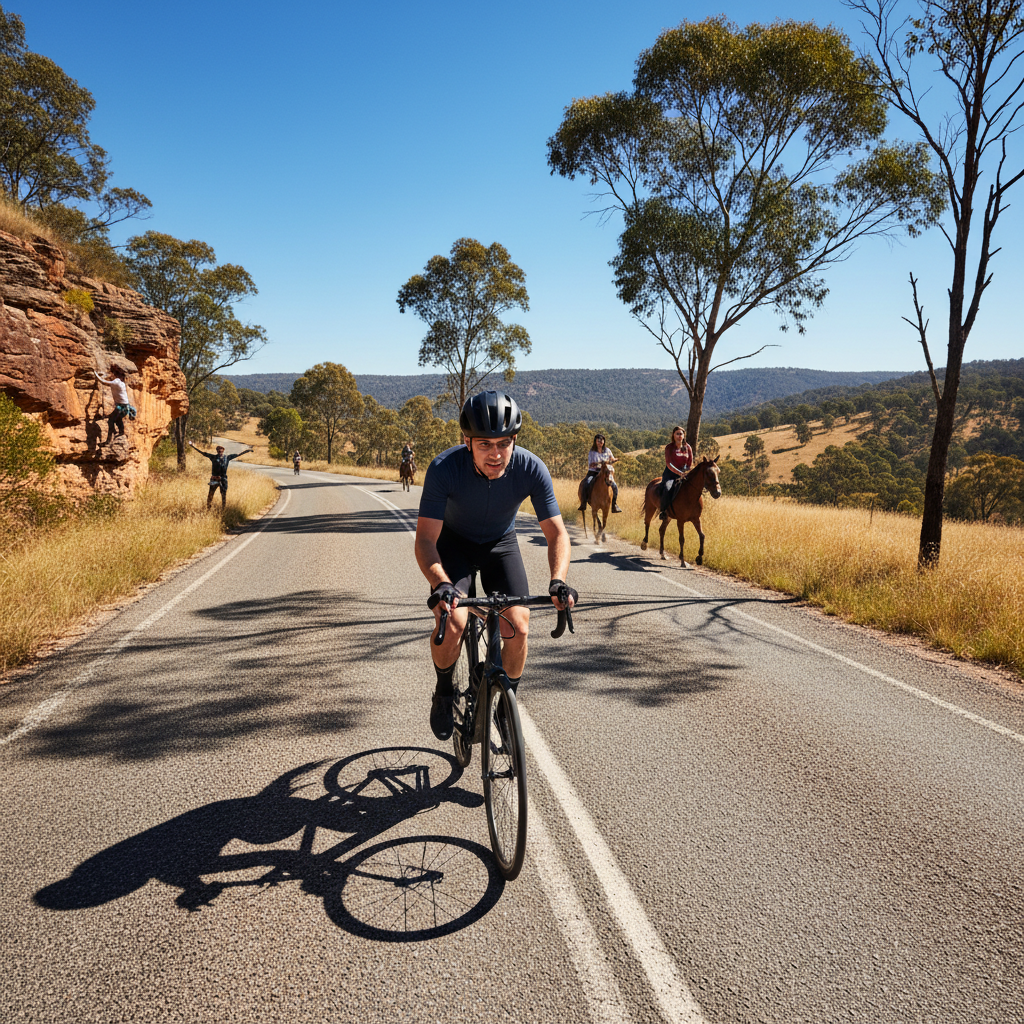
Conquer the Sun: Stop Sunburn on Your Longest Rides
Australia. We love it for its vast landscapes, its iconic beaches, and its undeniably harsh sun. If you're a cyclist who pushes the limits, tackling long rides under that relentless UV radiation, then sunburn isn't just an inconvenience – it's a serious threat to your comfort, your health, and your ability to ride further. You're already wearing a helmet, which is a smart start for safety, but it's only one piece of the puzzle when it comes to sun protection for long rides.
Let's be blunt: simply slapping on some sunscreen and calling it a day isn't enough for hours in the saddle when the UV index is soaring. This guide is for the no-nonsense cyclist who wants practical, effective strategies to keep sunburn at bay, no matter how epic the journey. We're talking about real-world solutions for real Australian conditions.
The Enemy: Australian Sunshine on Long Rides
Australian sun is no joke. Even on cloudy days, UV rays can penetrate and cause damage. On long rides, you're exposed for extended periods, often in areas where shade is scarce. Think about those outback roads, coastal routes, or even just lengthy loops through parks and suburbs. The heat can be brutal, making you sweat more, and that sweat can wash away inadequate sun protection.
Consider this::
High UV Index: Australia frequently experiences very high to extreme UV levels, especially during summer. The "sun protection times" are often extended throughout the day.
Intense Heat: Long rides in high temperatures can lead to dehydration and discomfort, making you less focused on reapplying protection effectively.
Extended Exposure: A three-hour ride is three hours of cumulative UV exposure. Doubling that to six hours significantly increases your risk if you're not adequately protected.
Your helmet protects your head, but what about your neck? Your ears? Your face, especially areas not covered by sunglasses? These are prime targets for sunburn if you're not careful.
Common Objections (and Why They Don't Cut It)
Before we dive into solutions, let's address some common reasons cyclists skimp on sun protection:
"I get a tan, not a burn.": Tanning is a sign of skin damage. Repeated exposure without protection significantly increases your risk of premature aging and skin cancer. Don't rely on your skin type to save you.
"Sunscreen is greasy and messy.": We hear you. But there are better formulas available now, and strategies to minimise the mess. Besides, is a bit of greasiness worse than the pain and peeling of a sunburn?
"I wear sunglasses and a hat under my helmet.": Good, but often not enough. Sunglasses protect your eyes, and a cycling cap offers minimal brim and can bunch up. They don't cover ears, neck, or exposed parts of the face.
"I only ride early or late when it's cooler.": While smart for avoiding peak heat, UV rays are still present. On very warm days, even early mornings can have a significant UV index.
"I'll just deal with it if I get burnt.": This is the most dangerous mindset. Sunburn is a sign of radiation damage. Repeated damage builds up over time.
Comprehensive Sun Protection for Long-Haul Cycling
Protecting yourself on long rides requires a multi-pronged approach. It's not just about one product; it's about a system.
1. Sunscreen: Your First Line of Defence
This is non-negotiable. But not all sunscreens are created equal for cyclists.
Choose High SPF: Aim for SPF 50+ that offers broad-spectrum protection (UVA and UVB).
Water and Sweat Resistance: Look for "water-resistant" or "sweat-resistant" formulas. However, remember no sunscreen is truly waterproof. Reapplication is key.
Formulation Matters:
Lotions/Creams: Good for initial application on larger areas. Look for lightweight, non-greasy formulas.
Sticks: Excellent for targeted application on your face (nose, ears, lips) as they don't run into your eyes when you sweat.
Sprays: Convenient for quick touch-ups on arms and legs, but ensure you apply them thoroughly. Avoid inhaling.
Reapplication Strategy: This is where most people fail on long rides. You need to reapply every 2 hours, or more often if sweating heavily or after swimming.
2. Beyond Sunscreen: Physical Barriers
Sunscreen wears off. Physical barriers offer continuous protection.
Clothing:
Long Sleeved Jerseys: Opt for lightweight, breathable, UPF (Ultraviolet Protection Factor) rated cycling jerseys. These offer superior protection compared to standard cotton or polyester.
Arm Sleeves: A great, versatile option. They can be worn during the ride and easily removed if it gets too hot. Look for UPF rated materials.
Leggings/Cycling Shorts: While most cycling shorts offer some protection, longer options or knee-length styles can add more coverage.
The Crucial Helmet Brim: Your helmet alone leaves a lot of your face and neck exposed. This is where a dedicated helmet brim accessory comes in. Look for:
Extended Coverage: A brim designed to extend further forward and downwards than a standard cycling cap.
Side and Rear Protection: Some brims offer improved coverage around the temples and sides of the head, and even a slight overhang at the back.
Easy Installation: You don't want a fiddly accessory that compromises your helmet's fit or safety. See How to Install your Da Brim for simple, secure fitting.
3. Headwear Under Your Helmet (If You Choose)
While our main focus is on helmet-integrated solutions, some cyclists prefer an under-helmet layer:
Thin Skull Caps: These can add a slight layer of protection. However, ensure they don't compromise your helmet's fit or ventilation. They won't offer much brim.
4. Eye Protection
Wrap-Around Sunglasses: Crucial for protecting the delicate skin around your eyes and preventing sun glare.
Photochromic Lenses: These lenses darken in bright sunlight and become clearer in lower light, adapting to changing conditions.
Your Pre-Ride & During-Ride Checklist:
This isn't complicated, but it requires discipline.
Before You Leave:
[ ] Apply Broad-Spectrum SPF 50+ Sunscreen: Generously cover all exposed skin: face, neck (front and back!), ears, tops of hands, any parts of arms and legs not covered by clothing.
[ ] Use Lip Balm with SPF: Your lips can burn too.
[ ] Wear UPF Clothing: Jersey, arm sleeves, etc.
[ ] Install/Check Your Helmet Brim: Ensure it's securely attached and providing maximum shade to your face and neck.
[ ] Wear Wrap-Around Sunglasses: Make sure they fit snugly.
During Your Ride (Especially Rides Over 2 Hours):
[ ] Reapply Sunscreen Every 2 Hours: Use sunscreen sticks for easy, precise application on your face and neck. Pack a small amount in a zip-lock bag or a dedicated pouch.
[ ] Drink Plenty of Water: Dehydration can make you feel poorly and less likely to focus on sun protection.
[ ] Seek Shade Whenever Possible: Use nature's shade during breaks.
Practical Application: Step-by-Step Protection
Let's break down the application process for a long ride, focusing on effectiveness.
Step 1: The Pre-Ride Ritual (30 Minutes Before)
Clean Skin: Apply sunscreen to clean, dry skin. This helps it adhere better.
Generous Application: Don't be stingy. Think about the areas you'll miss.
Face: Nose, cheeks, forehead, chin. Especially the tips of your ears and the back of your neck.
Neck: Front and back are equally important. Many cyclists overlook the rear neck, but it's a major sunburn zone.
Hands: The tops of your hands will be exposed to direct sunlight.
Arms/Legs: Any exposed skin. If you wear arm sleeves, check the transition points.
Rub It In: Ensure even coverage. You don't want streaks that create uneven protection.
Lip Care: Apply a lip balm with at least SPF 30.
Step 2: Gear Up
Helmet: Ensure your helmet is fitted correctly. If you're using a Da Brim, confirm it's securely attached according to instructions. How to Install is straightforward, but doing it right is crucial.
Clothing: Long sleeves, arm sleeves. Tuck away any loose ends.
Sunglasses: Put them on.
Step 3: On the Road - Reapplication is King
Set Reminders: Use your cycling computer, watch, or phone to set alarms for reapplication. Every 2 hours is a good baseline.
Carry Supplies: Pack a small, travel-sized sunscreen stick or a small tube in an easily accessible pocket. A mini zip-lock bag can protect it from sweat.
Targeted Reapplication:
Face: Focus on the nose, cheeks, and any areas that seem to be getting too much sun. Sticks are excellent here.
Neck: Don't forget the back of your neck. Apply with your fingers or a glove if preferred.
Hands: If you feel a tingle or see redness, reapply to the backs of your hands.
Mistakes Happen: If you miss a spot or feel a burn starting, pull over at the next opportunity and reapply. It's better to stop briefly than suffer a bad burn.
Choosing the Right Gear: What to Look For
When investing in sun protection for cycling, consider these points:
| Feature | Importance on Long Rides | Notes for Cyclists | |
|---|---|---|---|
| SPF Rating | High | SPF 50+ is recommended. | |
| Broad Spectrum | High | Protects against UVA (aging) and UVB (burning). Both cause damage. | |
| Sweat/Water Resist | Medium-High | Doesn't last forever. Reapplication is still needed. | |
| Non-Greasy Formula | High | Less likely to run into eyes or feel uncomfortable. | |
| UPF Clothing | High | Offers consistent protection that doesn't wash off. | |
| Helmet Brim Ext. | High | Crucial for face and neck shade. Look for substantial coverage beyond standard caps. | |
| Lip Balm with SPF | High | Small, often overlooked area that burns easily. |
This isn't about buying every single gadget. It's about selecting the right tools that integrate with your existing cycling setup. For example, a dedicated helmet brim accessory can make a significant difference to your face and neck coverage without adding bulk or discomfort. Check out our range of Products designed to enhance your ride, including options for sun protection.
Don't Get Caught Out
Sunburn on a long ride isn't just painful; it's a health risk. By adopting a proactive and comprehensive approach to sun protection, you can significantly reduce your exposure and enjoy your rides in Australia's beautiful environment without the negative consequences.
Remember, consistent application, using the right gear, and understanding the risks are your best defence. Don't leave your skin to chance. Explore our Products to find solutions that fit your needs and visit our FAQ for more common questions. For more tips and insights, browse our Blog.
Ride smart, ride protected.