
Conquer the Sun: Essential Helmet Sun Protection for Multi-Pitch Climbs in Australia
Long days on Australian multi-pitch routes demand serious sun protection. Learn how to keep your face, neck, and scalp shielded from harsh UV rays with practical helmet brim solutions.
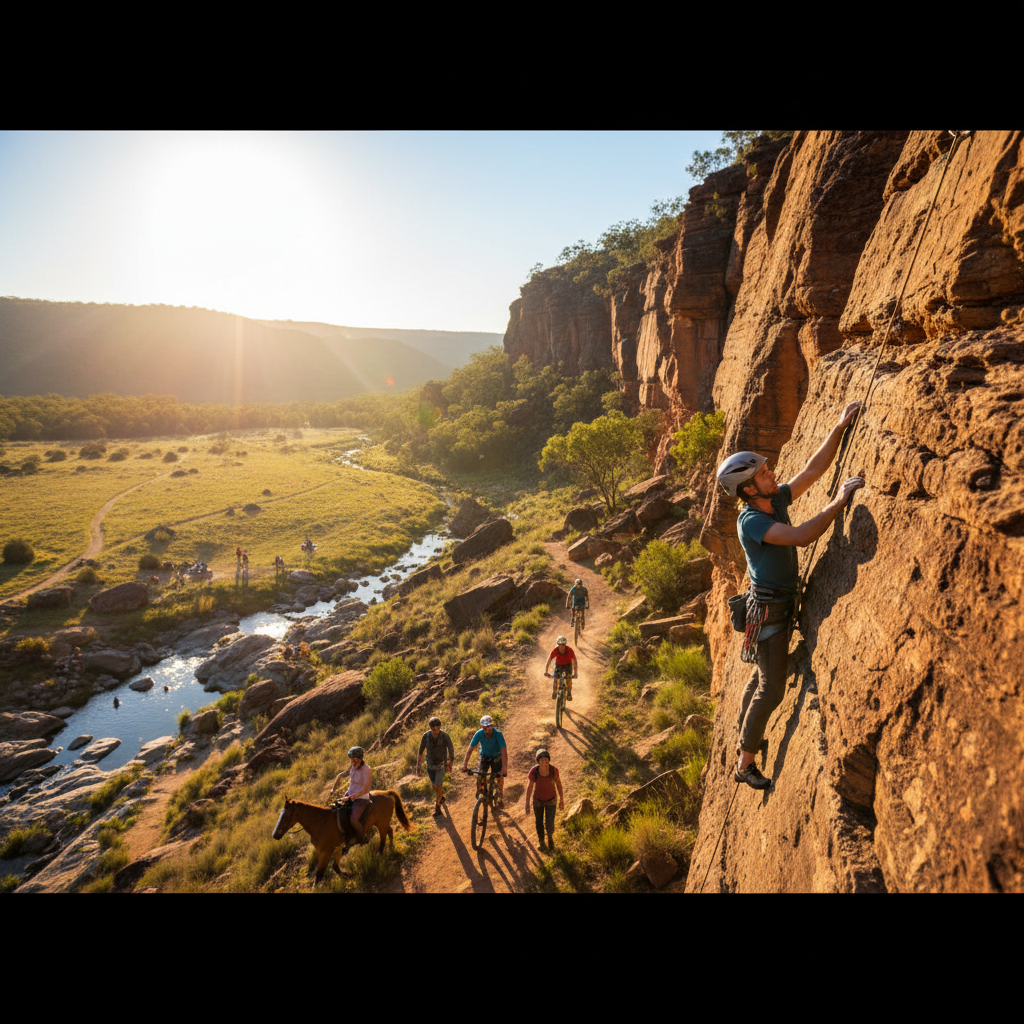
Conquer the Sun: Essential Helmet Sun Protection for Multi-Pitch Climbs in Australia
Australia. The land of epic coastlines, rugged outback, and some of the most incredible climbing routes on the planet. From the Grampians to the Blue Mountains, and countless crags in between, we’re blessed with opportunities for multi-pitch adventures. But let’s be honest, our sun doesn’t mess around. Those long days spent on exposed rock faces mean serious sun exposure, and without proper protection, it’s not just uncomfortable, it’s dangerous. This guide is for you – the climber tackling those multi-pitch classics, understanding that effective sun protection is as crucial as your cams and carabiners.
The Harsh Reality of Australian Climbing Conditions
We all know it. The UV index in Australia frequently hits extreme levels, especially during peak climbing seasons. Even when it feels cool, those UV rays are doing their damage. For multi-pitch climbs, the exposure is magnified. Hours upon hours, often with limited shade, directly under that relentless sun. What does this mean for you?
Scalp and Neck Burn: Even with a helmet, your neck is often exposed, and the sun can find its way in around the helmet rim, leading to painful sunburn. Your scalp, under any thin hair, is also vulnerable.
Facial Sun Damage: Your face, particularly your ears and nose, takes a beating. Sunburn here is not only painful but contributes to premature aging and increases your risk of skin cancer.
Heat Exhaustion and Dehydration: Prolonged exposure to direct sun contributes to overheating, making you less focused, more fatigued, and increasing the risk of heatstroke and dehydration. This is a critical safety concern on a challenging climb.
Eye Strain: Glare from the sun reflecting off rock and gear can cause eye strain and headaches, impacting your vision and concentration.
Why Standard Helmets Aren't Enough
Many climbing helmets offer basic coverage, but when you’re belaying for an hour on an exposed ledge, or simuling up a long pitch, this coverage is often insufficient.
Limited Brim: Most climbing helmets have a minimal brim, designed more for impact protection than significant sun deflection. It’s rarely long enough to shade your neck or the back of your head.
Chin Straps and Gaps: The chin strap can create gaps where the sun can ingress, as can the natural ventilation holes. While essential for cooling, they can also be entry points for UV rays.
Headwear Under Helmets: Wearing a cap or wide-brimmed hat under a helmet is usually impractical and can compromise helmet fit and safety. It’s uncomfortable, makes the helmet too tight, and can shift.
The Helmet Brim Solution: Extending Your Sun Defence
This is where a simple, yet highly effective, solution comes in: an extended helmet brim. Not a full-on hard hat brim, but a carefully designed extension that significantly increases the shade provided by your existing climbing helmet. Think of it as a tactical upgrade.
We’re talking about products specifically designed to attach to your helmet, offering practical, adjustable, and importantly, safe sun protection. These aren't just flimsy add-ons; they are purpose-built to withstand the rigours of climbing.
Key Benefits of an Extended Helmet Brim:
Superior Shade: Significantly extends the shadow cast by your helmet, protecting your face, ears, and neck from direct UV radiation.
Reduced Glare: Helps reduce the amount of direct sunlight hitting your eyes, improving comfort and visibility.
Comfort on Long Days: Makes extended periods of sun exposure far more bearable, keeping you cooler and more focused.
Easy to Use: Attaches and detaches quickly, often without tools, making it versatile for different conditions.
Maintains Helmet Integrity: Designed to work with your helmet without compromising its safety features.
Choosing the Right Brim
Not all helmet brims are created equal. When you're looking at options, consider the following:
| Feature | Importance for Multi-Pitch Climbing |
|---|---|
| Material | Durable, lightweight, weather-resistant (e.g., ripstop nylon, tactical fabrics). |
| UV Protection | Look for UPF rated materials if possible, though shade itself is primary. |
| Fit/Attachment | Secure and easy to attach/detach to your specific helmet model. Velcro straps are common. |
| Coverage Area | Deeper brim offers more shade for face and neck. Side coverage is also key. |
| Ventilation | Shouldn't block helmet vents entirely, though some overlap is expected. |
| Weight | Minimal added weight is crucial for comfort on long climbs. |
| Packability | Can it be easily stowed when not in use? |
Integrating Protection into Your Climbing Routine
It's not just about the gear; it's about the habit. Developing a consistent sun-protection strategy is paramount for Australian climbers.
Pre-Climb Checklist: Sun Protection Focus
[ ] Helmet Check: Is your helmet clean and free of cracks? Does it fit properly?
[ ] Brim Attachment: If using an extended brim, ensure it's securely attached according to instructions. Consider a dry run at home.
[ ] Sunscreen: Apply a broad-spectrum, water-resistant sunscreen (SPF 30 or higher) to all exposed skin at least 20 minutes before sun exposure. Don't forget ears, neck, and back of hands.
[ ] Hydration: Pre-hydrate. Start with plenty of water before you even reach the crag.
[ ] Clothing: Wear lightweight, UPF-rated clothing where possible. Long sleeves and pants offer excellent protection.
[ ] Eyewear: Pack good quality sunglasses with UV protection.
[ ] Lip Balm: Use a lip balm with SPF.
Step-by-Step: Installing and Using Your Da Brim
Many dedicated climbers find solutions like those offered by Da Brim to be a game-changer. Here’s a general guide to how these types of products work:
Step 1: Select the Right Brim
Visit Da Brim and browse their range. They offer various styles suitable for different helmet types. Look for one specifically designed for climbing helmets or versatile enough to fit.
Step 2: Read the Instructions
Each product will come with specific installation guidelines. Familiarise yourself with these before you attempt to attach it. You can also find helpful guides on the How to Install page.
Step 3: Attach to Your Helmet
Most Da Brim products use a secure Velcro system. Ensure the Velcro strips on your helmet and the brim are clean to maximise adhesion.
Align the brim correctly around the circumference of your helmet. Ensure it sits flush and offers even coverage.
Press firmly to secure the Velcro. Tug gently to ensure it won't shift easily.
Step 4: Adjust for Coverage
Once attached, check the shade coverage. Does it block the sun effectively from your face and neck?
You may be able to slightly adjust the angle or position of the brim. Some designs offer more adjustability than others.
Step 5: On the Climb
Ascending: The brim will provide shade while you're climbing and can help deflect small rockfall or debris from your upper face.
Belaying: This is where it truly shines. Extended belay stances on sunny ledges become significantly more comfortable. You’ll stay cooler and more protected while waiting for your partner.
Rappelling: Provides continued protection as you descend.
Step 6: Removal and Maintenance
After your climb, detach the brim as per the instructions. This is often crucial for proper cleaning and storage.
Clean the brim if it’s dirty. Check the Velcro for debris.
Store the brim flat or rolled, depending on its design, to prevent damage.
Common Objections and How to Handle Them
"It looks silly."
Reality: Safety and comfort trump aesthetics any day on a multi-pitch. The extra shade and reduced squinting will make your climb more enjoyable and safer. Plus, there are sleeker designs available now than ever before.
"It will fall off."
Reality: Reputable products like Da Brim use strong, industrial-grade Velcro systems specifically designed to withstand movement and moderate forces. Proper installation is key.
"It will make my helmet too hot."
Reality: While it covers a bit more, the extended brim primarily blocks radiant heat from the sun. By keeping direct sun off your face and neck, it can actually help you feel cooler and less prone to overheating. Plus, most climbing helmets are designed with significant ventilation.
"It's extra weight/bulk."
Reality: The added weight is minimal, typically a few ounces. The bulk is also manageable; many fold or detach easily for stowing.
"I'll forget to bring it/put it on."
Reality: Make it part of your pre-climb gear check. Keep it attached to your helmet when packing your crag bag, or store it with your helmet. Consistency is key. Check out our FAQ for more common questions.
Beyond the Brim: A Holistic Approach
While an extended helmet brim is a fantastic tool, it's only one part of your sun-defence strategy.
Sunscreen Reinforcement: Reapply sunscreen as needed, especially after sweating.
Hydration: Keep sipping water throughout the day. Dehydration amplifies the effects of sun exposure.
Timing: If possible, avoid the absolute peak sun hours for the most exposed sections of your climb, though this isn't always feasible on multi-pitch routes.
Awareness: Pay attention to how you feel. If you’re feeling lightheaded or unwell, it could be sun-related. Take breaks in the shade if available.
The Verdict for Australian Climbers
For Australian climbers undertaking multi-pitch adventures, investing in and consistently using an extended helmet brim isn't a luxury; it's a necessity. It's a practical, affordable, and highly effective way to significantly increase your comfort and safety under our potent sun. Don't let sunburn and heat fatigue cut your adventures short or, worse, lead to a dangerous situation. Gear up smart, climb safe, and enjoy those epic Australian ascents without the burn.
For more gear ideas and discussions, visit our Blog or check out our range of protective gear at Products.