
Conquer the Sun: Essential Helmet Sun Protection for Australian Multipitch Climbs
Long days in the Australian sun demand serious sun protection. Don't let sunburn and heatstroke cut your multipitch adventures short. Learn how to effectively protect yourself, especially when wearing a helmet.
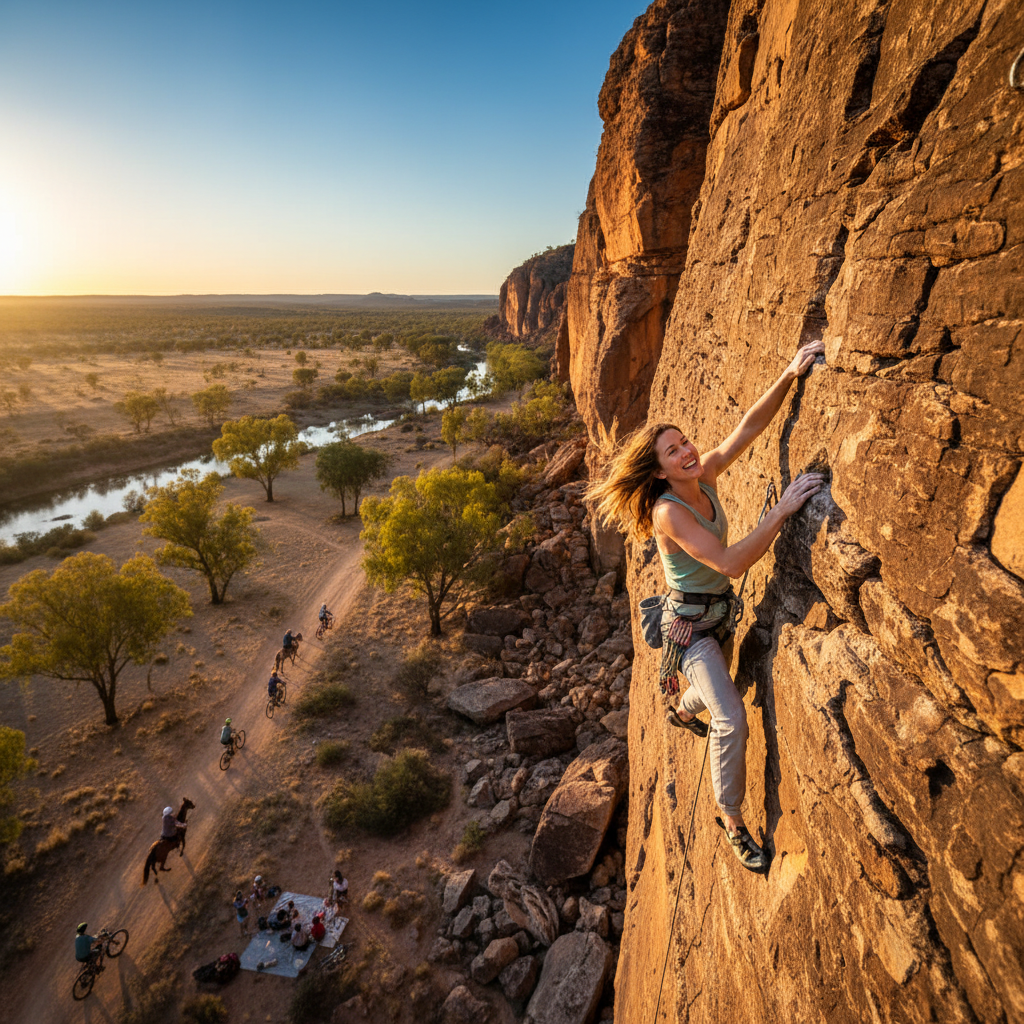
Conquer the Sun: Essential Helmet Sun Protection for Australian Multipitch Climbs
Australia. The land of epic coastlines, vast deserts, and some of the best climbing on Earth. But let's be honest, it's also the land of relentless sunshine and potentially brutal UV indexes. For anyone tackling multipitch climbs here, sun protection isn't just a good idea; it's a vital part of your safety kit.
Think about it. You're spending hours, sometimes a whole day, exposed on a rock face. Your helmet, while crucial for impact protection, often leaves your face, neck, and ears vulnerable to the sun's harsh rays. And when you're focused on the next move, the creeping burn or the onset of heat exhaustion can quickly turn a dream climb into a miserable ordeal.
This isn't about being precious. This is about practical, no-nonsense survival and enjoyment in harsh conditions. We're talking about Australia's unique climate: high UV indexes that can be dangerous even on cloudy days, intense heat that bakes the rock, and long daylight hours that mean extended exposure.
The Helmet Dilemma: Protection vs. Vulnerability
Climbing helmets are designed for impact. They're built to protect your noggin from falling rock and direct blows. But by their very nature, most helmets offer limited brim coverage. This leaves significant portions of your face, particularly around the eyes, the bridge of your nose, and your ears, completely exposed. Even with sunscreen, reapplication is tricky when you're in the middle of a pitch, and it doesn't always provide adequate protection against direct glare and intense heat.
This is where a dedicated helmet sun protection solution becomes a game-changer.
Why Your Standard Helmet Isn't Enough for Australian Multipitch
Limited Face Coverage: Most climbing helmets are designed with minimal overhang, prioritising ventilation and a low profile over full facial sunshielding. This leaves your eyes, nose, and ears exposed.
Glare and Eye Strain: Direct sunlight bouncing off the rock and your gear can cause significant glare, leading to eye strain, headaches, and reduced visibility. This is a major safety concern on technical routes.
Sunburn on Vulnerable Areas: The skin on your face, ears, and neck is sensitive. Prolonged exposure without adequate protection can lead to painful sunburn, peeling, and long-term damage.
Heat Exhaustion: Overheating due to direct sun exposure can lead to heat exhaustion, with symptoms like dizziness, nausea, and fatigue. On a multipitch climb, this is incredibly dangerous.
Difficulty Reapplying Sunscreen: Trying to smear sunscreen on your face and ears while roped up, with gloves on, and in the middle of a pitch is impractical and often ineffective.
The Solution: Enhance Your Helmet
The good news is, you don't need to ditch your trusty helmet. You can upgrade its sun-blocking capabilities. This is where add-on helmet brims and extensions come into play. They are specifically designed to attach to your existing helmet, providing that much-needed extra shade.
Introducing Da Brim
For climbers in Australia, where the sun doesn't mess around, a solution like Da Brim is a practical investment. It's an attachable brim that extends the shade provided by your helmet, offering significant improvement in sun and glare protection for your face and neck. They're designed to be lightweight, durable, and easy to attach.
Key Features of Effective Helmet Sun Protection:
When looking at solutions, consider these points:
UV Protection: Ensure the material offers high UV protection. While Da Brim is designed to cast shade, the brim itself can also offer UV-blocking properties.
Coverage Area: Does it adequately shade your eyes, nose, and ears? For multipitch, more is usually better.
Durability: It needs to withstand the rigours of climbing – scrapes, bumps, and being stuffed in a pack.
Attachment System: Is it secure? Will it stay on during a fall or in windy conditions? Is it easy to attach and remove without damaging your helmet?
Ventilation: Does it obstruct essential airflow from your helmet's vents? A good design balances shade with ventilation.
Weight: It shouldn't add significant bulk or weight to your helmet.
Objection Handling: "Will it fall off?" "Will it get in the way?"
These are valid concerns. Reputable products are designed with secure attachment systems. For Da Brim, the harness system is engineered to fit snugly around your existing helmet straps, preventing slippage. As for getting in the way, the design aims to extend shade without significantly increasing your helmet's profile or obstructing your vision when looking up or around. It's a balance, and the benefits of added sun protection on long, exposed routes far outweigh the minor adjustments you might need to make.
Sun Protection Checklist for Multipitch Climbs:
Before you head out on your next Australian multipitch adventure, run through this quick checklist for sun protection:
[ ] Helmet: Your primary impact protection.
[ ] Helmet Sun Brim Attachment: (e.g., Da Brim) for extended facial shade.
[ ] High SPF Sunscreen: Broad-spectrum, sweat-resistant.
[ ] Lip Balm with SPF: Don't forget your lips!
[ ] Sunglasses: Essential for the approach, descent, and lower-angle sections, but not typically worn while climbing with a helmet.
[ ] Sun-Protective Clothing: Long sleeves, UPF rated if possible.
[ ] Wide-brimmed Hat: For the approach and descent.
- [ ] Water: Crucial for preventing dehydration and heatstroke.
Integrating Sun Protection into Your Gear:
Adding a helmet brim is a straightforward upgrade. Most systems, like Da Brim, are designed for universal fit or come with fit guides for different helmet types. They typically attach to the helmet's suspension system or directly to the straps.
How to Install Your Da Brim (General Guide):
While specific instructions may vary slightly depending on the Da Brim model and your helmet, the general process is designed to be user-friendly. You can find detailed instructions on our How to Install page.
1. Familiarise Yourself: Read the provided instructions carefully.
2. Position the Brim: Place the Da Brim over your helmet, aligning it so the brim provides the desired coverage for your face and neck.
3. Attach Securely: Use the integrated harness or clips to fasten the Da Brim to your helmet's suspension system or straps. Ensure it's snug and doesn't move freely.
4. Adjust for Comfort: Make any necessary adjustments to ensure it doesn't impede your vision or interfere with the helmet's fit.
5. Test the Fit: Gently try to shift the brim and the helmet to confirm everything is secure.
This process should take mere minutes. Once installed, it stays on, ready for action.
Australian Conditions: A Word on UV and Heat
We're not exaggerating when we say Australian conditions demand respect. The UV index can reach extreme levels, especially during summer months and at higher elevations. Even a short period of unprotected exposure can lead to significant sunburn. Furthermore, the heat can be intense, even if you're not directly in the sun. Glare off light-coloured rock can intensify the heat on your skin and eyes.
Multipitch climbs often involve long pitches and significant time spent stationary or moving slowly on belay ledges. This means prolonged exposure, often at altitudes where the sun's rays are even more potent. Your standard helmet simply isn't designed to combat this level of sustained solar assault.
The Practicality of Shade on the Rock
Imagine this: you're on pitch 4 of a 10-pitch route. The sun is directly overhead, beating down. You've reapplied sunscreen as best you can, but the glare is intense, and the heat is starting to feel oppressive on your face. Your eyes are squinting, and you're feeling fatigued.
Now imagine the same scenario with a Da Brim attached to your helmet. Your face is in shadow. The glare is significantly reduced. The direct heat on your skin is minimised. You can focus better on the climb, feel more comfortable, and conserve energy. That's the practical difference.
Summary Table: Helmet Brim Benefits
| Benefit | Description | Australian Context |
|---|---|---|
| Facial Shade | Extends shade to cover eyes, nose, and ears, reducing direct sun exposure. | Crucial for high UV indexes and prolonged exposure times. |
| Glare Reduction | Minimises harsh glare from sunlight bouncing off rock and gear, improving visibility and reducing eye strain. | Aids focus and safety on technical multipitch routes. |
| Comfort | Keeps your face cooler and more comfortable, reducing the risk of overheating and heat exhaustion. | Essential for lengthy climbs in intense Australian heat. |
| Sunburn Prevention | Provides a physical barrier against harmful UV rays, protecting sensitive facial skin. | Protects against painful and damaging sunburn on long days. |
| Practicality | Easy to attach, lightweight, and designed to work with most climbing helmets. | A simple upgrade for significant safety and comfort benefits. |
Final Thoughts: Prioritise Your Protection
Don't let the Australian sun dictate the end of your climbing day. Multipitch climbing is an incredible experience, but it demands preparation. Prioritising your sun protection, especially when it comes to your helmet's coverage, is not a luxury; it's a necessity.
Investing in a helmet sun brim is a small step that delivers significant returns in comfort, safety, and enjoyment. Take a look at our range of Products designed to enhance your climbing experience. For detailed installation guides, head over to our How to Install page. And if you have any questions, our FAQ section is always a great resource. Don't forget to check out our other Blog posts for more climbing tips.
Stay safe, and happy climbing under the glorious (but potent) Australian sky!