
Conquer the Heat: Your No-BS Guide to Cycling in Extreme Australian Weather
Don't let the scorching Aussie sun sideline your ride. This guide cuts through the fluff, giving you practical, actionable advice on how to stay cool and safe while cycling in extreme heat.
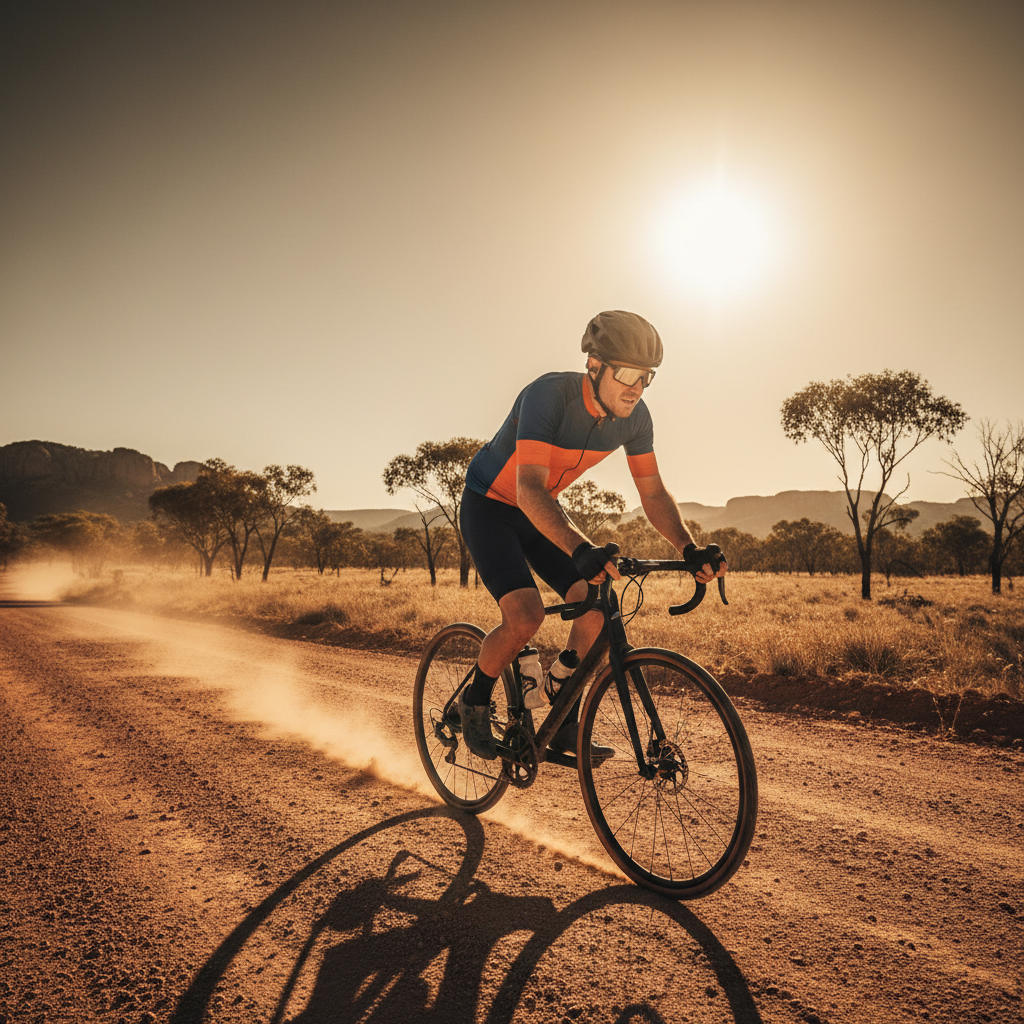
Conquer the Heat: Your No-BS Guide to Cycling in Extreme Australian Weather
Australia. Land of sunshine, beaches, and... brutal heat. We love our outdoor lifestyle, and for many of us, that means cycling. But when the mercury climbs and the UV index goes through the roof, riding can feel less like a pleasure cruise and more like a furnace test. Overheating isn't just uncomfortable; it's dangerous, leading to heat exhaustion, heatstroke, and a significant drop in performance. If you think you just have to tough it out, think again. This is your no-fluff guide to beating the heat on your bike, specifically tailored for Aussie conditions.
The Harsh Reality of Australian Heat and Cycling
Let's be blunt. Australian summers, especially inland and in many coastal regions, are no joke. We're talking prolonged periods of 35°C+ and relentless UV. High humidity can make it feel even hotter, while dry heat leeches moisture from your body at an alarming rate. Simply putting on a helmet and hoping for the best is a recipe for disaster. Your head, being a primary regulator of body temperature, is constantly exposed to the sun and trapped heat underneath your helmet. This is where smart strategies, not just grit, come into play.
Why is Cycling in Heat So Demanding?
Increased Core Body Temperature: Your body generates heat during exercise. When the ambient temperature is high, it’s harder for your body to dissipate this heat through sweat and radiation.
Dehydration: You sweat more to cool down, losing vital fluids and electrolytes. Even mild dehydration significantly impairs physical and cognitive function.
Cardiovascular Strain: Your heart has to work harder to pump blood to both your working muscles and your skin (for cooling).
Helmet 'Oven' Effect: Traditional helmets offer minimal ventilation against direct sun, trapping heat and acting like a personal sauna.
Essential Strategies for Heat Survival
Forget the miracle cures. Staying cool and safe comes down to preparation, smart choices, and the right gear. We’re talking practicality, not Instagrammable fantasy.
1. Hydration is Non-Negotiable
This is the bedrock of heat management. You cannot hydrate enough once you're already dehydrated. Think proactive, not reactive.
Pre-hydrate: Drink plenty of water in the hours leading up to your ride. Don’t chug a liter right before you leave; spread it out.
During the Ride: Sip water or electrolyte drinks frequently, even if you don’t feel thirsty. Aim for 150-250ml every 15-20 minutes, adjusting for intensity and heat.
Electrolytes Matter: Especially on longer rides or in extreme heat, plain water isn’t enough. You need to replace salts lost through sweat. Look for electrolyte tabs, powders, or sports drinks.
Post-hydrate: Continue drinking water and electrolytes after your ride to fully rehydrate.
Objection Handling: "I always feel fine." This is where complacency kicks in. You might feel okay, but your body is under significant stress. Early signs of heat stress can be subtle and rapidly escalate. Don't wait until you're cramping or dizzy to realise you've pushed too far.
2. Timing is Everything
If you have the luxury, avoid riding during the hottest parts of the day – typically between 10 am and 4 pm. The early morning or late afternoon/early evening can offer significantly cooler temperatures.
Early Bird Gets the Cool: A sunrise ride can be the most pleasant and safest option.
Evening Chill: As the sun dips, temperatures usually follow. Be mindful of visibility, though. If you’re riding after dusk, ensure you have adequate lights.
Objection Handling: "But that's when I have time!" We get it. Life is busy. If you must ride in the heat of the day, then the other strategies become even more critical, and you need to significantly shorten your ride duration and intensity. Be realistic about what your body can handle.
3. Strategic Cooling
Beyond just drinking, actively cool your body down.
Water is Your Friend: Pouring cool water over your head, neck, and wrists can provide immediate relief by cooling blood as it passes close to the skin’s surface.
Wet Towels/Bandanas: Soak a bandana or small towel in cool water and wear it under your helmet. Re-soak it whenever possible.
Ventilation: Ensure your helmet has good ventilation. If you’re looking for an upgrade, consider helmets designed for maximum airflow.
4. Dress for Success (and Survival)
Your clothing plays a surprisingly big role.
Light Colours: Lighter colours reflect sunlight, keeping you cooler than dark colours which absorb heat.
Lightweight, Breathable Fabrics: Opt for jerseys made from synthetic, moisture-wicking materials. Avoid cotton, which holds moisture and weighs you down.
Sun Protection: While your helmet covers your head, your arms and legs are exposed. Consider lightweight, long-sleeved jerseys and bibs if the sun is intense, often made with UPF-rated fabric designed for heat.
5. Gear Up with Sun Protection
Your helmet is crucial for safety, but it can also be a heat trap. This is where smart accessories make a real difference.
The Underside Solution: A damp cooling cap or bandana worn under your helmet can absorb sweat and provide a layer of thermal regulation.
Brimming with Benefit: Consider adding a brim to your helmet. A helmet brim is designed to extend shade over your face and neck, which not only helps prevent sunburn but also reduces direct solar radiation hitting your head, a significant contributor to overheating. This can be a game-changer for comfort and sun protection, especially in harsh Australian UV conditions.
For practical advice on how to attach and use this kind of accessory seamlessly with your existing helmet, check out our How to Install guide.
6. Pace Yourself and Listen to Your Body
This isn't the Tour de France. On hot days, your pace will be slower. Accept it and adjust your expectations.
Reduce Intensity: Don't push hard. Focus on steady, comfortable efforts.
Shorter, More Frequent Rides: If you're training, opt for shorter rides more often rather than one long, punishing slog.
Know the Signs of Heat Illness: This is critical. Don’t ignore them.
Heat Exhaustion: Heavy sweating, clammy skin, weakness, dizziness, nausea, headache, muscle cramps, fast, weak pulse.
Heatstroke (Medical Emergency): High body temperature (40°C+), hot, red, dry or damp skin, confusion, loss of consciousness, throbbing headache, fast, strong pulse.
If you suspect heatstroke, call for emergency assistance immediately and try to cool the person down.
Your Heat Riding Checklist
Before you even think about hopping on your bike, run through this:
[ ] Hydration: Bottles filled with water/electrolytes? Enough for the planned duration?
[ ] Nutrition: Pre-ride meal and any snacks for longer rides?
[ ] Clothing: Light, breathable, appropriate for the conditions?
[ ] Sun Protection: Sunscreen applied? Helmet brim fitted?
[ ] Timing: Is the ride time sensible for the heat?
[ ] Route: Is there shade available on the planned route?
[ ] Emergency Contacts: Phone charged? Emergency info accessible?
[ ] Listen to Your Body: Have you had enough sleep? Are you feeling well today?
Putting It All Together: An Example Ride Plan
Let's say you’re planning a 2-hour afternoon ride in 38°C heat. Here's how you’d approach it:
1. Pre-Ride (2 Hours Before): Drink 500ml of water with electrolytes. Eat a balanced meal.
2. Pre-Ride (30 Mins Before): Drink another 300ml of plain water. Apply high-SPF sunscreen to all exposed skin. Ensure your helmet brim is securely attached.
3. During the Ride (Hour 1): Sip water/electrolytes (approx. 200ml every 20 mins). Focus on steady pacing. If possible, find shaded sections for brief pauses.
4. Mid-Ride Break (Optional, but Recommended): If you can stop, pour cool water over your head and wrists. Reapply sunscreen if the ride is longer than 3 hours.
5. During the Ride (Hour 2): Continue hydration. Significantly reduce intensity if you feel any fatigue or dizziness. Consider cutting the ride short.
6. Post-Ride: Immediately rehydrate with water and electrolytes. Have a light, salty snack. Continue to monitor how you feel.
This structured approach minimises risk and maximises your ability to enjoy your ride, even when the conditions are tough.
Don't Let the Heat Dictate Your Riding Season
Cycling in Australia offers incredible experiences, but safety and comfort in extreme heat must be your priority. By implementing these practical, no-nonsense strategies – prioritising hydration, timing your rides, using cooling techniques, dressing appropriately, and being smart with your gear – you can significantly reduce the risks associated with cycling in high temperatures.
Remember, the goal is to enjoy your ride, not to prove a point about your heat tolerance. Stay cool, stay hydrated, and stay safe. For more information on helmet accessories and safety, explore our Products page, check our comprehensive FAQ, or browse other articles on our Blog.
Disclaimer: This content is for informational purposes only and does not constitute medical advice. Always consult with a healthcare professional before making any decisions about your health or fitness regimen, especially in extreme conditions.