
Conquer the Heat: Your Helmeted Ride in Extreme Australian Conditions
Don't let scorching Australian heat stop your ride. This guide provides practical, no-nonsense advice for cycling in extreme temperatures, focusing on staying cool and safe with your helmet.
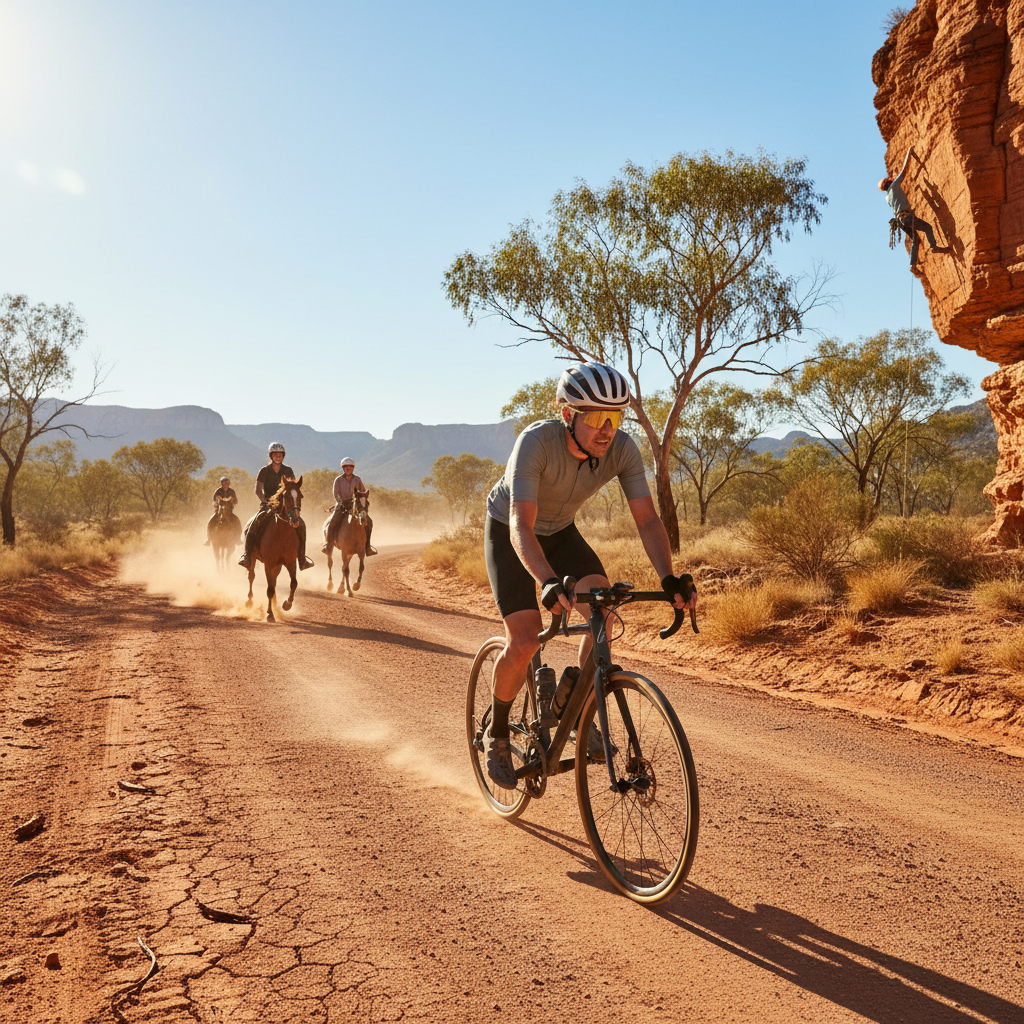
Conquer the Heat: Your Helmeted Ride in Extreme Australian Conditions
Australia. We love our sunshine, our long summer days, and the freedom of cycling. But let's be honest, when the mercury climbs, our beloved bike rides can quickly turn from exhilarating to exhausting – or worse, dangerous. Riding in extreme heat isn't about toughing it out; it's about riding smart. And for anyone wearing a helmet – which, as cyclists, is pretty much everyone – this means rethinking your approach to staying cool and protected.
This isn't about fancy gadgets or abstract advice. This is practical, no-fluff knowledge to help you enjoy your ride, even when the sun is absolutely pumping. We'll cover what you need to know, how to prepare, and what to do when the heat is on.
The Reality of Australian Heat for Cyclists
Our Australian climate throws some serious heatwaves our way. We experience consistently high temperatures, often coupled with intense UV radiation. The UV index can reach extreme levels, meaning sunburn and heatstroke are real risks, even on shorter rides. The seemingly endless days of summer mean more exposure time. And if you're in any of the inland or northern parts of the country, triple-digit temperatures aren't a rare occurrence.
For helmet wearers, there's an added layer: your helmet, while essential for safety, can also trap heat. This is a crucial point. Designed for protection, many helmets offer limited ventilation, exacerbating the feeling of being trapped in a personal sauna.
Common Objections and Why They're Wrong
“I just need to push through it.” No. Pushing through extreme heat is how you get heat exhaustion or heatstroke. Your body has limits. Respect them.
“Helmets make me hotter, so I’ll just ride without one.” This is a non-negotiable. Helmets are the single most effective piece of safety equipment for cyclists. The risk of serious head injury far outweighs the discomfort of being slightly warmer. The solution isn't to ditch safety; it's to manage heat more effectively with your helmet.
“I’ll just drink more water.” Hydration is vital, but it’s only one piece of the puzzle. You can drink litres of water and still overheat if you don't manage your body temperature and exposure.
“It’s too hot to ride, full stop.” While it’s wise to avoid the absolute peak of the hottest days, with the right preparation, many hot days can still be enjoyed safely. Don't let fear or poor planning stop you entirely.
Pre-Ride Preparation: Your First Line of Defence
This is where you win or lose the battle against the heat. Don't even think about hopping on your bike without doing this.
Hydration Strategy – Beyond Just Water
Start Hydrating Early: Don't wait until you're thirsty. Drink water consistently in the 24 hours before your ride, and especially in the hours leading up to it.
Electrolytes are Key: Plain water alone isn't enough in extreme heat. You're losing essential salts (electrolytes) through sweat. Use electrolyte powders or tablets in your water bottles. This helps your body retain fluid more effectively.
Cold is Better: Chill your water bottles overnight. A cooler drink can help lower your core body temperature slightly as you drink.
Don't Forget Post-Ride Hydration: Continue to rehydrate and replenish electrolytes after your ride.
Nutrition Matters
Avoid Heavy Meals: Don't eat a massive, carb-heavy meal right before you ride. Your body uses energy to digest, which generates heat.
Light, Easily Digestible Foods: Opt for fruits, vegetables, and lighter proteins. Salty snacks can help replenish sodium lost through sweat.
Timing is Everything
Early Morning or Late Evening: This is the golden rule. Ride before 10 AM and after 4 PM during the hottest months. Even an hour or two can make a massive difference.
Check the Forecast: Seriously, look at the predicted temperatures and UV index. If it's going to be truly extreme (e.g., 40°C+ with high UV), consider a different activity or an indoor trainer.
Clothing Choices
Lightweight, Breathable Fabrics: Avoid dark colours that absorb heat. Opt for light, moisture-wicking fabrics that allow air to circulate.
Sun Protection: Long sleeves and full-length tights might sound counter-intuitive, but if they're made of UPF-rated, breathable fabric, they can protect you from the sun and help keep you cooler than exposed skin and sunburn.
Sun Cream and Protection
High SPF Sunscreen: Apply liberally and frequently. Don't forget areas often missed – back of the neck, ears.
SPF Lip Balm: Your lips can burn too.
Riding in the Heat: On the Go Strategies
Even with the best preparation, you’ll still be cycling in the heat. Here’s how to manage it:
Helmet Ventilation and Cooling
This is where your helmet choice and accessories become critical. Standard helmets can feel like ovens. Look for helmets with generous ventilation. More vents, and strategically placed vents, allow for better airflow. You can also improve airflow:
The Da Brim® Helmet Brim: This is designed specifically to enhance your existing helmet. It fits securely onto most standard helmets and provides crucial shade for your face and neck, significantly reducing sun exposure and the radiant heat hitting your head. Crucially, it’s designed not to impede airflow through your helmet's vents. Check out our Products page to see how it works.
Pacing and Effort
Don't Go Hard: If it’s warm, dial back your intensity. A hard effort generates more internal body heat. Focus on steady, sustainable paces.
Take Breaks: Stop in the shade whenever possible. Use these breaks to drink, to cool down, and to assess how you're feeling.
Cooling Techniques
Wet Cloths: Carry a small, lightweight microfibre towel. Dunk it in water at stops and place it around your neck or on your head (under your helmet, if possible, though this can sometimes hinder airflow – position carefully).
Spray Bottle: A small spray bottle filled with cool water can be a lifesaver. Spray yourself down on the move or during breaks.
Sip, Don't Gulp: Drink small amounts of your electrolyte drink frequently, rather than chugging large volumes at once.
Listen to Your Body – The Most Crucial Advice
Overheating isn't a badge of honour. It’s a warning sign.
Recognise the Symptoms of Heat Exhaustion:
Heavy sweating
Pale, clammy skin
Muscle cramps
Fatigue
Headache
Nausea or vomiting
Dizziness
Fast, weak pulse
If you experience any of these, stop riding immediately. Find a cool, shaded spot. Take off your helmet. Drink water and electrolytes. Loosen your clothing. If symptoms persist or worsen, seek medical attention.
Heatstroke is a medical emergency. Symptoms can include:
High body temperature (above 40°C)
Hot, red, dry or damp skin
Rapid, strong pulse
Headache
Dizziness
Nausea
Confusion or loss of consciousness
Seizures
If you suspect heatstroke: CALL FOR EMERGENCY HELP IMMEDIATELY. While waiting for help, try to cool the person down with wet cloths or by immersing them in cool water if possible.
Essential Gear Checklist for Hot Weather Rides
Getting ready for a hot day ride is like packing for a mini-expedition. Don't leave home without these:
Helmet (essential for safety!)
Da Brim® Helmet Brim (for shade and reduced radiant heat)
Plenty of Water and Electrolyte Mix
Sunscreen (high SPF)
Lightweight, breathable cycling gear
Sunglasses
Small microfibre towel
Small spray bottle (optional but recommended)
Salty snacks
Phone (for emergencies and checking weather)
Step-by-Step Guide: A Hot Weather Ride Plan
Here’s a simple plan to follow for your next hot weather cycling adventure:
1. Plan Your Ride: Choose the coolest part of the day (early morning/late evening). Select a route that has shade options and potential places to stop for water or a break. Check the UV index and temperature forecast.
2. Pre-Hydrate: Drink water and electrolytes steadily in the 24 hours leading up to your ride.
3. Fuel Light: Eat a light, easily digestible meal a couple of hours before riding.
4. Gear Up: Apply sunscreen generously. Wear light, breathable clothing. Fit your Da Brim® Helmet Brim securely to your helmet. Ensure your water bottles are full and chilled with electrolytes.
5. Start Slow: Begin your ride at a comfortable pace. Allow your body to warm up gradually, even in the heat.
6. Hydrate Regularly: Sip from your water bottles every 15-20 minutes. Don't wait until you feel thirsty.
7. Utilise Shade: If your route offers shaded sections, use them to rest and cool down. Use Da Brim® Helmet Brim to keep the direct sun off your face and neck even when you're not in shade.
8. Monitor Your Body: Pay close attention to how you feel. If you notice any signs of heat exhaustion, stop immediately, find shade, rehydrate, and rest. If symptoms are severe, seek medical help.
9. Post-Ride Recovery: Continue to rehydrate and replenish electrolytes. Have a light, nutritious meal. Gentle stretching in a cool environment is also beneficial.
FAQ Highlights on Heat and Helmets
We know you've got questions. Here are some common ones answered briefly. For more detail, visit our FAQ page.
Can a helmet make me sweat more? Yes, helmets can trap heat and moisture, but their safety benefits are non-negotiable. Accessories like the Da Brim can help mitigate this by providing shade and allowing your helmet's own vents to do their job.
How do I choose a helmet for hot weather? Look for helmets with good ventilation. However, remember that even the best-ventilated helmet will still trap some heat.
Will a brim over my helmet reduce ventilation? When considering a product like the Da Brim, it's designed to fit around the external vents of your helmet, not block them, while providing critical shade. Some clever design ensures airflow is maintained.
What’s the biggest mistake people make when riding in the heat? Underestimating the heat, not hydrating adequately with electrolytes, and ignoring their body's warning signs.
Don't let the Australian heat sideline you. With smart preparation, the right gear, and a healthy respect for the conditions, you can still enjoy your cycling while staying safe and as cool as possible under your helmet. Remember to always prioritise your health and safety. For more cycling tips and product information, explore our Blog and Products pages.